Natural, pét-nat, and orange wine: what the bottle has to prove
What the terms mean in 2026, who is buying, and how to show a hazy wine on a matte label honestly online.

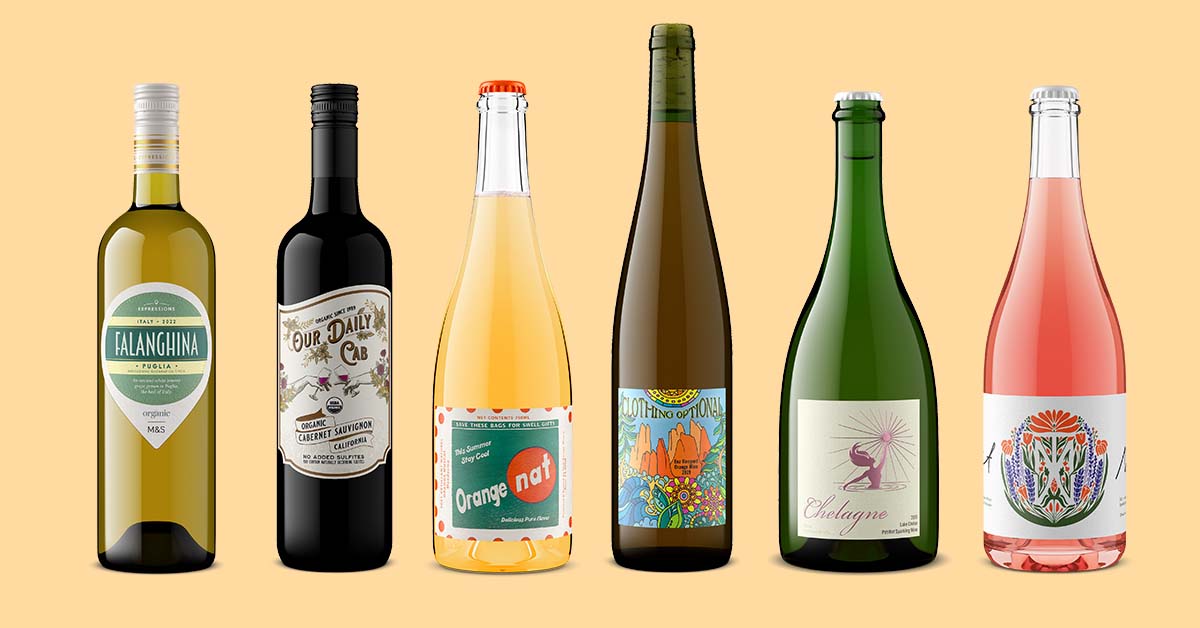
Your pét-nat is cloudy on purpose. Your label is printed on uncoated stock. And most product photography will quietly correct both.
Meanwhile, between 17% and 23% of regular wine drinkers say they cannot find wines like yours where they shop. That number comes from IWSR's 2025 report on sustainable, organic, and alternative wine, and it describes the whole commercial problem of the category: demand is rising, led by Gen Z and Millennial drinkers, and availability is the biggest thing standing in its way.
Which means the wine club page, the distributor sell sheet, and the online listing are where natural wine actually gets found. The bottle has to make its case on a screen before anyone tastes it, and the picture has to show the wine you actually made.
This guide covers four things: what natural, organic, pét-nat, and orange wine mean once you strip out the marketing, what the 2025 and 2026 data says about who is buying, what the packaging conventions of the category signal, and what it takes to show a hazy wine on a matte label accurately online.
What natural, organic, pét-nat, and orange wine mean
The four terms overlap but are not interchangeable. Two of them are regulated, two of them are not, and the difference decides what you are allowed to print on the label.
Natural wine
Natural wine is wine made from organically farmed grapes with native yeasts, no additives, and little or no added sulfites. There is no legal definition of the term in the United States, and in the European Union the words "natural wine" cannot be used commercially on a label at all, so the claim rests on the producer and on private charters.
France went furthest. The Vin Méthode Nature charter, recognized by the French authorities in 2020, requires certified organic grapes, hand harvest, indigenous yeasts, no enological inputs, no filtration, and a ceiling of 30 mg/L total sulfites in the finished wine. Certified cuvées carry one of two logos on the label, one for no added sulfites and one for additions under 30 mg/L.
Organic wine
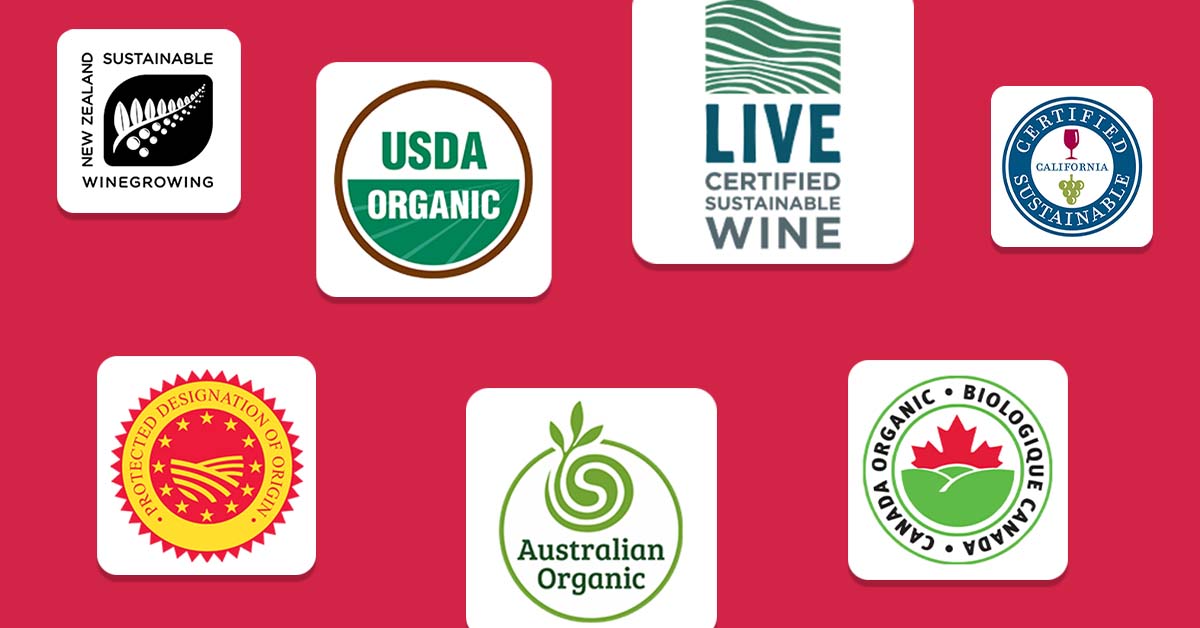
Organic wine is the one category with a legal definition on both sides of the Atlantic, and the two definitions disagree about sulfites. In the US, a wine labeled "organic" and carrying the USDA seal cannot contain added sulfites, while a wine labeled "made with organic grapes" may contain up to 100 ppm and cannot use the seal.
In the EU, certified organic wine may contain added sulfites, capped at 100 mg/L for dry reds and 150 mg/L for dry whites and rosés. A European organic wine imported into the US therefore usually lands in the "made with organic grapes" tier, and the label has to say so.
Pét-nat (pétillant naturel)
Pét-nat is a sparkling wine bottled before its first fermentation finishes, so the remaining sugar carries on fermenting in the bottle and traps the carbon dioxide. This is the méthode ancestrale, older and less controlled than the Champagne method, and it produces a wine that is usually lightly sparkling, often cloudy, and often sealed with a crown cap.
Many pét-nats are never disgorged, so the lees stay in the bottle. The Vin Méthode Nature charter is strict here: a certified pét-nat must get its bubbles from the original sugars of its own grapes, with no added juice or fermenting wine at any stage.
Orange wine
Orange wine is white wine fermented on its skins, the way red wine is made. The extended skin contact pulls tannin, texture, and an amber to orange color out of the grapes, which is why the category is also called skin-contact or amber wine.
Orange wine is a technique, not a farming claim. Plenty of skin-contact whites are made conventionally, and plenty of natural producers make none.

Who is buying, and why they cannot find it
The demand is real and it is young. Across IWSR's five core markets (the US, Canada, the UK, Australia, and China), at least 64% of Gen Z and Millennial regular wine drinkers report a high connection to alternative wines, and purchases have risen significantly since 2023 in Australia, Canada, the UK, and the US.
That growth runs against the wider market. The OIV puts 2025 global wine consumption at 208 million hectoliters, down 2.7% on 2024, while organic wine volume grew across most markets over the past five years, including a 14% compound annual growth rate in Australia from 2019 to 2024.
Inside the category, natural wine leads IWSR's Opportunity Index, on the strength of China, Australia, and the UK. Orange wine climbed two places since 2024 and overtook pét-nat, though both still sit near the bottom of the index at ninth and tenth.
Then come the barriers, and they are practical rather than philosophical. Between 17% and 23% of regular wine drinkers say there is not enough choice in shops or on wine lists, 18% to 23% say the wines are too expensive, and 31% say they prefer to stick with wines they already know.
Read those three numbers together and the job becomes clear. A drinker who cannot find your wine on a shelf can still find it on a screen, and the image has to do the work the shelf never got to do: prove the wine is real, show what makes it different, and justify the price before the cart.

What the packaging says before the wine does
Because "natural" has no legal definition, the packaging carries the claim. Producers in the category have converged on a visual language that signals low intervention from across the room, and every element of it is a production spec.
Uncoated, textured paper. Matte stock, recycled fiber, and visible grain read as honest and handmade. On a shelf they look right. On a listing they are the first thing a camera gets wrong, because glare flattens the texture and warm paper photographs gray.
Hand-drawn or illustrated artwork. The category leans on illustration, loose typography, and a lot of white space instead of the crest-and-serif conventions of classic wine. Some of the best-known labels carry almost no text at all on the front.
Closures that show the method. A crown cap on a Champagne-shaped bottle says pét-nat before the drinker reads a word. A cage and cork says disgorged. Naked cork, a short tin cap, or a wax dip says the producer skipped the capsule on purpose.
Glass that shows the liquid. Flint and light green glass are common because the liquid is part of the story. An orange wine in dark glass hides the one thing the drinker is paying for.
Transparency on the back label. Ingredient lists, sulfite levels, certification logos, and farming statements are standard in the category, and in the EU an ingredient list and nutrition declaration have been mandatory on wine since December 2023, printed or behind a QR code. The back label has become a second front label.

The conventions work. They also make natural wine one of the hardest categories in the industry to photograph, for reasons that have nothing to do with the photographer.
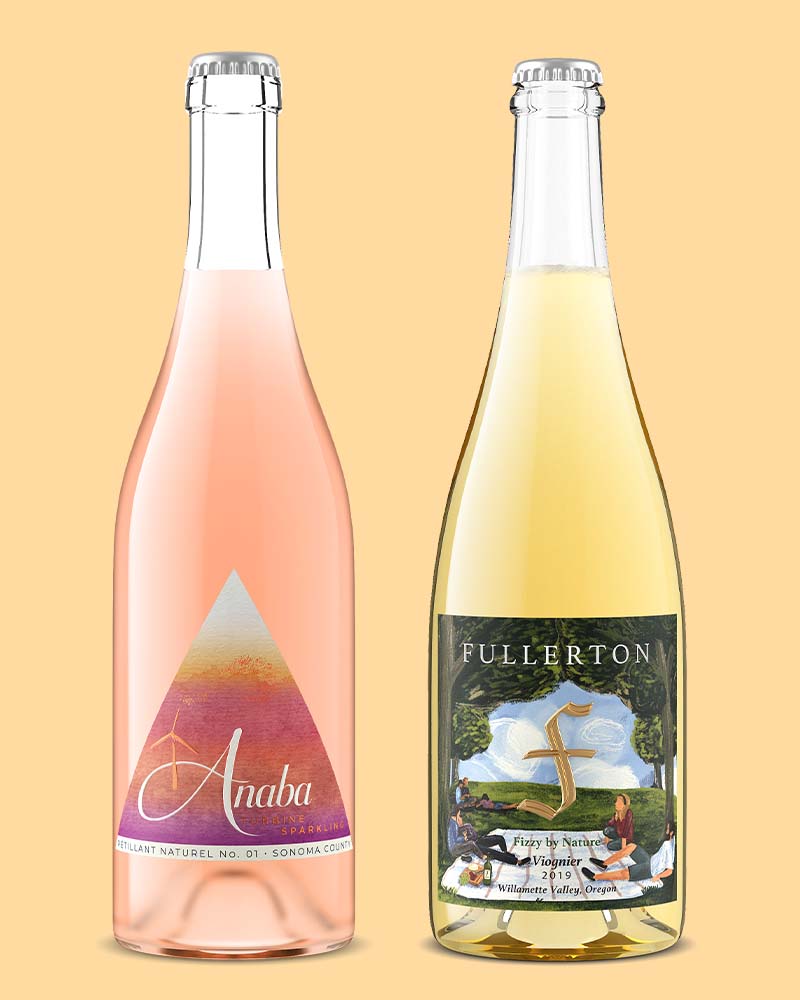
Showing a hazy wine honestly online
Every convention above fights the camera. Clear glass reflects the room. Uncoated paper loses its grain under studio light.
And a cloudy liquid, the single most recognizable signal of a pét-nat, gets read by a retoucher as a flaw and cleaned up.
The result is a listing that misrepresents the product. A crystal-clear render or photo of a pét-nat shows a different wine from the one in the bottle.
There is also a timing problem specific to the category. A pét-nat label is usually finalized months before disgorgement, and a producer with a small run does not want to ship bottles to a studio and lose them to the process. The listing needs an image before the wine is ready to leave the cellar.
Outshinery builds photorealistic wine bottle shots from your label file and a verified 3D model of your bottle, without a photoshoot, so the image is ready before your wine even exists. Two products cover the category, and the difference between them matters here.
Outshinery Lite is the self-serve option for a flat-printed label on a standard wine bottle. You pick the shape and the closure, including naked cork, short tin cap, wax dip, and sparkling hood, upload the label, and choose the liquid from 49 options that include hazy variants. The PNG arrives within about an hour, at $29 per image.
Outshinery Studio is where a trained 3D artist builds the render to your production spec: the exact paper stock, from matte uncoated to recycled and tactile finishes, a crown cap on a sparkling bottle, and a liquid brief that specifies cloudiness and visible sediment rather than defaulting to polished clarity. If the label carries embossing, foil, or hand-applied texture, it belongs in Studio.
Both keep the label as your designer drew it. The artwork is placed on the model, never redrawn, so the hand-lettering, the sulfite statement, and the certification logo render character for character.

One more advantage matters more in this category than in most. A natural producer changes the label more often than a classic estate does, because the artwork is the brand and the vintage changes the wine. Studio updates vintage and color changes on an existing model for free, so the second year costs a label file, not a photoshoot.
The natural wine drinker has already decided what the category looks like. The producers who win the listing are the ones whose image shows the wine exactly as it is: hazy where it is hazy, matte where it is matte, and honest about the closure. That is the whole brief.

Frequently asked questions
Is there a legal definition of natural wine?
No. Neither the United States nor the European Union defines "natural wine" in law. The closest thing to a standard is France's Vin Méthode Nature charter, recognized in 2020, which requires certified organic grapes, native yeasts, no additives, no filtration, and no more than 30 mg/L total sulfites, with a logo on the label of each certified cuvée.
How is organic wine different from natural wine?
Organic is a certified farming and winemaking standard with legal sulfite limits: no added sulfites for USDA organic, up to 100 ppm for US wine "made with organic grapes," and 100 to 150 mg/L for EU organic wine. Natural wine starts with organic grapes and goes further by removing additives, filtration, and most sulfite additions, but the term itself is not regulated.
What is pét-nat and why is it cloudy?
Pét-nat, short for pétillant naturel, is bottled before its first fermentation ends so the wine finishes fermenting in the bottle and traps its own carbon dioxide. Most pét-nats are unfiltered and many are never disgorged, so the yeast lees remain in the bottle and give the wine its haze. A crown cap is the traditional closure.
What does orange wine mean?
Orange wine is white wine fermented with the grape skins, the way red wine is made. The skin contact gives it tannin, texture, and an amber to orange color. It is also called skin-contact wine or amber wine, and it describes a technique rather than an organic or natural certification.
Can Outshinery render a cloudy or unfiltered wine?
Yes. Outshinery Lite offers hazy liquid options in its self-serve bottle shot generator, and Outshinery Studio lets a producer brief cloudiness and visible sediment so a pét-nat or unfiltered natural wine is rendered as it actually looks. Both work from the label file and a 3D model of the bottle, so no sample bottle is shipped and the image can be ready before the wine is disgorged.
The natural wine bottle shot brief
- Liquid: Hazy or clear, plus a hex value or a phone photo against white for the exact shade
- Sediment: Say whether lees should be visible, and where they sit in the bottle
- Closure: Crown cap, cage and cork, naked cork, short tin cap, or wax, exactly as bottled
- Glass: Flint, light green, or antique green, and the exact mold if you have it
- Label stock: Uncoated, textured, or recycled paper named by supplier, not "matte"
- Artwork: The print-ready vector or layered PDF that went to the printer, not a JPEG
- Claims: Organic seal, Vin Méthode Nature logo, and sulfite statement as printed on the final label
A render built from this brief shows the wine you made; a render built from guesses shows a wine you did not.