Limited-edition wine packaging: how to get visuals before it is printed
The special packaging arrives last and the sell sheet is due first. Here is how to close that gap.

You can sell a limited-edition wine before its packaging exists by having the bottle, the box or case and the finishes built in 3D from your print files. Outshinery Studio produces those images from the files your designer already has, with a first proof in 3 to 5 business days from a complete brief.
Calling it limited is not what sells it. In a March 2024 YouGov survey across 17 markets, 58% of American adults said they were not interested in limited-edition alcoholic drinks.
What the buyer pays for is what they can see: a box ready to give, a number that makes the bottle theirs, a magnum for the table. The image has to show that, and the packaging is usually the last thing to arrive.
Your holiday box is still at the printer, and your distributor wants the sell sheet this week.
This guide covers where the packaging timeline breaks, which images a special release needs, how visuals for new wine packaging materials get made before print, and what to send. For the bottle itself and the wider bottling timeline, see how to get bottle shots before your wine is bottled.
Why limited-edition packaging arrives too late
Limited-edition packaging arrives after the selling starts because it is produced last, by outside suppliers, on their schedule. The wine can be in tank and the label approved while the box is still weeks away.
Custom boxes, cases and tins are made to order, then shipped. A foil die or a wax dip adds its own queue on top.
The release calendar does not wait for any of it. Club announcements, distributor sell-in, preorder pages and holiday gift guides all need an image weeks before the first box lands at the winery.
What the buyer pays for on a limited edition
On a limited edition, what the buyer pays for is mostly the packaging, not the wine. That is exactly the part last year's bottle shot cannot show.
Usually one or more of these:
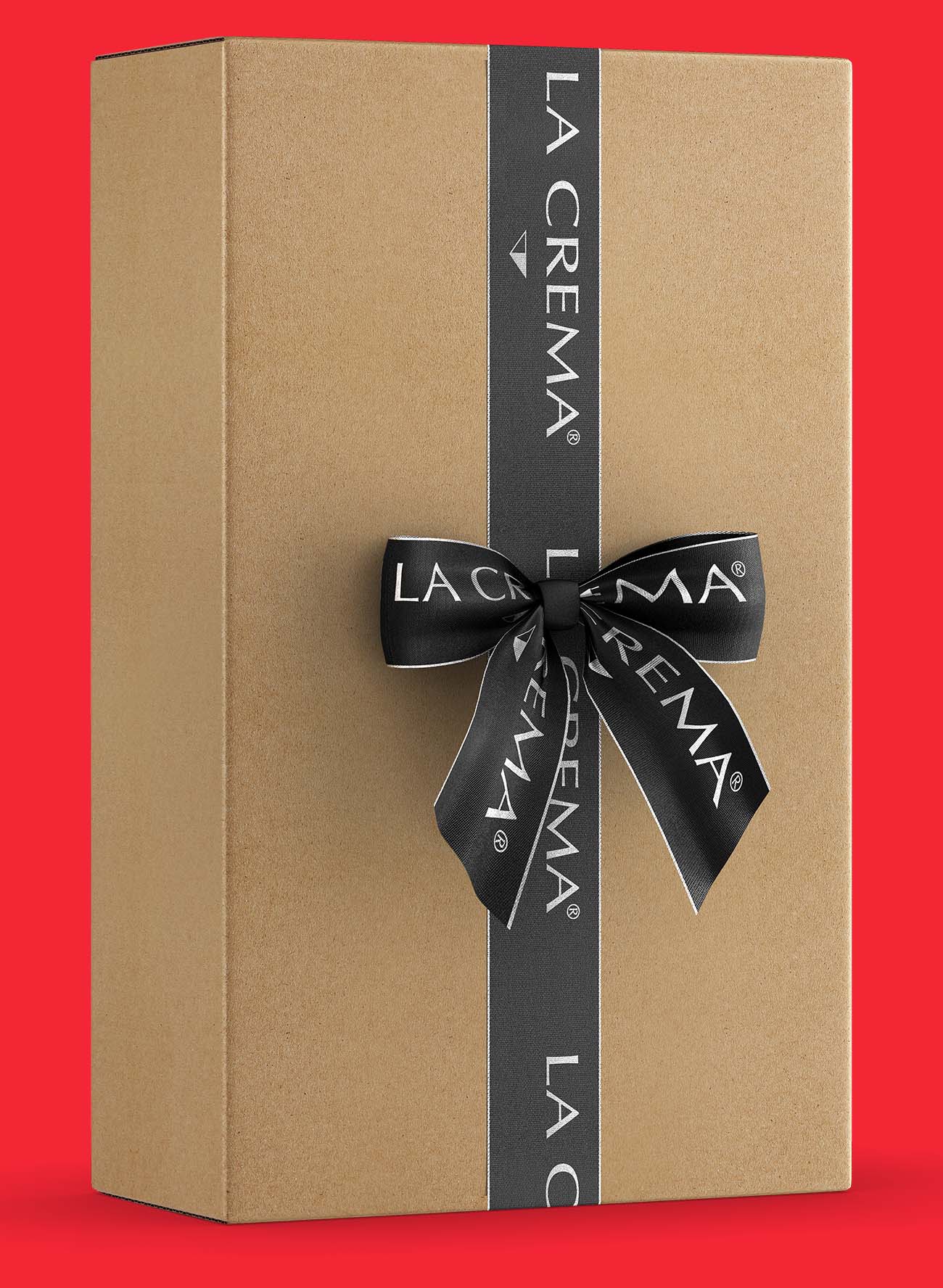
- A gift ready to give: a box, case or tin in paper, cardboard or wood, sometimes with a window or an insert
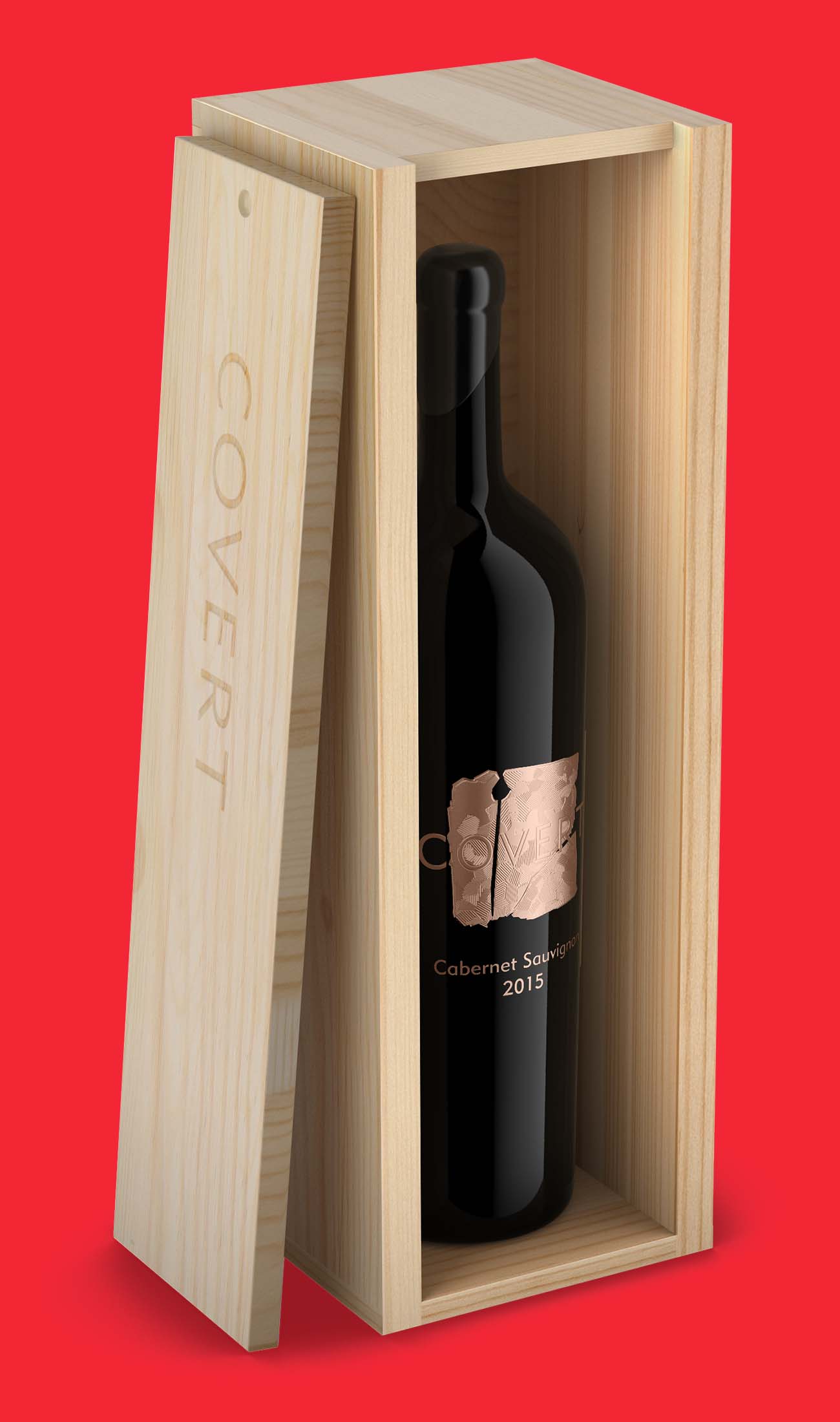
- A bottle that feels like an occasion: a magnum, or etched glass
- A label worth keeping: anniversary artwork, an artist collaboration, a holiday edition
- Finishes you can feel: hot foil, embossing, blind embossing, high-build varnish
- Proof it is rare: a bottle number, or a numbered neck tag
- A closure that looks special: a wax dip, a custom capsule, a branded cork
The words "limited edition" do not sell the bottle. The box, the number and the foil do, so the image has to show them.
Which images a limited release needs
A limited release needs a small, planned image set, with every image tied to the channel it is for. Planning the set first keeps the order to one brief.
A typical limited-edition image set
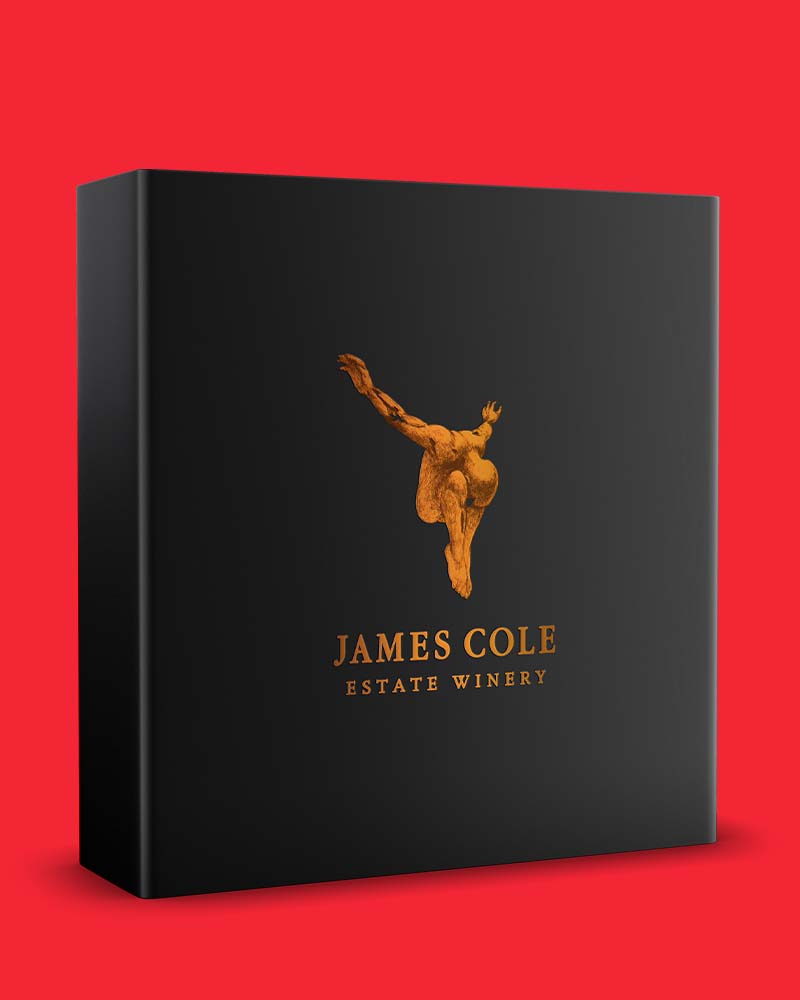
- Closed box, front, transparent background: preorder page, distributor sell sheet, retailer listing
- Bottle alone, front: wine club email, tech sheet, marketplace listing
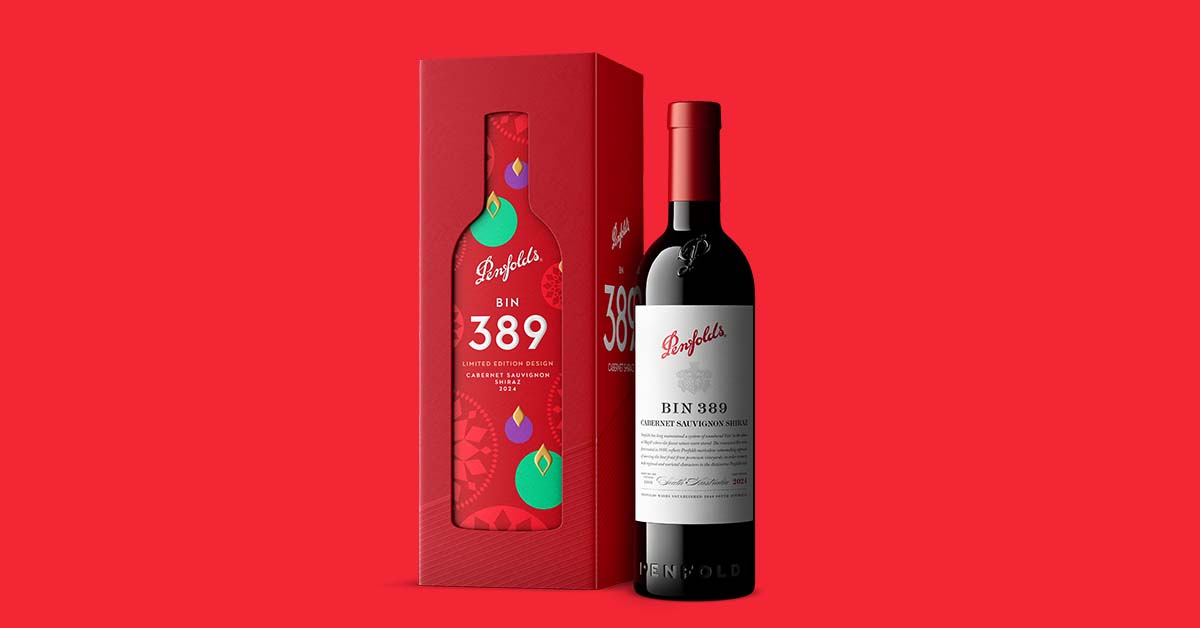
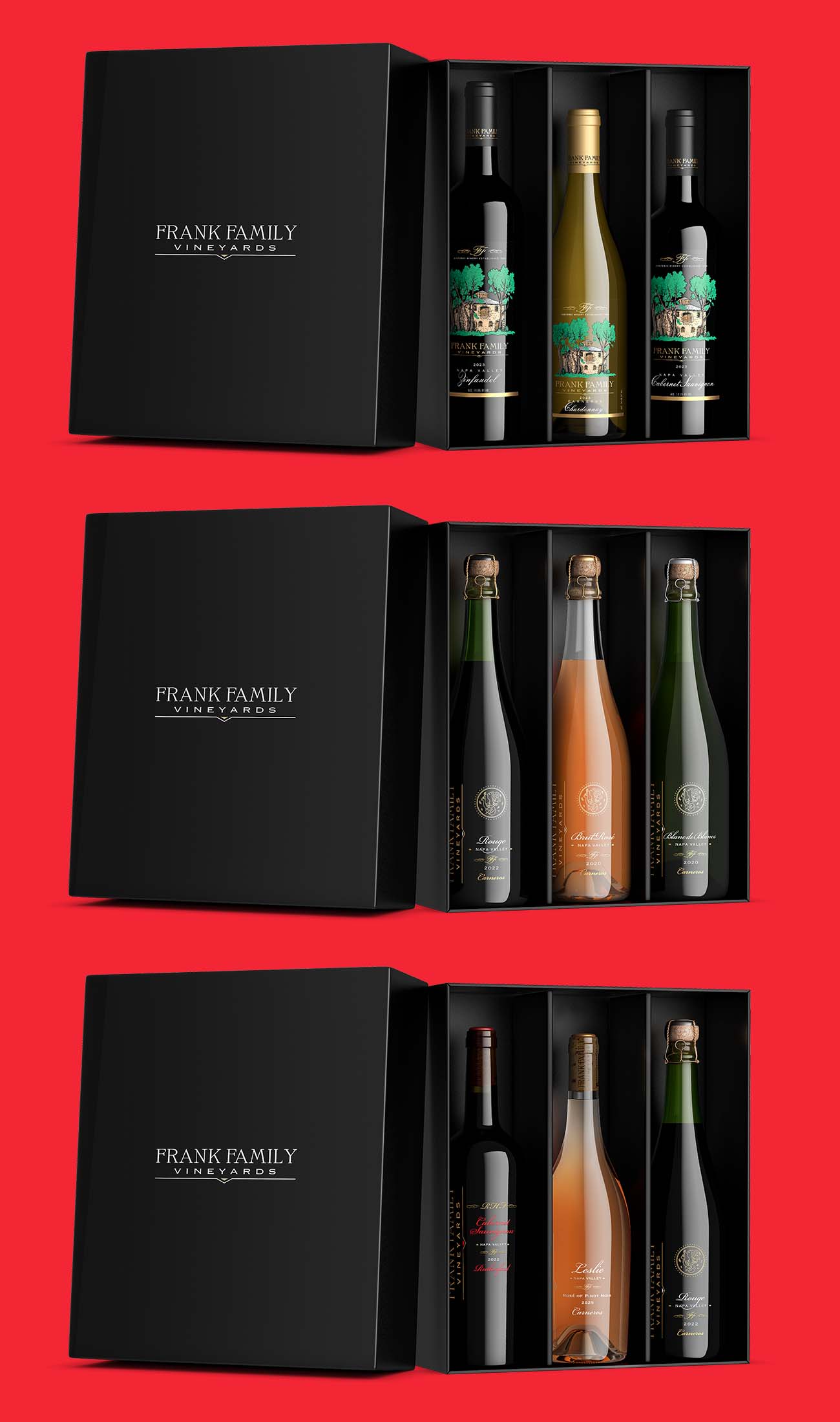
- Bottle and box together: gift guide, holiday landing page, social posts
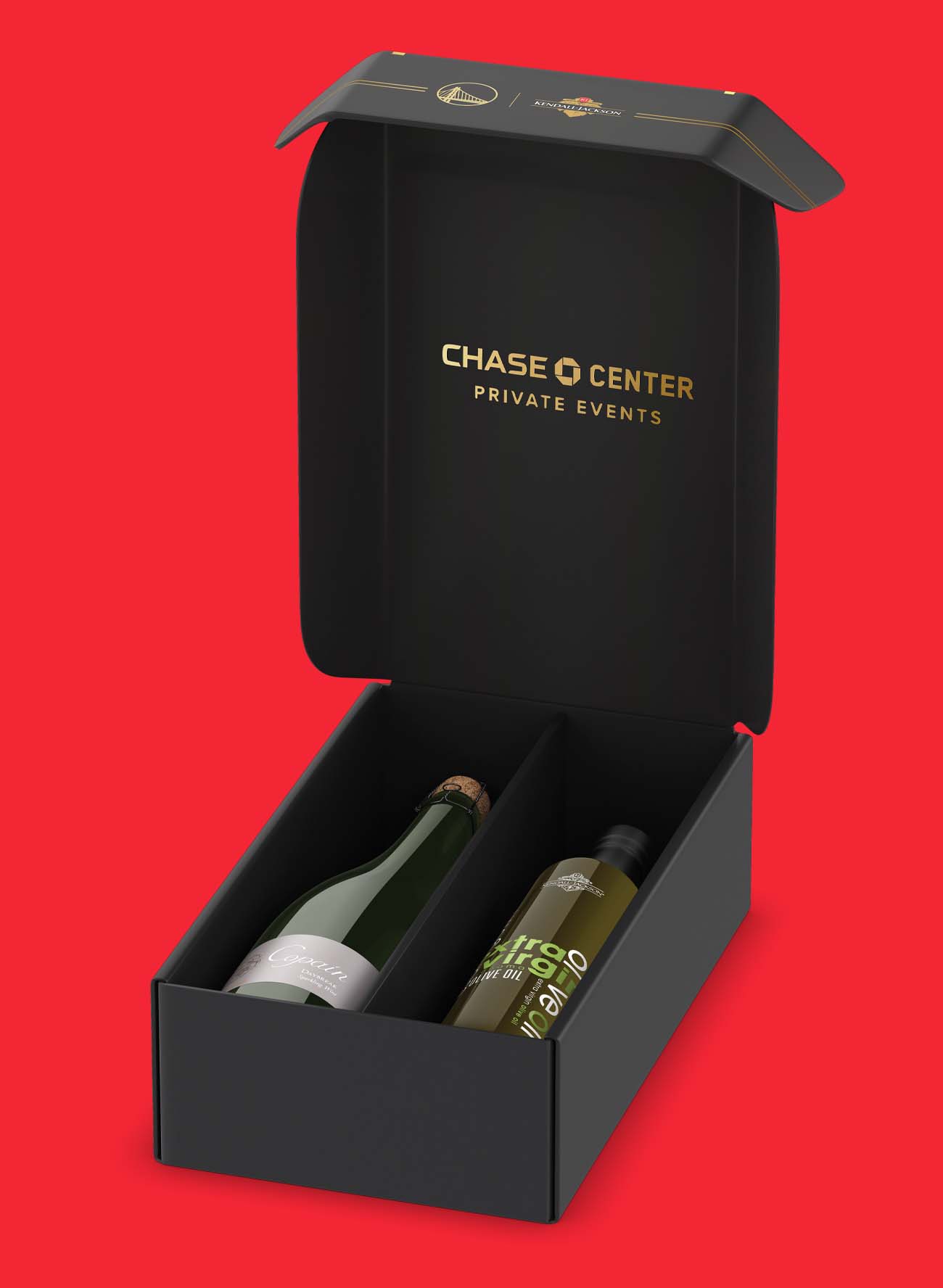
- Open box with the bottle inside: unboxing-style social posts, club shipment announcements
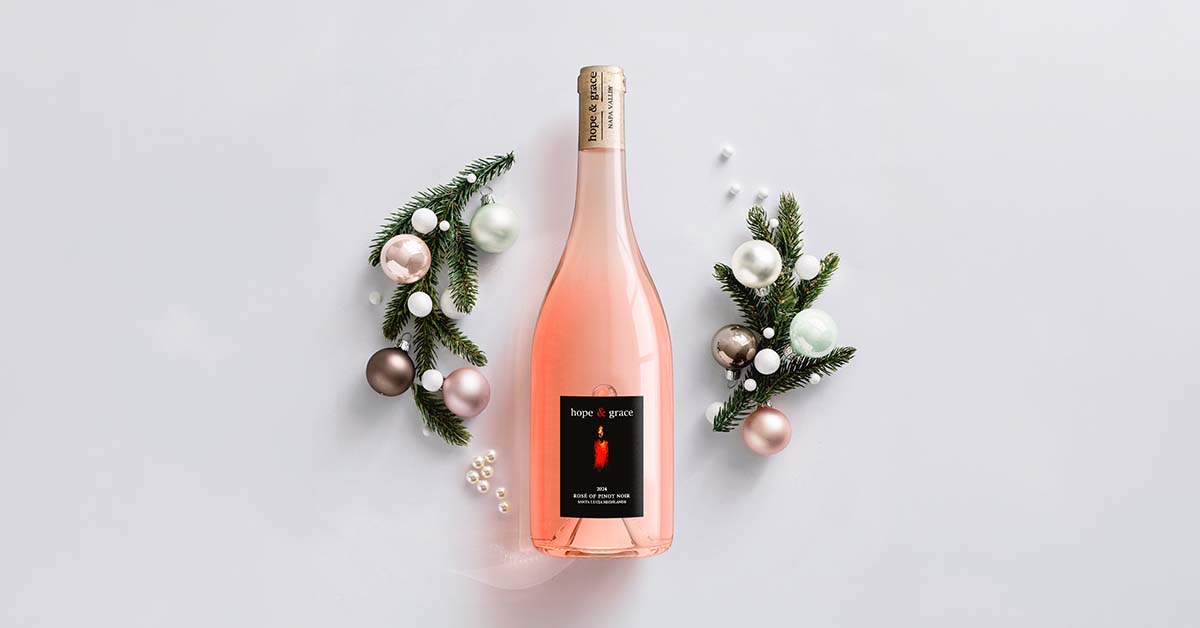
- Seasonal scene: holiday email header, paid social, website banner
Every image in the set is built from the same 3D model, so an image added in December matches the ones made in October.
Visuals for new wine packaging materials, before print
Visuals for new wine packaging materials are built from the same files the printer uses, so the image matches the finished pack before it exists. Nothing is photographed, and nothing is redrawn.
In Studio, a trained artist builds each part of the pack as its own layer, with its own material:
- The bottle: modeled on the real glass mold, from a library of 1,100+ bottle models
- The label: your print file placed on the bottle as supplied, never retyped or regenerated
- The closure: cork, capsule or wax, specified by type, size, color and finish
- The finishes: foil, embossing and varnish mapped to the areas your designer marked
- The box: built from the dieline, with its dimensions, material (paper, board or a specific wood), printed panels and finishes
That is what makes the image a digital twin rather than an approximation. Generative image tools work the other way: they regenerate pixels, which is how a vintage, an alcohol percentage or a government warning comes back wrong.
Once the model exists, it keeps working. Next year's edition, a second box color or a new vintage on the same bottle starts from the model already built.
Files to send before the packaging is printed
Studio needs the final print files, the same ones going to the label and box printers. Draft artwork produces a draft image, and every later artwork change means rework.
What to send for a limited-edition order
- Label: approved, print-ready vector file or layered PDF
- Box, case or tin: the dieline, with dimensions and material, including the wood species for a wooden case
- Finishes: foil, embossing and varnish marked on a separate layer
- Glass: the mold name, the glass manufacturer and any etching artwork, as a PDF or Adobe Illustrator file
- Closure: type, size and color, plus any wax or capsule detail
- Numbering: the exact number the image should show
The image can come before the packaging. It cannot come before the design is final.
For a numbered release, choose the number before ordering. One image travels to every channel, so pick a number you are happy to see everywhere.
What limited-edition images cost and how long they take
Photographing a limited edition costs more than the photographer's fee, and it can only start once the finished packaging exists.
The usual route is a photo shoot. The winery ships finished bottles and boxes to a photographer, along with everything that goes inside the box: the crinkle paper, the tissue, the insert.
Add the shipping, the styling, the retouching and the hours someone on your team spends coordinating it. If the box or a finish changes after the shoot, the shoot happens again.
The timing is the harder cost. A shoot waits for the printer, so the images land at the end of the timeline, when the sell sheet and the club announcement were due weeks earlier.
Outshinery does it differently. Studio builds the bottle, the box and everything inside it in 3D from your print files. Nothing is shipped, and nothing waits for the printer.
A closed gift box or tin is one Product Shot, which is one Shine Credit, roughly $95 to $129 depending on the plan. An open box is quoted from one to three Shine Credits. The first proof arrives in 3 to 5 business days from a complete brief, or typically under 2 with Rush.
Work backward from the earliest date anyone needs an image, usually the sell sheet or the club announcement. Order as soon as the artwork is final.
How Outshinery Studio handles a limited release
Outshinery Studio creates photorealistic images of beverage packaging from print files, with a trained artist on every order. Outshinery has created product imagery for 2,000+ brands.
For a special release, the box, the bottle and the finishes are imaged together, from the files your designer already sent to the printer. The release can go up on the preorder page while the boxes are still being made.
If a design studio created the edition, it can send the files and place the order itself, so the launch images arrive with the artwork handoff. Outshinery Lite, the self-serve bottle shot generator, does not cover gift boxes or specialty finishes such as foil, embossing and wax, so limited-edition packaging is Studio work.
Frequently asked questions
Which company designs visuals for new wine packaging?
A 3D product imagery studio such as Outshinery Studio creates photorealistic visuals of new wine packaging from the print files and dieline, before the packaging is printed. Your designer still designs the packaging; Studio images the finished design, including gift boxes, foil, embossing and wax.
Can I get images of a wine gift box before it is printed?
Yes. Studio builds the box from its dieline, dimensions, board and printed artwork, then places the bottle with it. A closed gift box is priced as one Product Shot, which is one Shine Credit.
Can foil and embossing look accurate in a digital image?
Yes, when each finish is specified. Foil, embossing, blind embossing and varnish are built as separate layers from the areas your designer marks in the print file, so they catch light the way the printed finish will.
How early should a holiday limited edition be imaged?
As soon as the artwork is final, which is usually weeks before the printed packaging arrives. Studio's first proof lands in 3 to 5 business days from a complete brief, so the images can be ready for the sell sheet and the club announcement ahead of the boxes.
Do I need to ship a bottle or a box?
No. Studio works from the print files, the dieline and the glass and closure specs. Nothing is shipped, and your packaging is never photographed.
The limited-edition packaging image checklist
- Artwork: Final, printer-ready label file, approved and not a draft
- Dieline: Box or tin dieline with dimensions and board or material
- Finishes: Foil, embossing and varnish marked on a separate layer
- Glass: Mold name and manufacturer, not just "Burgundy"
- Closure: Cork, capsule or wax, with size and color
- Image set: Every image listed with the channel it is for
- Deadline: The first date anyone needs an image, counted back from there
Every missing file is a question the artist has to ask, in the busiest weeks of the year.