The evolution of liqueurs: flavors, formats, and what comes next
How liqueur brands are changing, and what the bottle has to do about it

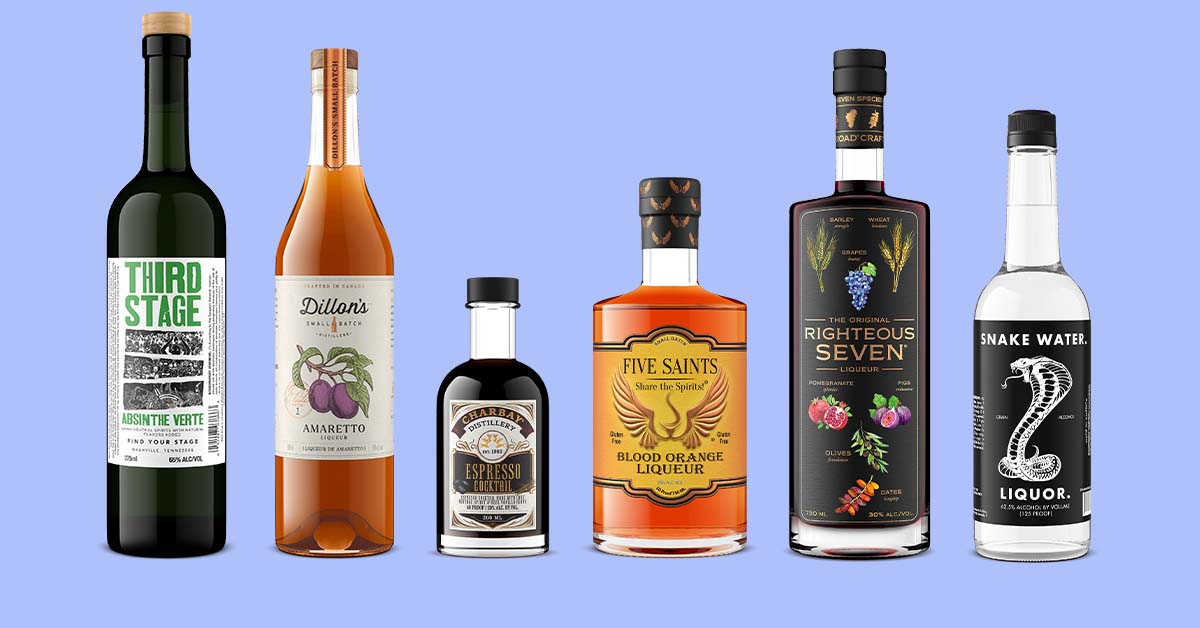
Liqueurs, the spirit world's colorful and flavorful creations, have long been beloved for their complexity and unique profiles. From the herbal punch of Absinthe to the sweet richness of Amaretto, liqueurs represent a diverse range of flavors that appeal to a wide variety of palates. The category is changing quickly. Consumer preferences are shifting, production methods are evolving, and new tools are reshaping the way these spirits are created, marketed, and consumed.
This guide takes a close look at the liqueur landscape, offering insights into the latest trends and strategies for branding and packaging. Whether you are an established brand or a new entrant in the market, understanding these developments is key to standing out in a crowded category.
The size of the prize is real but not growing. The Distilled Spirits Council's 2025 briefing put US cordials and liqueurs supplier revenue at $2.7 billion, down 3.2%, on 19.5 million nine-liter cases, down 2.7%. In a flat category, the brands taking share are the ones giving a shopper a new reason to pick the bottle up.
The revival of classic liqueurs with a modern twist
The timeless appeal of liqueurs like Absinthe, Amaretto, grappa, and eau de vie is being revitalized. Consumers are rediscovering the complexity and craftsmanship behind these spirits, with a growing appreciation for heritage and tradition. Modern brands are infusing these classic drinks with fresh ideas.
- Herbal & botanical fusion: Expect more liqueur brands to embrace herbal and botanical infusions. Absinthe, for example, is experiencing a resurgence, but with updated flavor profiles, incorporating contemporary botanicals such as lavender, rosemary, and citrus for a more modern, accessible taste.
- Old recipes, new methods: Classic liqueurs like Amaretto and Amaro are being reimagined with new ingredients, new methods of aging, and creative blends of flavors. This blend of the old and new gives liqueurs a fresh appeal while maintaining their heritage.
- Craftsmanship and authenticity: Consumers continue to seek authenticity in their spirits, and liqueur makers are responding by emphasizing artisanal craftsmanship, locally sourced ingredients, and small-batch production.

Flavors beyond the ordinary: fruit, honey, and spice
Liqueurs have always been known for their unique, often fruity or sweet profiles. The flavor possibilities are expanding, with fruit liqueurs, honey infusions, and spiced concoctions taking center stage.
- Fruit liqueurs evolving: Expect to see more exotic fruits like dragonfruit, lychee, and passion fruit making their way into fruit-based liqueurs. These fruits, paired with the sweet base of the liqueur, create vibrant, refreshing options that appeal to adventurous drinkers.
- Honey liqueurs gaining popularity: Honey-based liqueurs, such as mead or honey-infused eau de vie, are becoming more mainstream as consumers lean into natural and sustainable ingredients. Expect this category to grow as honey's rich, smooth sweetness is paired with bold flavor combinations.
- Spiced & infused liqueurs: Liqueurs infused with spices such as cinnamon, clove, or saffron are creating more depth and intrigue in the market. Consumers are also embracing spicy liqueurs, like those flavored with chili or black pepper, that offer an adventurous drinking experience.

Health-conscious liqueurs: the rise of low-alcohol and functional spirits
As consumers continue to seek healthier lifestyles, there is a noticeable shift toward low-alcohol and functional beverages. The demand for alcohol-free or low-alcohol liqueurs is rising, especially as consumers look for options that allow them to enjoy their drinks without sacrificing wellness goals.
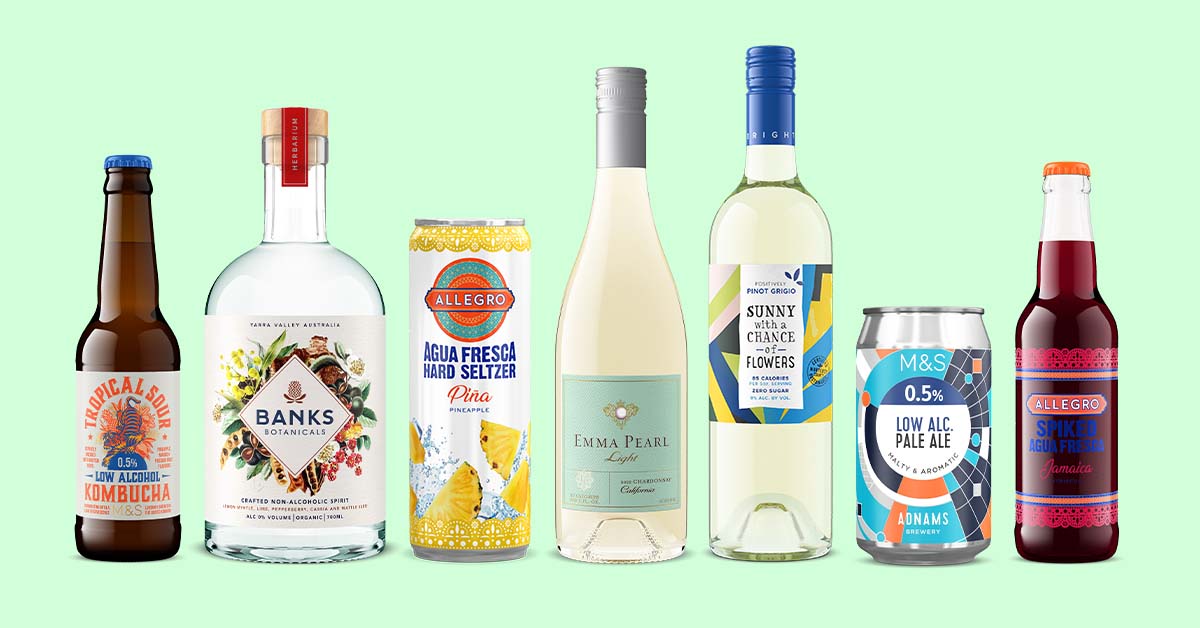
- Low-alcohol & non-alcoholic liqueurs: Expect to see more brands offering low-alcohol or non-alcoholic versions of classic liqueurs. These spirits maintain the depth of flavor and complexity of traditional liqueurs but with less alcohol content, catering to mindful drinkers and those looking for lighter options.
- Functional ingredients: The use of adaptogens, herbs, and botanicals known for their calming or energizing properties will continue to rise in the liqueur category. Liqueurs made with functional ingredients like CBD, turmeric, or ginger offer a new dimension to the category, appealing to consumers who want a cocktail that can also benefit their wellness.
- Clean labeling: Consumers are increasingly looking for spirits with natural ingredients and fewer additives. Clean labeling, where the ingredients list is simple and transparent, will continue to be a priority for liqueur brands aiming to appeal to health-conscious drinkers.

The craft liqueur movement: small-batch, locally sourced, and artisanal products
Much like the craft beer wave of the past decade, the craft liqueur movement is on the rise. More consumers are gravitating toward locally sourced, artisanal spirits that offer a personal touch and tell a compelling story.
- Small-batch production: Expect to see more liqueurs being produced in limited runs, with an emphasis on small-batch craftsmanship. These spirits often have more depth and nuance, with distillers focusing on quality over quantity.
- Locally sourced ingredients: Local sourcing will continue to be a major focus, with many liqueur brands emphasizing the use of regional fruits, herbs, and botanicals. This allows brands to offer unique flavors that are not available in mass-produced liqueurs.
- Collaborations across industries: Look out for collaborations between distillers, local farmers, and even chefs or coffee roasters, resulting in unique liqueurs that incorporate everything from fresh herbs to freshly roasted coffee beans.

The rise of coffee liqueurs: bold, flavorful, and trending
Coffee liqueurs have long been a favorite in cocktails, offering a perfect blend of rich, roasted coffee flavors and sweet, syrupy smoothness. This category is experiencing a surge in popularity, driven by consumers' growing appreciation for craft cocktails and high-quality, flavorful spirits.
- Premium coffee beans: Expect to see coffee liqueurs made with high-quality, single-origin coffee beans, adding a layer of complexity and sophistication to the flavor profile. Brands are increasingly partnering with coffee roasters to offer unique blends that enhance the traditional coffee liqueur experience.
- New flavor pairings: While traditional coffee liqueurs are rich and sweet, new iterations are pushing the boundaries with flavor combinations like salted caramel, vanilla, and even spicy or smoky notes. Expect a rise in new infusions that complement the coffee base and appeal to adventurous drinkers.
- Sustainability: Much like other segments of the spirits industry, coffee liqueur brands are focusing on sustainability, with an emphasis on ethically sourced coffee and eco-friendly packaging. This mirrors the broader consumer trend toward responsible consumption.

Global influences: international liqueur trends
Liqueurs have always been influenced by global cultures and traditions, and the cross-cultural exchanges shaping their flavor and marketing keep multiplying.
What to expect:
- Asian influences: Liqueurs flavored with ingredients popular in Asia (such as lychee, yuzu, matcha, and jasmine) will continue to gain popularity. Brands will continue to experiment with ingredients from countries like Japan, China, and India, infusing these liqueurs with a unique cultural perspective.
- Latin American flavors: Latin American liqueurs, such as Pisco and Cachaca, will continue to gain recognition, offering fresh flavors and unique profiles that appeal to adventurous drinkers. Expect to see more brands from this region gaining international attention.
- Global collaboration: More global collaborations between distilleries from different regions will create new liqueur styles that blend diverse traditions, creating flavors never before seen.
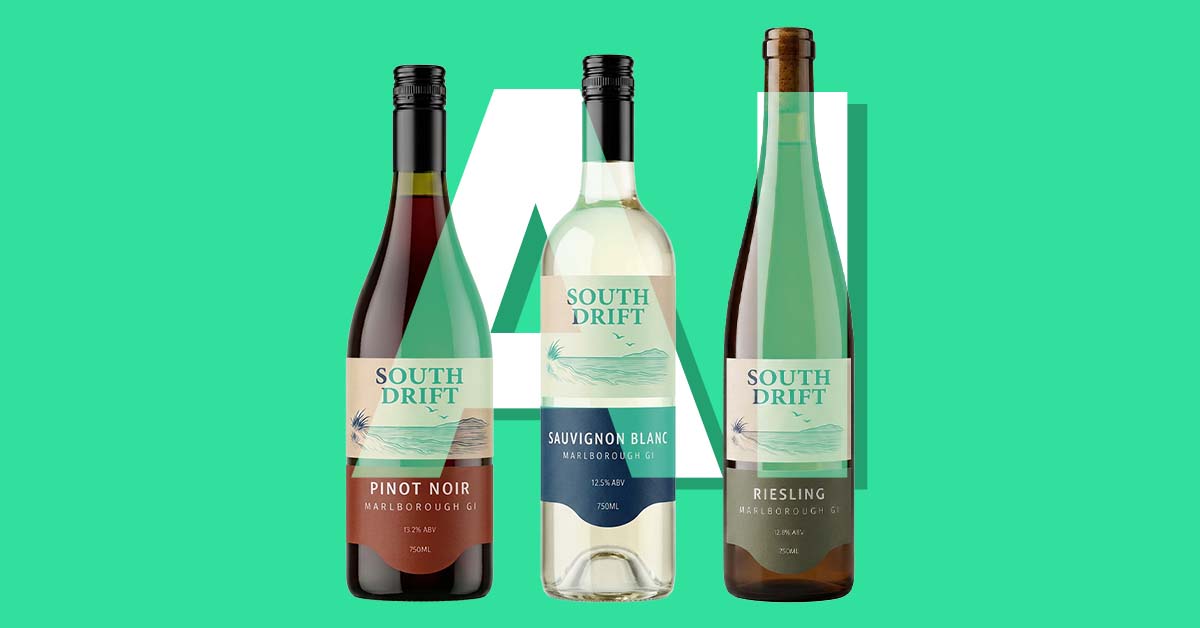
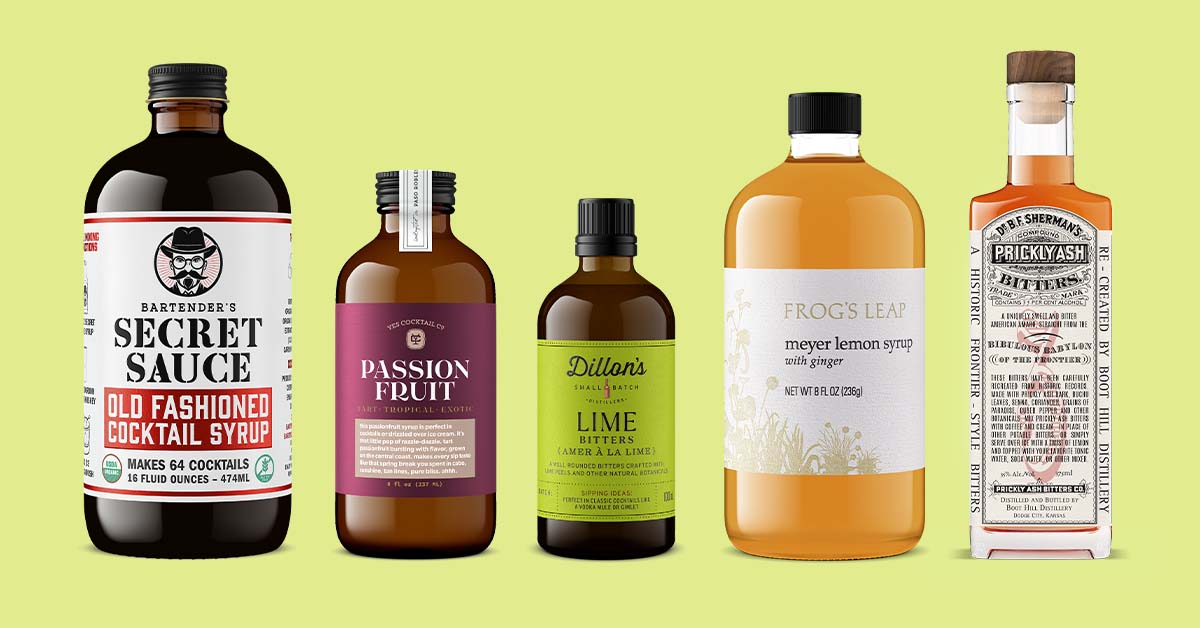
Every one of these shifts eventually reaches a shopper as a picture of a bottle they have never held. Outshinery builds photorealistic 3D renders from a digital twin of your actual liqueur bottle, which is why liqueurs and other complex spirits packaging run through Outshinery Studio.

The future of liqueurs
The liqueur category is poised for change. With a growing focus on sustainability and unique flavors, the industry will continue to evolve, offering consumers an ever-expanding range of choices. Whether it is the rise of low-alcohol liqueurs, the craft movement, or the influence of global flavors, the next few years will redefine what it means to enjoy a liqueur.
For brands, this means more opportunities to stand out and connect with a new generation of consumers who want both tradition and modernity in their drinking experiences.
The bottle is where those consumers meet the brand, on a shelf and, increasingly, on a screen. Getting its image right is part of the work.
For the wider category context, read how distilleries build premium spirits brands. And since so many liqueurs are built on a neutral spirit base, the design lessons in vodka branding and packaging apply directly.
Frequently asked questions
Why is branding important for my liqueur?
Branding creates an emotional connection with your consumers, making your product stand out in a competitive market. A strong, unique identity boosts recognition and drives sales.
How can Outshinery help my liqueur brand?
Outshinery Studio specializes in high-quality, photorealistic imagery that shows the color of the liquid, the finish on the label, and the closure exactly as they will look in hand. A trained 3D artist builds each render from your label files and bottle specification. Outshinery Lite, the self-serve generator, covers wine, cider, and beer in flat-label glass bottles only; liqueurs are Studio work.
What trends are shaping the liqueur industry?
Expect to see a rise in low-alcohol and non-alcoholic liqueurs, new flavors built on exotic fruits and botanicals, and sustainable packaging. Craftsmanship and artisanal production will also continue to be key drivers, inside a US category that the Distilled Spirits Council measured at $2.7 billion in 2025, down 3.2%.
Can Outshinery help with limited edition or seasonal liqueur designs?
Yes. We can create tailored visuals for your special releases or seasonal editions, so they stand out with the same quality as your core range, and a render can exist before the limited run is bottled.
What is the typical turnaround time for receiving my liqueur photos?
Once you submit a complete brief, the first proof arrives in 3 to 5 business days, and revisions take 1 to 2 business days each. Final files land shortly after approval.
How do I get started with Outshinery?
Reach out to us or sign up to begin. We will guide you through each step, from uploading your product details to receiving your visuals.