9 ways beverage brands can put generative AI to work
Nine uses that hold up, and the one product image a generative model should never make.

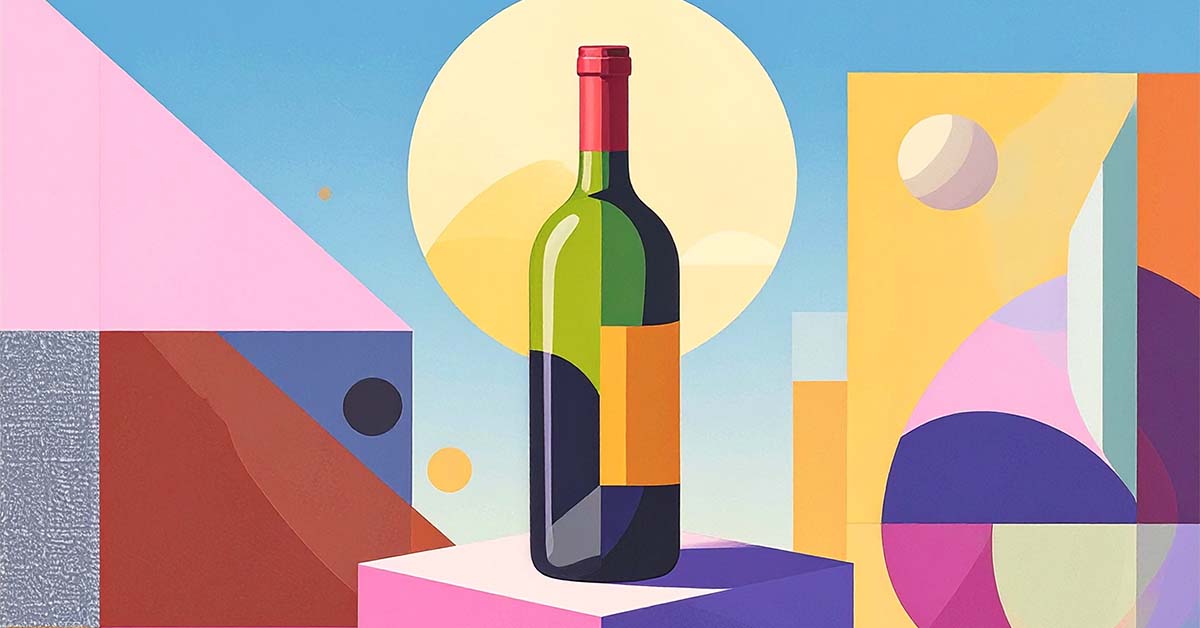
Generative AI is no longer a pilot project in beverage marketing. It writes the first draft of the newsletter, sketches the limited-edition label, and, increasingly, sits between your bottle and the person deciding whether to buy it.
That last part is what changed since this article was first published. Buyers now ask an AI assistant what to drink before they see a search result, and the assistant answers from whatever it can read about your brand.
If you run marketing at a producer and someone has already said "just use AI for that," this is the map. It covers nine ways beverage brands are putting generative AI to work, what the evidence says about each, and the one place a generative tool should not be trusted with your product.
In this article
- Getting found by AI assistants
- Faster concept work for flavors and packaging
- Personalization at scale
- Product finders and service agents
- Demand forecasting and operations
- Quality control with computer vision
- Scoring visuals before they go live
- Campaign content, with a human at the wheel
- Disclosure, bias, and privacy
- Where to start, and which tools
1. Get found by AI assistants
Product discovery is moving into AI chats. Salesforce's 2026 State of Commerce report found that using agentic search as the first step of a purchase grew 200% year over year, while discovery through traditional search fell 15% and through brand-owned properties fell 7% between August 2025 and May 2026.
The traffic that arrives this way is worth more, not less. Adobe Analytics measured AI-referred visits to US retail sites up 393% in the first quarter of 2026, converting 42% better than non-AI traffic by March.
An assistant assembles its answer from what it can read and see: product imagery, metadata, consistent naming, and the story published around the bottle. Adobe's checker found that around 34% of retail product pages cannot be properly accessed by AI models, which is where the work starts.
In practice that means one accurate product image per SKU with descriptive alt text, product descriptions written the way a person asks a question, and the same bottle name everywhere it appears. How generative AI is redefining beverage discovery goes deeper on the mechanics.
2. Faster concept work for flavors and packaging
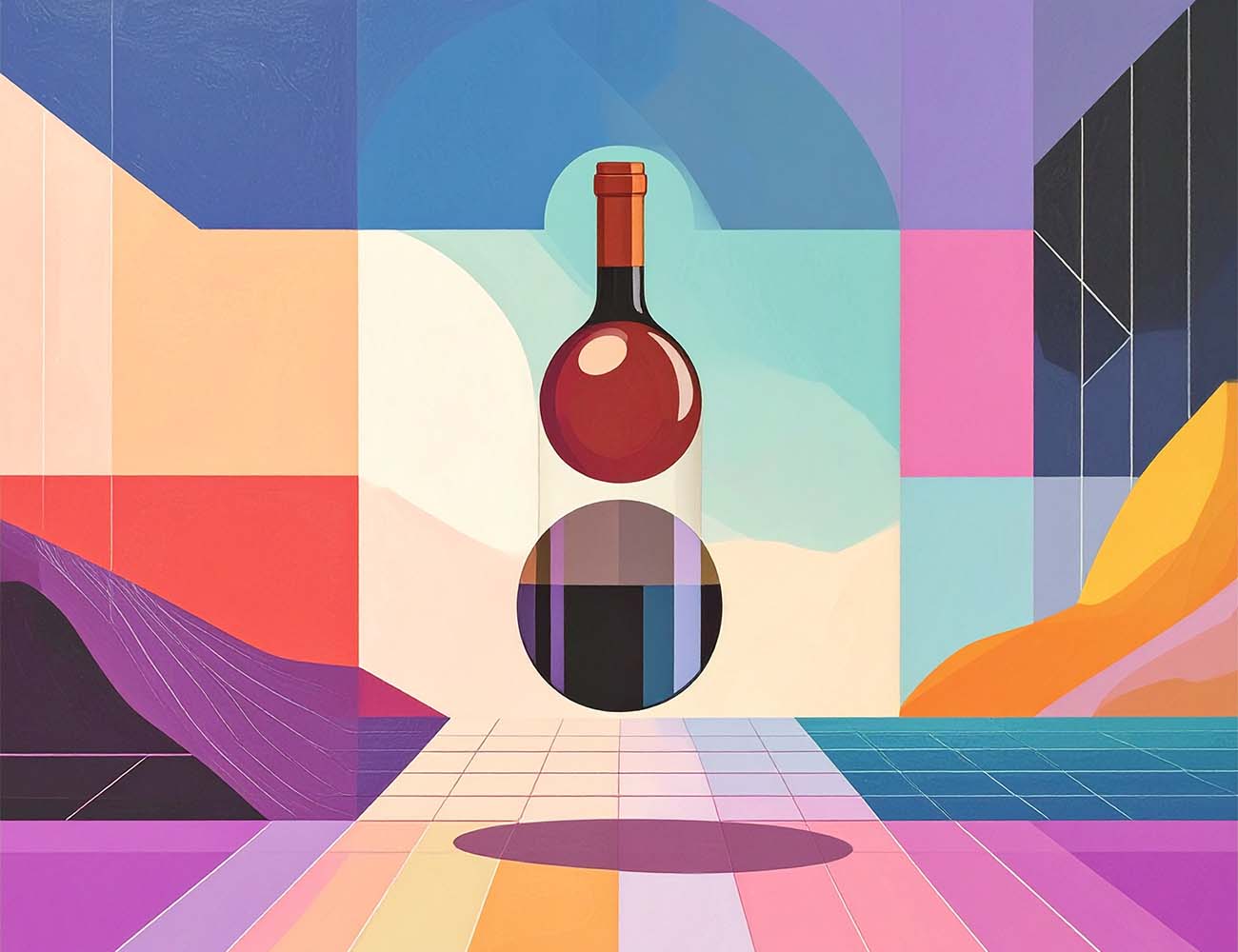
An industrial designer typically needs seven to ten days to develop one high-fidelity beverage concept covering form, flavor, and packaging. McKinsey documented an Asian beverage company that used a text-to-image tool to produce 30 such concepts in a single day, tested them with consumers, and compressed a yearlong process into a month.
This is where generative imagery earns its place: exploration. A model can show you forty directions for a label before lunch, and the ones that feel real get honest feedback in the field.
The limit is just as clear. Those AI-generated bottle concepts are approximations of a product that does not exist yet, which makes them useful for choosing a direction and unusable as the image you sell from.
What it changes
- Speed to decision: Directions get narrowed in days, not design cycles.
- Fewer physical prototypes: Consumer reactions come before anything is printed or molded.
- Wider exploration: Unusual flavor and packaging pairings cost nothing to look at.
3. Personalization at scale
Personalization is where beverage brands see the most direct return. In the 2025 holiday season, Salesforce attributed 20% of retail sales, $262 billion, to AI and agents working through personalized recommendations.
Diageo took the idea onto the bottle itself. Its Project Halo experience at Johnnie Walker Princes Street asked visitors three questions, generated a one-of-a-kind Blue Label design with Scottish artist Scott Naismith, and printed the finished bottle in minutes.
Most brands will start smaller: email and SMS copy that changes with purchase history, club offers timed to a member's own cadence, landing pages that speak to the occasion the visitor arrived from. The data behind it is the POS, CRM, and ecommerce history you already hold.
4. Product finders and service agents
Conversational AI does two jobs on a beverage site. It helps a visitor choose, and it answers the questions that used to land in an inbox.
Diageo's What's Your Whisky selector maps a visitor's flavor preferences from a short quiz and recommends the single malt that fits, and the company has since extended the same profiling to cocktails. Every answer is also preference data the brand did not have before.
On the service side, Salesforce reported that retailers' own AI agents handled 142% more tasks during the 2025 holiday rush than in the two months before, from delivery address changes to return requests. For a winery, the equivalent is shipping windows, club changes, and whether a vintage is still available.
5. Demand forecasting and operations
The least visible AI work is often the most profitable. In McKinsey's 2026 State of AI survey, respondents most often reported cost reductions from AI in supply chain management, service operations, and manufacturing, while revenue gains were most often attributed to marketing and sales.
For a beverage producer that translates into three practical uses: forecasting regional demand for seasonal releases, keeping inventory aligned across warehouses and distributors, and routing deliveries to cut fuel and time. None of it needs a data science team anymore. It needs clean sales data and a tool pointed at it.
6. Quality control with computer vision
On the bottling line, computer vision systems inspect fill level, label alignment, and closure integrity at line speed. They are trained on images of known defects, so they catch the crooked label or the low fill a tired eye misses at the end of a shift.
The payoff is consistency at scale and fewer products pulled after they ship. It is also a reminder that the most valuable AI in a beverage business may never touch a marketing channel.
7. Score your visuals before they go live
Predictive image tools such as Vizit score a product image from 0 to 100 on how likely it is to convert with a specific audience, before it goes live. Brands use them to compare bottle angles, backgrounds, and lifestyle contexts across a catalog without running a live test on every listing.
The prerequisite is an accurate image to score. A predictive tool can tell you which of three hero shots will perform, but only if all three show the bottle you actually sell.
8. Campaign content, with a human at the wheel
Generative video and image tools now produce social clips, seasonal variants, and localized versions of a campaign at a pace no production schedule could match. Coca-Cola's 2025 holiday campaign included two AI-driven reimaginings of its 1995 "Holidays Are Coming" spot, made with studios Secret Level and Silverside AI, with music performed by real artists and creative direction kept, in the company's words, human-led.
The reception was mixed, which is the lesson. Audiences accept AI in execution when the idea, the direction, and the product are unmistakably the brand's own. Coca-Cola said it was "very conscious this year about placing the product at the heart of the creative."
That is the line beverage brands should draw for themselves. Generative AI can build the scene. It should not redraw the product.
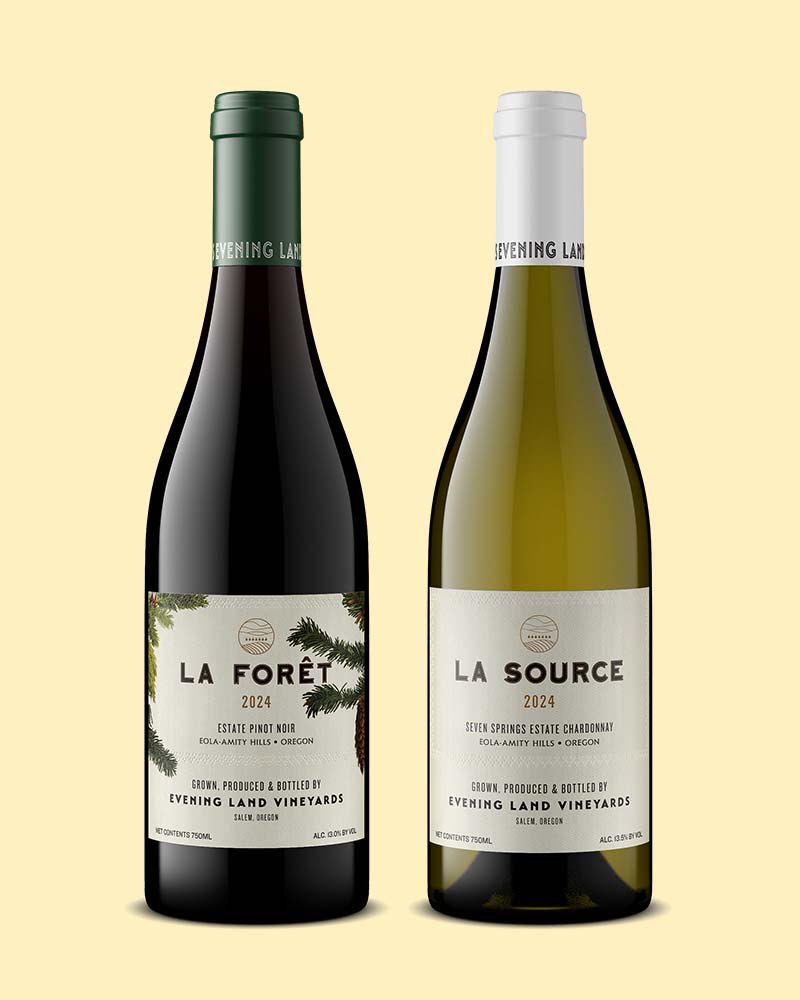
A generative model does not hold your bottle as a fixed asset. It redraws the bottle every time it generates a frame, so the shape drifts, the fill line moves, and the label text breaks quietly. An appellation you never wrote, or an ABV off by a point, looks plausible enough to reach a buyer's screen.
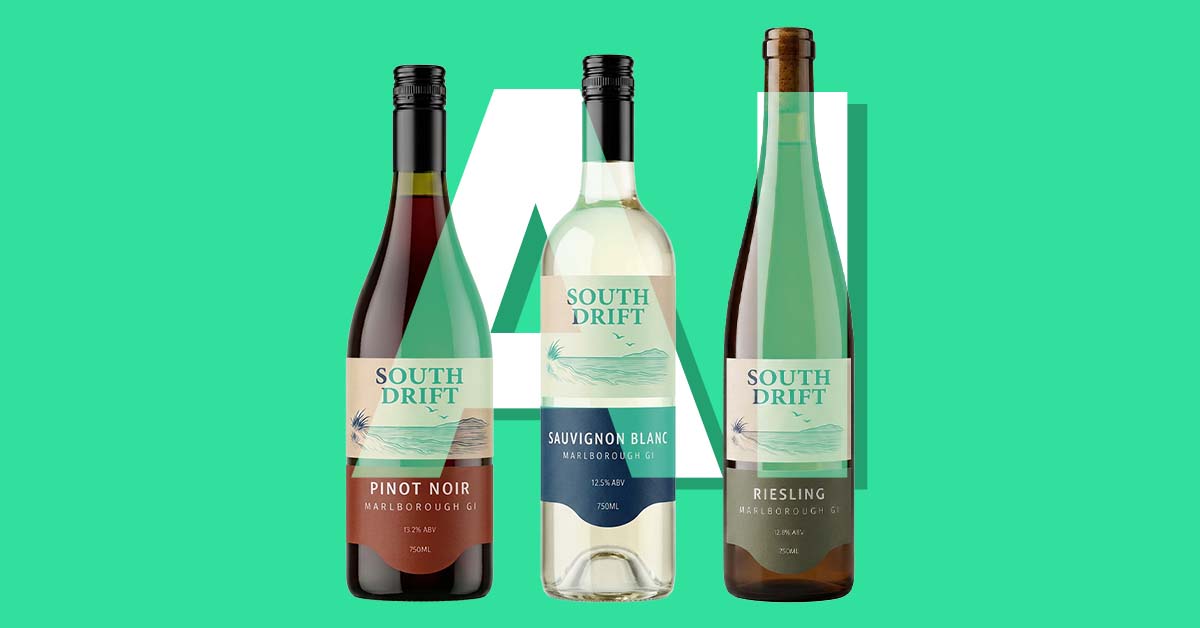
Product fidelity, meaning the image shows your actual product with your actual label, comes by construction, not correction: place the print-ready label file on a verified container model and there is nothing to hallucinate. Generative AI versus a rendered digital twin shows the difference side by side.
9. Disclosure, bias, and privacy
The rules caught up in 2026. The EU AI Act's Article 50 transparency obligations have applied since August 2, 2026: providers and deployers of systems that generate synthetic images, audio, video, or text must mark those outputs in a machine-readable form, deployers must disclose deepfakes that depict real people, places, or events, and fines run up to €15 million or 3% of worldwide turnover.
New York's synthetic performer disclosure law took effect June 9, 2026, covering ads that feature AI-generated human performers. The UK, Australia, and Canada apply existing misleading-advertising rules to AI imagery rather than dedicated laws.
Bias is a quieter risk. A 2025 study of 1,700 finance marketing slogans generated by ChatGPT found the messaging shifted by demographic, with women, younger people, and lower-income groups receiving distinctly different themes from older, higher-income audiences.
Three safeguards cover most of it: disclose AI use in campaign material, review generated copy and imagery for bias before it ships, and keep consumer data inside GDPR and CCPA rules when it feeds personalization. CGI vs AI: what beverage brands must disclose maps the rules by jurisdiction.
Where to start
- Pilot one low-risk use: Social copy, email drafts, or label concept exploration. Measure it before adding a second.
- Fix product content first: One accurate image per SKU, descriptive alt text, and consistent naming across every listing, so AI assistants can read you.
- Connect the data: POS, CRM, and ecommerce history is what personalization runs on.
- Write the rules down: Where AI is allowed, where it is disclosed, and where a person signs off.
- Track three numbers: Conversion rate, time to market, and cost per asset, so the case for expanding is real.
Tools beverage marketers can start with
None of these need a technical team or a large budget.
- ChatGPT, Claude, and Gemini: Product naming, promotional copy, first drafts, and research summaries.
- Midjourney and Adobe Firefly: Mood boards, campaign concepts, and packaging directions to react to.
- Canva: On-brand social posts and sell sheets with AI text and layout help built in.
- Synthesia: Presenter-led video for launches and tasting notes without a crew.
- Vizit: Predictive scoring of product images before they go live.
- Perplexity: Cited research on categories, competitors, and regulations.
The one image AI should not make
Every use above gets stronger when the product at the center of it is accurate. That is the one job Outshinery does not hand to a generative model.
Outshinery Studio is the human-crafted path. A trained 3D artist builds your packaging from the supplier spec and the print-ready label file, so the bottle, can, or bag-in-box in every campaign asset is your product, down to the fill line and the foil, ready before your wine even exists. Free updates cover vintage and color changes.
Outshinery Lite is the self-serve path for standard wine, cider, and beer bottles. Upload a label, pick a container shape and closure from the container library, and a photorealistic bottle shot arrives within about an hour, without a photoshoot.
Either way, the image is a render of the actual product, not an approximation, which is what an AI assistant, a retailer, and a regulator all need it to be.
Frequently asked questions
How are beverage brands using generative AI?
The nine most common uses are AI-assistant discovery, packaging and flavor concept exploration, personalized offers, product finders and service agents, demand forecasting, computer-vision quality control, predictive image scoring, campaign content, and compliance work around disclosure and bias. Most brands start with copy and concept exploration and add the rest as their data and rules mature.
How fast can generative AI produce packaging concepts?
An industrial designer typically spends seven to ten days on one high-fidelity beverage concept. McKinsey documented a beverage company producing 30 such concepts in a single day with a text-to-image tool, then testing them with consumers. Those concepts are for choosing a direction, not for use as final product images.
Can I use AI-generated bottle shots on my website?
For mood and lifestyle scenes, yes. For the product image on a listing, no. A generative model redraws the bottle each time, so the shape, fill line, and label text drift from the real product, and under the EU AI Act's Article 50 rules synthetic imagery must be marked as such.
A render built from your label file and a verified container model shows the actual product and needs no disclosure.
Do beverage brands have to disclose AI-generated marketing?
In the EU, yes, since August 2, 2026: synthetic images, video, audio, and text must carry a machine-readable marking, and deepfakes of real people, places, or events must be disclosed. New York has required disclosure of AI-generated human performers in ads since June 9, 2026.
The UK, Australia, and Canada apply existing misleading-advertising rules. This is not legal advice; check your active markets with counsel.
Which AI tools should a beverage marketer try first?
Start with a writing assistant (ChatGPT, Claude, or Gemini) for copy and research, and an image tool (Midjourney or Adobe Firefly) for concept exploration. Add Canva for on-brand social assets and Synthesia for presenter video. Pilot one, measure conversion, time to market, and cost per asset, then expand.
The generative AI pilot checklist
- Use case: One low-risk task named in writing, such as social copy or label concept exploration, not "AI for marketing"
- Product content: One accurate image per SKU, descriptive alt text, and the same product name on every listing
- Data: POS, CRM, and ecommerce history connected before any personalization runs
- Boundary: Generative tools build scenes and drafts; the product image itself comes from your label file and a verified container model
- Disclosure: AI use marked where the EU AI Act, New York, or a retailer's listing rules require it
- Sign-off: A named person reviews generated copy and imagery for bias and accuracy before it ships
- Metrics: Conversion rate, time to market, and cost per asset tracked from day one
A pilot with a boundary and a number attached is the one that gets budget next year.