Brandy branding and packaging: how heritage earns its price
Cognac, Armagnac, Calvados, and craft brandy: the packaging decisions that hold a premium price while the category contracts

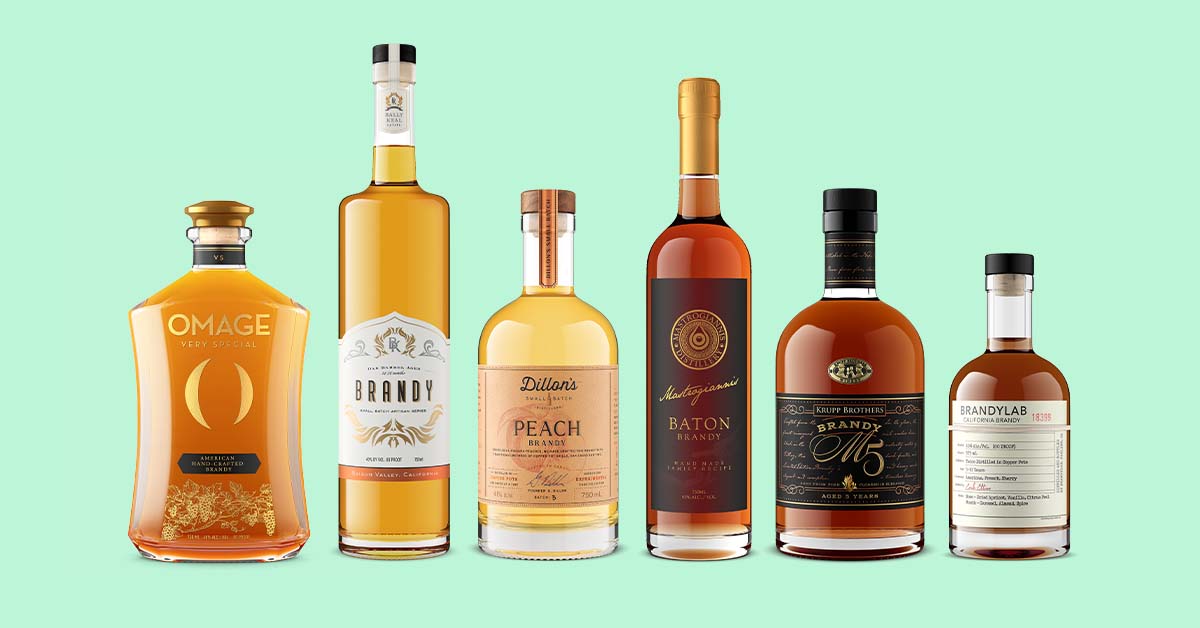
Brandy carries more history on its label than any other spirit, and right now that history is being asked to do more work than ever.
The category is contracting. Cognac, the name that anchors it, shipped fewer bottles in 2025 than in any recent year. And the price a bottle of brandy can command still depends almost entirely on what the packaging tells a buyer before the cork comes out.
This guide covers the brandy market as it stands, the packaging decisions that separate the bottles holding their price from the ones sliding into the value tier, and how to get the imagery a spirit like this needs on every shelf it sells from.
What counts as brandy
Brandy is a spirit distilled from wine or fermented fruit, usually aged in oak. That definition covers a wide family, and the packaging conventions differ inside it.
Cognac comes from the delimited region around the town of Cognac and is double distilled in copper pot stills. Armagnac, from Gascony, is mostly single distilled in a column still and reads rustic and earthy next to Cognac's polish. Calvados is apple brandy from Normandy.
American, Spanish, South African, Greek, and Australian brandies each carry their own cues, and the craft producers among them are often the ones taking the most risks with the bottle.

The brandy market in 2026
The numbers are not kind. The Distilled Spirits Council's 2025 economic briefing put US brandy and Cognac supplier revenue at $1.96 billion, down 8.3% for the year, with volume down 6.5% to 10.9 million nine-liter cases. That is the steepest revenue decline of any major spirits category in the report.
Cognac had a harder year still. The Bureau National Interprofessionnel du Cognac reported global shipments down 15.1% to 141 million bottles in 2025, with value down 25.3% to 2.24 billion euros. Shipments to the US, Canada, and Mexico fell 19.4% in volume and 34% in value after tariffs and an unfavorable exchange rate pushed US shelf prices up by around 30%.
Two things follow for anyone putting a brandy on the market. First, the value tier is where most of the volume sits: 6.4 million of those 10.9 million US cases sold at supplier prices under $75 a case. Second, super-premium brandy lost volume too, down 3.5%, so a high price is no longer a safe harbor on its own.
The bottles that hold their price in a market like this are the ones whose packaging makes the case without a sales rep standing next to them.

Packaging decisions that hold a premium price
Print the proof of heritage, not just the claim
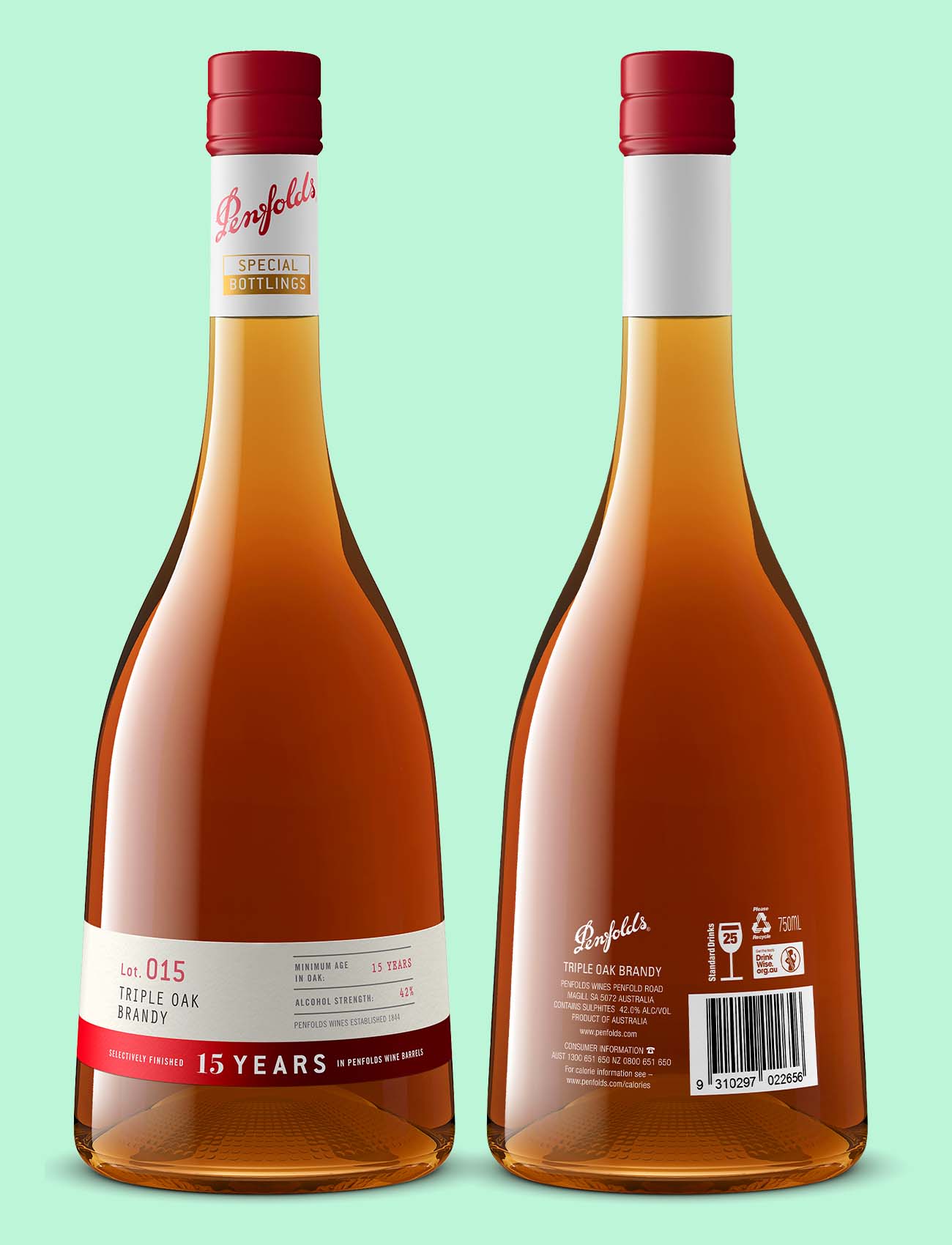
Every brandy label says something about tradition. The ones that justify a premium print the evidence: age statement, cask type, lot number, year of distillation, the name of the cellar master.
That detail does two jobs. It gives a buyer who knows the category something to evaluate, and it gives a buyer who does not a reason to believe the price.
Craft vocabulary, used with restraint
Brandy leans on words like handcrafted, small batch, and single cask more heavily than any other spirit. They still work, but only when the rest of the label backs them up. A small-batch claim next to a stock mold and a generic capsule reads as a template.
Pick the two or three terms that are literally true of your process and let the typography and paper stock carry the rest.

Restraint reads as confidence
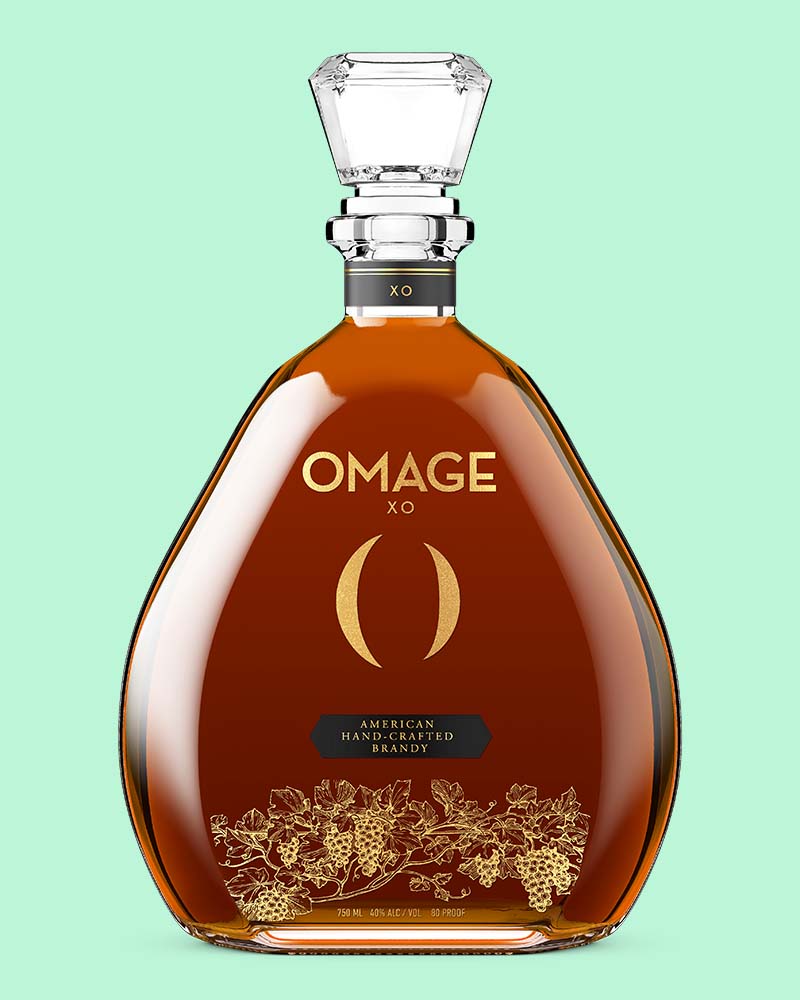
At the top of the category, less is more. A bespoke mold, a weighted bartop cork, a single foil or metallic ink, and plenty of empty label space signal that the liquid does not need help.
The trap is adding one more finish. Foil plus emboss plus varnish plus a wax dip starts to look like a gift set, and the buyer reads it as one.

Lighter glass and honest sustainability claims
Heavy decanters were the brandy default for decades. They are now a cost line, a shipping liability, and increasingly a question at the register.
The move is a lighter mold that keeps its shoulders and its presence, recycled content stated as a number, and a closure that separates for recycling. Print what you actually did, not a leaf icon.

Where the bottle gets judged now
A brandy buyer in 2026 usually meets the bottle on a screen first: a retailer's product page, a distributor's sell sheet, a search result, or an AI assistant's shortlist. The heritage cues that work at arm's length in a shop have to survive at 300 pixels wide.
That means a clean, consistent bottle shot for every SKU and every format, with the label legible and the liquid color accurate. A 15-year Armagnac and a VS Cognac are different shades of amber, and a buyer who knows brandy notices.
Outshinery Studio builds these images from your label files and bottle specifications. A trained 3D artist places the label on a model of your actual mold, matches the liquid color, and renders the foil, deboss, and bartop cork as they will print, so the image exists before the first production run and never needs a reshoot when a lot number changes.
Brandy is Studio work throughout. Decanter molds, wax dips, and metallic finishes sit outside what a self-serve tool can handle, and spirits product photography covers what a Studio render includes.
The bottle carries the heritage
Brandy's advantage is a story most spirits would pay for: regions, ages, cellar masters, and a century or two of provenance. Its problem in 2026 is that the story only sells when the packaging makes it legible, on a shelf and on a screen.
In a shrinking category, that legibility is the difference between a bottle that holds $60 and one that drifts to the value tier.

Frequently asked questions
What is the difference between brandy, Cognac, and Armagnac?
Brandy is any spirit distilled from wine or fermented fruit. Cognac is a brandy made in the Cognac region of France, double distilled in copper pot stills and aged in French oak. Armagnac is a brandy from Gascony, usually single distilled in a column still, which gives it a fuller, earthier profile. Calvados is apple brandy from Normandy.
Is the brandy market growing or shrinking?
Shrinking, for now. US brandy and Cognac supplier revenue fell 8.3% in 2025 to $1.96 billion, according to the Distilled Spirits Council, and global Cognac shipments fell 15.1% to 141 million bottles, according to the BNIC. Craft and regional brandies are the bright spot, but they are small.
What should a brandy label include to justify a premium price?
An age statement or blend age, the cask type, a lot or batch number, the region or distillery, and the ABV in a legible size. Buyers who know brandy check these before the price. Buyers who do not read them as proof that the price is earned.
What packaging trends matter for brandy in 2026?
Lighter glass in place of heavy decanters, smaller 350 ml and 500 ml formats for first-time buyers, restrained finishes (one foil or metallic accent rather than four), and sustainability claims stated as numbers. Heritage cues still matter, but they now have to read on a phone screen as well as a shelf.
How do I get bottle shots for a brandy without a photoshoot?
Send Outshinery Studio your print-ready label files and the bottle specification. A trained 3D artist builds the render from a model of your mold, including the bartop cork, foil, and liquid color, so the image is ready before the bottle exists and stays identical across every retailer listing.
Does Outshinery Lite make brandy bottle shots?
No. Outshinery Lite is a self-serve generator for wine, cider, and beer in flat-label glass bottles, at $29 an image. It does not cover cans, spirits, or specialty finishes. Brandy, Cognac, and Armagnac are Studio work.
Keep reading
To see how brandy fits the wider premiumization picture, read how distilleries build premium spirits brands. And because so many classic liqueurs are built on a brandy base, the design story continues in the evolution of liqueurs.
The brandy packaging brief checklist
- Bottle mold: The exact decanter or spirits mold and its manufacturer, with the spec sheet for any bespoke shape
- Closure: Bartop cork, stopper, or screw cap, plus capsule material and any wax dip
- Label files: The print-ready vector files sent to your printer, front and back, not a JPEG or a phone photo
- Print finishes: Foil, emboss, deboss, varnish, and metallic ink called out one by one
- Liquid color: A reference photo or hex value, because a VS and a 15-year read as different ambers in clear glass
- Formats: Every size you sell, 350 ml through 750 ml, each needing its own render
- Listing specs: The resolution and background every retailer, distributor, and marketplace requires
One complete brief means the render matches the bottle on the first pass, not the third.