Enhancing vermouth and aperitif liqueurs branding: modern design ideas
Strategies for enhancing the branding of liquors in a booming market segment


In the growing vermouth and aperitif liqueurs market, standing out is crucial. These fortified and botanical drinks, less known than traditional spirits like vodka or whiskey, offer a blend of herbs and citrus that makes them ideal for sipping before a meal. Success hinges not just on taste, but on the visual allure of your product.
This piece examines modern branding and design strategies to make your liquor brand a visual standout, enticing consumers to choose it repeatedly. Discover how to turn your vermouth or aperitif liqueur into a visual and taste experience that drives sales.
The vermouth and aperitif market in 2026
The aperitivo occasion is doing the work
The pre-dinner drink is the occasion holding up in a soft alcohol market. IWSR reports that premium-priced bitters and spirit aperitifs in the United States grew at an 18% compound annual rate between 2018 and 2023, with 19% a year forecast through 2028. The same analysis notes that after-dinner categories, including fortified wine as a whole, are falling.
The lesson for a vermouth or aperitif brand is to sell the occasion, not the category. A label that says spritz, aperitivo, and 5 p.m. is selling into the trend. A label that says fortified wine is selling into the decline.

Industry growth drivers
The industry's growth is anticipated to be fueled by several factors:
- Increasing demand for low-alcohol beverages
- Emphasis on healthier lifestyle choices
- Preference for natural, herb-based flavors
These elements are contributing to a resurgence in the market, with consumers gravitating towards products offering unique taste profiles and a sense of elegance.
Consumer preferences and sales outlook
The vermouth and aperitif liqueurs sector is expected to continue its positive sales trajectory, supported by evolving consumer tastes, a commitment to quality and sustainability, and the industry's agility in adapting to market changes. Looking ahead, the industry's dynamics will be significantly influenced by a consumer shift towards authenticity, distinct experiences, and healthier options. Trends likely to dominate include:
- Craft-made liqueurs
- Artisanal vermouth
- Exotic-infused spirits
- Premium-plus light aperitifs at 15% to 22% ABV, built for the spritz

The revival of vermouth...
The resurgence of vermouth ties to a rising interest in botanicals, lower-alcohol drinks, and a demand for unique, lower-abv products. The category now includes a wide array of countries, grape types, and botanicals, with new vermouths from Germany, the US, Australia, the UK, Spain, France, and Italy gaining fame.
The low-alcohol trend has significantly contributed to vermouth's comeback, with people looking for lighter options and experimenting with low-abv beverages. Bartenders and mixologists have picked up on this, promoting vermouth and similar products, sparking renewed interest.
This revival extends beyond bars to retail, as consumers increasingly enjoy vermouth as an aperitif or cocktail mixer, and producers keep launching modern products to meet changing tastes.

... and the broader resurgence of aperitif liqueurs
Aperitifs like the classic Italian Italicus Rosolio di Bergamotto are regaining popularity. The global interest in aperitivo culture is growing, with a trend towards low-alcohol, bitter drinks before meals.
The trend towards low-alcohol, bitter drinks is driving the vermouth market's growth, as consumers look for natural, herb-based flavors or new twists on classics like gin and whisky. Vermouth is gaining recognition across Europe for its appetite-stimulating properties, improving the dining experience.
Overall, the aperitif liqueurs market is experiencing a revival, with vermouth, Italicus, pastis, and Aperol becoming more popular. This movement towards low-alcohol, bitter drinks and the embrace of aperitivo culture is driving the growth of the vermouth market and reshaping aperitif liqueurs.

Key elements in vermouth and aperitifs branding and packaging design
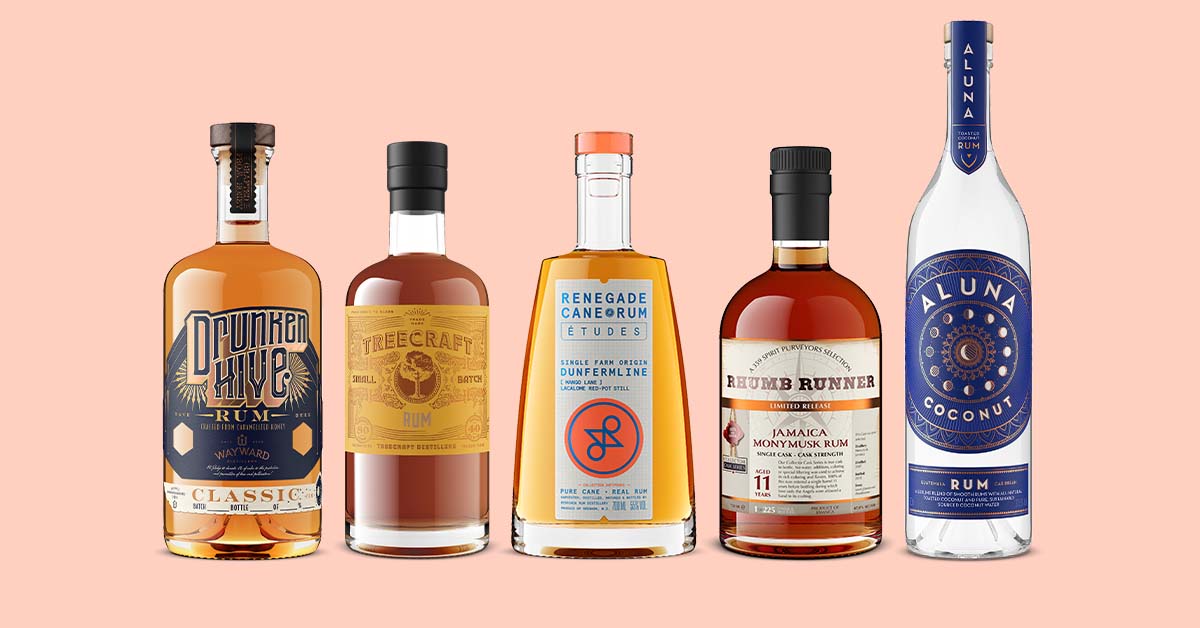
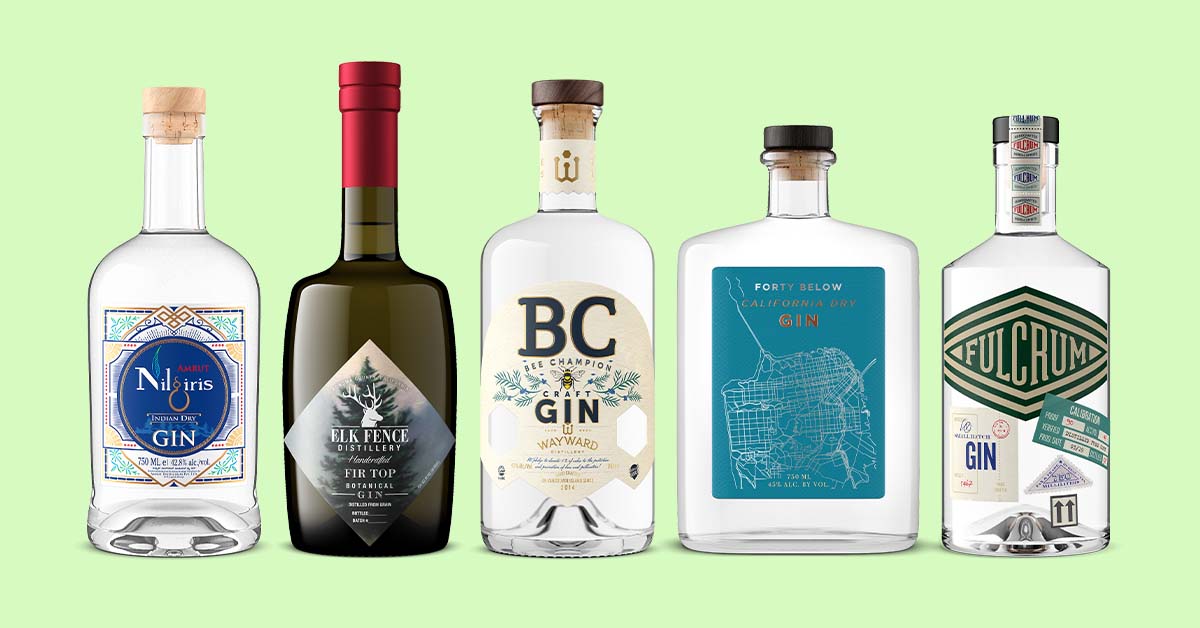
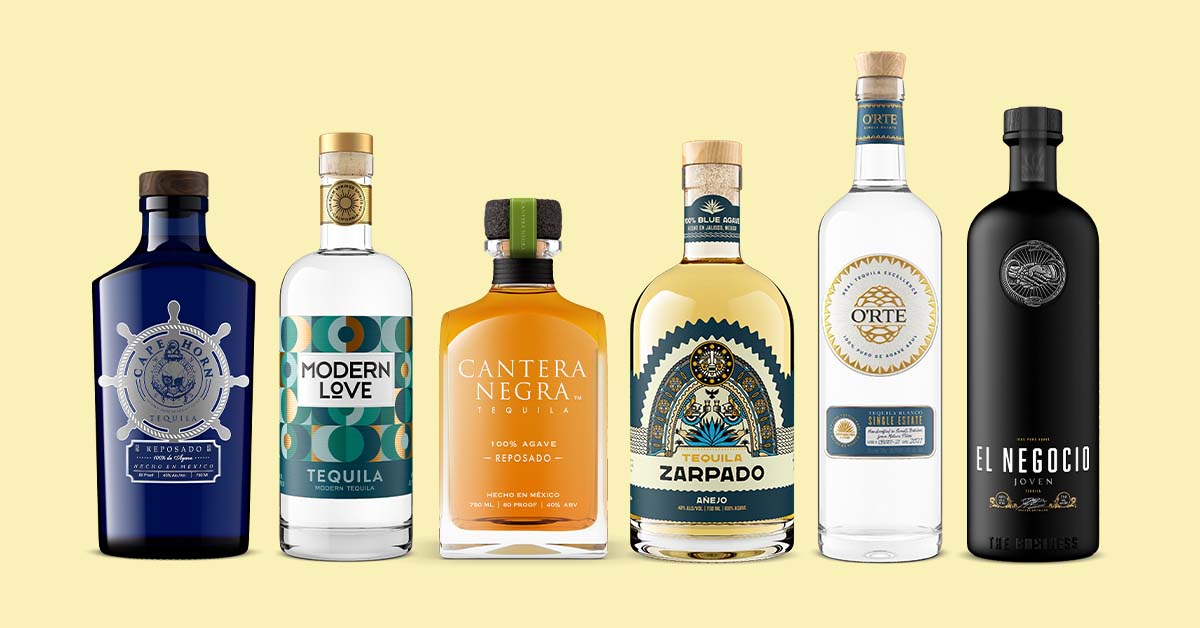
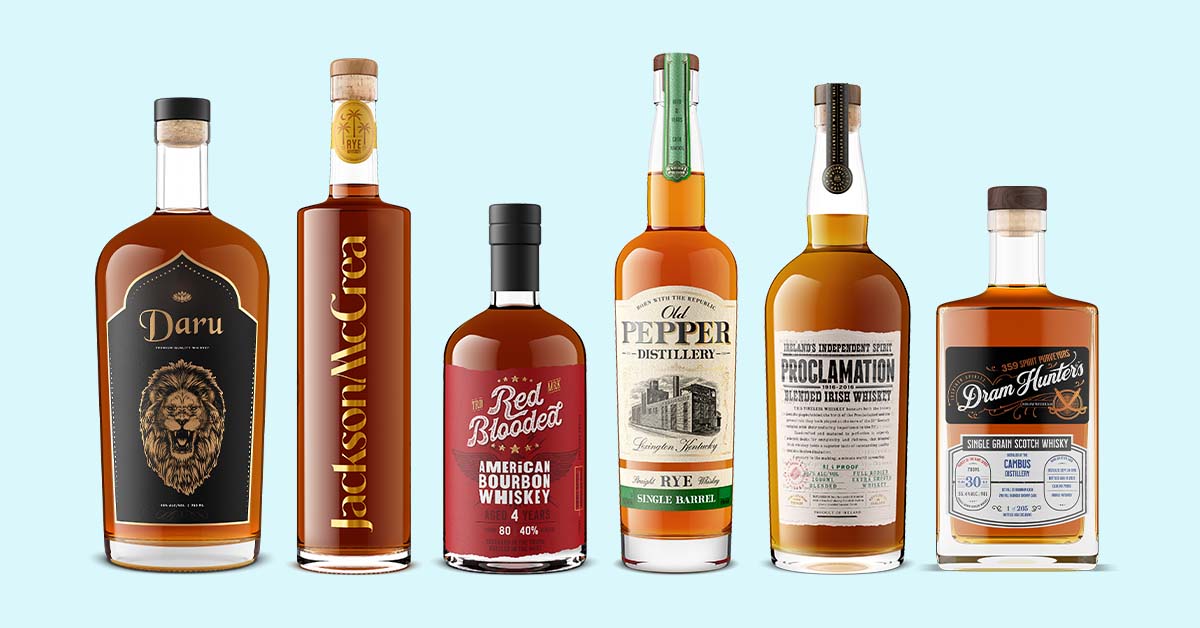
Packaging for vermouth and aperitif liqueur brands is much more than a mere container; it's a key medium for storytelling, engaging consumers, and creating memorable impressions. This method strengthens packaging as a crucial point of interaction with the audience, enhancing the brand experience significantly.
Heritage and history + Sustainability and craftsmanship
The packaging of vermouth and aperitif liqueurs often mirrors the rich heritage and history of the products. Such designs showcase unique typography, graphics, and color schemes that articulate the brand's legacy.
Compared to other alcoholic beverages, these liqueurs place a heightened emphasis on sustainability, emphasizing eco-friendly production processes and materials. They also celebrate craftsmanship, with meticulous attention to detail and a dedication to the art of distillation and blending. Additionally, "secret recipes," passed down through generations or developed through years of experimentation, play a central role in their branding.
These trends not only encapsulate the essence of vermouth and aperitif liqueurs but also appeal to a niche market of consumers who value these distinctive qualities, seeking out drinks that offer a unique taste experience rooted in tradition.

Breaking new ground
The sector is seeing a wave of new launches, offering ample opportunities for brands to narrate their stories, highlight artisanal values, and celebrate the pleasure of these tasteful beverages. This wave of creativity marks a promising future for the branding and packaging of vermouth and aperitif liqueurs, inviting brands to forge deeper connections with their consumers.

Final thoughts on vermouth and aperitif liqueurs design
The optimism surrounding the future of vermouth and aperitif liqueurs is justified, as the sector is poised for renewal, blending rich traditions with modern design and prioritizing sustainability, customization, and excellence. Brands are cleverly weaving the art of formulation with narrative-driven packaging, crafting an experience that resonates with aficionados and novices alike. This method emphasizes the importance of herbal choices and tactile packaging, showcasing the industry's commitment to quality and consumer interaction.
The outlook for vermouth and aperitif liqueur branding heralds a renaissance of creativity, eco-friendliness, and connectivity, ensuring that these drinks remain celebrated choices for generations to come. Brands that respect their roots while focusing on a holistic consumer experience are poised for success.
Where the bottle gets judged has changed too: a retailer's product page, a bar's ordering platform, a search result. Outshinery Studio builds that image from your label file and bottle specification, with the tinted liquid, the foil, and the bartop cork rendered by a trained 3D artist before the first run. Outshinery Lite covers wine, cider, and beer in flat-label glass bottles only; vermouth and aperitif liqueurs, with their specialty closures, finishes, and colored liquids, are Studio work.

Frequently Asked Questions (FAQ)
What sets vermouth and aperitif liqueur packaging apart from other spirits?
The packaging of vermouth and aperitif liqueurs often mirrors the intricate blend of herbs and the artisanal crafting process. Designers utilize imaginative visuals, tactile elements, and unique forms to convey the brand's storyline, transforming each bottle into a work of art that communicates the beverage's heritage and finesse.
How significant is sustainability in vermouth and aperitif liqueur packaging?
Sustainability plays a crucial role in the design of vermouth and aperitif liqueur packaging. Progressive brands employ eco-friendly materials and methods, acknowledging that consumers appreciate mindful environmental decisions. This dedication not only attracts a wider audience but also contributes to global sustainability efforts.
Does packaging affect the taste perception of vermouth and aperitif liqueurs?
Indeed, the packaging can greatly influence a consumer's taste perception and enjoyment, even though it doesn't alter the physical flavor characteristics. Sophisticated and thought-out packaging can heighten anticipation and the tasting experience, positioning the vermouth or aperitif liqueur as more premium or distinct.
What are the current trends in vermouth and aperitif liqueur packaging design?
Trends in packaging design include bold, narrative-driven aesthetics, interactive elements like QR codes for immersive digital experiences, and a pronounced focus on sustainability. These trends reflect a shift towards packaging that engages, educates, and deeply connects with consumers.
How do brands blend tradition and innovation in vermouth and aperitif liqueur packaging?
Vermouth and aperitif liqueur brands balance their heritage with modern design cues and technologies to capture market attention. This mix of the old and the new is crucial for appealing to traditionalists and those seeking novelty, emphasizing both creativity and sustainability.
What role does packaging play in the gifting of vermouth and aperitif liqueurs?
The right packaging transforms vermouth and aperitif liqueurs into memorable gifts, evoking elegance and exclusivity. It's not just the beverage but the act of giving and receiving something truly special that counts, with beautiful design strengthening the entire gifting experience.
Best practices for photographing vermouth and aperitif liqueur bottles?
Photographing vermouth and aperitif liqueur bottles demands attention to detail and lighting to highlight their unique characteristics, focusing on clarity, color, and intricate design.
Outshinery excels in crafting perfect, digital imagery and animations for brands, providing customized visuals that convey each brand's story through advanced digital techniques. This digital-first approach overcomes the logistical hurdles of traditional photography, offering limitless creative possibilities and smoothly integrating with marketing efforts.
Keep reading
Vermouth sits at the edge of the wider spirits shelf, so it helps to see the whole picture in how distilleries build premium spirits brands. And for the bar-cart neighbors that share vermouth's bitter, botanical territory, read about bitters, syrups, and cocktail trends.