Looking at the beer category and beyond: trends, packaging, and what comes next
Where beer is heading, and how to get the image of every can and bottle before it is filled.

The beer industry is in a period of correction. Several key trends are shaping the future of beer, from consumer preferences to advances in brewing and packaging, and they are playing out in a market that is shrinking.
The Brewers Association's 2025 production report put total US beer volume down 5.7% for the year. Craft fell less, down 4% to 22.0 million barrels, and edged its volume share up to 13.4%. Craft retail value slipped 2.8% to $28.0 billion. The number of craft breweries fell 2.9% to 9,578, and only 300 opened, down from 518 in 2024. The association's own read: breweries with a strong brand identity and clear market positioning continued to outperform.
If you are in the beer business, understanding these shifts is essential to building a brand that stands out to the next generation of beer drinkers.
Sustainability becomes the standard
Sustainability is no longer just a buzzword; it is becoming a core expectation for consumers. As the demand for eco-friendly products continues to rise, breweries are under increasing pressure to adopt sustainable practices in both their brewing processes and packaging.
What to expect:
- Eco-friendly packaging: Expect a shift toward recyclable, biodegradable, and reusable packaging options. Glass and aluminum cans will likely continue to dominate, but new materials, such as plant-based plastics, will start to gain traction.
- Sustainable ingredients: Brewers will continue to look for new, sustainable sourcing options for ingredients like hops, barley, and water. Regenerative farming practices and collaborations with local farmers will become more common.
- Energy efficiency: As energy demands for production increase, breweries will adopt renewable energy sources and reduce waste through more efficient brewing technologies.
Consumers will demand transparency from beer brands about their environmental impact, and those that lead the charge in sustainability will benefit from consumer loyalty and brand recognition.
The rise of alcohol-free and low-alcohol beers
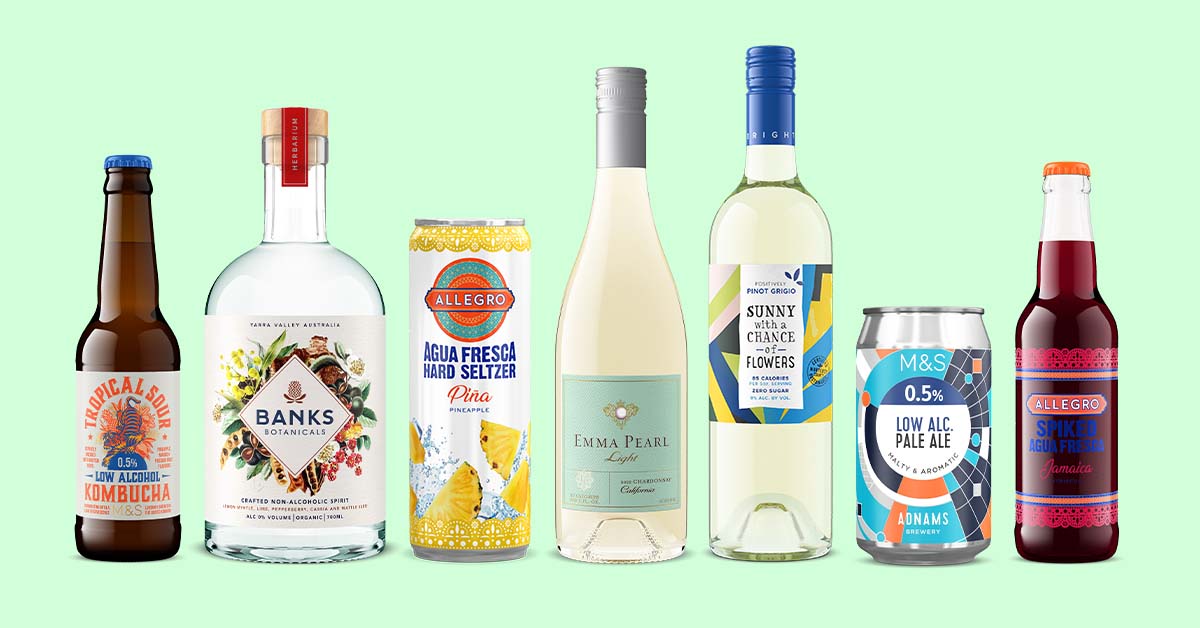
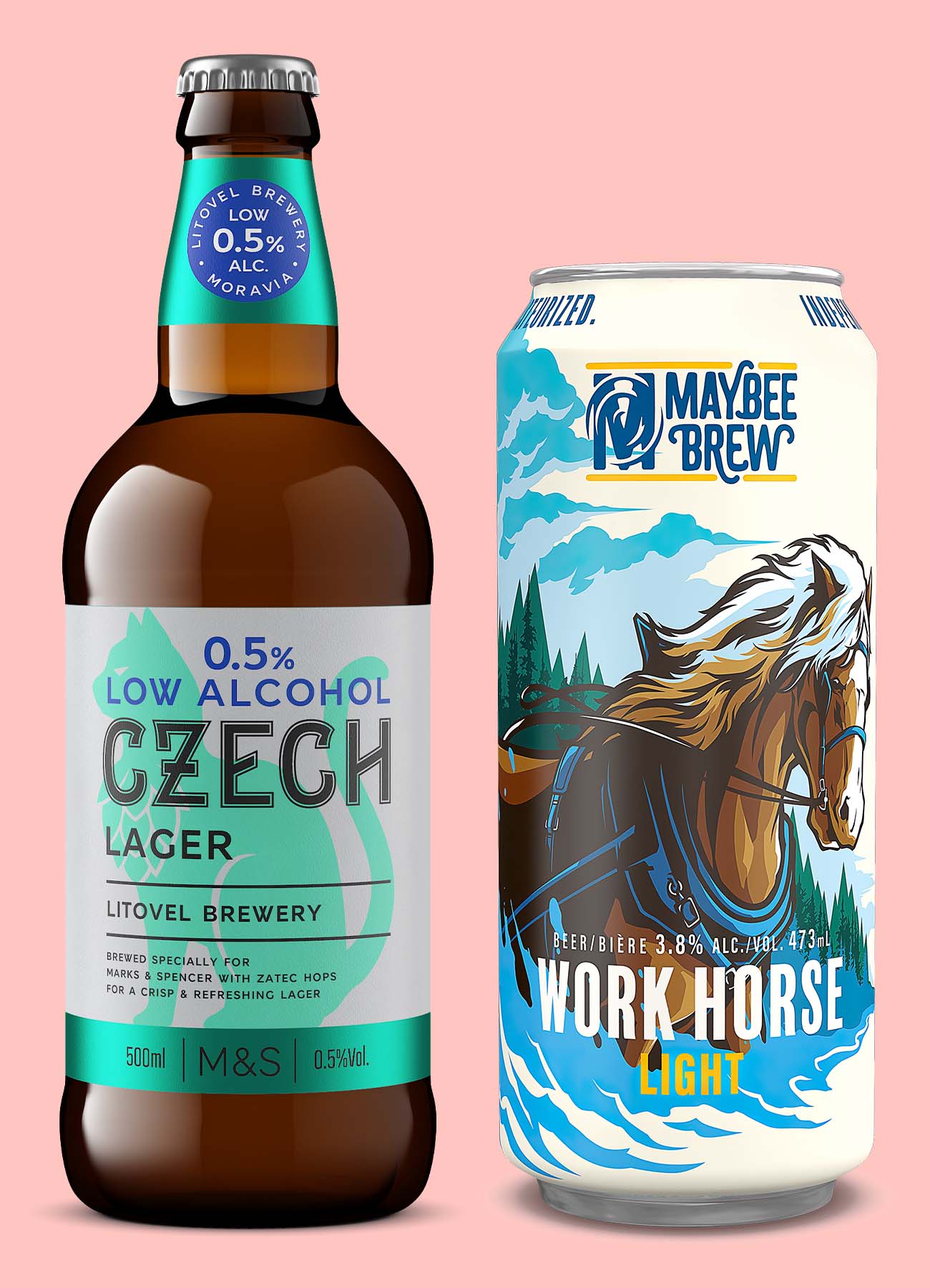
The demand for alcohol-free and low-alcohol beers is on the rise, driven by a growing interest in healthier lifestyles and mindful drinking. As more consumers choose to moderate their alcohol intake or abstain entirely, breweries are stepping up to meet this demand with a wider variety of options.
- Increased variety: Expect more craft breweries to produce non-alcoholic and low-alcohol beers that do not sacrifice flavor. Advances in brewing techniques are making it easier to create beers that mimic the complexity and body of traditional alcohol-containing brews.
- Health-conscious ingredients: As people opt for healthier drinks, beer brands will focus on incorporating functional ingredients like adaptogens, superfoods, and probiotics into their brews.
- Mainstream acceptance: What was once considered a niche product will become a mainstream offering, with alcohol-free and low-alcohol beers becoming staples in bars, restaurants, and retail shelves.
New flavors and unconventional ingredients
As craft beer continues to evolve, brewers will push the boundaries of flavor, experimenting with new ingredients and brewing methods. From exotic fruits to spices, herbs, and even cannabis-infused brews, experimentation will be at the forefront of the beer category.
- Unusual ingredients: Expect to see beers made with everything from tropical fruits, tea blends, and coffee to spices, seaweed, and mushrooms. These ingredients will help create distinctive, complex flavors that appeal to adventurous drinkers.
- Collaborations across industries: The beer industry will increasingly collaborate with other sectors, such as coffee, spirits, and even the culinary world, to create hybrid beverages that blur the lines between different types of drinks.
- New brewing techniques: Techniques like barrel-aging, wild fermentation, and hop-forward brewing will continue to evolve, allowing brewers to create more diverse and experimental beer profiles.

Technology and smart brewing
Technology is changing brewing processes, making beer production more efficient, precise, and scalable. From automation in breweries to advances in fermentation science, technology will be a key player in shaping the future of the beer industry.
- Automated brewing systems: More breweries will adopt automated systems to speed up the brewing process, improve consistency, and reduce production time.
- AI and data-driven decisions: Artificial intelligence and machine learning will help brewers analyze consumer trends, refine brewing recipes, and predict which styles or flavors will be popular.
- Smart packaging: Packaging will become smarter, with technologies like QR codes and NFC chips allowing consumers to learn more about the beer's story, brewing process, and sustainability efforts.

Premiumization and craft beer's continued evolution
Craft beer will continue to evolve, with breweries focusing on premiumization and offering higher-quality, unique experiences. Consumers are increasingly willing to pay more for high-quality brews that align with their values and preferences.
- Premium offerings: Expect a rise in high-end, limited-edition, and small-batch beers that cater to a more discerning market. These premium offerings will emphasize craftsmanship, quality ingredients, and unique flavors.
- Beer tourism: Beer tourism will continue to grow, with consumers traveling to breweries to experience unique brews and the stories behind them. Breweries will tap into this trend by offering immersive experiences, events, and tours.
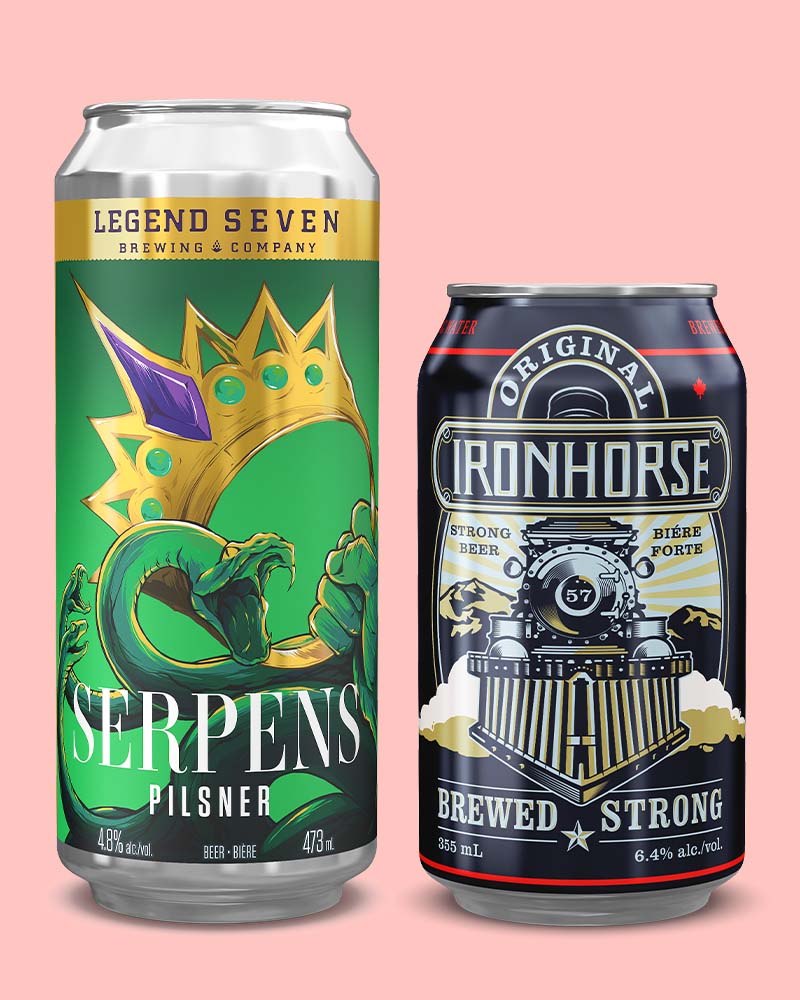
- Luxury branding: Similar to the wine and spirits industry, beer brands will invest more in premium packaging, refined labels, and exclusive collaborations to create an aspirational image that appeals to affluent consumers.
Premium packaging only pays off when a shopper can see it before they buy. Outshinery Studio builds 3D beer can images from a digital twin of your real packaging, so foil, embossing, and matte finishes stay sharp at thumbnail size.
Getting the image of every can and bottle
Every trend above ends up as a thumbnail on a retailer's app, a distributor's portfolio deck, or a delivery marketplace. The brewery that has a clean, consistent image of every SKU before it is filled is the one that gets listed first.
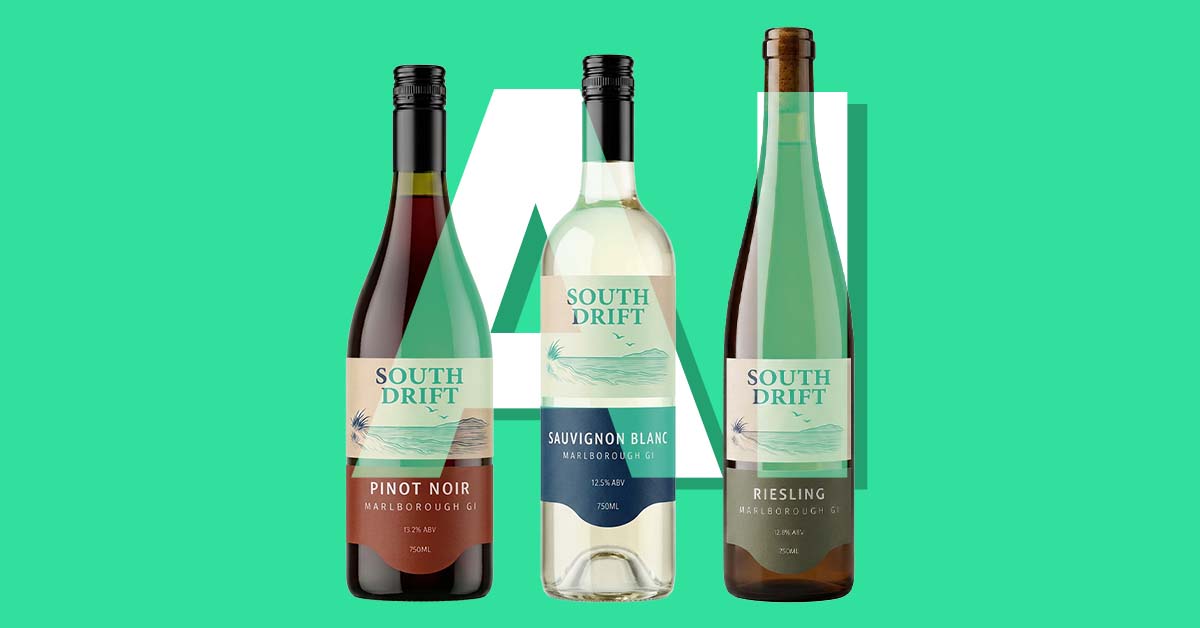
For beer in a glass bottle with a flat paper label, Outshinery Lite makes that image in about an hour. Beer bottles have been in the Lite library since July 2026: ten shapes from 330 ml to 750 ml, including heritage, longneck, pilsner, export, and Belgian molds, with a crown cap on all of them. Upload the label file, pick the bottle, and a photorealistic bottle shot arrives for $29. Lite covers wine, cider, and beer in flat-label glass bottles only. No cans.
Cans, shrink sleeves, 4-packs and 6-packs, and full lineups are Outshinery Studio work. A trained 3D artist builds the render from your can artwork and the container spec, so the 16 oz can, the 12 oz bottle, and the mixed pack sit side by side in one consistent image. See beer product photography for what Studio covers.
Evolving beer culture and inclusivity
The beer culture will continue to evolve, becoming more inclusive and diverse. The beer industry is gradually embracing broader representation, from the brewers themselves to the types of beer being created.
- Diverse representation in brewing: Expect to see more women, people of color, and underrepresented groups entering the brewing scene. As the industry grows, diversity in leadership and ownership will continue to improve.
- Inclusive beers: There will be a growing focus on creating beers that appeal to different dietary preferences, such as gluten-free, vegan, and low-sugar options, making beer more inclusive for all consumers.

Conclusion: the future of beer
The beer industry is changing. Sustainability, new flavors, and technology will redefine the category, while inclusivity and health-conscious trends will further shape consumer behavior. Breweries that embrace these shifts and remain agile in the face of change will thrive, creating unique and lasting beer experiences for generations to come.
The future of beer is just getting started.
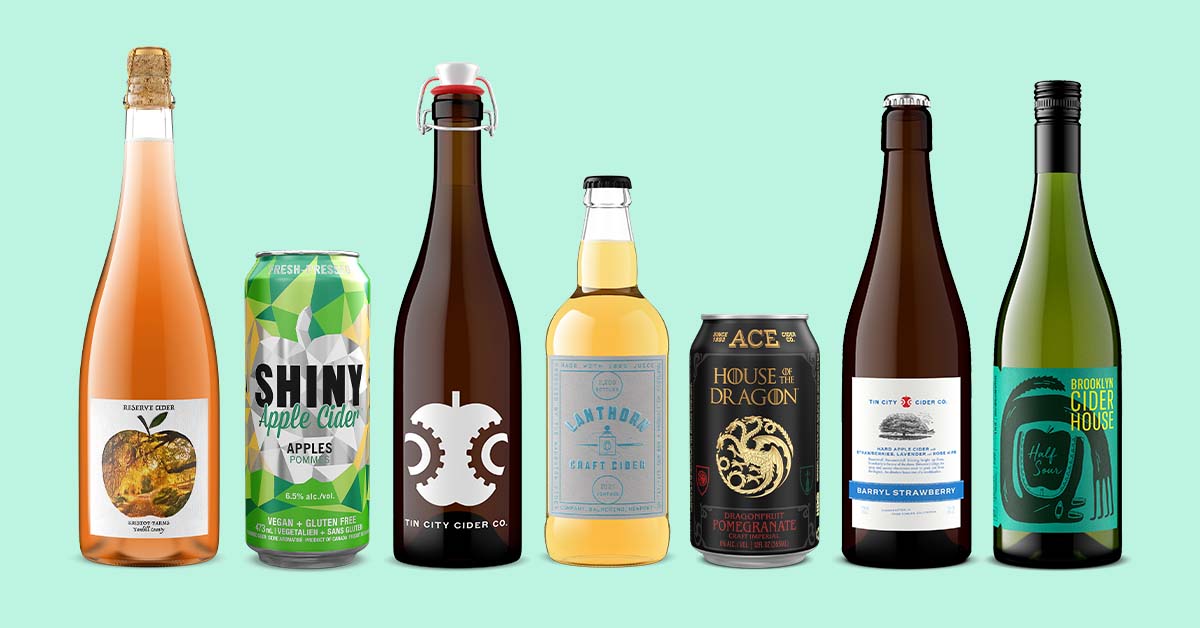
For the packaging fundamentals that apply across every beverage category, read how to position your packaging for sales success. And for the taproom's closest neighbor, a category solving many of the same shelf problems, see how cider branding is evolving.

Frequently asked questions
Why is branding so important for my beer?
Branding sets your beer apart from the competition and communicates your values, story, and quality to consumers. A strong brand identity helps create a loyal customer base and drives sales by making your product instantly recognizable.
What makes Outshinery's beer photography different from DIY shots?
Outshinery Studio specializes in photorealistic imagery built by trained 3D artists from your artwork and container spec, so every can and bottle in the range matches in lighting, angle, and scale. DIY photography of glass and aluminum rarely does, which is what shoppers notice on a listing page.
Can Outshinery Lite make beer bottle shots?
Yes. Outshinery Lite has carried beer bottles since July 2026: ten shapes from 330 ml to 750 ml with a crown cap, for beer with a flat paper label. Upload the label file and the bottle shot arrives in about an hour for $29. Lite does not make can images; cans are Studio work.
How do I choose the right packaging for my beer?
Your packaging should reflect your brand's personality and target market. Glass bottles offer a classic look, while cans are portable and trendy. Consider sustainability, visual appeal, and how your packaging will stand out in-store when making your decision.
What trends should I watch out for in beer branding?
Expect to see a strong emphasis on sustainability, health-conscious products like low-alcohol and alcohol-free beers, and new flavors. Incorporating unique ingredients and adopting sustainable packaging will help you stay ahead in a market where, per the Brewers Association, total beer volume fell 5.7% in 2025 and the brands with clear positioning outperformed.
Can Outshinery help with custom photography for limited edition beers or seasonal designs?
Yes. Whether it is for a special release or a seasonal campaign, Outshinery can create imagery that captures your beer and draws consumers in, and a render can exist before the limited run is canned.
What's the turnaround time for receiving my beer photos?
With Lite, a flat-label bottle shot arrives in about an hour. With Studio, the first proof arrives in 3 to 5 business days from a complete brief, and revisions take 1 to 2 business days each.
How can I get started with Outshinery's services?
Reach out to us or sign up to begin. We will walk you through everything, from uploading your beer to selecting the right visuals to showcase your brand.