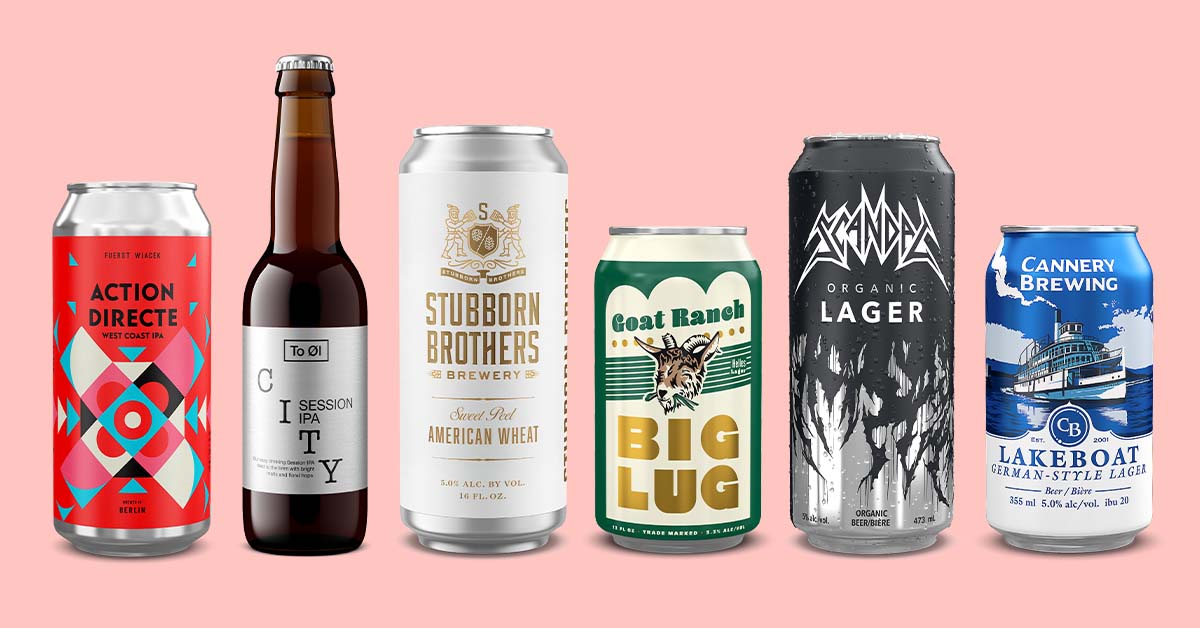
Beer bottle photography, plus cans, kegs, and packs
A practical guide to product imagery for every beer format, from a $29 self-serve bottle shot to production renders for cans and kegs.

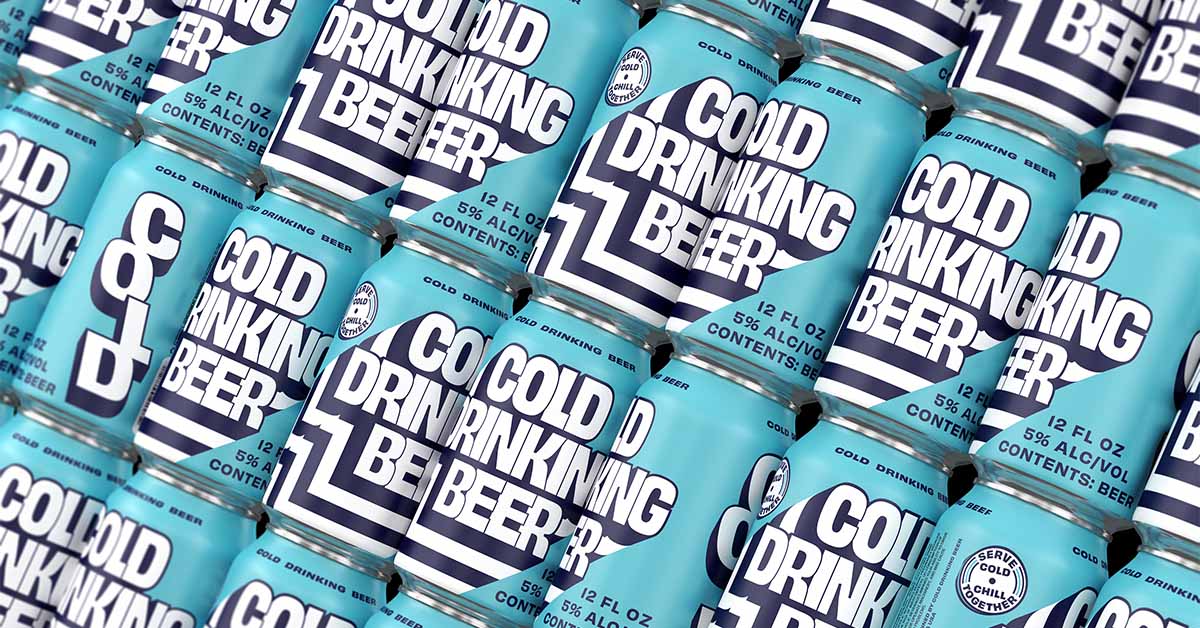
Craft beer runs on new releases. Seasonals, collaborations, one-off labels, and every single one needs product imagery before it can sell online, get listed by a distributor, or appear in a sell sheet.
Wine brands shoot a vintage once a year. A busy brewery can outpace that schedule in a single quarter, which is why beer product photography becomes a permanent backlog instead of a project.
This guide covers what every beer format actually needs, what the traditional shoot costs you per release, and how breweries now get photorealistic packaging images from nothing but a label file, without a photoshoot.
Why beer imagery is harder than wine imagery
Beer has a faster release cadence and more formats than almost any other beverage category. That combination is the whole problem.
A single brand might sell the same IPA as a 12oz bottle, a 16oz can, a six-pack, and a keg for draft accounts. Each format needs its own image, and each new release resets the clock.
Most craft breweries have no photography infrastructure at all. Outside major markets, the choice is usually a phone photo, a template that looks like a template, or waiting on a photographer's schedule.
There is also a timing trap. The moment you most need imagery, when the release is announced and pre-orders open, is before the beer is packaged, so there is nothing physical to photograph.

What each format needs: bottle, can, keg, pack
Each beer format has a different imagery job to do. Map them before you brief anyone.
- Bottles: the classic hero shot. Front-on, clean background, label crisp enough to read at thumbnail size. Used for online stores, menus, tech sheets, and distributor portals.
- Cans: the volume format. Seasonal art changes constantly, so can imagery needs to be repeatable, not a one-off production.
- Kegs: the B2B format. Draft accounts and distributors want branded keg and tap visuals for sales decks, not consumer glamour shots.
- Packs: six-packs, four-packs, and mixed cases. These sell the brand system, not a single SKU, and they are the hardest to photograph well.
The format list is why per-release photoshoots break down for beer. One release can mean four different packaging images.

The economics of a shoot per release
Traditional product photography typically runs $100 to $300 per finished image once production costs are counted, with a US average around $150.
That math is workable when you shoot once a year. It stops working when you release monthly.
Twelve releases in two formats at average rates is several thousand dollars a year, plus shipping samples, plus the wait on a photographer's schedule while your announcement window closes.
Rendering flips the cost structure. The image is built from your label file in a virtual studio, so there is no set, no samples shipped, and no reshoot when the artwork changes.

Beer bottle photography: the self-serve path
If your beer ships in a standard glass bottle, you can now generate the bottle shot yourself. Outshinery Lite added beer bottles in July 2026.
The process takes minutes to set up. Upload your label file, pick your bottle shape and closure, choose glass color and liquid, pay $29, and download a photorealistic PNG in under an hour.
The library covers ten beer bottle shapes: Heritage 12oz and 25oz, Commander 12oz and 22oz, Pilsner 341ml and 22oz, Classic Longneck 330ml, Export 500ml, and Belgian 500ml and 750ml.
A crown cap is available on every shape. The Heritage 25oz and Belgian 750ml also take a cork and cage finish for bottle-conditioned and Belgian-style releases.
Pricing drops to $23 per image after your first ten orders. There are no subscriptions and no minimums, you pay per image.
Lite is genuinely self-serve: no brief, no account manager, no back and forth. Here is what Outshinery Lite is and how the tool works. It works because every shape in the container library is a verified 3D model of a real bottle, part of a system with over 15,000,000 unique bottle configurations.

Cans, kegs, and packs: the production path
Everything that is not a standard glass bottle is a job for Outshinery Studio, where a 3D artist builds the image to your specs.
Studio handles cans in every format, kegs, growlers, six-packs and mixed packs, lifestyle scenes, and point-of-sale displays. The team works from your production files and renders finishes a flat image cannot capture.
The Studio approach builds a digital twin of your packaging. Once the 3D model of your can exists, every seasonal artwork change is an update to that model, not a new photoshoot.

That is what makes rotating can art economical. One model build covers the flagship, the seasonal, and the collab, with identical lighting and perspective across all of them.
Outshinery has produced imagery for more than 2,000 beverage brands since 2016, including breweries like Steamworks Brewing. As the sales manager of Steamworks Brewery puts it: "The product shots are ready before our beers are even bottled!"
The strongest argument for rendered beer imagery is not cost. It is timing.

Images before the beer is brewed
A rendered bottle shot needs only the label file, so your imagery can be finished before the beer is packaged, or even brewed. That means pre-orders, distributor listings, and launch announcements stop waiting on production.
Don Farion of Bomber Brewing described working this way with Outshinery: "You're not waiting for your beer to be ready...you have an image in 48 hours."

For breweries, this matters more than it does for wineries. Seasonal and limited releases live or die on the announcement window, and label approval usually lands well before packaging day.
There is a branding angle too. CODO Design's 2026 Beer Branding Trends Review points to breweries simplifying their label systems for retail clarity, and a simpler label puts more of the brand's work on the product shot itself.

Marketplace image requirements for beer
Online marketplaces and retail portals share the same basic expectations for a main product image. Plan for these from the start.
- A clean or pure white background for the primary listing image, with lifestyle shots reserved for secondary slots.
- Resolution high enough to survive zoom, so the label stays readable when a shopper inspects it.
- The product filling most of the frame, without props or watermarks.
- Consistent perspective and lighting across your lineup, so your brand page reads as one system.
Requirements shift by marketplace and get enforced unevenly. Check the current listing guide for each channel before you upload, and keep a transparent-background master file so you can composite any background a channel demands.
Rendered images meet these expectations by default. Outshinery Lite delivers a transparent-background PNG at 2,160 pixels on the longest side, ready to drop onto pure white or any brand background.

One label file, two ways to use it
The container decides which path your imagery takes. Standard glass bottles with flat-printed labels (think no special print finishes) run through Outshinery Lite, self-serve, $29, about an hour.
Cans, kegs, packs, specialty label finishes, and custom scenes run through Outshinery Studio, where a specialist builds and maintains your digital twin. Both paths start from the same thing: the label file you already have, no physical samples shipped.
Your next release is going to need product images either way. The only question is whether producing them takes an hour or a production schedule.

Frequently asked questions
Can I get a beer bottle shot from just a label file?
Yes. Outshinery Lite generates a photorealistic beer bottle shot from a label file alone: upload the label, pick one of ten bottle shapes and a closure, and download a transparent-background PNG in about an hour for $29. No physical bottle is photographed or shipped.
Does Outshinery do 16oz cans or kegs?
Yes, through Outshinery Studio, where a 3D artist builds the can, keg, growler, or pack from your production files. Cans are not part of the self-serve Lite tool, which covers glass bottles only.
How much does beer product photography cost?
Traditional beer product photography typically costs $100 to $300 per finished image once production is counted, with a US average around $150. Outshinery Lite renders beer bottle shots for $29 per image ($23 after ten orders), and Studio work for cans, kegs, and custom scenes runs on Shine Credits from $129.
How fast can I get beer packaging images?
Outshinery Lite delivers a beer bottle shot in about an hour from label upload. Studio projects for cans, kegs, and packs deliver a first proof in 3 to 5 business days from a complete brief.
Can I get beer images before the beer is packaged?
Yes. Rendered imagery is built from the label file, not a physical sample, so finished images can exist before the beer is brewed or bottled. Breweries use this for pre-orders, distributor listings, and release announcements.