How to plan a winter holiday campaign that maximizes alcohol sales
Most of the holiday buying window is five days long. Here's how to count backward from it instead of working forward from the release date.

About 40% of all planned holiday gift spending happens in five days: Thanksgiving through Cyber Monday, according to PwC's Holiday Outlook 2026. In 2026, that is November 26 through 30.
For a shopper who has already decided what they are buying, those five days often cover most of the year's gift budget.
Work backward from November
Say a distillery is launching a foil-wrapped, wax-topped holiday gift bottle for that five-day window. Here is the math, worked backward.
The sale happens November 26 to 30. Retailers typically lock seasonal end-cap and gift-set placements 6 to 8 weeks ahead of that, which puts the shelf date in early October.
The distributor needs the sell sheet, finished product imagery included, 2 to 3 weeks before that to get it in front of a buyer. That pushes the deck deadline into mid-September.
And the deck needs a finished render. So the label and capsule design have to be locked, and the visuals produced, well before the bottle physically exists, since a holiday-specific bottling run often does not happen until late summer or early fall.
Run that chain forward and the image deadline lands in September. Most holiday marketing calendars do not have a September line item for a Black Friday gift set. They have a November one.
That gap is the three to four weeks many holiday campaigns never get back. By the time someone notices, the five-day window has already started closing in.
Outshinery Studio delivers a first proof 3 to 5 business days after a complete brief, with revisions in 1 to 2 business days. That is fast next to a physical photo shoot. It still cannot undo a September deadline discovered in November.
This year, the shopper is holding the line on price
Gift spending itself is holding up. PwC's 2026 survey found holiday gift spending is projected to dip only 2% year over year, even as consumer confidence fell sharply.
People are still buying. They may be buying differently.
Alcohol specifically is in the middle of that shift. US spirits volume fell 5.1% in the first quarter of 2026, and the steepest declines were at the top of the price ladder: bottles between $50 and $99.99 fell 8.8%, and bottles at $100 and above fell 9.3%, according to WSWA SipSource data.
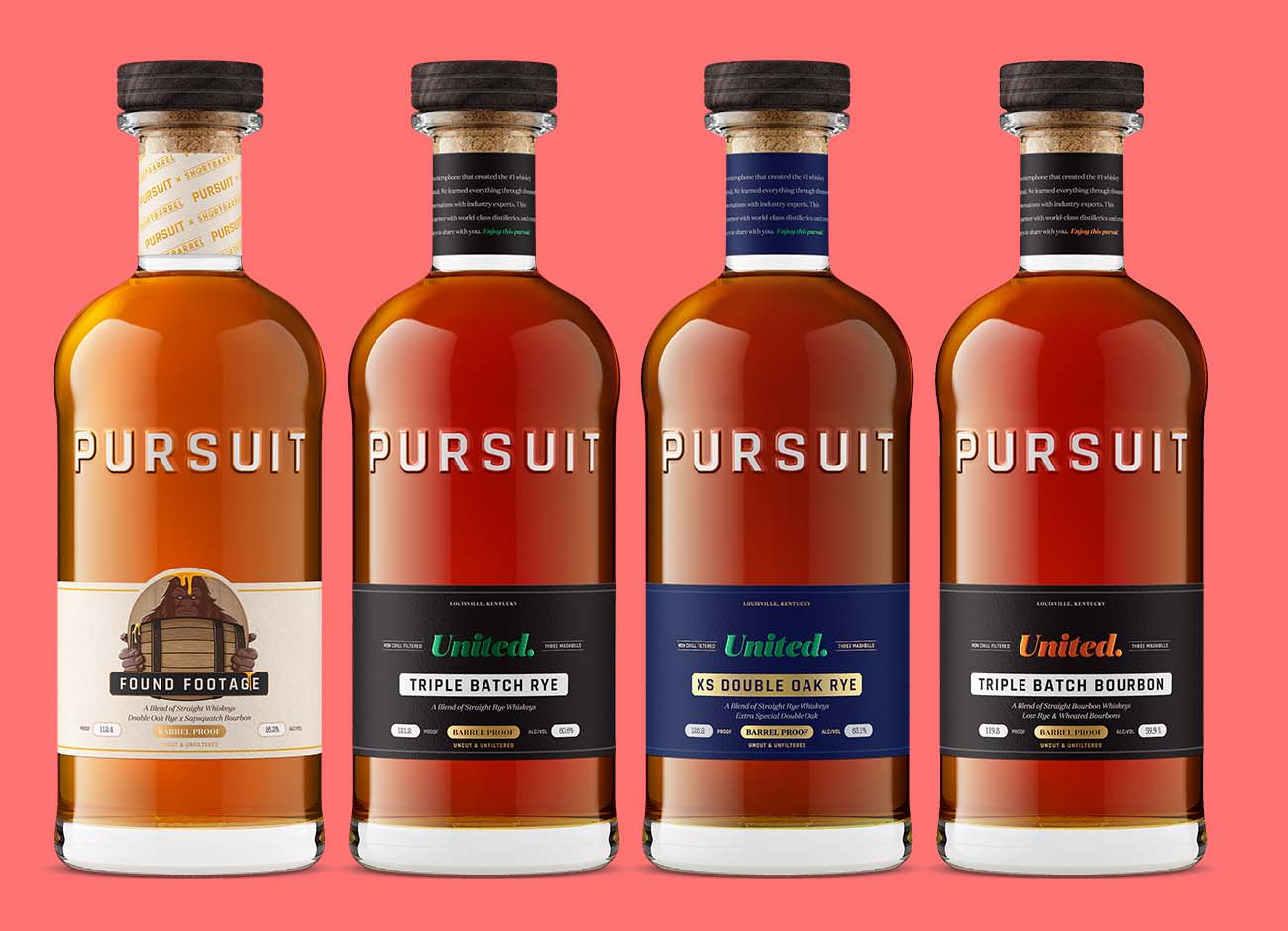
Premiumization, the trend brands have leaned on for a decade, stalled. Shoppers are trading down, not stepping away.
One category bucked the trend. IWSR's full-year 2025 data, published in June 2026, found ready-to-drink cocktails were the only major beverage alcohol category to grow, and premium-and-above RTD volumes rose more than 15% globally, even as the US RTD market posted its first annual decline since 2015.
That is a gift-set opportunity many holiday campaigns are not budgeting visuals for: a canned cocktail gift pack, or a spirits miniature set, sitting next to the flagship bottle rather than being treated as an afterthought.
The practical implication is that a $60 bottle next to a $35 one needs the image, not just the price tag, to explain the gap. A shopper trading down is still comparing quality, not just cost.
If the cheaper option is rendered to the same standard as the premium one, and the premium bottle is not visually earning its price, the trade-down happens by default.
Nostalgia is doing real work in gift photography
Sixty-four percent of consumers say they are drawn to screen-free, nostalgic gifts this holiday season, and that climbs to 78% among Gen Z, per PwC's 2026 survey. PwC's read is that retro-inspired packaging and design are tapping into that instinct in a way sleek, minimalist branding cannot.
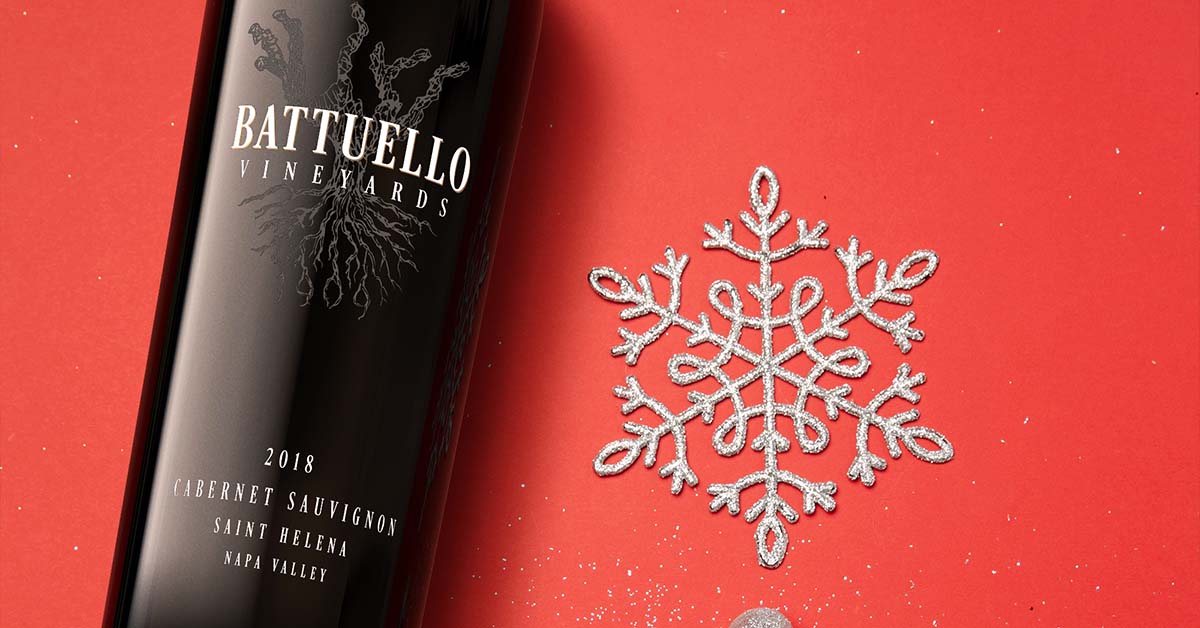
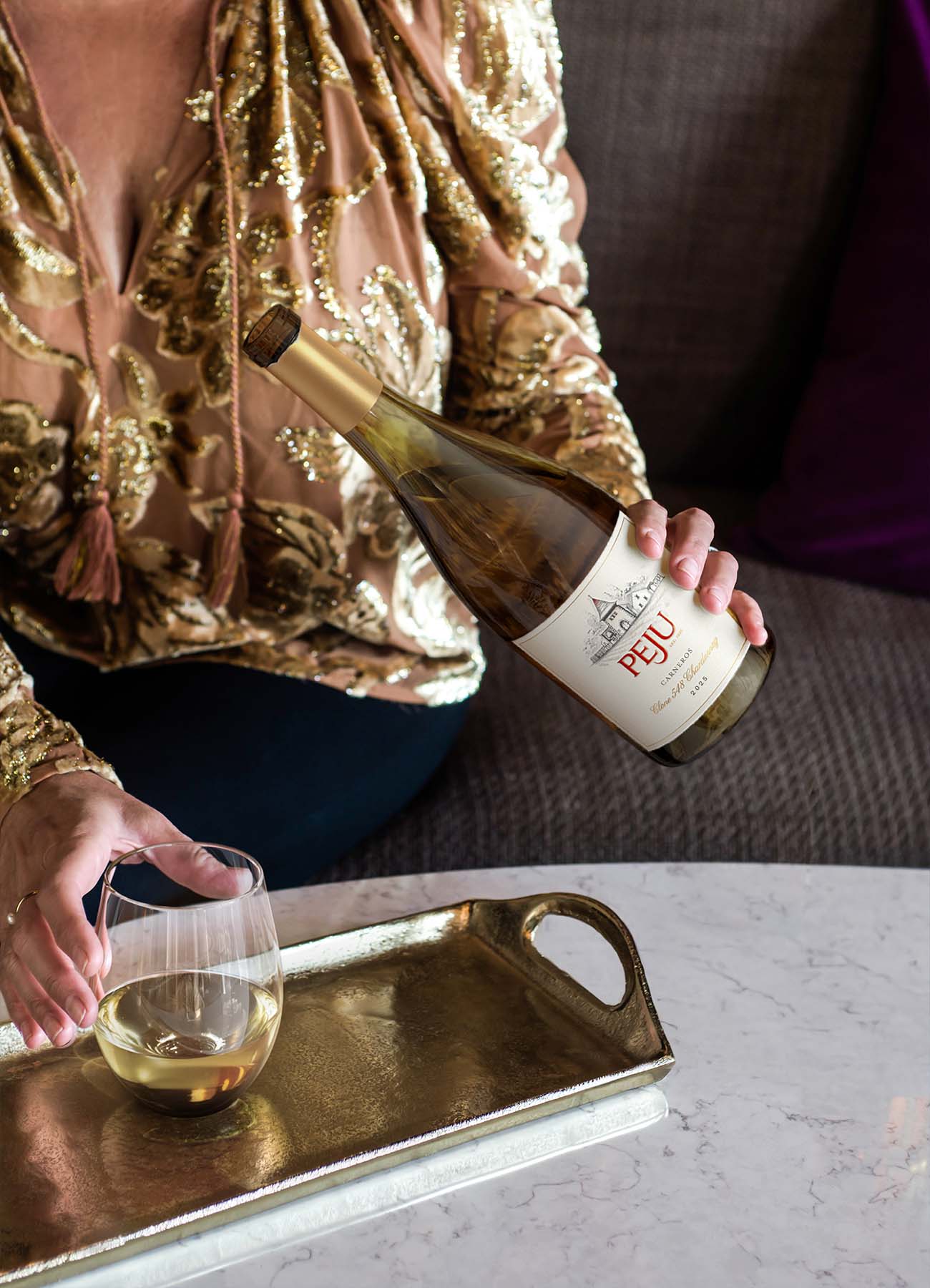
That is a direct opening for the packaging techniques that are hardest to shoot and easiest to get wrong: foil capsules, wax-dipped closures, embossed glass, traditional label stock with texture. These finishes read as heritage and craft, which is exactly what a nostalgia-driven gift buyer is responding to.
But foil turns into a flat gray smear under uneven lighting, and embossing disappears completely in a rushed shoot. A generalist photographer without beverage-specific experience can flatten the exact detail that was supposed to sell the gift.
Getting the wax texture, the deboss depth, and the way light actually catches foil to read correctly in a final image is not decoration. It is the visual argument for why this bottle, dressed the way it is dressed, belongs under someone's tree instead of the plainer one next to it.
A weak product listing is like an empty shelf
PwC's research found that in categories that spike around the season, a stockout can serve as permission for a shopper to skip the purchase altogether.
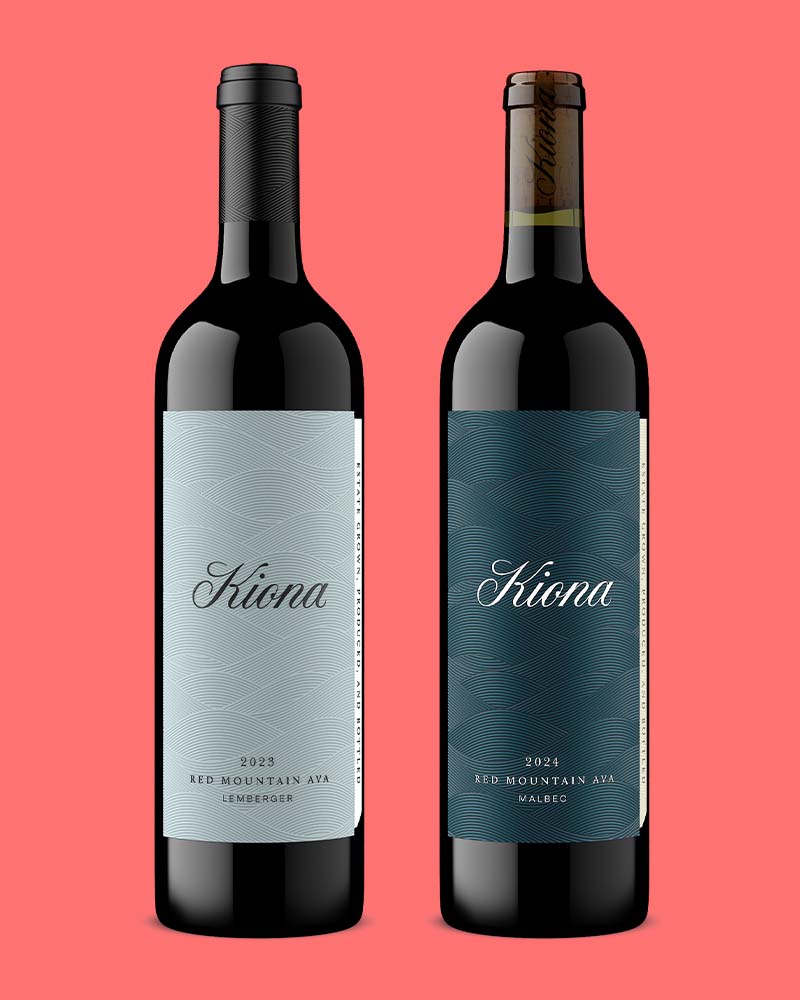
A product listing with a flat, inconsistent, or missing image does the same thing to a price-conscious 2026 shopper, because they are already inclined to hesitate. A generic photo, a mismatched vintage shot, or a gift set with no image at all fails to give them a reason to say yes, and they move to the next tab.
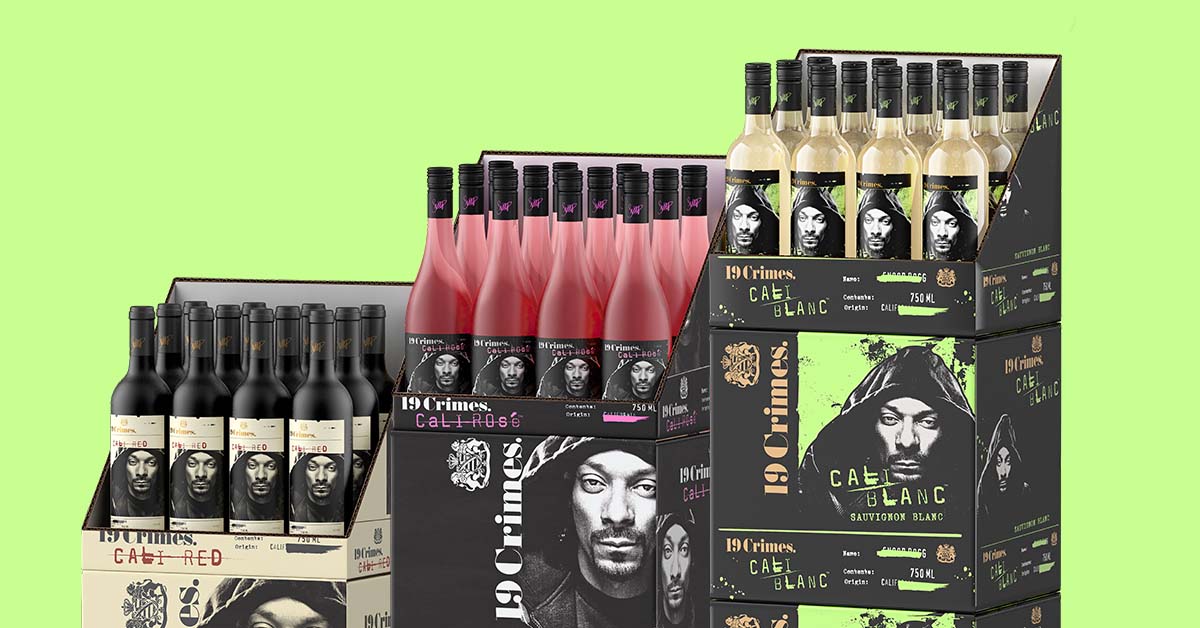
This matters more in-store than it might seem. Over half of consumers still decide what to buy by browsing in physical stores, and 60% expect to complete the purchase there, ahead of every digital channel combined, according to PwC's survey.
That means end-cap displays, shelf talkers, and case imagery carry as much weight this season as the product page does. A holiday campaign that only produces a hero web image and skips the in-store assets is optimizing for the smaller half of the decision.
Keep the whole gift lineup on one visual standard
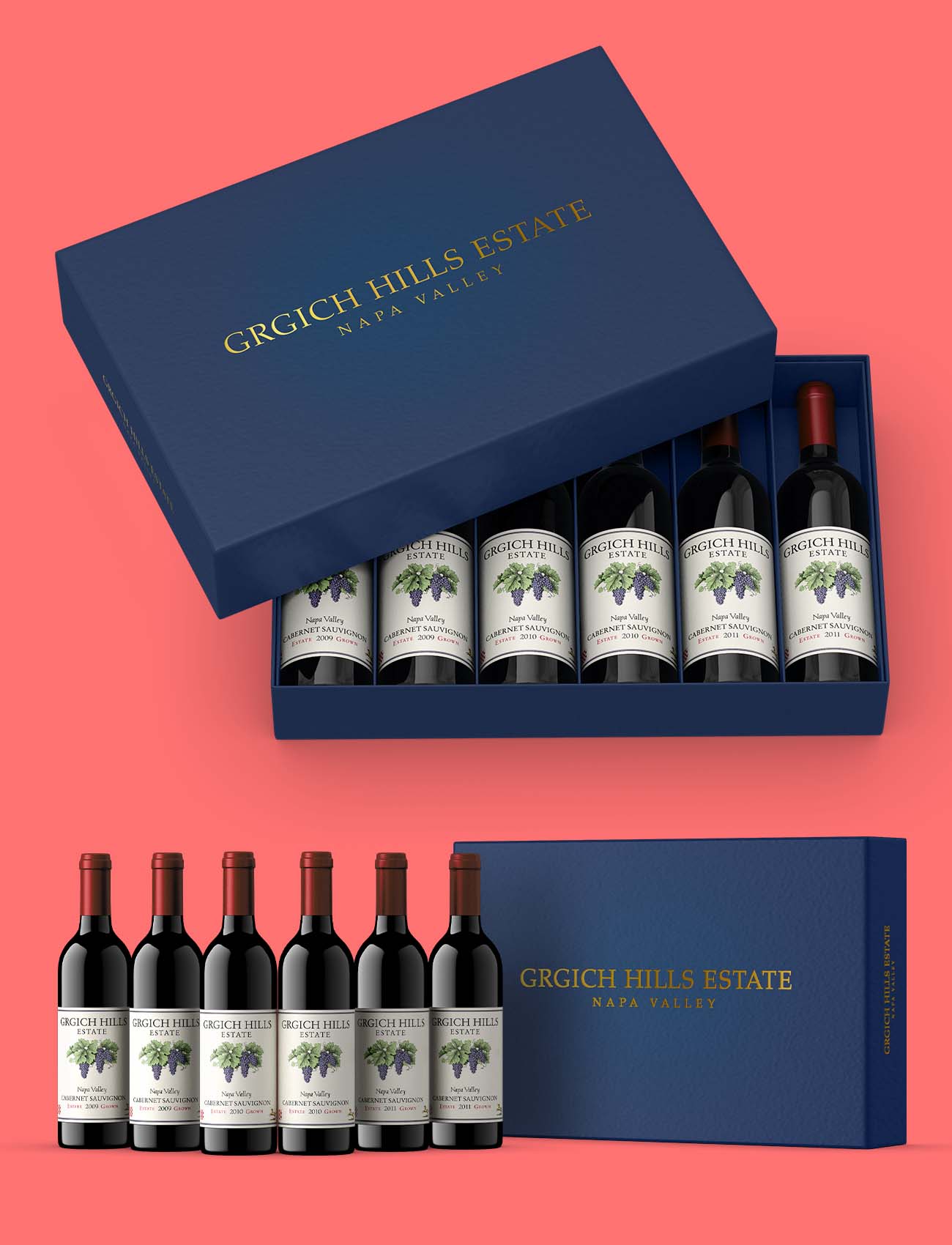
Holiday campaigns tend to get built around one flagship gift bottle. Every other SKU in the lineup, the mini set, the RTD pack, last year's still-strong seller, gets whatever imagery already exists.
That gap is exactly where a price-conscious shopper starts comparing and finds the weaker link.
A retailer's end-cap, a distributor's sell sheet, and a shopper's phone screen should all show the same product family rendered to the same standard, whether it is the $80 gift bottle or the $18 RTD four-pack sitting next to it. Inconsistent quality across that lineup reads as a smaller, less considered brand, at the exact moment shoppers are scrutinizing quality more than usual.
Running the math for your five days
Take November 26 to 30, or whatever your actual highest-intent window is, and work backward.
For a Black Friday through Cyber Monday launch, that asset date typically lands in September. If it is already October and that line item is not on the calendar, that is the signal to move now.
Where Outshinery fits in the timeline
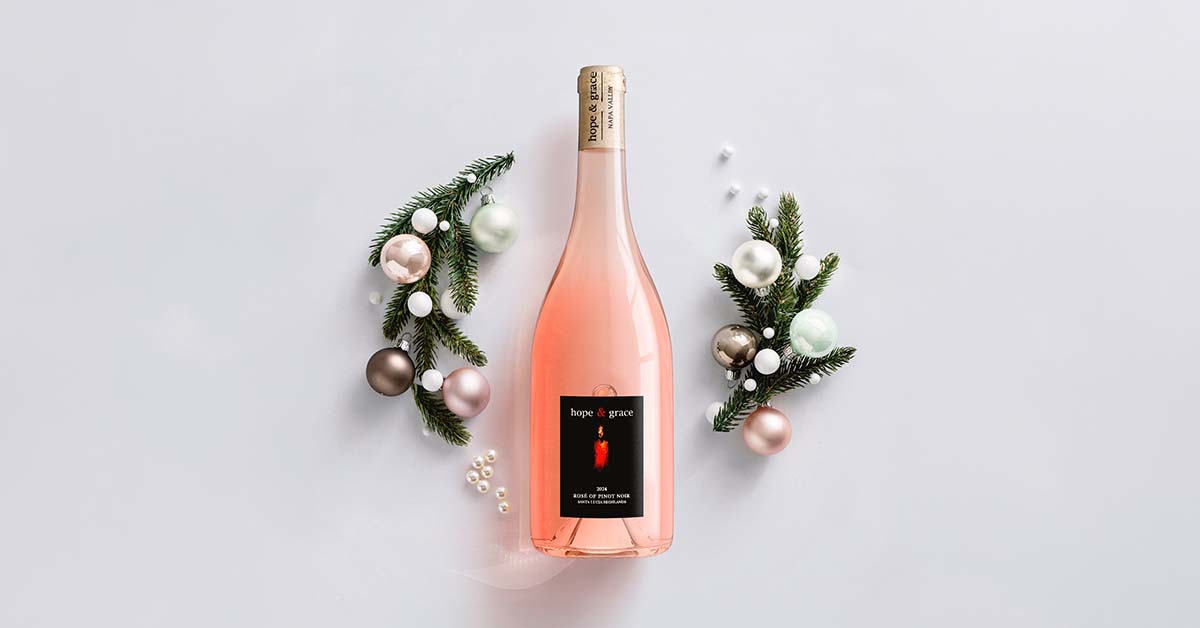
Outshinery Studio builds photorealistic visuals from your label files and packaging specs, so the gift bottle, the miniature set, and the RTD pack can all have finished imagery before a single unit is bottled. A trained 3D artist interprets the production file and renders foil, wax, embossing, and textured stock the way a print shop would read them.
Vintage, ABV, and liquid color updates are free, so a late-season change does not reset the timeline. See how Studio Product Shots work.
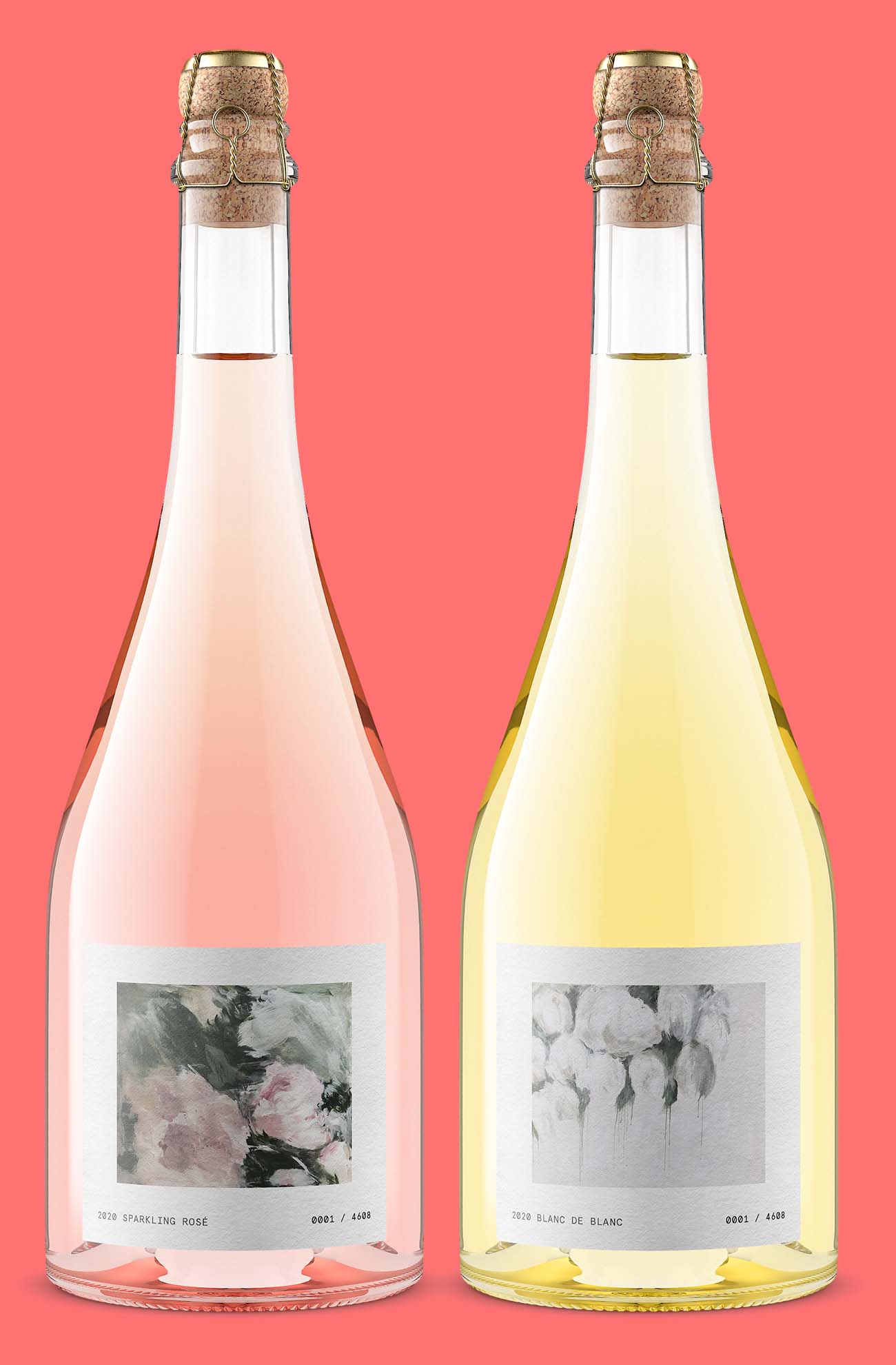
Selling a standard wine, cider, or beer bottle with a flat-printed label and only need a clean bottle shot? Outshinery Lite is a separate self-serve product that delivers one in under an hour.
Frequently asked questions
When should alcohol brands start holiday imagery?
Work backward from your actual sale window, not the calendar month. For a Thanksgiving through Cyber Monday launch, the visuals typically need to be finished by September once distributor sell-in and retail shelf-reset timelines are factored in.
Can visuals be made before a holiday release is bottled?
Yes. Outshinery Studio builds images from a label file and packaging spec, so a holiday gift bottle, can, or RTD pack can have finished imagery weeks or months before the physical product exists.
Does Studio handle foil, wax, and embossed packaging?
Yes. Foil capsules, wax-dipped closures, embossed glass, and textured label stock are all rendered by a 3D artist as part of a standard Product Shot. These finishes are also the hardest for traditional photography to capture accurately.
Studio or Lite for holiday gift sets?
Lite is a self-serve bottle shot generator for wine, cider, beer, and other bottled beverages in standard library shapes with flat-printed labels, including wax-dipped closures. Studio is built for cans, spirits, gift boxes, and any packaging with foil, embossing, custom glass, or specialty finishes, which covers most holiday and limited-edition releases.
What happens if the label changes after visuals are ordered?
Vintage, ABV, and liquid color updates to an existing Studio render are free. A minor label tweak or a capsule color change is a half Shine Credit adjustment, and a new label design is a new Product Shot. None of them require a reshoot, so a late packaging change does not restart the timeline.
The holiday visuals countdown checklist
A September asset date is the difference between selling into the five-day window and watching it close.