The new playbook for winery growth
Why imagery and planning are now essential for DTC growth.


Wineries are adapting their marketing to navigate tighter production runs, evolving consumer tastes, and the need for greater efficiency. By focusing on smaller, more intentional campaigns, using high-quality visuals, and integrating data into their planning, you can create stronger connections with your audience and drive predictable growth.
This playbook examines how wineries are embracing precision, storytelling, and smarter strategies to thrive.
Key takeaways
- Campaigns with precise product imagery help wineries pre-sell allocations and reduce inventory risks.
- High-quality visuals paired with storytelling justify price increases and build consumer trust.
- Retention-first communication with polished imagery keeps wine club members engaged and loyal.
- Turnkey content simplifies tasting-room marketing, driving visitation without overextending staff.
- Consistent creative assets enable always-on demand generation and faster campaign execution.
- Forecasts that integrate marketing and financial data improve accuracy and agility.
Targeted campaigns, intentional releases
As production becomes more limited, a more deliberate approach to campaign planning is essential. Focused releases allow you to perfectly align marketing efforts with inventory. This ensures every bottle is accounted for before it even leaves the cellar.
By launching campaigns earlier and using precise product imagery, you can pre-sell allocations and build powerful anticipation for your offerings.
High-quality visuals are pivotal
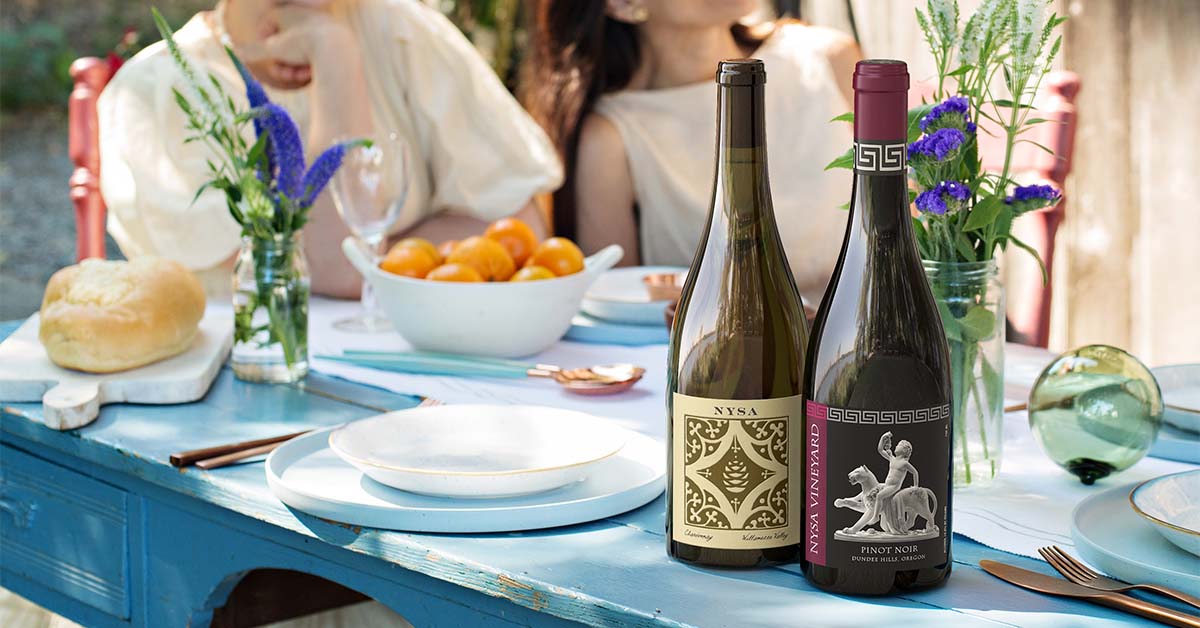
Detailed bottle shots, curated bundles, and seasonal lifestyle images highlight the craftsmanship behind each wine. They also create a sense of exclusivity and urgency. The result? Faster sell-through, reduced inventory risks, and a steady stream of engagement that keeps customers looking forward to what's next.

Stronger storytelling to support pricing
In a crowded market, your price is about more than just a number: it's about the story behind the product. Wineries are leaning on clear, consistent imagery to reinforce the perception of quality and justify pricing. From polished bottle shots to beautifully styled seasonal bundles, these visuals give consumers a richer sense of what they're buying and why it's worth the investment.

A thoughtful brand
When paired with compelling storytelling, enhanced visuals help you connect with your audience on an emotional level. By showcasing the craftsmanship, heritage, and unique qualities of your wines, you create a narrative that resonates. This builds trust and loyalty among customers who feel they are getting more than just a bottle; they are getting an experience.
Visually engaging club communication
Wine clubs are a cornerstone of your business, making member retention a top priority. To combat churn, successful wineries use data to understand member behavior and create communication that keeps the audience engaged.
Releases that look perfect
Polished release imagery is now a key part of this effort. It appears in emails, postcards, and SMS campaigns to excite members about upcoming shipments and exclusive offerings. This retention-first communication fosters a sense of connection and exclusivity, reminding members of the value they receive and strengthening the bond with your most loyal customers.

Smarter tasting-room marketing
Tasting rooms are a vital channel for customer connection, but marketing them can be a drain on resources. To simplify efforts, wineries are turning to ready-to-use visuals that promote events, seasonal flights, and limited releases.
Make it easy
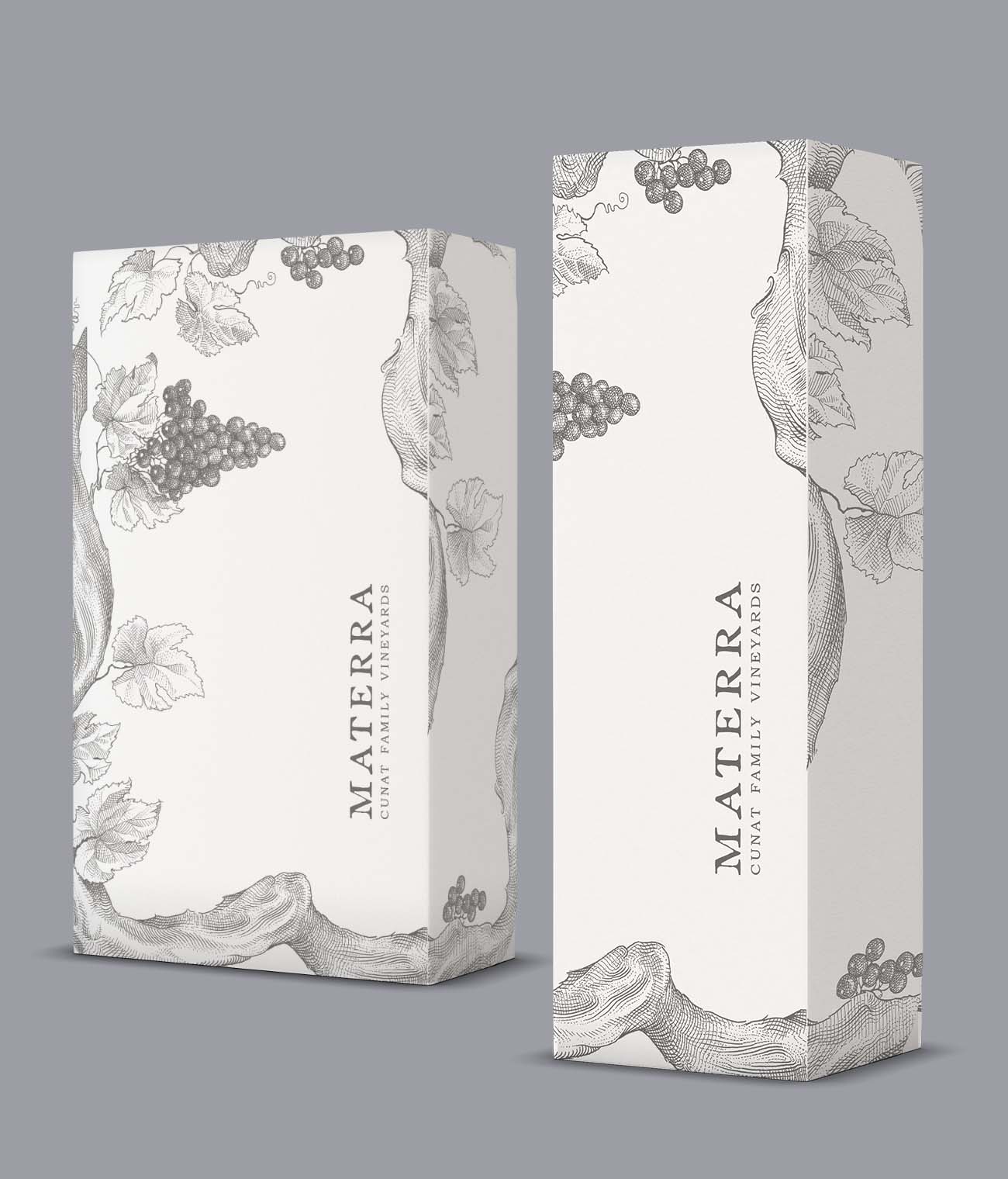
These turnkey assets make it easier for your team to drive predictable visitation without overextending staff. With consistent, high-quality content at your fingertips, you can quickly adapt marketing to highlight what's happening in the tasting room. This approach saves time and helps maintain a steady flow of visitors, turning casual tasters into loyal customers.
Always-on demand generation
In paid media and email marketing, consistency is non-negotiable. Campaigns perform better when imagery is uniform and instantly available. This consistency not only shortens campaign timelines but also ensures that new customers are entering your funnel year-round.
Be prepped with visual assets
By investing in a library of cohesive creative assets, you can maintain an "always-on" approach to demand generation. Whether it's a seasonal promotion or a brand awareness campaign, having ready-to-use visuals allows your team to act quickly and effectively. The result is a more predictable flow of leads and sales, helping you grow your customer base while staying true to your brand.

Customer behavior forecasts
Forecasting is no longer just about financial metrics. The most agile wineries now integrate DTC trends like ad response, club engagement, and product velocity into their 90-day forecasts. This approach provides a clearer picture of what's ahead, helping teams avoid surprises and make more informed decisions.
Stay agile
By connecting marketing performance data with financial planning, you can create forecasts that are both accurate and actionable. This integration allows you to identify opportunities, address challenges, and allocate resources more effectively, giving you the agility needed to stay ahead.

FAQs
Why are intentional campaigns important for wineries?
Smaller, intentional campaigns allow wineries to align their marketing efforts with tighter production runs and consumer demand. By focusing on precise product imagery and pre-selling allocations, wineries can reduce the risk of slow-moving inventory and create excitement around their releases.
How do visuals help justify price increases?
High-quality visuals, such as polished bottle shots and styled seasonal bundles, reinforce the perception of quality. When paired with storytelling, these visuals give consumers a richer understanding of the craftsmanship and exclusivity behind the wine, making price increases feel justified.

What does retention-first communication mean for wine clubs?
Retention-first communication focuses on keeping existing wine club members engaged and loyal. By using data to understand churn patterns and incorporating visually engaging content in emails, postcards, and SMS, wineries can foster stronger connections with their members and reduce attrition.
How can turnkey content improve tasting-room marketing?
Turnkey content provides ready-to-use visuals that make it easier for wineries to promote events, seasonal flights, and limited releases. This approach saves time, ensures consistent messaging, and helps drive predictable visitation without overburdening staff.
What is “always-on” demand generation?
“Always-on” demand generation refers to maintaining a consistent flow of marketing efforts, such as paid media and email campaigns, throughout the year. By using cohesive creative assets, wineries can shorten campaign timelines and keep new customers entering the funnel regularly.