Beauty Shots: the close-up that survives a shopper's zoom
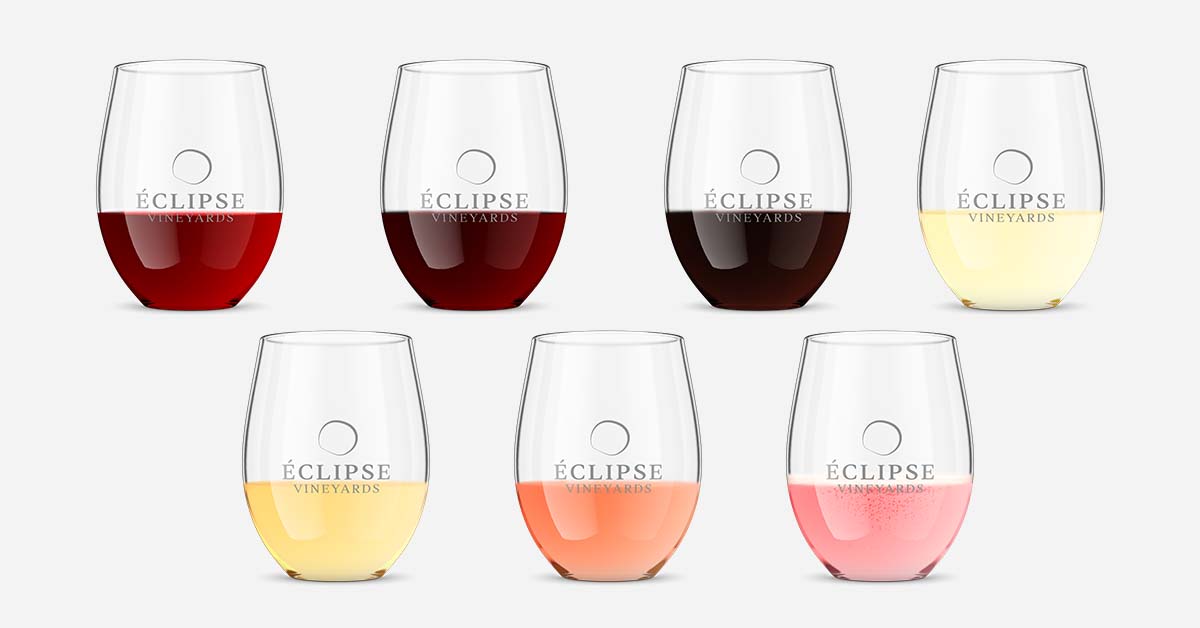
The frame that shows foil, embossing, and custom glass branding, without shipping a sample.


Open a wine listing on a phone and watch what a shopper does first. They pinch the image. They are looking for the one thing a photograph of a bottle almost never gives them, which is what the label feels like.
Most shoppers go to the images before they read a word of the description. Baymard Institute's testing puts it at 56% of users, as the very first action on a product page.
Then they zoom. And 25% of ecommerce sites fail that moment, either because the resolution collapses or because the zoom does not go far enough to show the detail.
A shopper who zooms into a blurred deboss does not conclude that the photo is bad. They conclude the bottle is.
What a Beauty Shot is
A Beauty Shot is a close, angled image of a bottle, built to show the label and its print finishes: foil stamping, embossing, deboss, die cuts, silkscreen, the capsule, the cork.
It is not a tighter crop of the same product shot. It is a separate image with a separate job, made to answer one thing: what this bottle is like up close.

Beauty Shot and Product Shot do two different jobs
A Product Shot is the accurate record of a SKU on a transparent background. Think of it as an ID picture: correct proportions, correct color, legible at thumbnail size.
A Beauty Shot gives up the full-bottle view to show the surface. It is where a premium label earns back what it cost to print.
A listing needs both. The Product Shot gets the SKU into the catalog, the Beauty Shot keeps the shopper on the page.

Branded glass is the hardest subject to show online
Glass reflects whatever is around it, including the camera and the person holding it. At Outshinery we call photographing a bottle "trying to take a selfie in a house of mirrors."
White wine and rose are worse. The back label reads through the liquid, and the front of the bottle goes dark and muddy.
Add a foil stamp and it compounds, because the finish that looks best in the hand is the one that throws the most light back at the lens.
Photographing glassware without reflections
In a physical studio the fix is equipment. Polarizing filters, black cards, diffusers, flags, and a photographer who knows where to put each one.
In a 3D render the fix is the scene itself. Reflections are placed rather than fought, so a highlight can be moved off a foil stamp without moving a light.
If the subject is a branded glass or tumbler rather than a bottle, the technique changes again. Pro tips for flawless glass photography covers that case.
What the close-up has to survive
Baymard's benchmark found that 93% of desktop ecommerce sites let shoppers zoom some or all of their product images. Zoom is not a feature any more, it is an expectation.
Baymard calls the image that answers it a textural image, an extreme close-up showing texture and assembly quality, and names it one of seven types a listing needs to feel complete.
On a bottle, that texture is the label. Everything the shopper is trying to feel sits in the top few inches of the package.

The finishes a Beauty Shot exists to show
Print finishes are the part of a package that costs the most and photographs the worst. These are the ones worth a dedicated frame.
- Foil stamping: metallic gold, silver, alufin, holographic. The angle decides whether it reads as metal or as a gray smear
- Embossing and debossing: only visible when light rakes across the surface, which a straight-on pack shot never does
- Die cuts: the label edge is the detail, so the frame has to include where the paper stops and the glass starts
- Silkscreen and direct print: ink applied onto the glass itself, with no paper to catch light
- Custom glass branding: a logo or pattern molded into the bottle, which disappears entirely at catalog distance
- Capsule and closure: the top of the bottle, including a winery logo burned into a natural cork
If a finish cost money at the printer and appears in none of your images, you paid for something the shopper never sees.

Backgrounds and angles that let the label lead
The label is the hero and the backdrop is not. A uniform background is the safe call: solid black under a red, a lighter tone under a white or rose so the liquid keeps its color.
A soft texture works too, concrete or wood held out of focus. What does not work is a background containing anything a shopper has to make a decision about.
Then rotate the bottle. A straight-on frame flattens every finish, while a slight angle gives foil a direction to reflect in and gives an emboss its shadow.


Where these images go in a listing
A Beauty Shot rarely earns the first gallery slot. That belongs to the Product Shot, which has to stay readable at thumbnail size in a search result.
It earns the second and third. Those are the frames a shopper reaches after deciding the bottle is worth a closer look.
The same images do work well beyond the product page.
- DTC product pages: gallery slots two and three, where the shopper is already zooming
- Retailer and marketplace listings: the secondary images most portals accept and few brands supply
- Sell sheets and buyer presentations: the frame that shows a buyer where the packaging budget went
- Email and paid social: a crop that reads at small size because the subject is already tight
- AI shopping surfaces: answer engines describe a product from the images and text a brand publishes, so a detailed image with accurate alt text is what gets described

Photographing glass versus rendering it
Both routes can produce a good close-up. They differ in what has to exist before you start.
Photography needs the physical bottle, filled, labeled, and shipped to a studio. Rendering needs the label file, the capsule file, the glass mold, and the closure.
That difference is why a rendered Beauty Shot can exist before the wine is bottled, and why a label revision means a re-render instead of a reshoot.
Fidelity comes from construction, not correction
A generative tool redraws the bottle as it generates the frame, so the label drifts off your real product and the type breaks quietly. An ABV shifts by a point and it still looks plausible.
A render places your label file onto a verified container model and never redraws it. There is nothing to hallucinate, because nothing was invented.
How Outshinery builds a Beauty Shot
Outshinery Studio is a virtual studio for beverage packaging. A trained 3D artist works on every Studio order, without shipping physical samples.
The container comes from a library of more than 1,100 bottle models. Your label and capsule files go onto the matching glass at true proportions.
Studio delivers a first proof in three to five business days from a complete brief. Vintage updates are free, so next year's release reuses the model instead of booking another shoot.
"Every little detail we specify is captured, bottle shapes, wine colour, light sources, reflections, punt style, fill line. Then the mastery of the label and closure applications with every nuance incorporated, stock, texture, lighting, embossing/debossing, foils, varnishes." Alison Sloga, Creative Director, Mark Anthony Group
Beauty Shots are one part of a set. Product Shots cover the accurate SKU record, and Pre-Designed Imagery places the same bottle into ready-made scenes.
Frequently asked questions
What is a Beauty Shot of a wine bottle?
A Beauty Shot is a close, angled image that puts the label front and center and shows its print finishes: foil stamping, embossing, die cuts, the capsule, or a logo burned into the cork. It shows a shopper what the bottle is like up close, before they buy.
How is a Beauty Shot different from a Product Shot?
A Product Shot is a straight, accurate record of a SKU on a transparent background, built to stay legible at thumbnail size. A Beauty Shot gives up the full-bottle view to show surface detail, and belongs in the second or third gallery slot rather than the first.
Who does professional glassware photography for ecommerce?
Two routes exist. Hire a photographer who specializes in glass and can control reflections with polarizers, black cards, and diffusers, or have the glass rendered in 3D from the mold specs and the artwork, which removes reflections at the scene level. Rendering also means no physical sample has to be shipped.
How do you photograph glassware without reflections?
In a studio, cross-polarize the light and the lens, flag every stray source, and shape the edges of the glass with black cards. In a 3D render the reflection is placed rather than removed, so a highlight can be moved off a foil stamp without touching a light.
What does Outshinery need to create a Beauty Shot?
Files and specs, no physical bottle. Supply the label and capsule artwork plus the bottle shape and closure, and a Studio 3D artist builds the render from there. Images can be ready before the wine is bottled.
The Beauty Shot brief checklist
- Glass mold: the manufacturer and mold number, not just "Bordeaux" or "Burgundy"
- Label artwork: print-ready vector or layered file, not a flattened JPEG or a COLA scan
- Print finishes: name every foil, emboss, deboss, die cut, and varnish, with exact placement
- Glass decoration: flag silkscreen, direct print, or molded glass branding separately from the paper label
- Closure: capsule material and finish, cork type, and any logo burned or printed on the top
- Liquid color: a reference photo or hex value for anything visible through clear glass
- Hero detail: name the one finish the image has to show, so the crop is decided before the render starts
The brief decides the crop. Naming the hero detail is what separates a close-up from a Beauty Shot.