The 4Ps of wine marketing (and how to master them)
Mastering Product, Price, Place, and Promotion for wineries


Crafting a successful wine marketing strategy involves more than just a great bottle of wine. With competition tightening in the wine industry, understanding and mastering the 4Ps of marketing, Product, Price, Place, and Promotion, is essential for building your brand, connecting with consumers, and increasing sales. These foundational principles aren't just buzzwords; they are the backbone of any impactful marketing campaign, driving everything from your wine's unique flavor profile to how it reaches a customer's glass.
Whether you're a boutique winery crafting small batches or a major producer aiming to dominate the market, this guide will walk you through how to apply each "P" successfully to market your wine to the right audience.
What are the 4Ps of marketing?
The 4Ps of marketing are a tried-and-tested framework that businesses use to sell products effectively. Here's how they fit into the world of wine marketing:
- Product - What are you selling? Think about wine type, flavor profile, branding, and quality.
- Price - How much are you charging? Consider your target market and how your pricing reflects your wine's value proposition.
- Place - Where can customers find your wine? Distribution channels are key, from wineries to online marketplaces.
- Promotion - How are you spreading the word? Advertising, story-driven branding, social media, and PR campaigns are tools to showcase your product.
Now, let's break these down further to see how each element applies to the wine industry.
Deep dive into product
The significance of product in wine marketing
Your wine itself is the foundation of your marketing efforts. However, in such a crowded field, offering a great-tasting wine isn't enough. You need to define what makes your product unique. Ask yourself:
- What is your vineyard's story?
- What type of wine do you offer (e.g., organic, boutique, or mass-market)?
- How does your wine stand out through its quality, varietals, or heritage?
Key considerations for wine branding
Branding plays a pivotal role in shaping perception. More often than not consumers primarily rely on the wine label when selecting their preferred bottle, highlighting the label's pivotal role in influencing purchasing decisions.
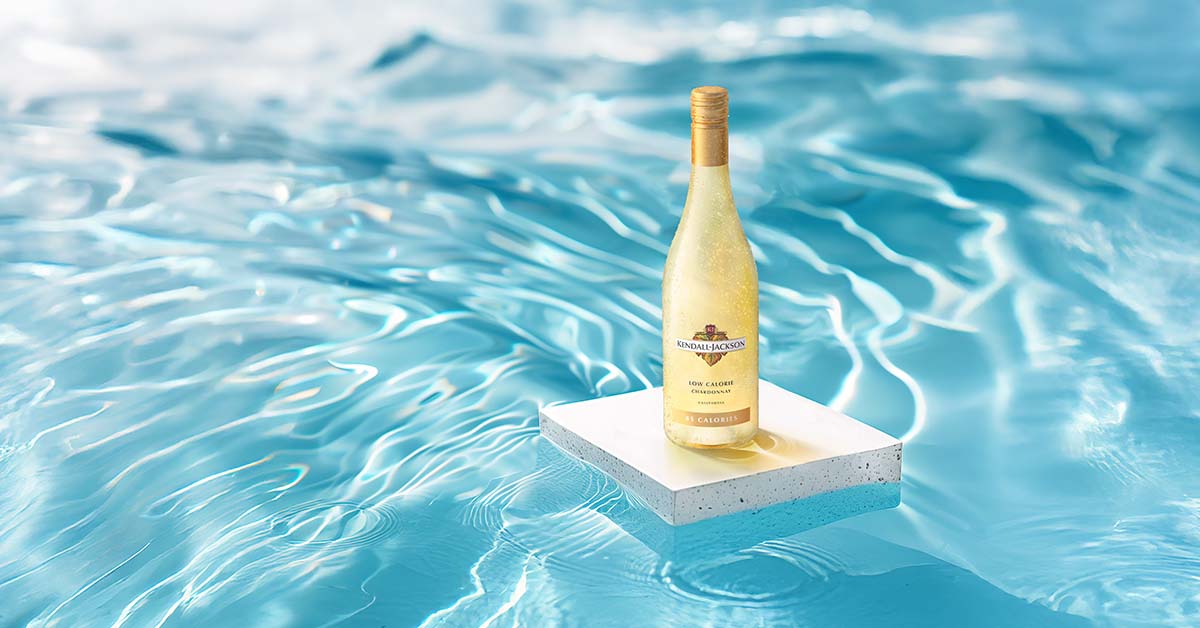
Stunning photography, sleek packaging designs, and strong storytelling all contribute to creating a lasting impression. For example, using high-quality photos of your wine bottles on your website and marketing materials instantly strengthens your perceived value and professionalism.
Pro tip: Wineries should also consider offering wine tasting notes with descriptions of aromas, flavors, and pairings. This adds a layer of sophistication that can sway undecided customers.
Analyzing price
Price as a reflection of value
Pricing your wine competitively while maintaining profitability is crucial. Your pricing strategy can influence how your brand is perceived:
- Premium pricing: For high-end wines, pricing should reflect exclusivity and quality.
- Discount pricing: For mass-market or introductory brands, price points need to focus on affordability.
Pricing strategies in the wine industry
Studies show that consumers often associate higher-priced wines with superior taste, regardless of whether that assumption holds true. That's why aligning your price with your target audience's expectations is essential. For instance:
- Sell a $20 bottle as the "perfect date-night wine."
- Alternatively, position your $80 vintage as "the ideal choice for celebrations."
Pro tip: Highlight price-to-value benefits. If your wine offers complexity at an affordable cost, communicate this in marketing copy by mentioning terms like "exceptional value."

Exploring place
Distribution channels matter
Your wine's accessibility can make or break your customer relationships. The "Place" element focuses on where and how consumers purchase your wine. Options include:
- Traditional retail stores
- Online platforms and marketplaces
- Winery tours or tasting rooms
- Subscription services or wine clubs
Retail vs. online sales
Online is increasingly where the buying decision gets made, but it is no longer the easy growth story it was a few years ago. In the US, direct-to-consumer wine shipping fell 15% in volume during 2025 to 5.4 million cases and $3.7 billion in value, the steepest decline since Sovos ShipCompliant and WineBusiness Analytics began tracking the channel in 2010. Global online wine market estimates vary enormously depending on methodology, from roughly $2 billion to nearly $5 billion, so treat any single headline figure with caution.
The practical takeaway is not that online is shrinking so you should retreat from it. It is that a contracting channel rewards the brands that show up well in it and quietly drops the ones that do not. Use digital storefronts with intuitive navigation, mobile optimization, and professional wine photography to convert casual wine enthusiasts into loyal customers.
Pro tip: Partner with restaurants, wedding planners, or subscription box companies to further diversify your distribution channels.
Mastering promotion
Telling your story
Promotion is more than just advertising; it's how you communicate your brand's unique story and values. Aim to connect emotionally with your audience. Are you championing sustainable farming practices, or celebrating family traditions from your vineyard's century-old legacy?
Digital marketing tactics for wineries
- Social media: Platforms like Instagram and TikTok are perfect for showcasing content such as behind-the-scenes vineyard tours, sommeliers on site, and visually appealing product imagery.
- Email campaigns: Promote seasonal releases, early-bird discounts to loyalty program members, or exclusive blends.
- Events: Whether attending a wine expo or hosting wine-tasting events, creating FOMO (fear of missing out) can boost participation.
- Collaboration: Consider collaborating with chefs, influencers, or lifestyle brands to tap into new demographics.
Real-world examples of successful wine marketing
To see the 4Ps of marketing in action, here are four wineries that have successfully used each element to strengthen their brand:
- Ridge Vineyards (California) – Product
Ridge Vineyards masterfully blends storytelling with exclusivity by offering members-only tastings of limited-edition wines just once a year. This approach enhances product allure and deepens loyalty among enthusiasts. - La Crema Winery (California) – Place
In response to the rise of e-commerce, La Crema introduced immersive virtual vineyard tours to engage digital visitors. This advanced use of "place" bridges the gap between physical terroir and online experience, drawing in remote customers with a sense of presence and authenticity.

- Penfolds (Australia) – Price
Penfolds employs a smart tiered pricing strategy, from approachable everyday wines to iconic, ultra-premium releases like Penfolds Grange. This pricing architecture broadens their customer base while reinforcing the brand's prestige.

- Robert Mondavi Winery (California) – Promotion
A pioneer in wine tourism, Robert Mondavi transformed the concept of promotion by turning the winery into a destination. Through tours, tastings, and cultural events, they built lasting customer relationships and redefined winery marketing.
These examples highlight how a thoughtful application of the 4Ps, Product, Place, Price, and Promotion, can create meaningful customer experiences and drive long-term brand value in the wine industry.
How to use the 4Ps to build a standout wine brand
Breaking through in a saturated wine market is no easy feat, but mastering the 4Ps of marketing, Product, Price, Place, and Promotion, can give your brand a powerful edge and create meaningful, lasting connections with your audience. Here's how to make them work for you:
- Product: Craft a wine that truly resonates. Whether it's premium blends, sustainable production, or accessible everyday options, your offering should reflect what your ideal customer values most.
- Price: Set pricing that aligns with your audience's expectations and perceived value, while still supporting your business goals. A clear pricing strategy reinforces your positioning.
- Place: Be wherever your customers are. Combine physical retail, tasting rooms, and digital channels to ensure easy access to your wine, on their terms.
- Promotion: Share your story with purpose. Use compelling visuals, engaging content, and memorable campaigns to turn awareness into loyalty and transactions into lasting relationships.
When applied with intention, the 4Ps become more than just a framework. They become the foundation for a brand that thrives. Start strengthening your wine marketing today, and position your label not just to compete, but to lead.
FAQ about wine marketing
What are the 4Ps of wine marketing?
The 4Ps are Product, Price, Place, and Promotion, the key elements that define a successful marketing strategy for wineries. Mastering these helps you attract your ideal audience, boost sales, and stand out in the wine industry.
Why is professional photography important for wine marketing?
Eye-catching product photography builds trust and grabs attention online, helping your wine stand out against competitors. High-quality images drive engagement and ultimately increase sales.
How can wineries increase their direct-to-consumer (DTC) wine sales?
Focus on building an engaging online presence, use targeted digital ads, and implement email marketing campaigns. Using e-commerce platforms and professional visuals helps maximize DTC results. Bear in mind that the US DTC shipping channel contracted 15% in volume in 2025, so the wineries gaining ground are taking share rather than riding growth.
What role does storytelling play in wine promotion?
Effective storytelling inspires emotional connections, showcases your winery's unique heritage, and turns casual buyers into loyal fans. People don't just buy wine, they buy the story behind the bottle.
How do I choose the right sales channels for my winery?
Evaluate your target audience and weigh the benefits of tasting rooms, wine clubs, retail distribution, and e-commerce. A multichannel approach ensures you reach more customers wherever they are.