Wine Paris field notes: what’s actually changing (and what isn’t)
How producers are adapting to a rapidly evolving wine market.

Vinexposium Wine Paris is supposed to happen in the middle of a difficult moment for wine.
- Consumption headwinds.
- Generational shifts.
- Distribution pressure.
I expected caution, maybe even fatigue.
What I found instead was energy.
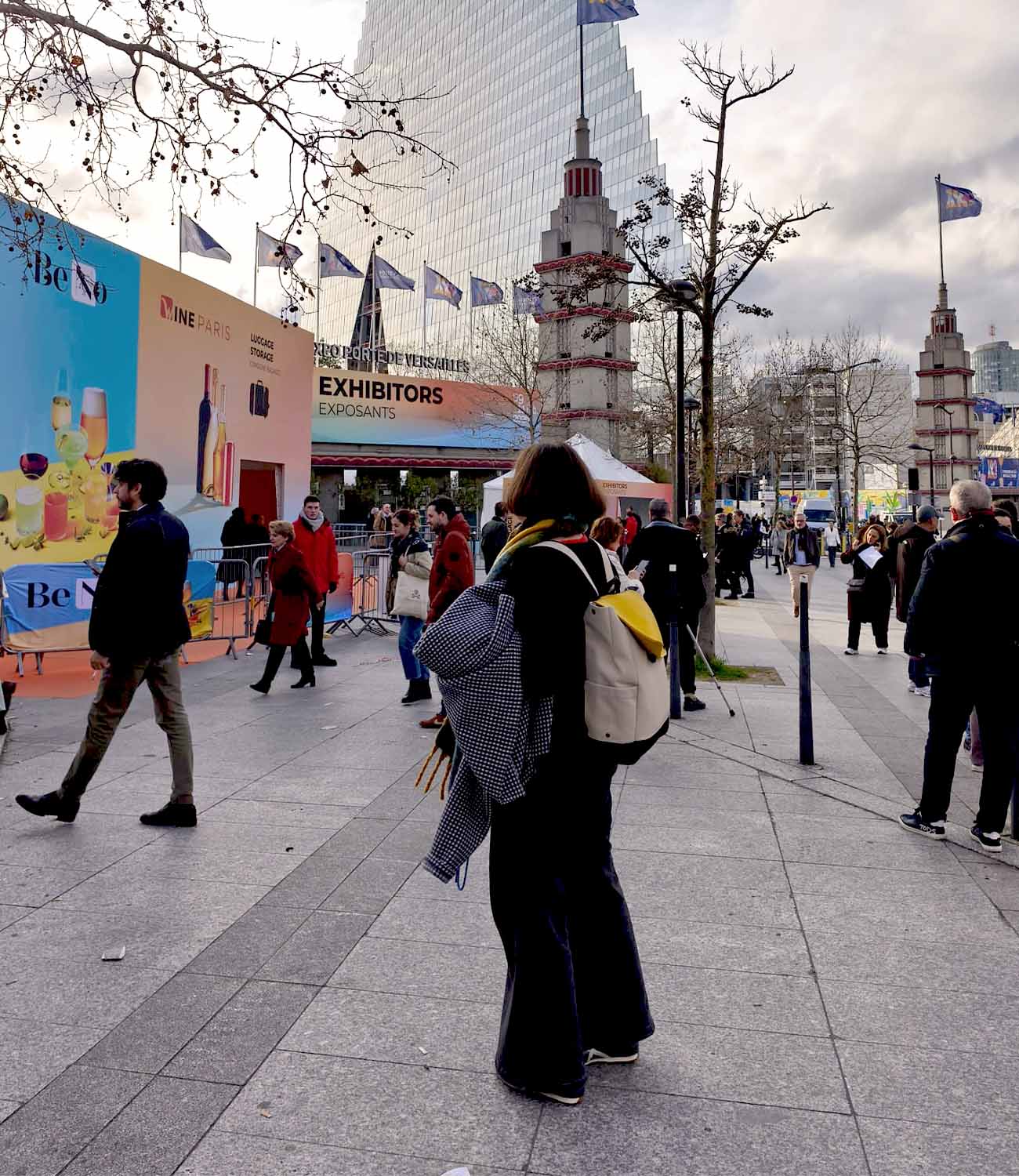
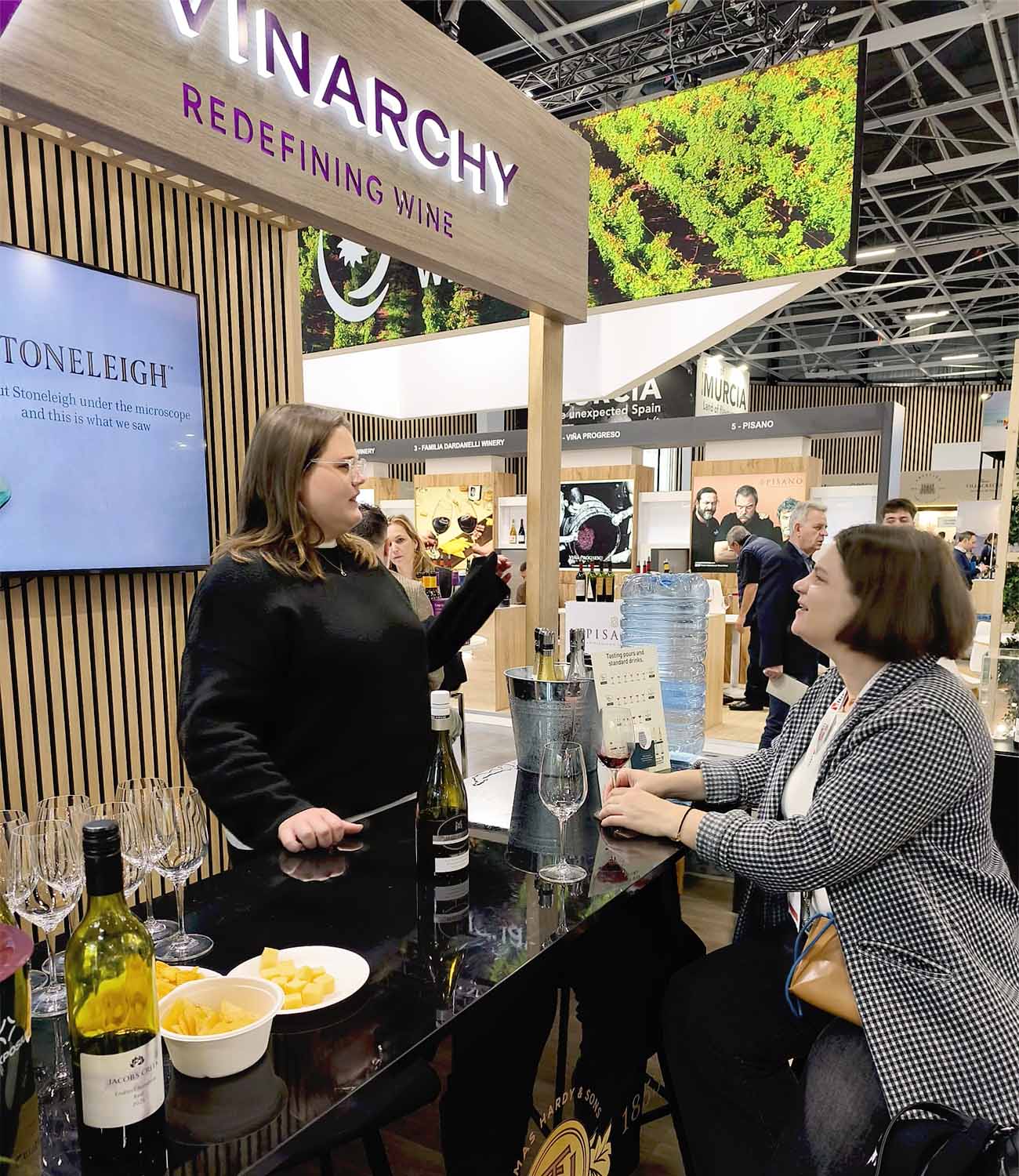
Brighter halls. Open stands. Conversations flowing. At the end of the day, music started, cheese appeared, and business kept happening. Serious, yes... but human. Epicurean. Alive.
Optimism was not loud or naive.
But people were still investing, traveling, launching, meeting.
The industry is not retreating.
It is trying to adapt.
Export is no longer ambition. It’s survival.
If one topic surfaced again and again, it was distribution.
Producers are hunting for importers. Expanding beyond traditional routes. Looking wherever demand might exist.
A Lebanese winemaker told us 80% of his production must leave the country because local buying power simply isn’t there.
We heard wineries exploring Senegal, Cameroon, Côte d’Ivoire: markets where wine signals rising luxury status.
That is not trend chasing.
That is structural necessity.
Meanwhile, the attention crisis is real
Let’s be conservative.
Assume each stand shows only five wines (already unrealistic).
A visitor staying from opening to closing for three full days would still need to taste roughly 19 wines per minute to try everything.
Choice is infinite.
Attention is not.
In that environment, the enemy becomes friction.
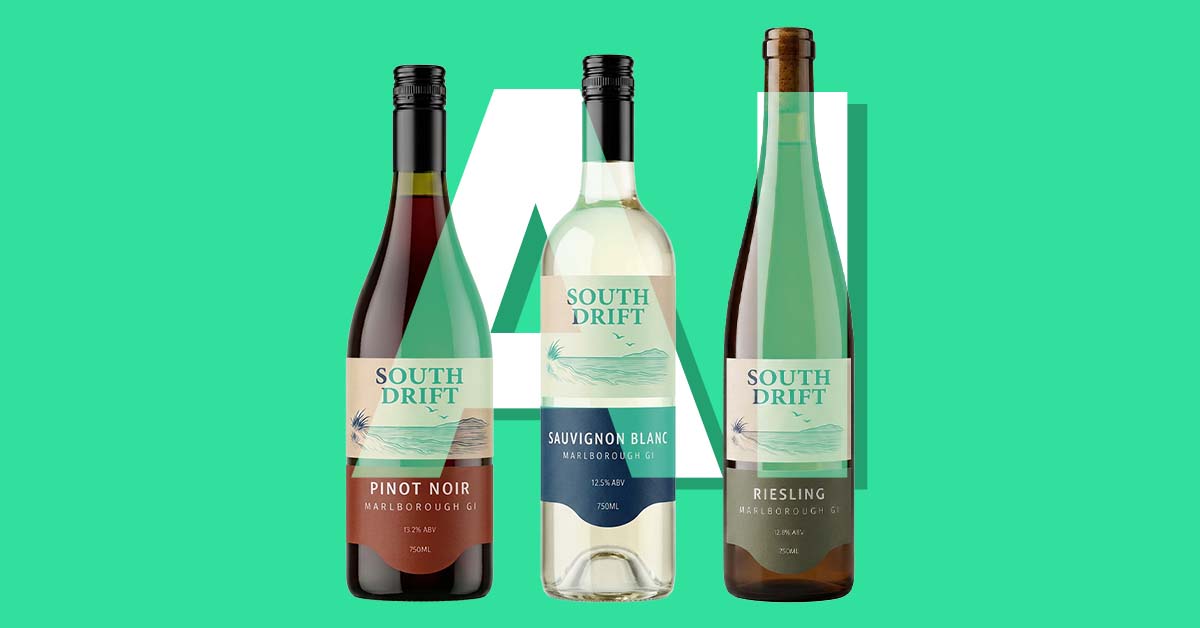
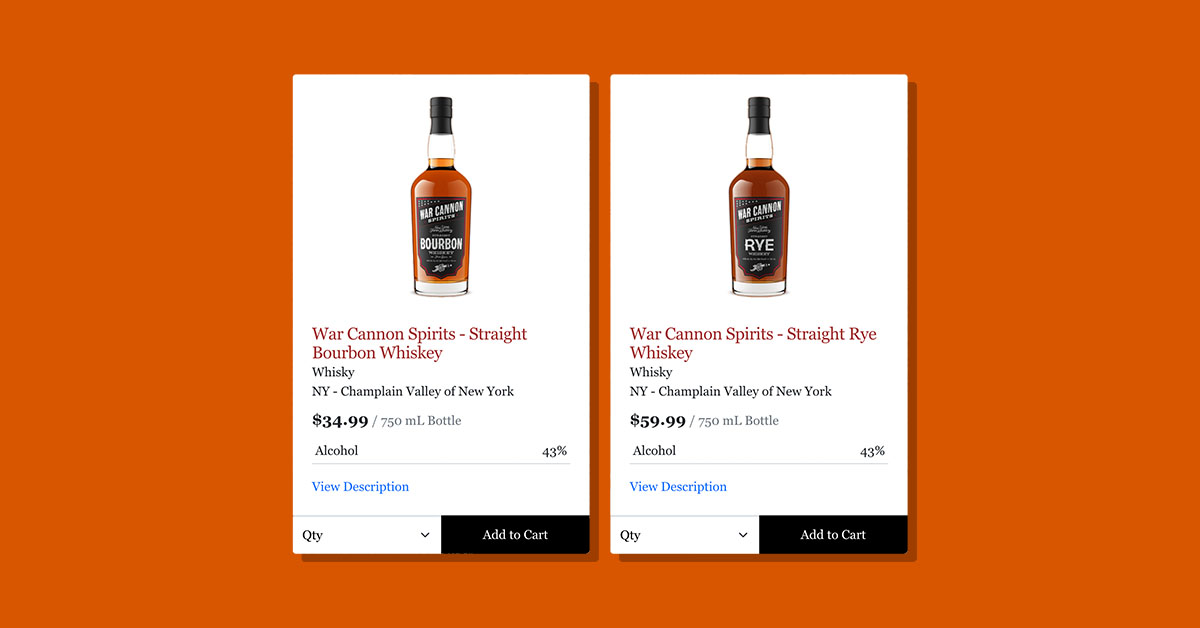
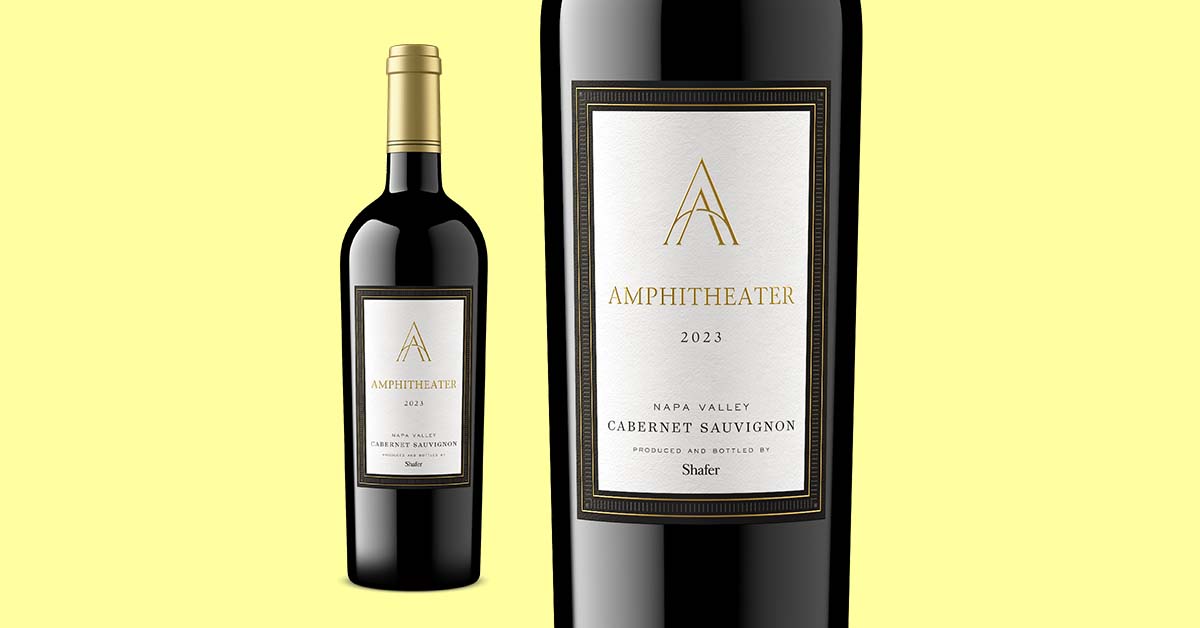
Anything harder to understand, explain, or resell loses, which is why suppliers investing in imagery that helps buyers sell gain an immediate advantage.
No/Low: inevitable, strategic, uneven
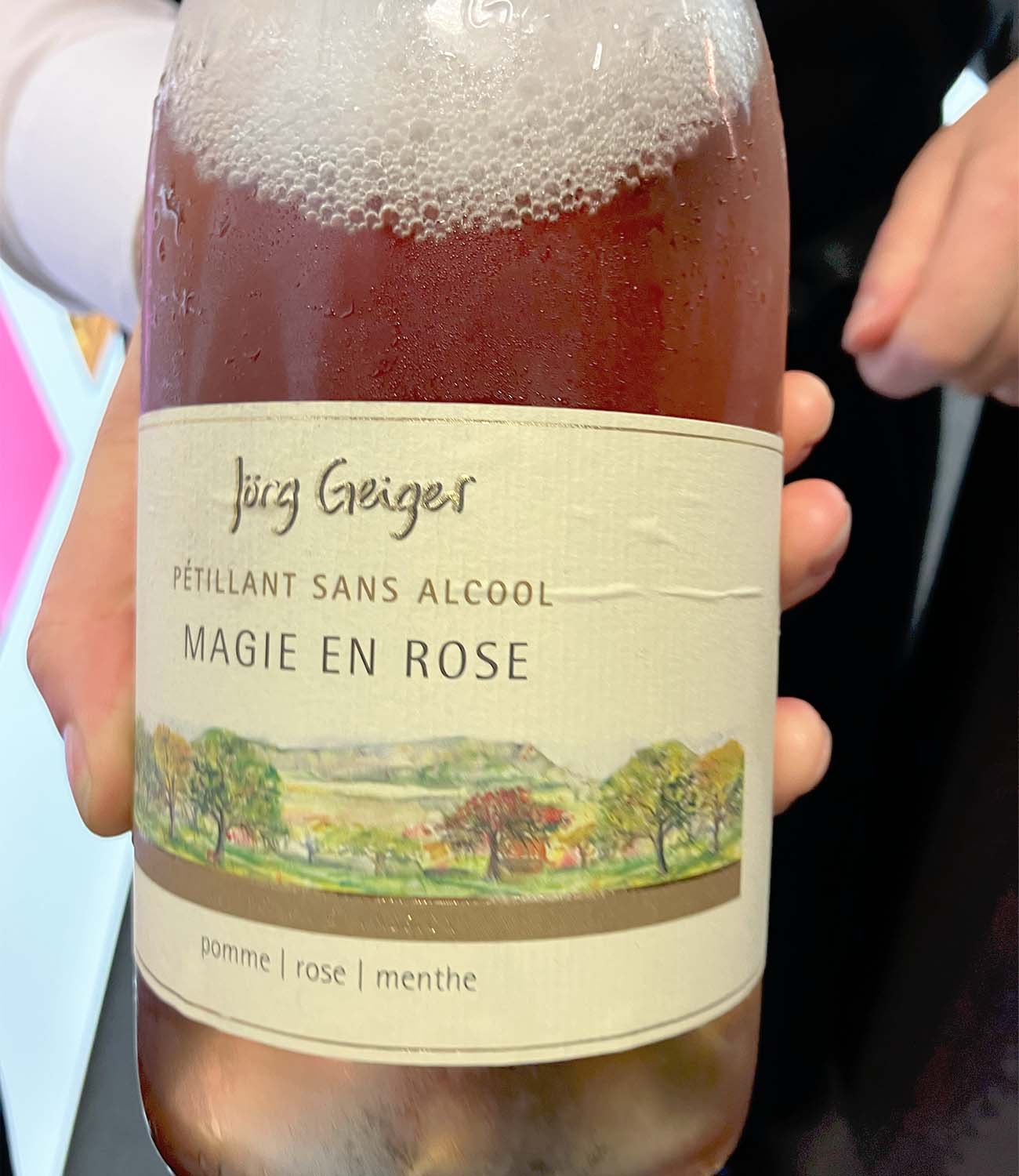
The no-alcohol area carried curiosity and momentum.
Some producers embrace it. Others participate reluctantly because it opens doors with distributors.
Quality varies dramatically.
Whites, sparkling, rosé: sometimes impressive.
Some reds: still a struggle.
A few examples drifted into syrup territory, so sweet they felt closer to mixer than beverage.
At the same time, brands like Noughty argue convincingly that no/low should not be apologetic or cheap. Their thesis is commercial: people moving between alcohol and non-alcohol within the same occasion increase total spend for venues.
This is less about ideology than practicality.
Three booths, three strategies for relevance
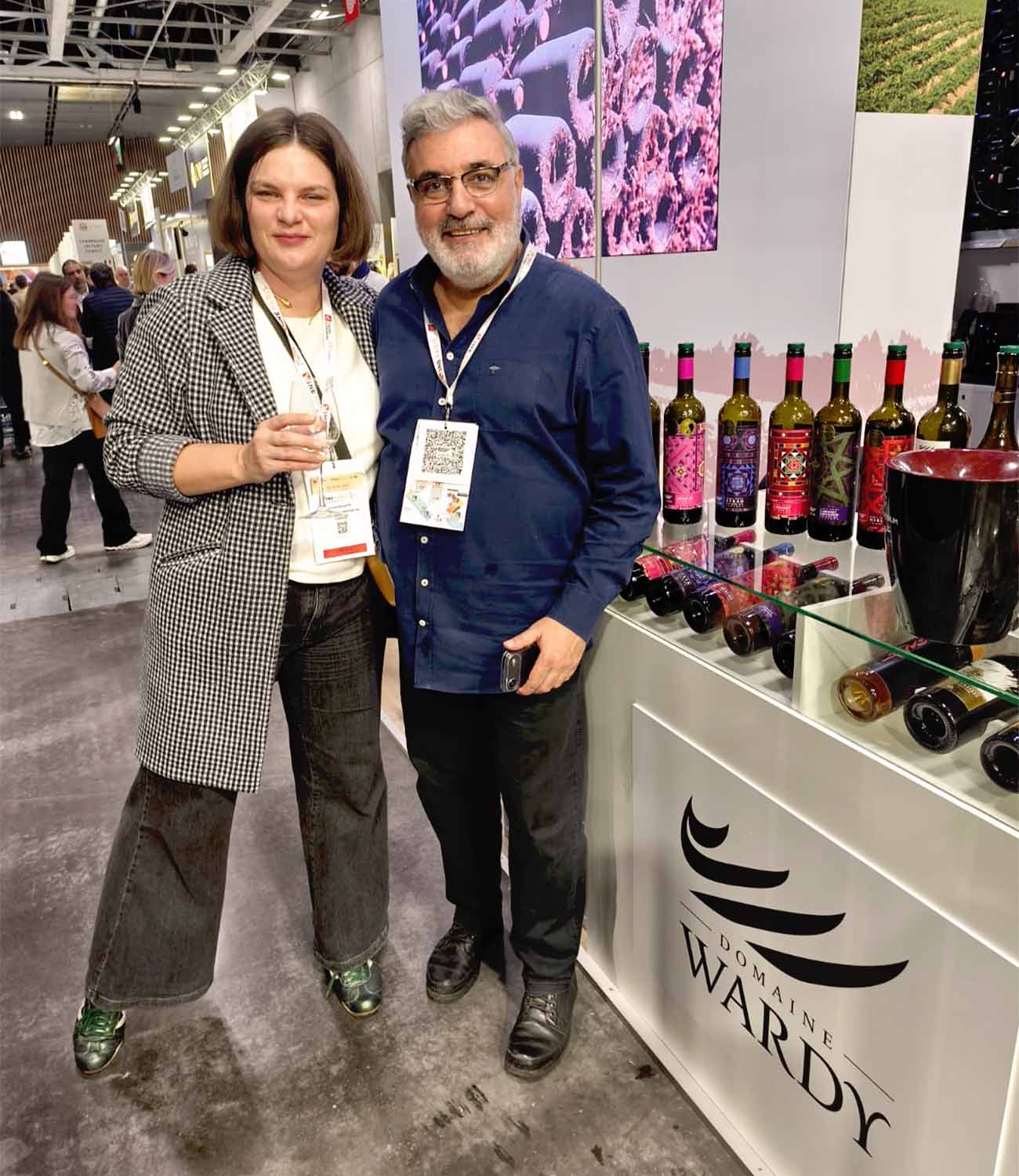
Domaine Wardi
Tiny space. Huge emotional presence.
Traditional mosaic-inspired labels, visual storytelling, deep human exchange. You remember the person (Khalil!) and the place.
Authenticity still works... when translated clearly.
Troupis Winery
Indigenous grapes from the Greek Peloponnese, modern execution.
Tablet in hand. Vineyards, varieties, history made easy to grasp.
Heritage without dust.
Tradition, upgraded.
Noughty AF
Bold, unapologetic, commercially sharp.
Understands drinkers are fluid. Occasion matters more than identity.
Different paths.
Same objective: remain easy to choose.
Two industries under one roof
Walking the halls, you could see it.
Some booths run by a solo founder and a friend, hoping to meet opportunity.
Others operating like machines: teams, calendars full, buyers pre-booked.
Relationship model vs system model.
They are competing for the same shelf.
What felt stuck
Without a compelling human interaction, certain labels disappeared instantly into the sea of tradition.
Perfectly respectable wines.
Competent packaging.
Unmemorable.
And in today’s market, forgettable is dangerous.
Sustainability & lighter glass
Important. Everywhere. Expected.
But no longer differentiating.
The uncomfortable truth
Most consumers do not live for wine.
Wine lives inside dinner, celebration, moderation, curiosity.
It competes with cocktails, beer, abstinence, early mornings.
Producers who understand this design for flexibility.
Others defend identity.
What will separate brands now
Not just story.
Execution.
Clarity.
Ease of resale.
Reduced cognitive load for buyers drowning in options.
Final impression
More optimistic and energetic than anticipated.
And quietly, underneath the tastings and music, a serious question:
Who is truly ready for the next step after the handshake?