Digital twins: How virtual bottles transform beverage sales
The future of product visualization for beverage brands.

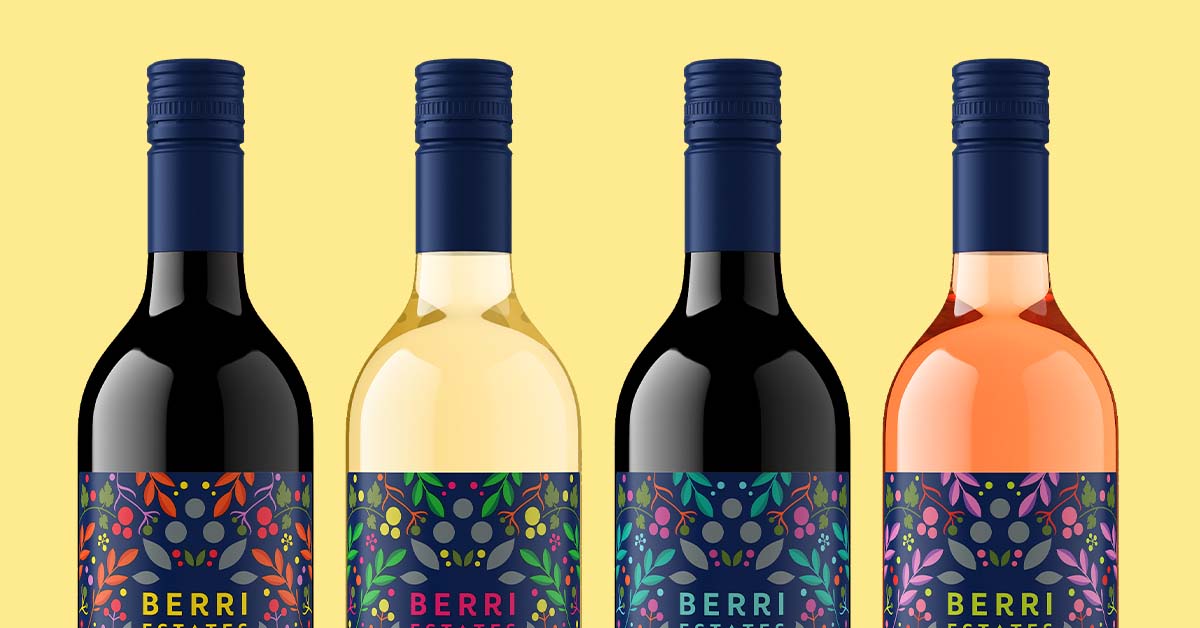
In an industry where a single vintage can require dozens of photography updates across global markets, where limited-edition bottles demand new creative assets before the wine is even bottled, and where seasonal promotions need fresh visuals yesterday, beverage brands face a fundamental problem. Traditional product photography can't keep pace with modern marketing demands.
Enter the digital twin: a photorealistic 3D model of your bottle that exists in a virtual photo studio, ready to be presented from any angle, in any setting, under any lighting condition, without ever booking studio time or shipping physical samples.
What sounds like Hollywood is already transforming how major beverage brands create their visual content. For wineries, breweries, and spirits producers, this technology represents a fundamental shift in how product photography gets done.
Read more: Why today's biggest brands rely on CGI images, not traditional photography studios.
What is a digital twin?
A digital twin is a pixel-perfect 3D replica of your product. In this case, your bottle. Think of it as a virtual stand-in that exists in digital space, complete with accurate surface textures, label details, light refraction through glass, and even the subtle condensation that appears on a chilled bottle.
Unlike AI-generated product images that can create incorrect details or fail to maintain brand compliance, digital twins are built from your actual physical product. Outshinery creates these twins by receiving your bottle specs, then meticulously recreating it in 3D down to how light interacts with different materials: the embossing on a label, the way glass refracts light, the metallic sheen of a capsule.
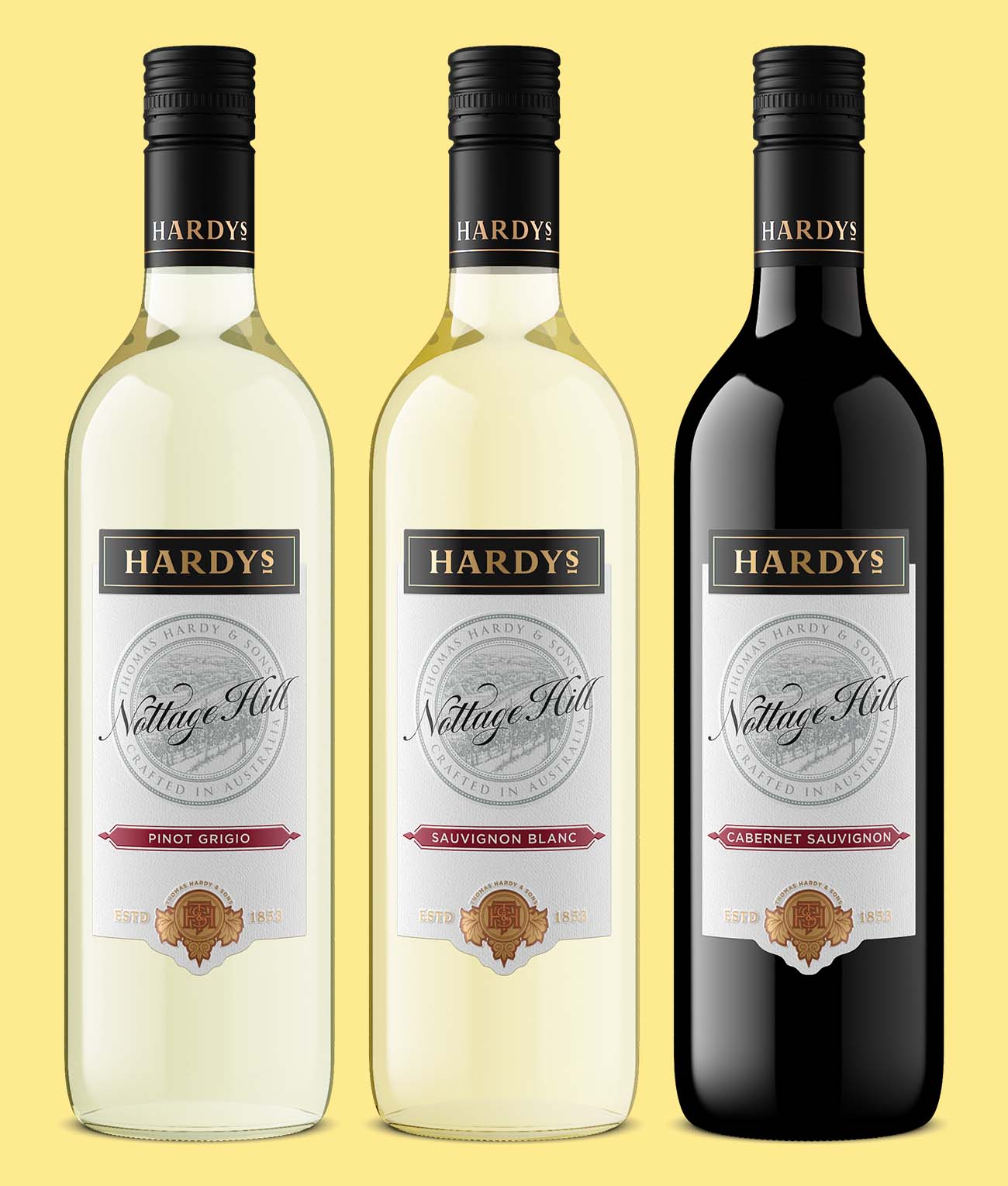
The beverage industry's unique photography challenge
Wine and spirits brands face photography demands that few other industries can match.
Vintage changes: Every year brings new vintages requiring updated photography across all marketing channels: e-commerce, social media, print catalogs, distributor materials, and sales sheets.
Limited editions: Special releases, reserve bottlings, and collaboration wines need marketing assets before bottles even exist. Traditional photography requires waiting for final production.
Multi-market requirements: A single wine might need different label variants for US, EU, Asian, and other markets. Each requiring its own complete set of product shots.
Seasonal campaigns: Holiday promotions, harvest celebrations, and seasonal releases demand fresh creative approaches multiple times per year.
E-commerce demands: Online retail does best with a minimum of five to eight images per product. Multiply that across your portfolio and the numbers become staggering.
The traditional approach (booking studio time, coordinating photographers, shipping bottles, waiting for edits) creates bottlenecks that slow product launches and limit creative experimentation. Digital twins eliminate these constraints entirely.
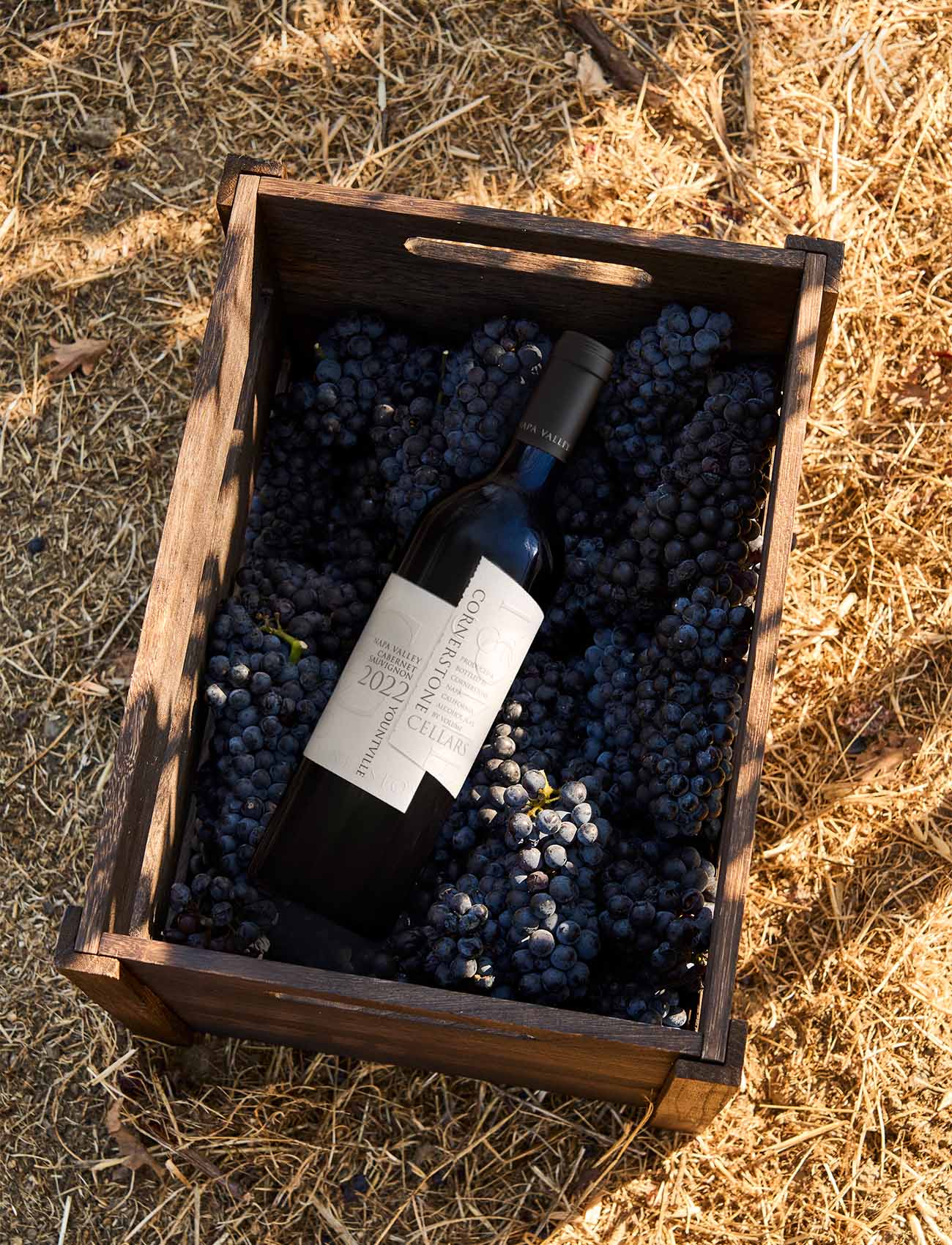
How digital twins transform beverage photography
Speed: From weeks to minutes
Brands using digital twin technology report production speeds significantly faster than traditional photography. What previously took weeks per shoot now takes days, hours, even minutes with Outshinery Lite. For beverage brands, this means vintage updates that once required coordinating multiple photoshoots can be completed in an afternoon.
Consider a winery with a portfolio of 20 wines, each needing eight images for e-commerce. That's 160 shots. Traditional photography might require multiple studio sessions, significant coordination, and weeks of turnaround. With a digital twin, Outshinery generates all 160 images, testing different backgrounds, lighting setups, and compositions until each one is perfect.
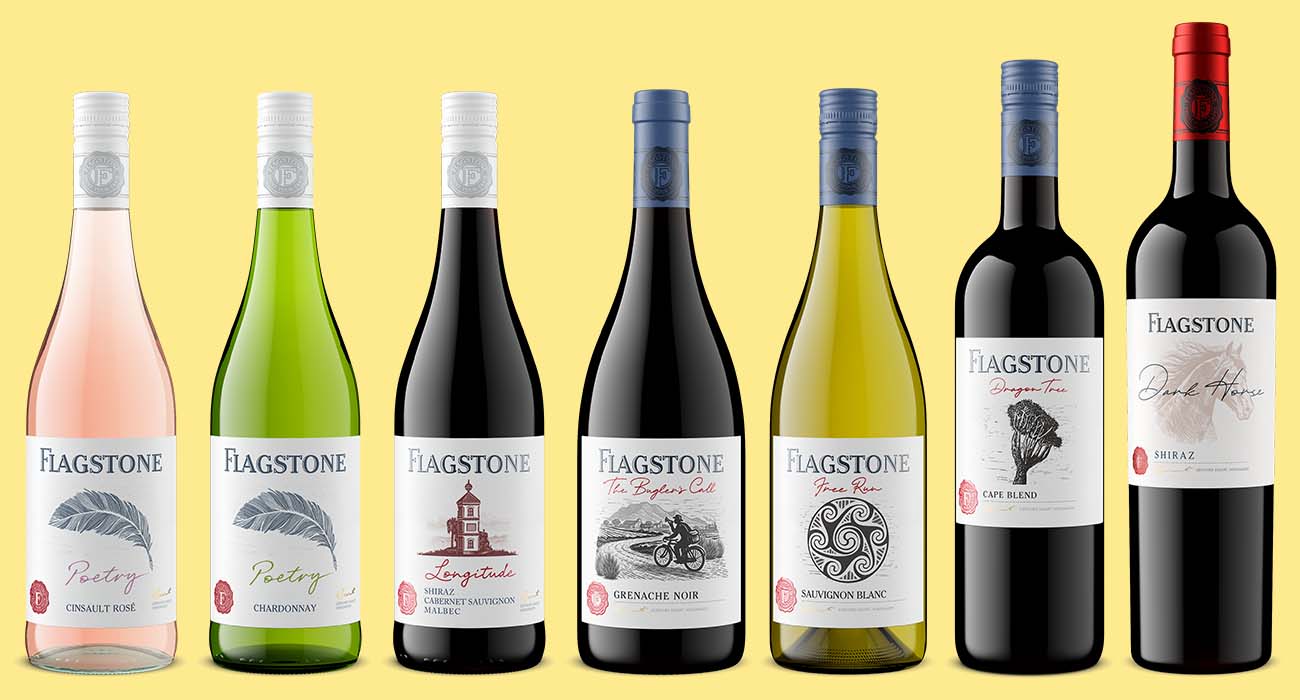
Creative freedom without budget constraints
Traditional product photography operates on a studio meter. Every lighting change, every background swap, every additional angle costs time and money. This creates conservative creative choices. Brands stick with what they know works rather than experimenting.
Digital twins flip this equation. Want to see your rosé bottle against a Mediterranean sunset backdrop? Or your reserve Cabernet in a sophisticated library setting? Or your sparkling wine with festive holiday elements? Each variation is available at a budget-friendly price.
Outshinery allows brands to experiment with multiple creative directions. Brands find their best-performing social media content often features digital twin renders over traditional photography, and they create these variations without rebooking studio time.
Launch products before they exist
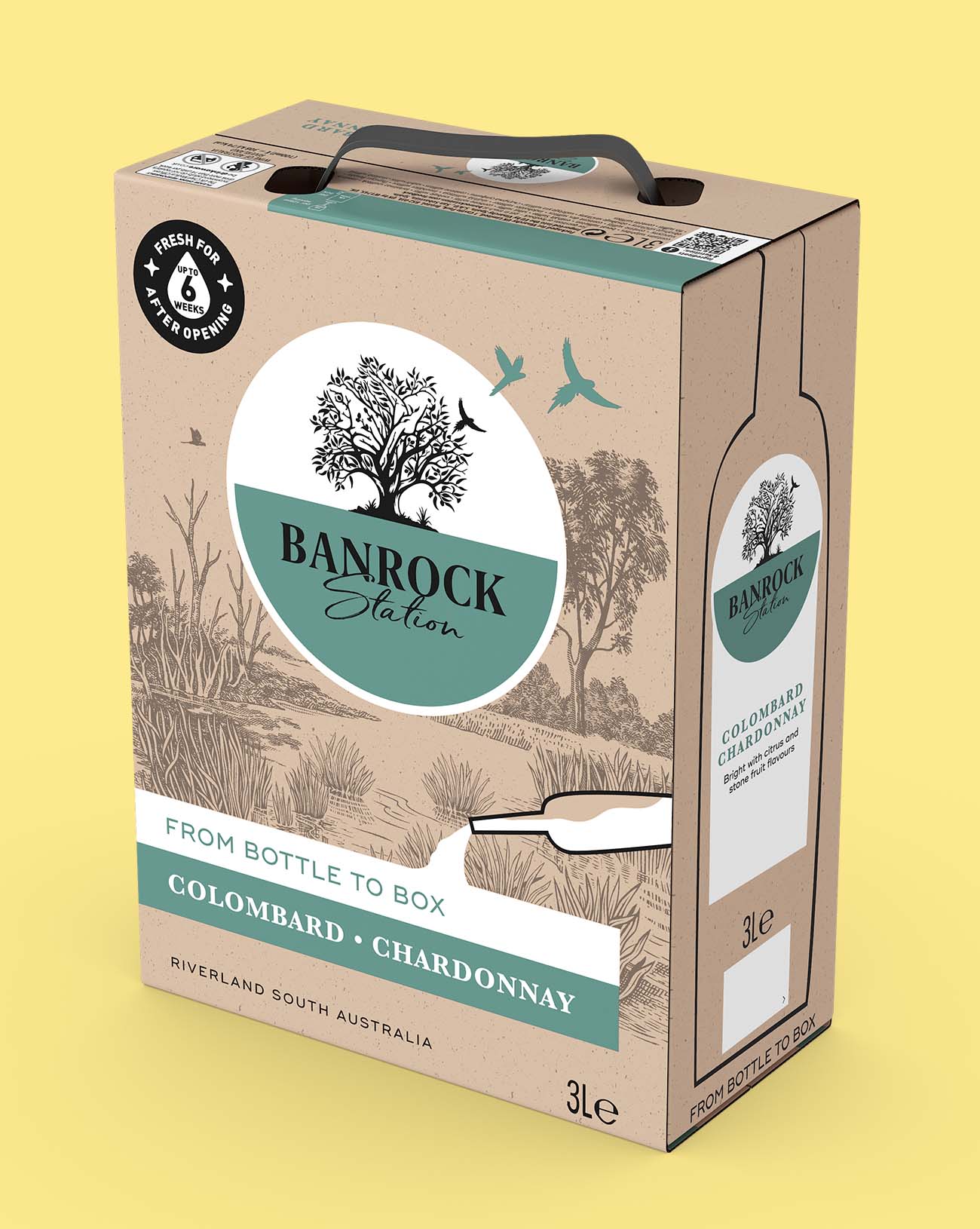
Perhaps the most compelling use case for wineries: you can create marketing materials before final production. Working on a limited-edition bottling with a new label design? Create the digital twin from your prototype and start building marketing assets while the wine is still in barrel.
This advance timeline can literally add weeks to your sales window. Instead of waiting for final bottles to arrive before creating e-commerce listings, email campaigns, and social media content, you can have everything ready to launch the moment bottles are available to ship.
Global catalog updates made simple
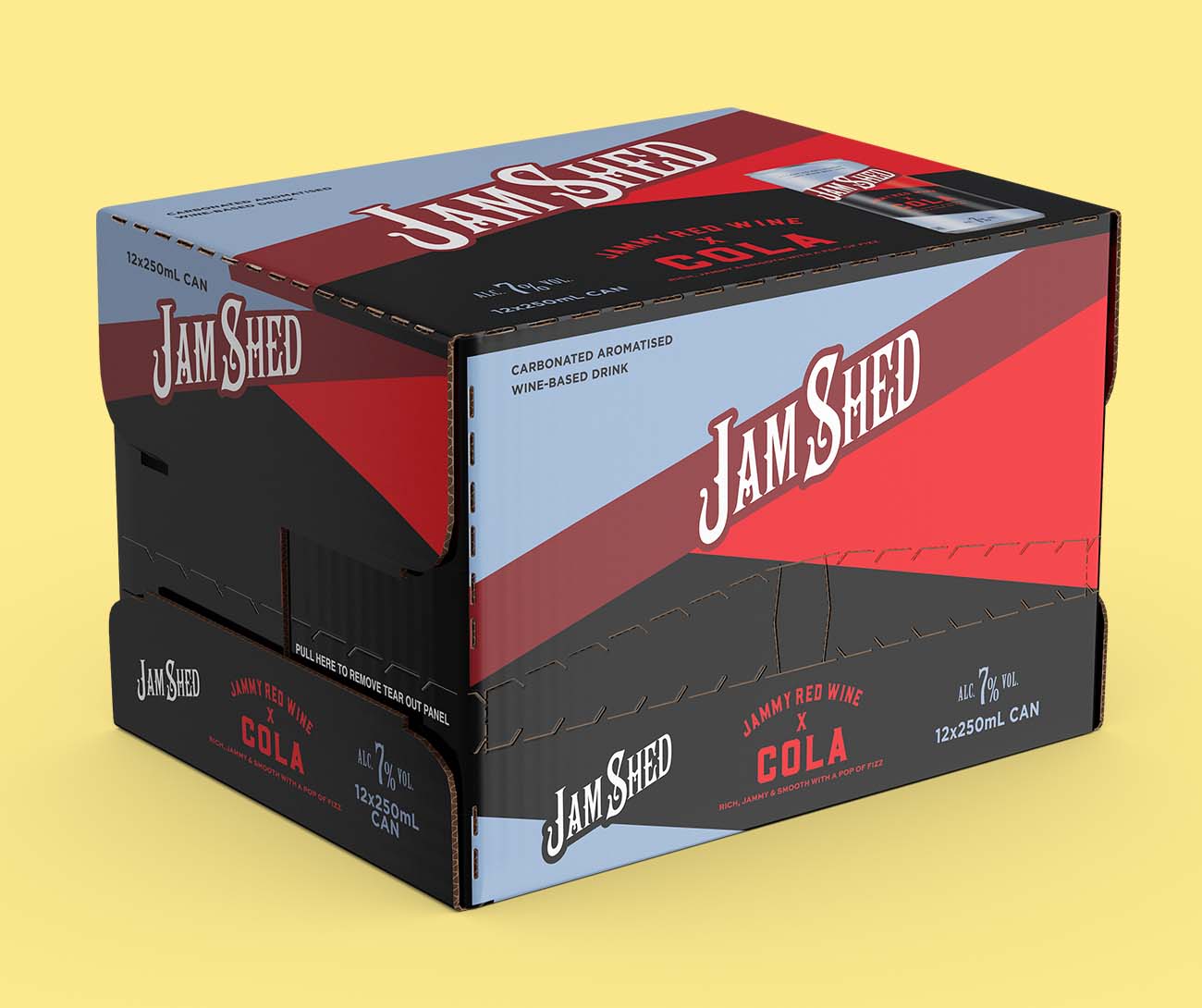
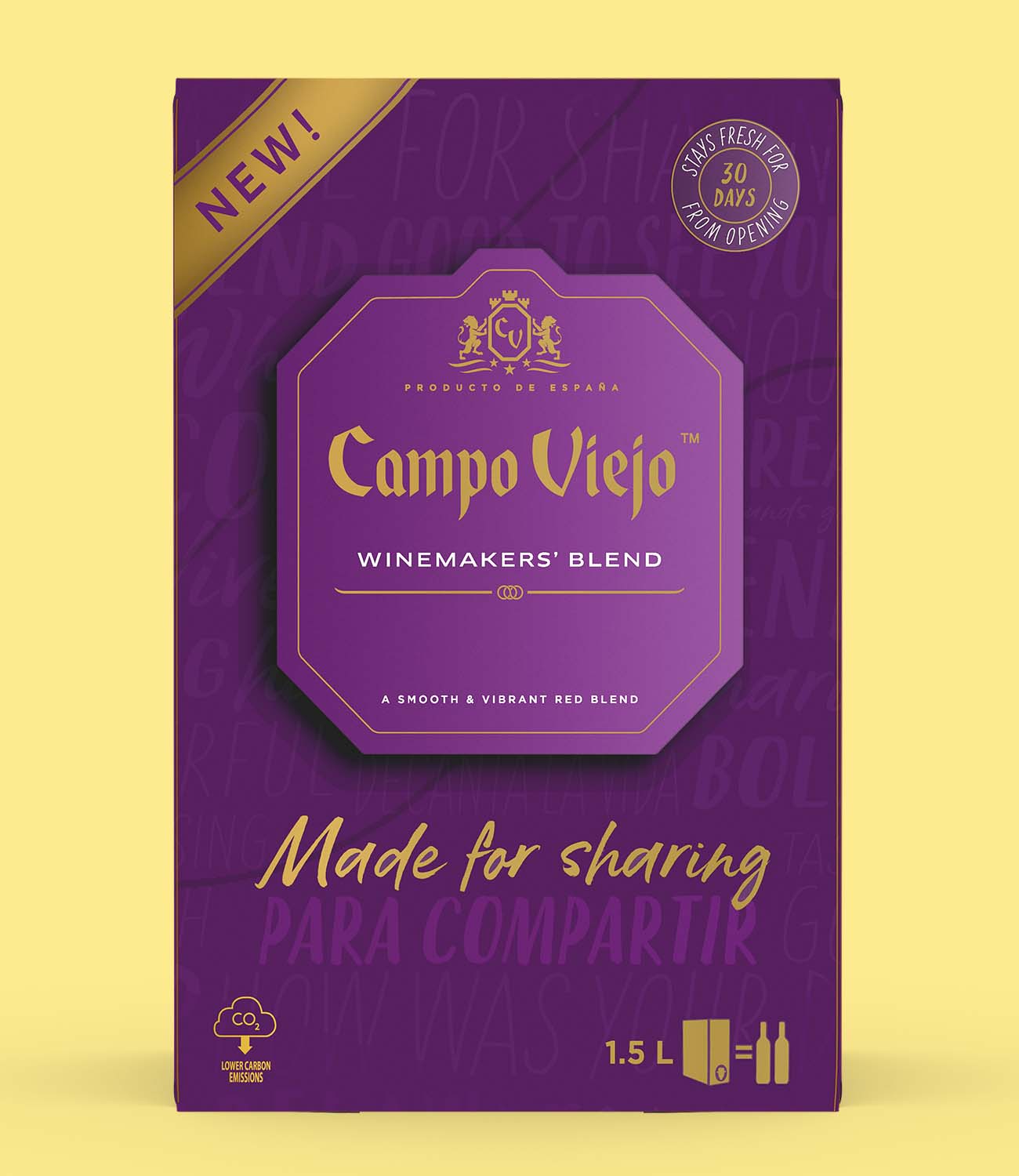
For brands operating across multiple markets, digital twins solve the regional variant problem elegantly. Once you've created your digital twin, updating it with different label variants for different markets becomes straightforward. The same bottle can be photographed with US labeling for domestic distributors, EU labeling for European markets, and specialized labels for Asian markets, all without physically producing each variant for photography.
Cost reduction at scale
Users typically report significant savings on photography costs compared to traditional approaches. A transparent cost replaces ongoing studio bookings, photographer fees, equipment rentals, and shipping logistics for future photography needs.
For a mid-sized winery doing multiple photoshoots annually, the savings compound quickly. More importantly, the return on investment isn't just financial. It's creative capacity. Marketing teams report creating multiple times more content after switching to digital twins, not because they're spending more, but because the friction of traditional photography no longer limits experimentation.
For beverage brands, this opens new possibilities:
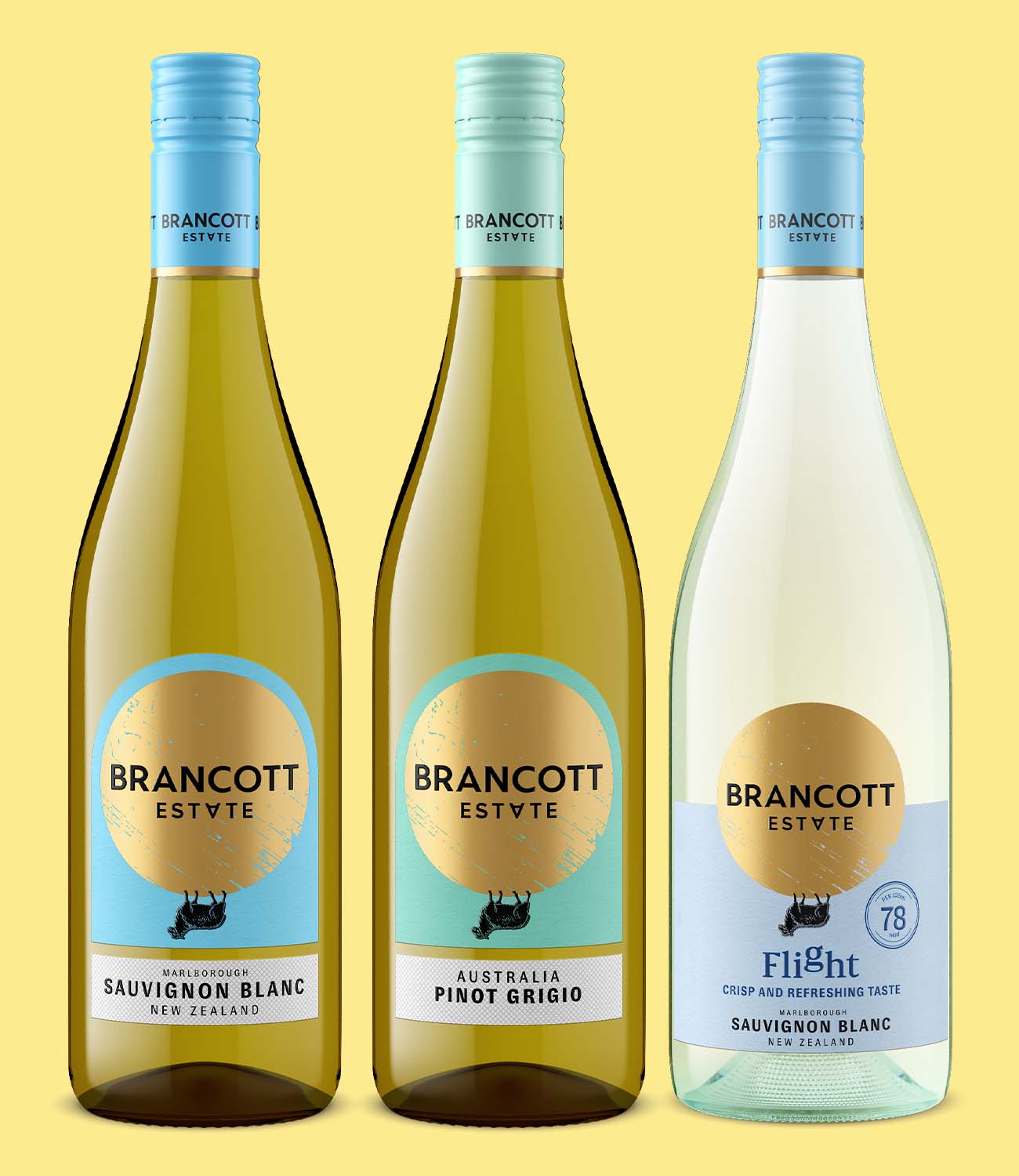
- Rapid personalization: Outshinery can generate multiple background variations optimized for different customer segments. Minimalist shots for design-focused consumers, lifestyle scenes for experiential buyers, technical angles for wine enthusiasts.
- Seasonal adaptations: Transform the same bottle shot across holiday themes, harvest celebrations, or summer promotions by generating contextual backgrounds.
- Video content: Static product shots can be animated into product demos, 360-degree rotations, or videos without complex video production.
Practical implementation: Getting started with digital twins
Implementing professional digital twins is a straightforward process, but the right path depends on your brand's specific needs. Whether you choose Outshinery Lite for speed or Outshinery Studio for scale, you’re investing in photorealistic detail without ever needing to ship a physical bottle.
Outshinery Lite: Fast, frictionless, and flexible
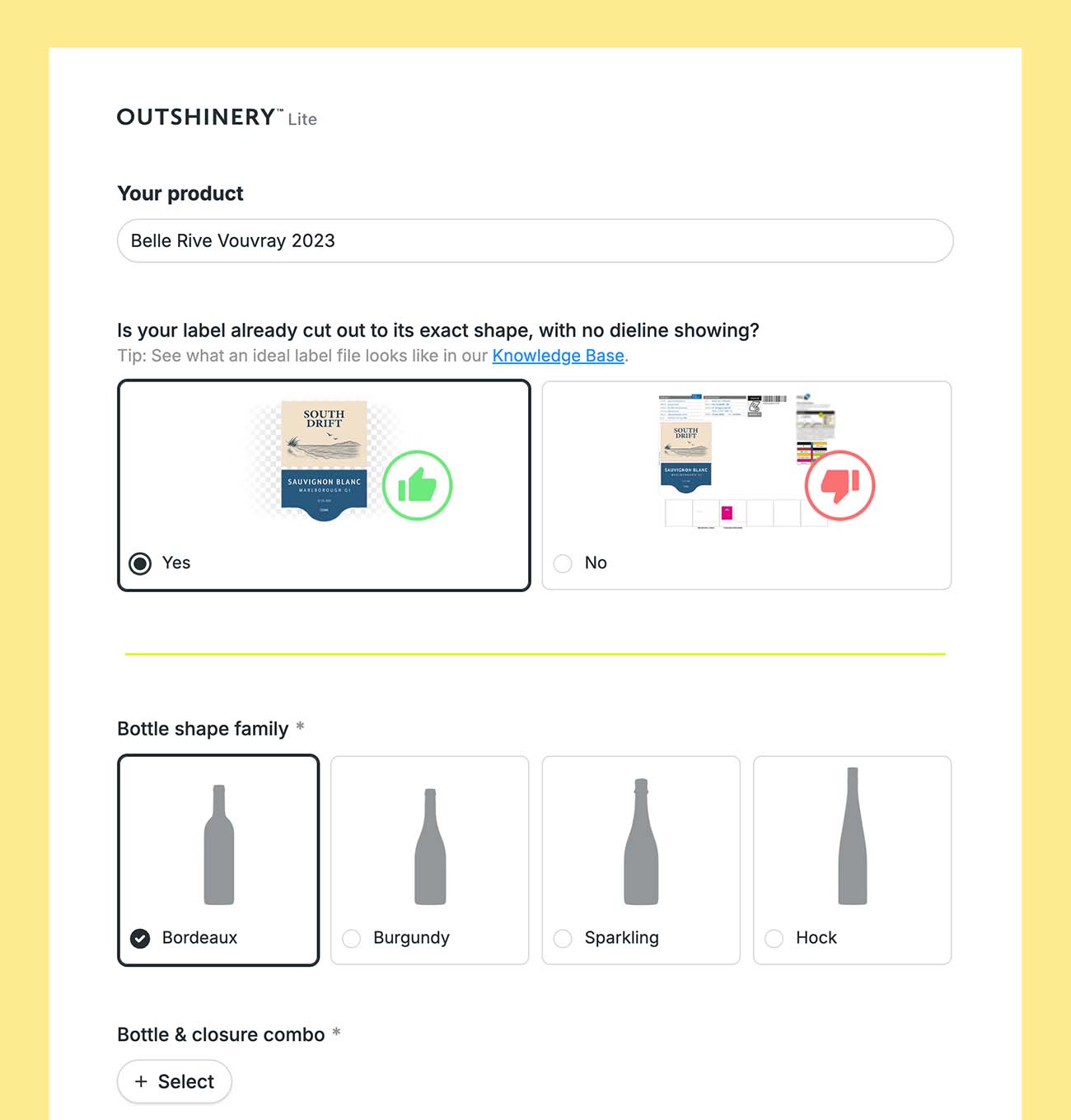
If you need high-impact visuals right now, Outshinery Lite is your go-to solution. Designed for wineries and distilleries that need professional product shots and lifestyle images in minutes, it offers:
- Instant results: Generate stunning imagery starting at just $29 per image.
- Ease of use: A self-service platform perfect for quick social media updates or seasonal promotions.
- No setup investment: Ideal for smaller portfolios or one-off creative needs.
Outshinery Studio: Comprehensive brand management
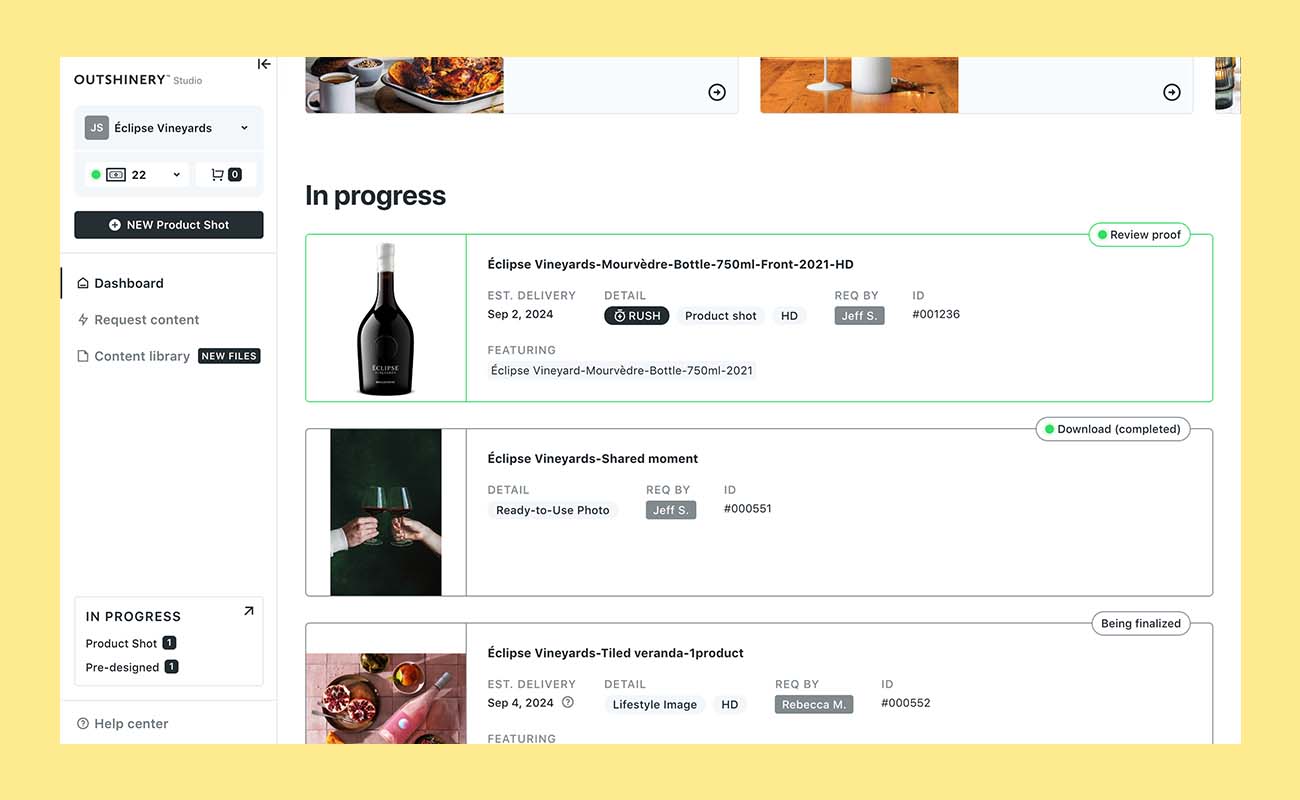
For brands looking to build a robust, scalable content engine, Outshinery Studio provides the ultimate competitive edge. This is your professional command center for:
- Custom digital twins: We build your core assets once with meticulous detail. This one-time setup allows you to order future content without ever providing physical samples again.
- Template libraries: Access hundreds of industry-specific templates (from vineyard backdrops to minimalist studios) ensuring 100% brand consistency across every SKU.
- Streamlined workflow: Manage high-volume visual assets through an intuitive interface with clear timelines, perfect for coordinating large-scale launches and harvest celebrations.
Real-world results: What brands are seeing
The metrics from brands using digital twin technology tell a compelling story:
- Production speed: Multiple times faster (from weeks to days to even minutes with Lite)
- Content output: Significant increases in monthly visual production
- Cost savings: Substantial reductions compared to traditional photography
- E-commerce impact: Brands report improved conversion rates when using high-quality digital twin imagery
Perhaps more importantly, brands report fundamental shifts in how they approach visual content. Instead of rationing photography because of cost and logistics constraints, teams experiment freely, test creative directions, and respond to opportunities instantly.
The quality question: CGI vs. traditional photography
A valid concern: can rendered images really match traditional photography's quality? The answer, increasingly, is that consumers can't tell the difference. And in many cases, digital twins produce superior results.
Modern digital twin technology produces photorealistic imagery with accurate shadows, highlights, and reflections. The glass transparency, label details, and surface textures are pixel-perfect because they're built from your actual product.
Moreover, digital twins offer control that traditional photography can't match. Perfect lighting every time. Exact color accuracy across all shots. No reflections of the photographer in the bottle glass. No dust specks or fingerprints to retouch. The consistency alone often makes digital twins superior to traditional photography, where variations between shots are inevitable.

What this means for beverage brands
Digital twin technology is particularly well-suited to the beverage industry's unique challenges:
- For wineries with vintage changes: Update your entire portfolio's photography with ease. Test creative directions for each vintage without staff time constraints.
- For limited-edition releases: Create marketing materials from prototypes before production. Launch campaigns the moment bottles are ready to ship.
- For global brands: Manage regional label variants without producing physical versions for each photoshoot. Maintain visual consistency across all markets.
- For seasonal campaigns: Rapidly create holiday, harvest, or promotional imagery without booking studios months in advance.
- For portfolio brands: Photograph entire product lines with consistent lighting and styling. Export in every format needed for different channels.
The strategic advantage isn't just efficiency. It's creative capacity. When photography constraints disappear, marketing teams can focus on strategy, storytelling, and experimentation rather than logistics and budget management.
The bottom line
Digital twins represent a fundamental shift in how beverage brands create visual content. For an industry where vintage changes, limited editions, and seasonal campaigns create constant photography demands, the ability to generate unlimited shots from a single digital asset changes the economics and creative possibilities of product photography entirely.
The technology is mature. The results are proven. Outshinery already serves thousands of wine, beer, and spirits brands worldwide. The infrastructure exists. The question is whether your brand is ready to leverage it.
In a market where speed, consistency, and creative volume increasingly determine success, digital twins aren't just a new tool. They're becoming essential infrastructure for modern beverage marketing. The brands that recognize this earliest will have years of creative and operational advantage before their competitors catch up.
Your bottles already exist in the physical world. Perhaps it's time they existed in the digital one too.
FAQ: Digital twins for beverage brands
What is a digital twin?
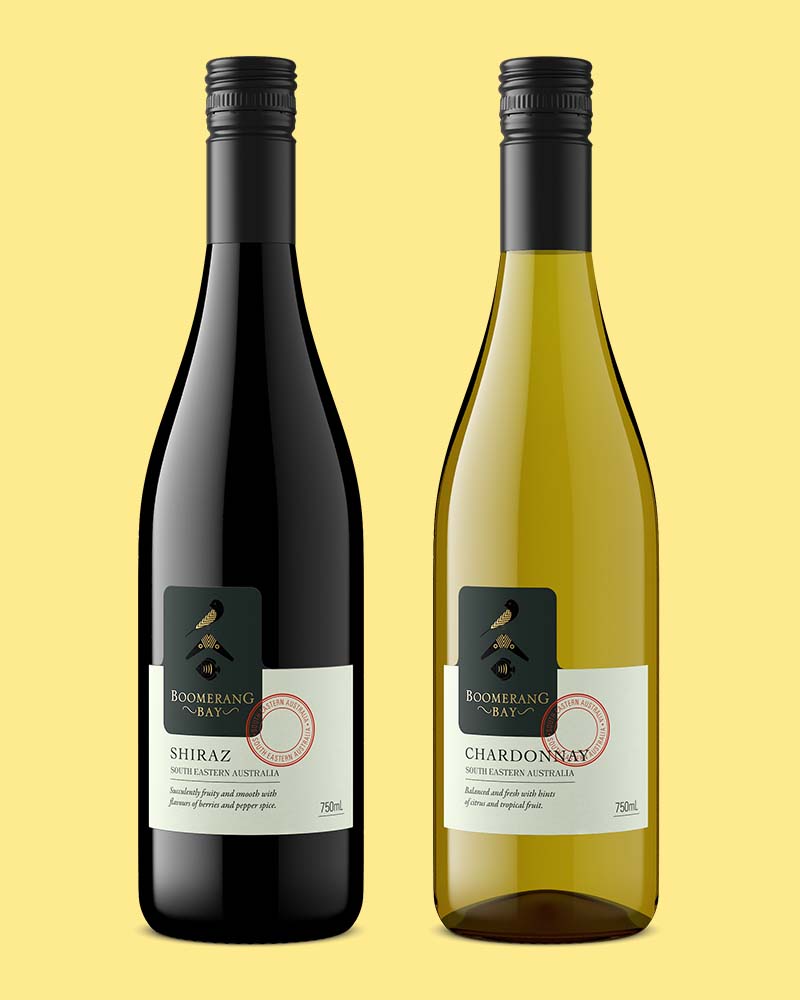
A digital twin is a photorealistic 3D replica of your product, such as a bottle, created with precise details like label textures, glass reflections, and lighting.
How does it differ from traditional photography?
Unlike traditional photography, digital twins allow you to create unlimited images without shipping physical products or booking studio time. You can update visuals instantly and experiment with creative ideas at a lower cost.
Can digital twins replace traditional product shots?
Yes! Digital twins produce photorealistic images indistinguishable from traditional photos while offering greater flexibility, speed, and cost-efficiency.
What are the benefits of using digital twins?
- Faster production timelines
- Lower costs compared to traditional photography
- Easy to update and maintain through time
- Unlimited creative possibilities with background and lighting adjustments
- Ability to launch marketing materials before products are physically available
How do I get started?
Outshinery offers two solutions:
- Outshinery Lite: Perfect for quick, high-quality bottle shots.
- Outshinery Studio: Ideal for large-scale, customized visual content needs.


