3D renders vs. mockups: which one your beverage brand needs
A mockup previews your design. A render sells your product. Here is how to tell which one the job needs.

You have a finished label, a release date, and zero product images that show the actual bottle. The question is whether a quick mockup will carry you to launch, or whether you need a photorealistic 3D render built from your real packaging.
The short answer: a mockup shows an approximation of your product on a template. A 3D render shows your actual product, your label file placed on an accurate bottle model with true glass, liquid, and closure. One is a preview. The other is a sales asset.
Picking wrong costs you in one of two directions. Overbuild and you pay for imagery the job never needed; underbuild and buyers judge your product by someone else's bottle.
What a product mockup is
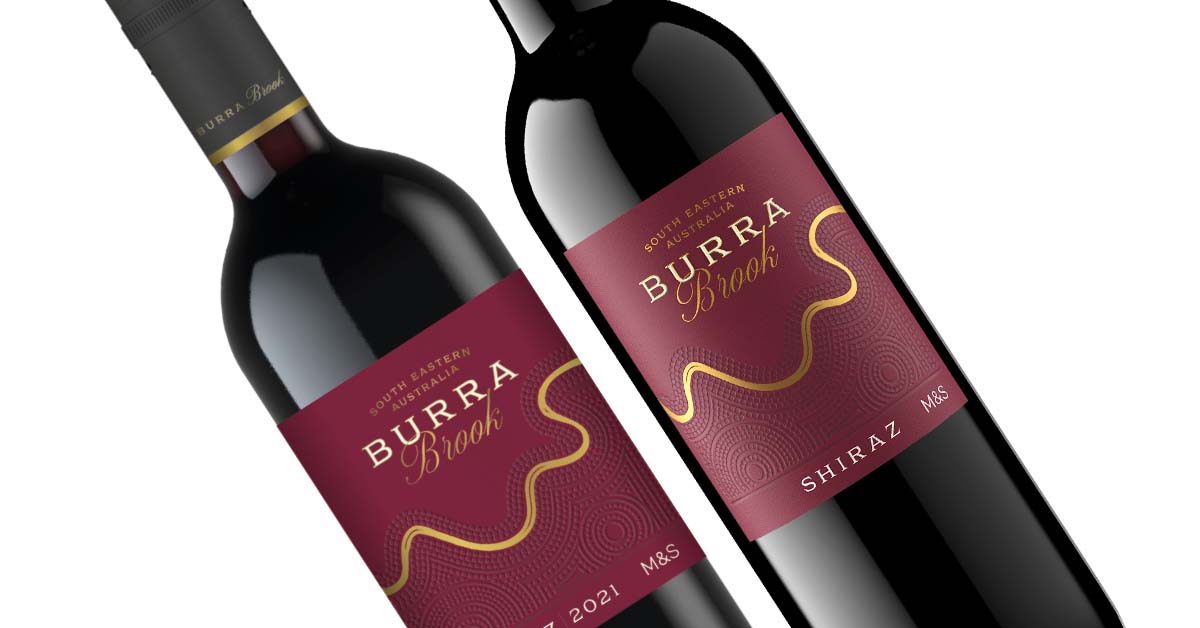
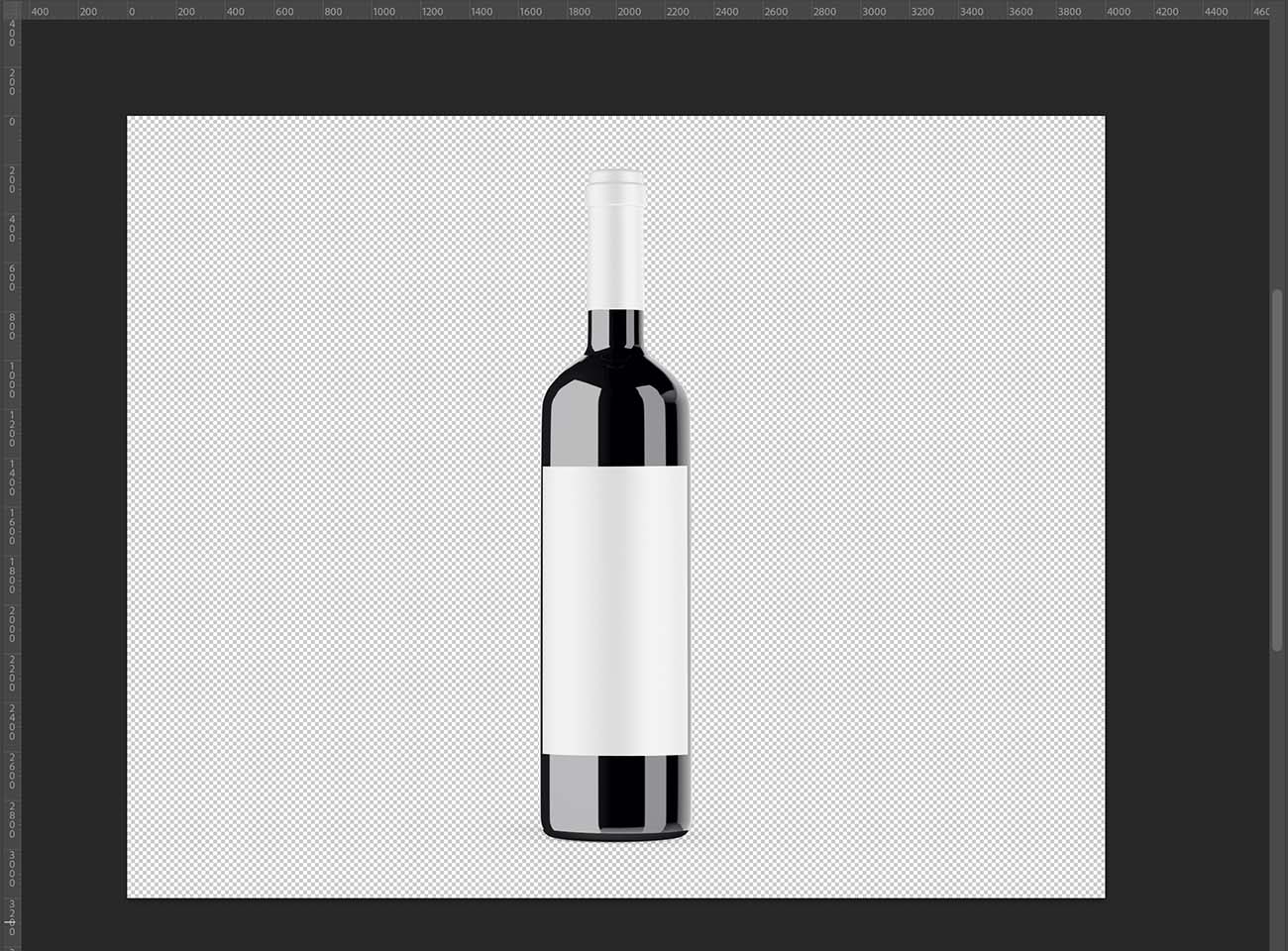
A mockup is a 2D composite. Your flat label artwork gets warped onto a pre-shot photo or template of a generic bottle, usually in Photoshop or a template tool.
Mockups are fast and cheap, and for early design conversations that is exactly right. A designer showing three label directions does not need production-grade imagery to make the point.
The limits show up the moment the image has to represent your real product. The bottle in the template is not your bottle, the lighting is baked in, and the camera angle is fixed.
Template tools also cannot reproduce foil, embossing, or a custom glass shape. None of that exists in a flat file.
What a 3D photorealistic render is
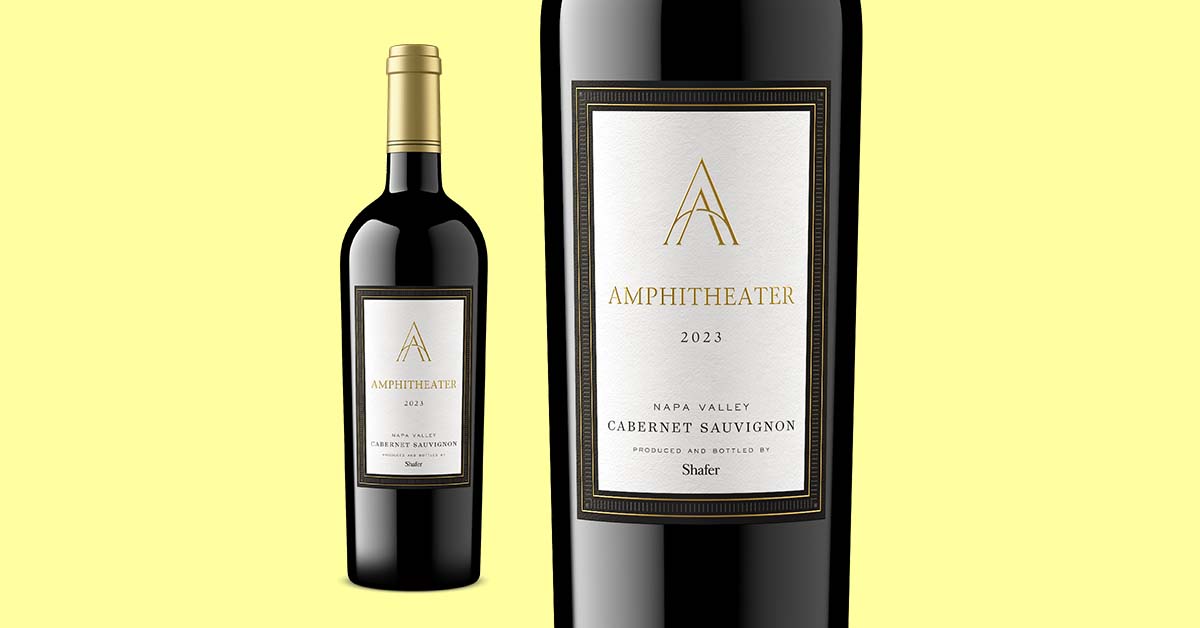
A render starts with a digital twin: a 3D model built from your label file, your container spec, and your closure details. No physical sample, no camera.
Because the model is your actual packaging, everything downstream is accurate. The glass color is yours. The fill line sits where it sits in real life.
Your label is never redrawn or approximated. It is placed on the model exactly as your printer would apply it, which is why every character, every barcode, and every appellation stays correct.
One digital twin also keeps paying. New vintage, new angle, new scene: the model is rendered again instead of rebuilt, which is something neither a template nor a photoshoot can offer.
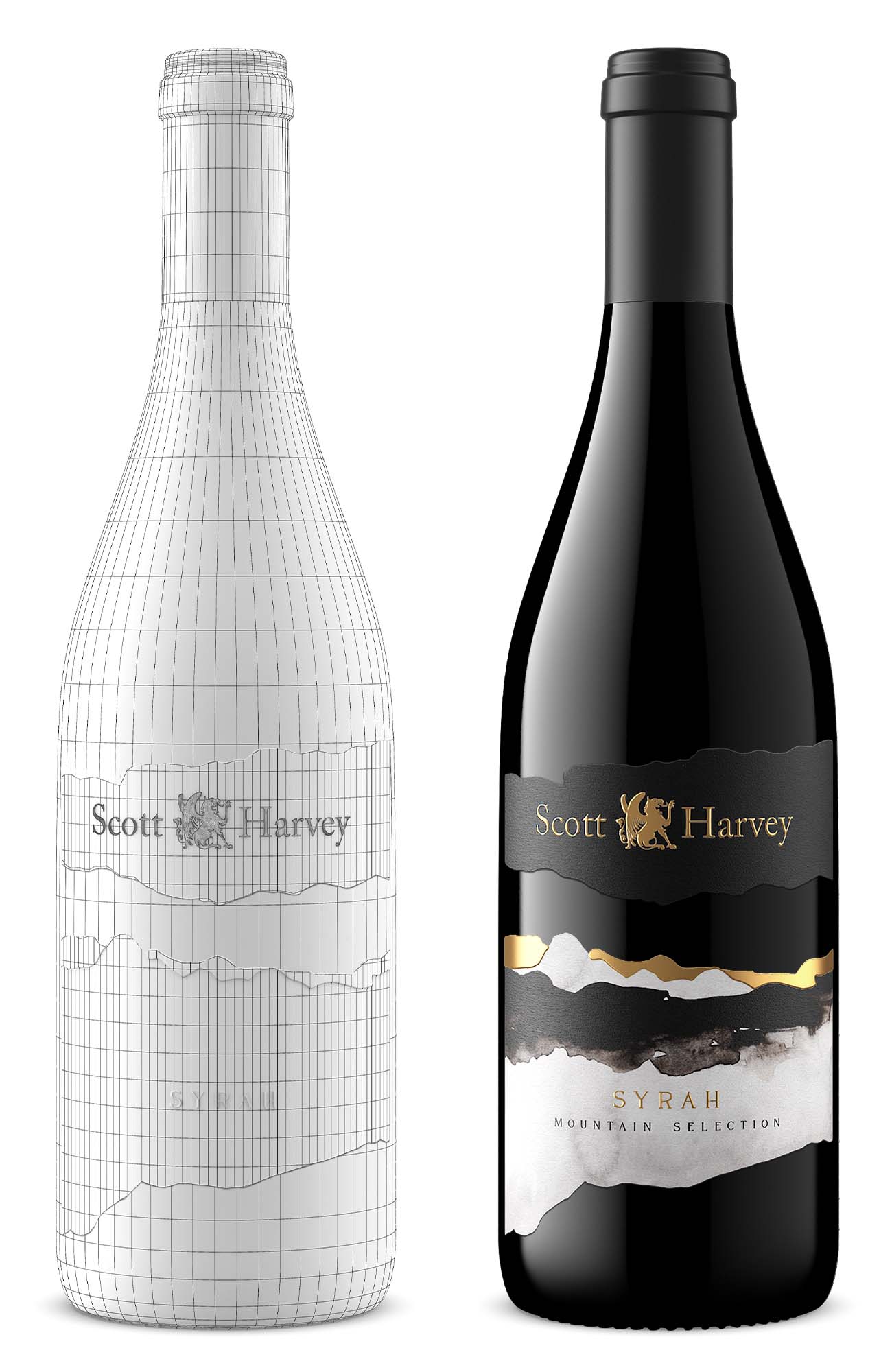
Where to get photorealistic mockups of beverage bottles
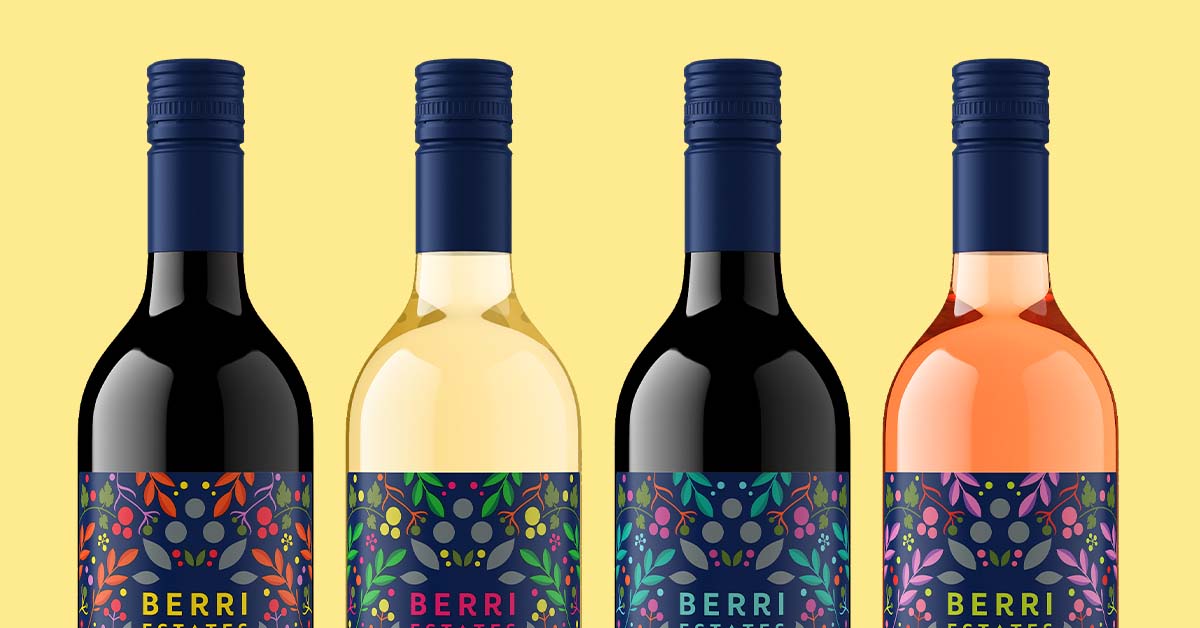
Plenty of buyers search for photorealistic mockups of wine and beverage bottles. What that search describes, an image realistic enough to sell with, showing your true label on your true bottle, is what a 3D render delivers.
Template-based tools own the word, but they cannot own the outcome. A template caps out at approximation, because it starts from someone else's bottle.
Outshinery builds photorealistic bottle shots and product images for wine, beer, spirits, cider, and RTD brands, working from the same files you send your printer. Over 2,000 brands have used this route to get accurate product imagery without a photoshoot.
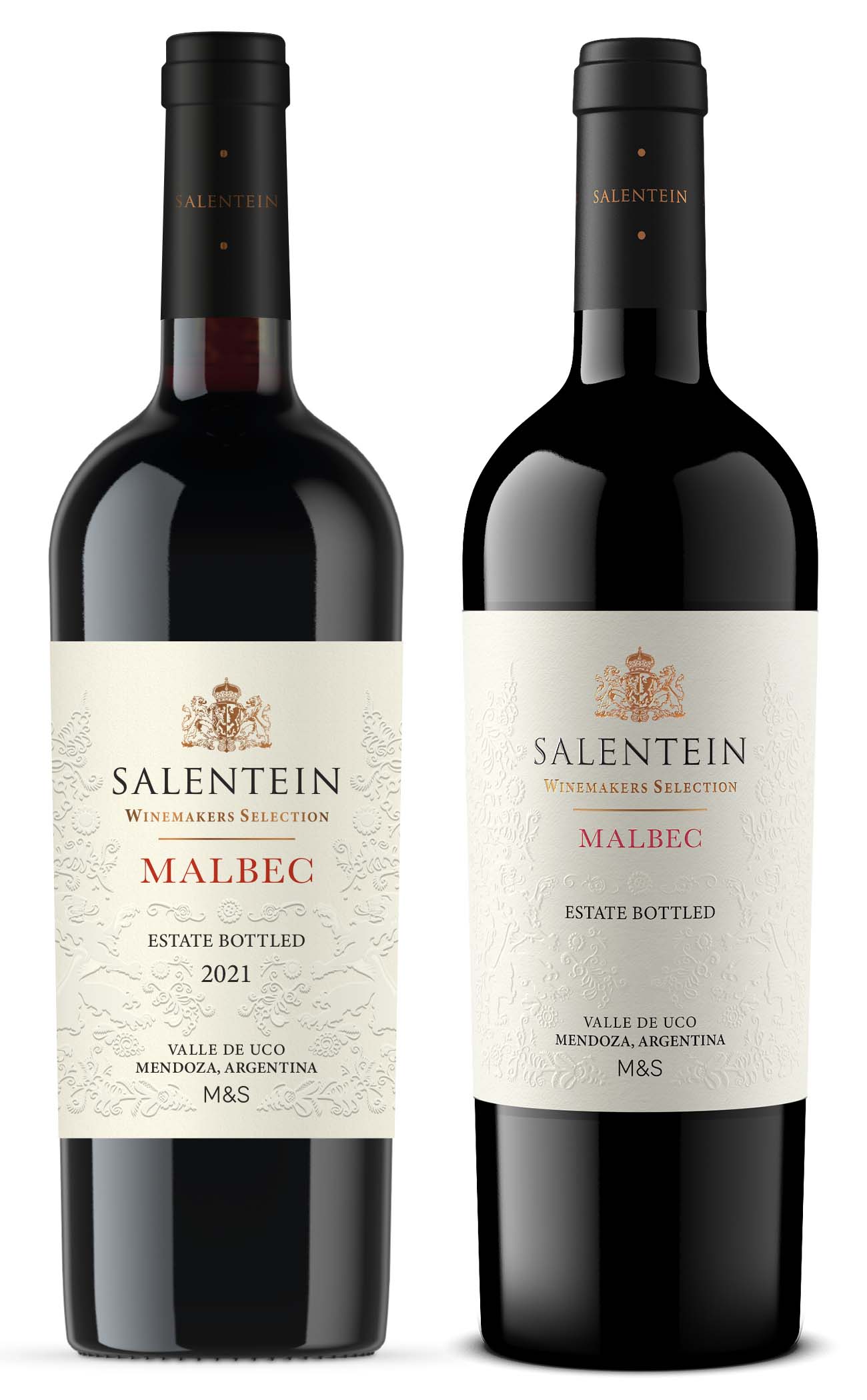
When a mockup is enough, and when it is not
Reach for a mockup when the image is disposable.
- Internal design reviews: comparing label directions before anything is final
- Rough pitch concepts: a look-and-feel conversation, not a listing
- Placeholder comps: layouts where the image will be replaced before anything ships
Switch to a render the moment the image represents your product to a buyer.
- Ecommerce and DTC listings: the image is the product page
- Retailer and distributor submissions: the listing form asks for an image long before anyone tastes the product
- Sell sheets and tech sheets: a wrong bottle shape undermines the whole document
- Pre-launch campaigns: marketing that starts before the product is bottled
- Label changes: a new vintage or ABV should not mean starting imagery from scratch
The test is simple: if a buyer will judge your product by this image, it needs to show your actual product.
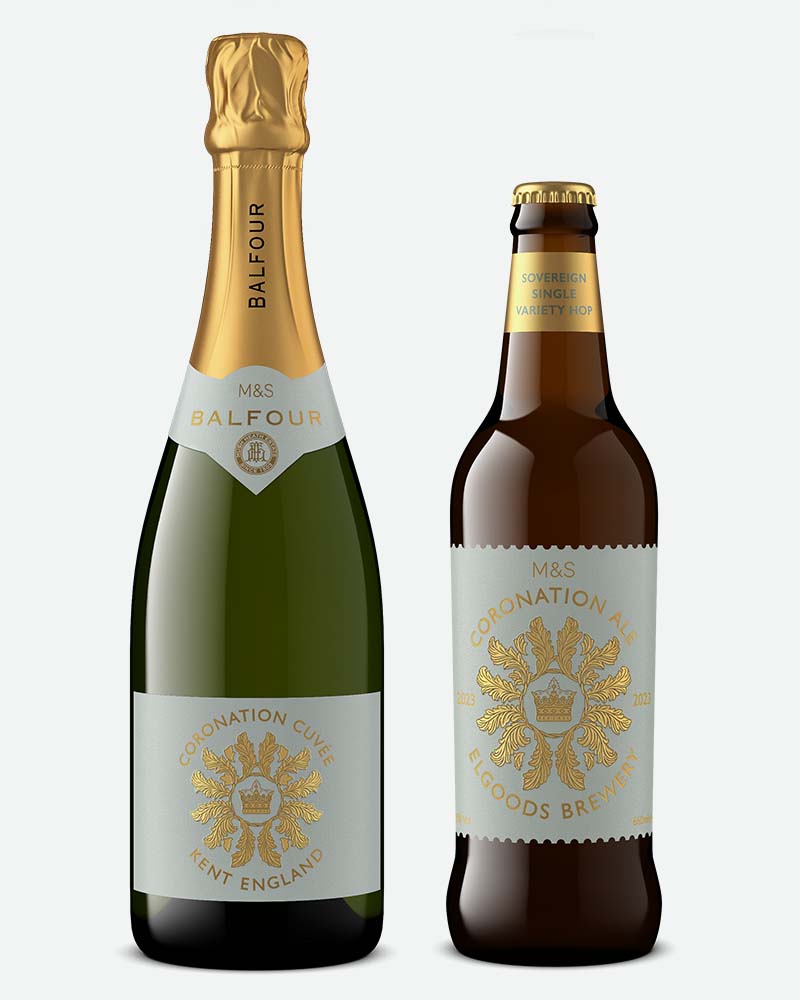
The cost and time math
Traditional bottle photography typically runs $100 to $300 per image once production costs are counted, with a US average around $150. It also needs a physical sample, which means shipping bottles and waiting on a studio calendar.
A template mockup costs almost nothing, which is fair, because it produces a draft.
Renders sit in between, and the economics improve with every use. An Outshinery Studio render includes free vintage, ABV, and liquid color updates for the life of the label, no subscription required. A photographer charges a reshoot for the same change.
Speed follows the same pattern. A render needs no sample, no shipping, and no shoot day, so your wine labels and bottles can have finished images before your wine even exists.
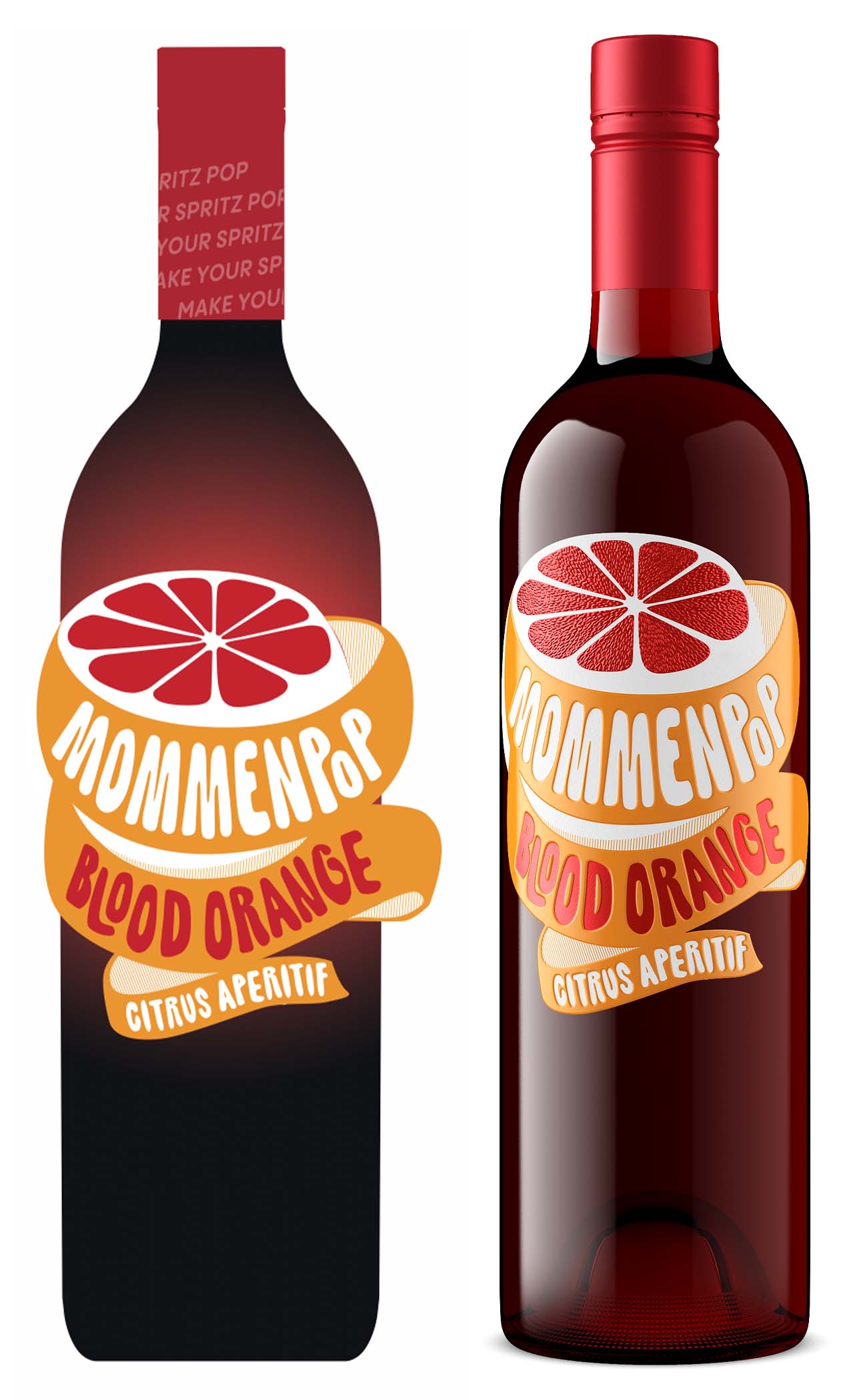
How Outshinery fits
Outshinery makes photorealistic product imagery two ways, and the right one depends on your packaging.
Outshinery Studio is the human-crafted route. A trained 3D artist builds your digital twin and renders it to match the physical product exactly, including foil, embossing, debossing, textured stock, and custom glass, the details no template can touch. Production starts within 3 business days, and Product Shots deliver in days.
Outshinery Lite is the self-serve route for standard bottles with flat-printed labels. Upload your label, pick a shape and closure from a library of over 15,000,000 configurations, and a photorealistic bottle shot lands in your inbox in under an hour for $29.
Two different jobs, one standard: the image shows your product, not an approximation of it. That is what separates both from any wine bottle shot a template can produce.
Frequently asked questions
Where can I get photorealistic mockups of beverage bottles?
What buyers call photorealistic mockups of wine and beverage bottles are delivered as 3D renders: your real label file placed on an accurate 3D bottle model. Outshinery produces these for wine, beer, spirits, cider, and RTD brands, either through Studio, where a 3D artist handles complex packaging, or through Lite, a self-serve bottle shot generator that delivers in under an hour.
What is the difference between a 3D render and a mockup?
A mockup warps your flat label onto a template photo of a generic bottle, so the result is an approximation. A 3D render is generated from a model of your actual packaging, so glass shape, liquid color, closure, and label placement match the physical product. Mockups suit internal design reviews; renders suit anything a buyer sees.
Are 3D renders worth the cost compared to mockups?
For customer-facing images, yes. A mockup is nearly free but cannot be used to sell accurately, while traditional photography averages around $150 per image in the US and requires a physical sample. Outshinery Lite bottle shots are $29, and Studio renders include free vintage and ABV updates for the life of the label, so the cost per use keeps falling.
Can I get product images before my wine is bottled?
Yes. A 3D render is built from your label file and container spec, not from a physical sample, so finished images can exist months before the first bottle does. Producers use this to open pre-sales, submit retail listings, and prepare launch campaigns while the wine is still in tank.
How fast can I get a photorealistic bottle shot?
Outshinery Lite delivers a finished bottle shot in under an hour from label upload. Outshinery Studio starts within 3 business days and delivers in days, with an artist handling revisions until the render matches your packaging exactly.
The render-or-mockup decision checklist
- Audience: Internal design review means a mockup can work; anything a buyer sees means a render
- Accuracy: If glass shape, liquid color, or fill line matter, only a render shows your real product
- Print finishes: Foil, embossing, or textured stock cannot survive a flat template; route to Studio
- Timing: Product not bottled yet means photography is out; a render works from the label file alone
- Label file: High-res PNG fits Lite; a packaged .ai file or layered PDF unlocks Studio detail
- Shelf life: Vintage or ABV changes ahead favor Studio, where those updates are free for the life of the label
Choosing on these six points takes five minutes and prevents relaunching your imagery twice a year.