Who is the future alc bev customer? Here’s how to reach her.
How AI and ecommerce are reshaping alcohol discovery and purchase.

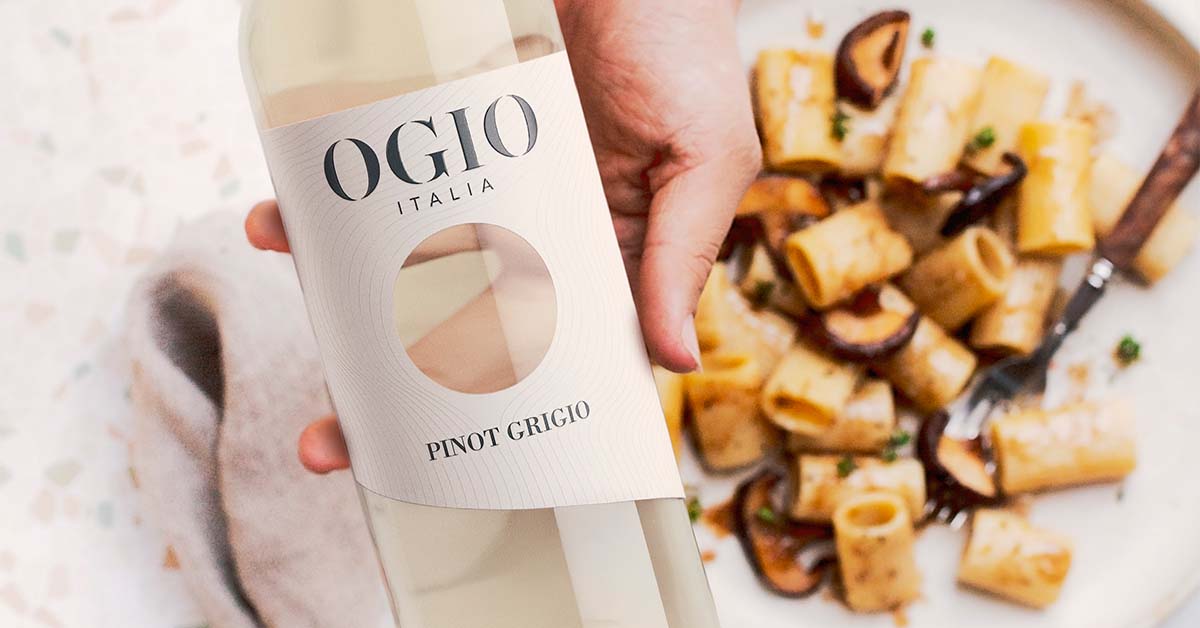
The future alcohol customer is not coming. She’s already here.
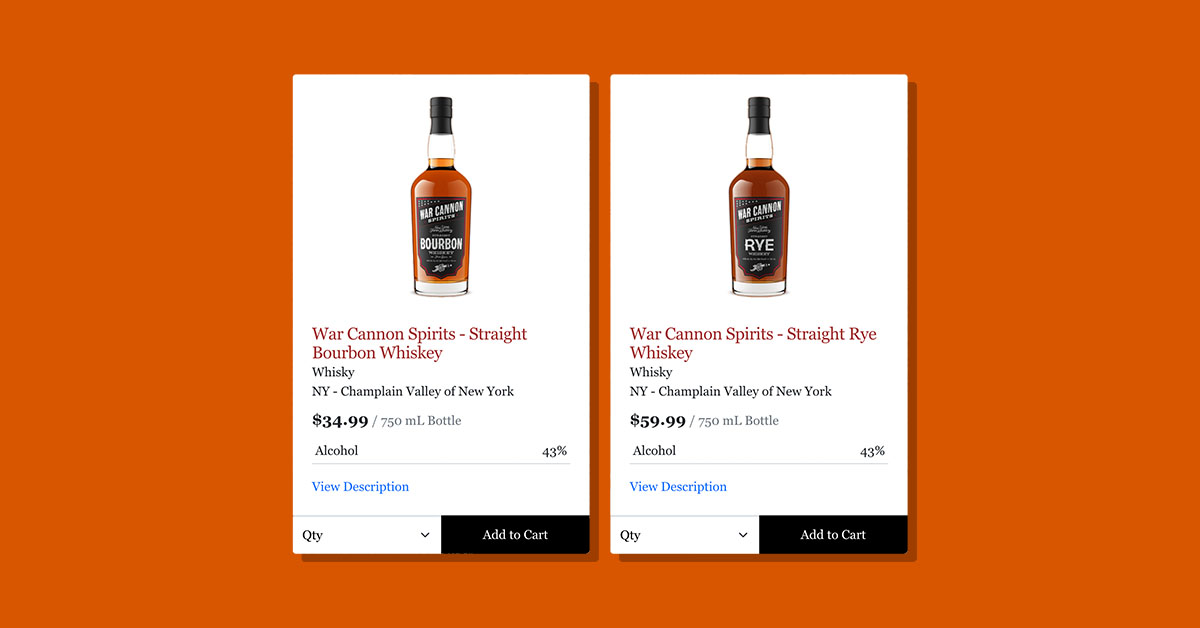
She does not wander into a wine shop and browse aimlessly. She searches. She compares. She asks an AI assistant what pairs with the lamb she’s cooking on Saturday. She discovers your canned cocktail through a short-form video late at night. She scans three tequila blancos side by side in a digital grid before reading a single tasting note.
If your bottle image is outdated, inconsistent, or poorly lit, she moves on.
Across wine, spirits, RTD, cider, and no/low alcohol, the visual standard has shifted permanently.
The good news: the tools to meet that standard are no longer out of reach. Outshinery, through both its self-serve Lite platform and its full-service Studio offering, has built the infrastructure beverage brands need to compete in this new landscape, regardless of size or budget.

The behavior shift that matters
Demographics don’t define the future customer. Behavior does.
She might be a millennial buying direct from a winery website. She might be Gen Z relying on peer validation before spending $20. She might be Gen X using AI tools to curate a dinner party wine list.
What unites them is this: they are digital-first and visually decisive.
According to the 2026 Disruption Index from AlixPartners, roughly two-thirds of shoppers now use digital tools to compare prices, research products, and check availability before making a purchase. That behavior is no longer niche. It is normal.
At the same time, consumers increasingly value experience, convenience, and authenticity alongside price. In beverage, that evaluation happens visually long before a bottle is opened.
Why imagery matters on the digital shelf
According to the 2025 Consumer Research Report from Salsify, 77% of shoppers say product images and videos are extremely or very important when deciding whether to complete a purchase.
In beverage, imagery does even more work.
You cannot taste through a screen. You cannot feel the glass weight. You cannot inspect the label texture. The image must communicate quality, positioning, craftsmanship, and price signal in a fraction of a second.
In digital environments, clarity is credibility.

Where decisions now happen
Direct-to-consumer and online retail
Wine’s pandemic-era DtC spike has moderated at a national level, according to Sovos ShipCompliant’s 2025 annual report. However, platform data from Commerce7 indicates that digitally advanced wineries continue to outperform. In other words, digital capability now matters more than timing.
Consumers expect comparison. They expect clarity. They expect consistency.
In digital environments, ambiguity costs sales.
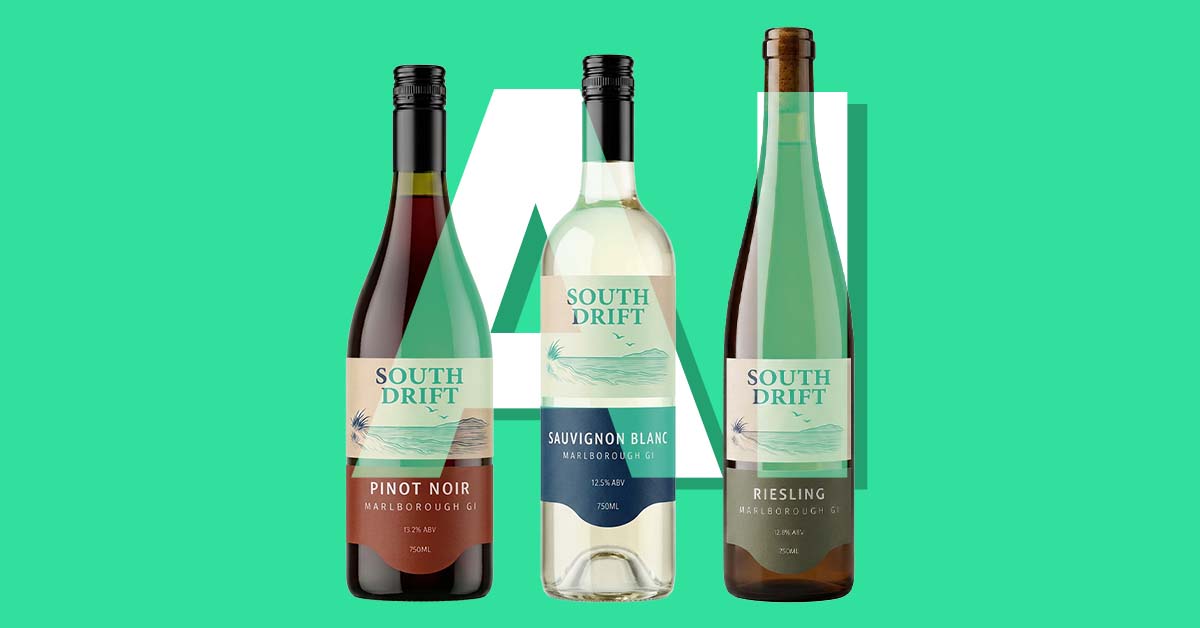
In ecommerce grids and distributor portals, a bottle that renders cleanly across white backgrounds, mobile screens, and PDFs signals professionalism. A blurry JPEG or inconsistent lineup signals operational friction.
Social commerce and short-form video
Platforms such as TikTok Shop and Instagram have collapsed the distance between content and checkout.
Discovery and purchase increasingly happen in the same session.
A striking bottle can become the top of a funnel in seconds. Brands that control their visual assets can participate fully in this environment. Brands that cannot are scrolled past.
AI-assisted discovery
Consumers are also experimenting with AI tools such as ChatGPT and retailer recommendation engines to:
- Find wines within a price range
- Compare similar SKUs
- Identify a bottle from an image
- Build occasion-based lists
AI systems prioritize structured product data and consistent visual assets. When your metadata is clean and your imagery standardized, your products are easier to surface and recommend. When they are not, you are harder to find.
This is not speculation. It is already influencing how products are discovered.
Trade and export evaluation
The future customer is not only a consumer.
Retail buyers, sommeliers, and import partners evaluate brands digitally before meetings or sample shipments. A polished sell sheet and professional bottle image signal readiness and attention to detail.
For emerging producers entering new markets, visual presentation can influence whether a conversation continues.
Why traditional photography struggles to keep up
The conventional photoshoot model was built for an era when brands needed a few images per year.
Today, brands release multiple vintages, expand portfolios, rotate seasonal SKUs, and require assets for ecommerce, social media, compliance, and pitch decks simultaneously.
Traditional photography depends on finished product, physical samples, shipping logistics, and studio schedules. That creates bottlenecks, especially for pre-release launches or export pitching.
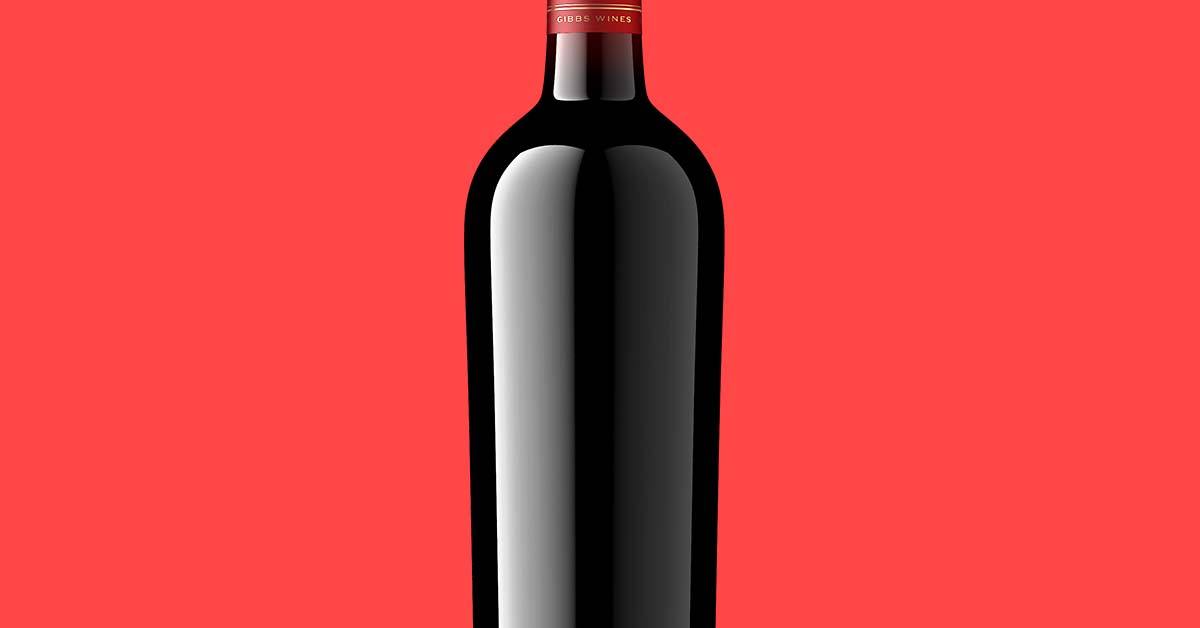
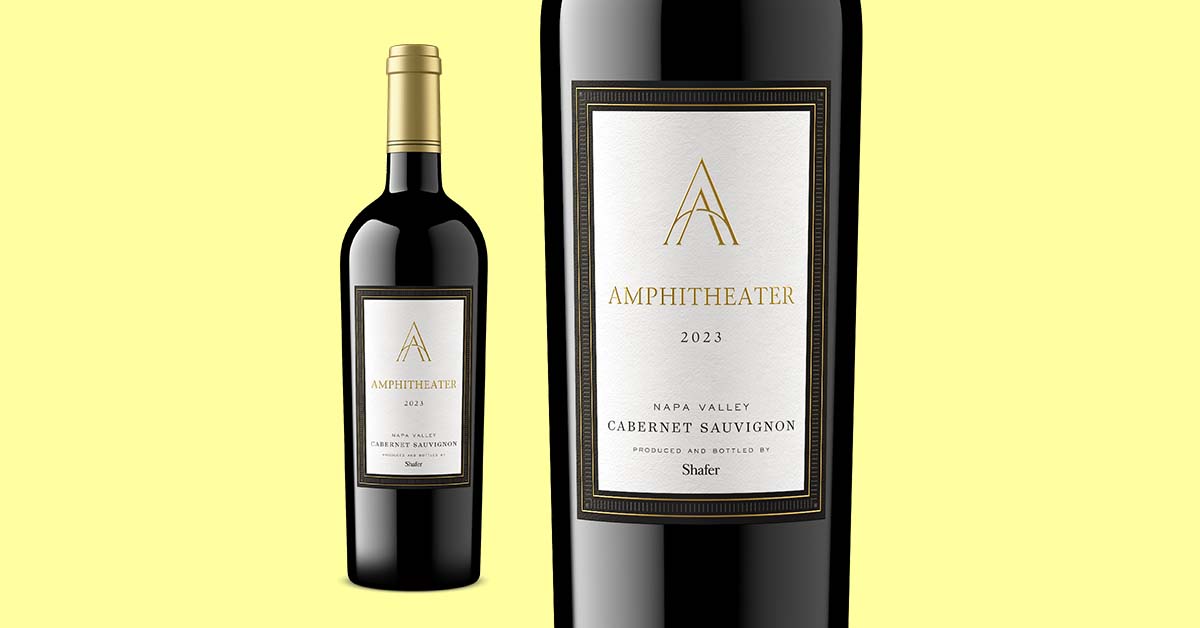
Modern 3D rendering removes those dependencies. The bottle does not need to exist yet. The label file is enough. When executed properly, the result is indistinguishable from studio photography.
The question then becomes: how do brands implement this at scale?

How Outshinery closes the gap
Outshinery has spent over a decade building 3D rendering infrastructure specifically for the beverage industry. The result is two purpose-built tools that cover the full spectrum of brand needs, from a first-time producer who needs a single clean bottle shot to a multinational portfolio that requires lifestyle content, video, and custom creative campaigns.
Outshinery Lite: consistent imagery at the speed of your business
Outshinery Lite is a self-serve platform delivering photorealistic 3D bottle shots for $29 per image, typically in under an hour.
Select your bottle, upload your label, and generate a final high-resolution render, typically delivered in under an hour.
Each image is built from structured 3D inputs, ensuring consistent lighting, angle, and material realism across your portfolio. For brands managing multiple SKUs, that consistency becomes part of the brand identity itself.
Lite integrates with Commerce7, making it easy to incorporate standardized imagery into existing ecommerce workflows.

Outshinery Studio: full-service creative for brands with bigger ambitions
Outshinery Studio provides full-service creative support for brands that need more than a clean bottle shot.
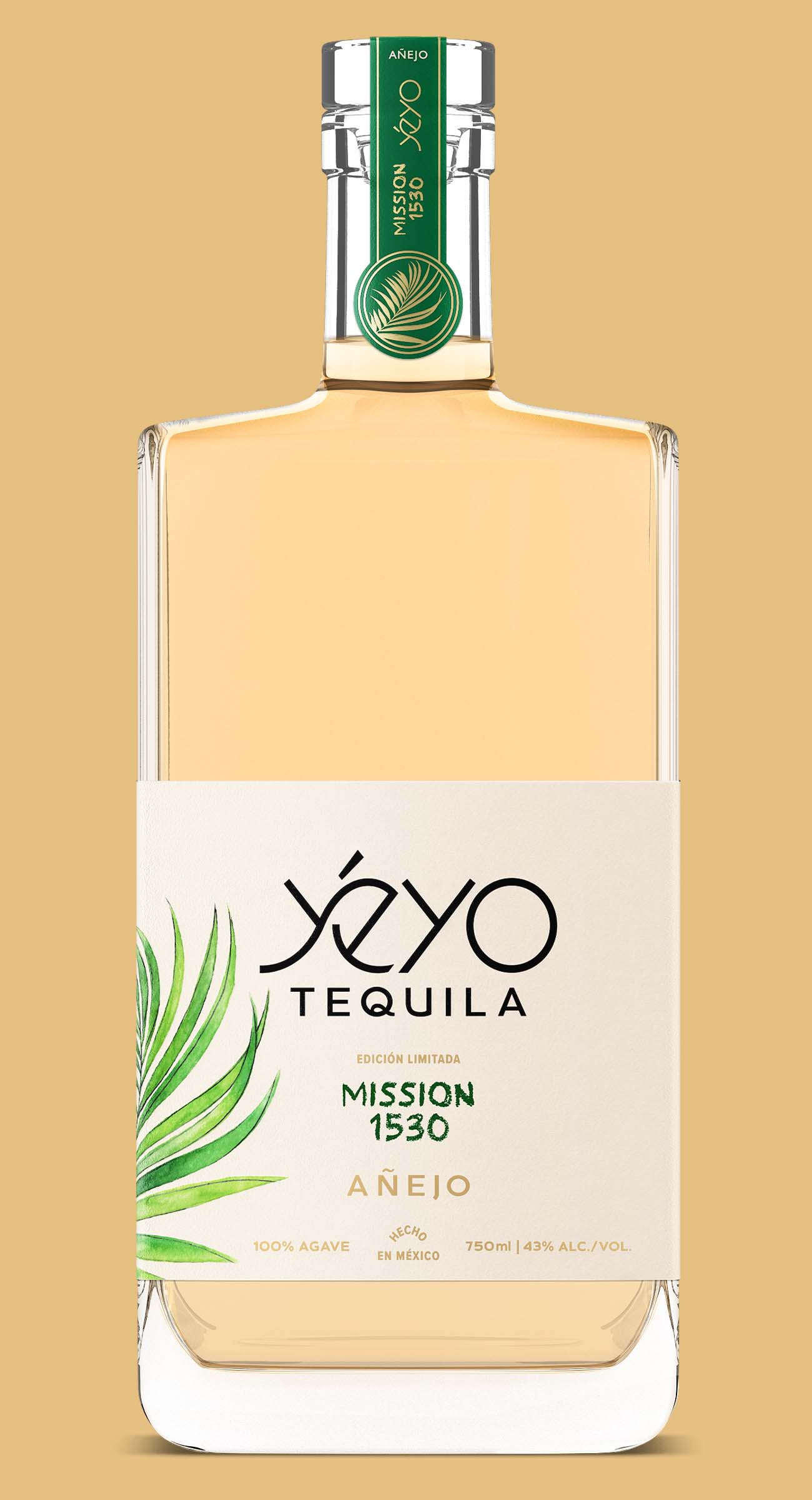
Lifestyle imagery, campaign visuals, product videos, packaging with embossing or foil finishes, complex glass shapes: Studio combines human 3D expertise with refined production processes to deliver assets suitable for advertising, launch campaigns, and global trade.
Many brands use Lite for operational imagery and Studio for hero assets. Together, they create scalable visual infrastructure.

Practical applications across the alc bev landscape
Wine producers and wineries
From the small-lot producer who releases a new vintage each fall to the regional winery managing a 20-SKU portfolio across multiple tiers, the challenge is the same: every bottle needs to look its best, every time, across every channel. Outshinery Lite handles the operational baseline. Studio handles the hero imagery.
Spirits and distilleries
Tequila, whiskey, gin, and rum all sell on visual identity. The bottle design is a premium brand signal, and the photography has to honor that. Studio's ability to capture embossing, custom glass, and complex label printing finishes makes it a natural fit for spirits brands where packaging craft is part of the brand story.
RTD and canned cocktails
Speed to market is a competitive advantage in the RTD category. Outshinery Lite's expanding support for can formats will allow canned cocktail and hard seltzer brands to generate imagery before a production run is even complete, supporting pre-launch marketing, retailer pitches, and DTC listings simultaneously.
Cider and non-alcoholic beverages
The growth of no- and low-alcohol alternatives has created a new generation of brands that need the same visual rigor as their alcoholic counterparts but often operate with smaller teams and tighter budgets. Both Lite and Studio are built to serve emerging producers, not just established names.
The visual standard is not going back down
AI discovery, ecommerce comparison, social commerce, and digital-first wholesale evaluation are not temporary trends.
They represent a structural shift in how alcohol competes.
Professional, consistent, scalable imagery is no longer a luxury. It is foundational.
The question is not whether your brand can afford professional visuals.
It is whether it can afford to compete without them.

Frequently asked questions
What is the difference between Outshinery Lite and Outshinery Studio?
Outshinery Lite is a self-serve platform that generates photorealistic 3D bottle shots for $29 per image, typically delivered in under an hour. It’s ideal for ecommerce, sell sheets, and routine SKU updates.
Outshinery Studio is full-service. Expert 3D artists create custom visuals including lifestyle imagery, campaign assets, product videos, and packaging with complex finishes. Many brands use Lite for operational needs and Studio for launch or hero content.
Do I need a finished product?
No. Both Lite and Studio work from your label artwork and packaging specifications. No physical samples required. This makes them ideal for pre-release launches, compliance submissions, investor decks, and export pitching.
Which beverage categories does Outshinery serve?
Studio supports wine, beer, spirits, RTD, cider, cannabis, wellness beverages, and other CPG categories.
Lite currently focuses on standard 750ml and 1.5L bottle formats, with cans and spirits formats on the roadmap.
How does professional imagery connect to AI-powered discovery?
AI recommendation engines and retailer search tools prioritize structured product data and high-quality imagery. Consistent, professional visuals increase your likelihood of surfacing in search and recommendation environments.
Low-quality or inconsistent assets reduce visibility.
Can I generate imagery before my label is finalized?
Yes. Early renders support internal planning and retailer conversations. Once your final label is approved, updated renders can be generated quickly. Lite also offers free label file prep if your artwork needs formatting.