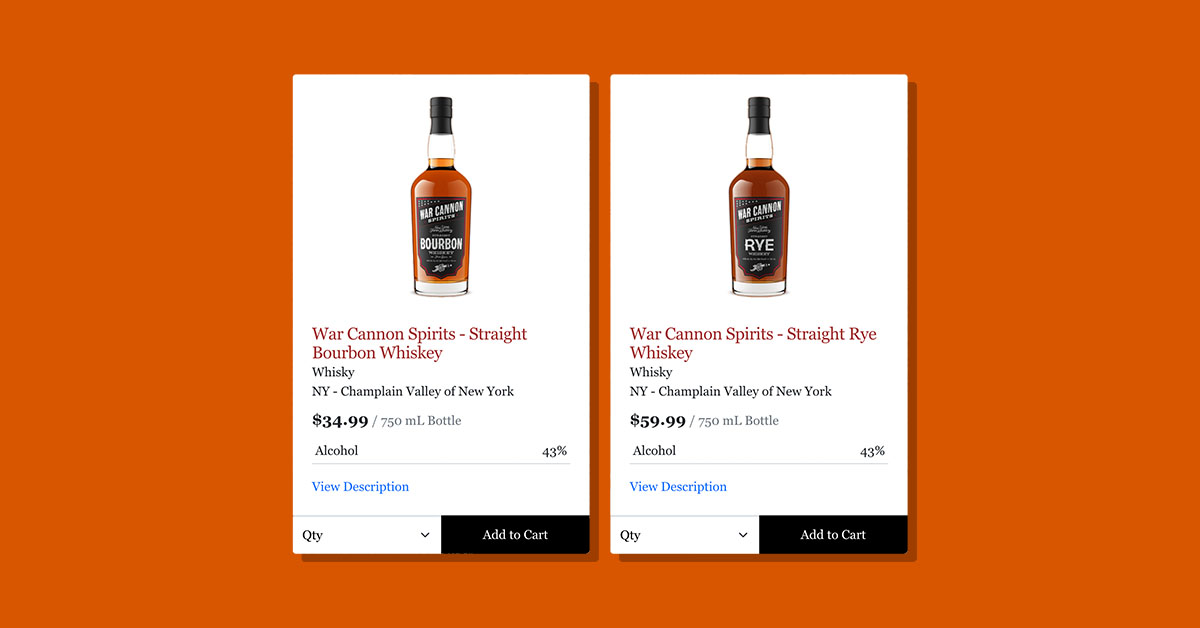
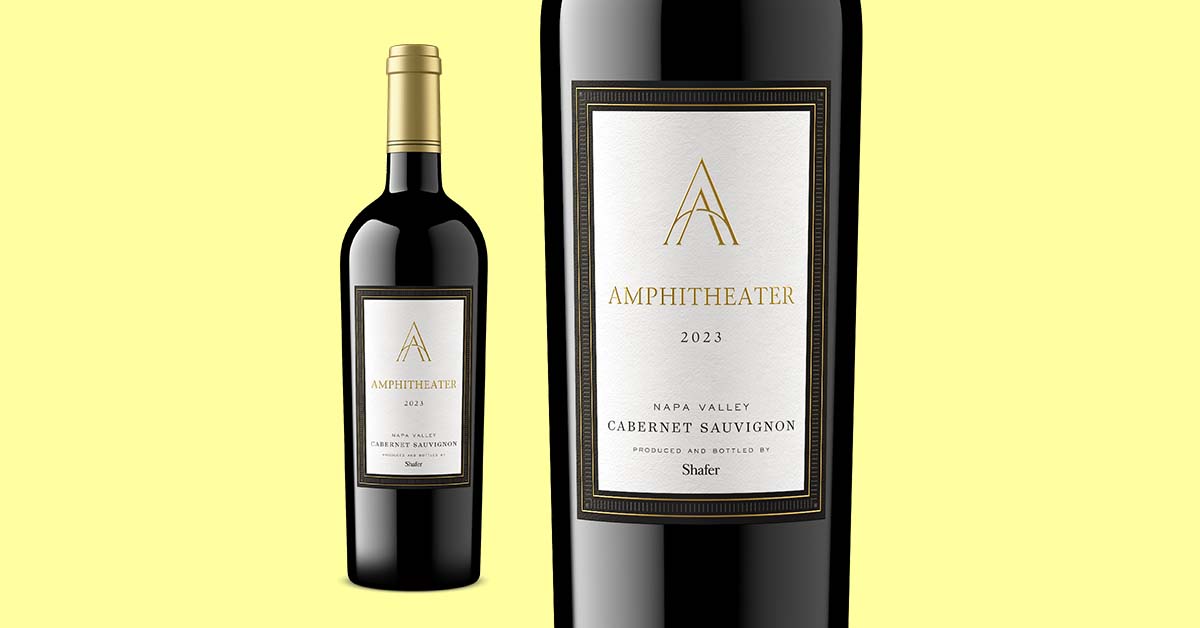
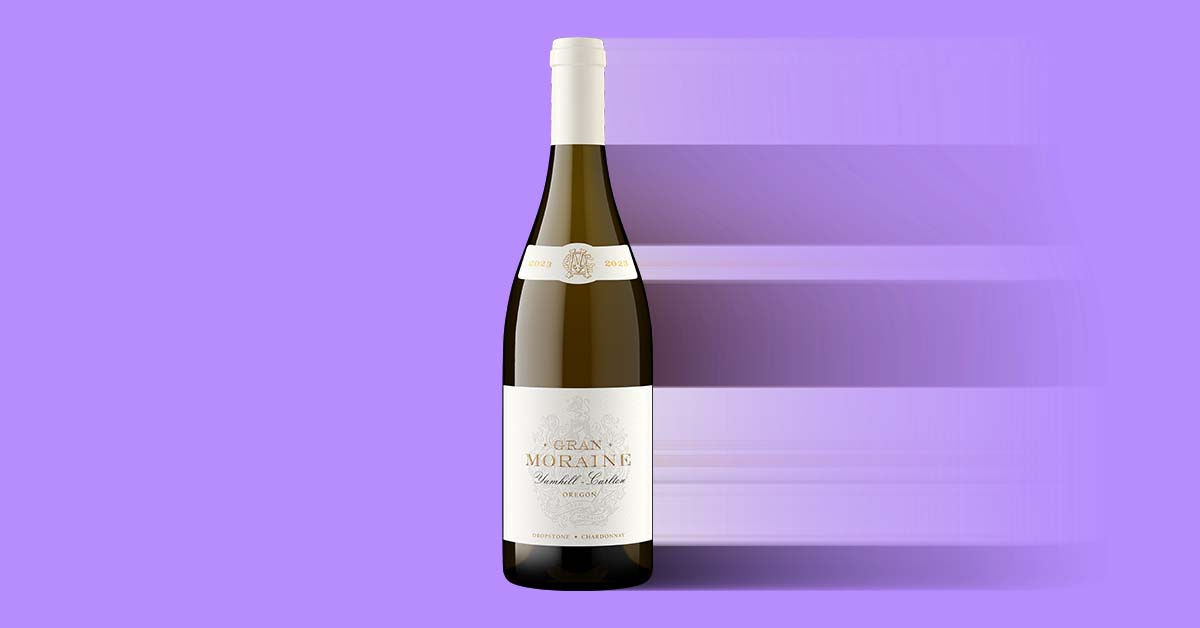
The PDP evolved: storytelling in 2026
When you go beyond the thumbnail, your product page is your new storytelling hub

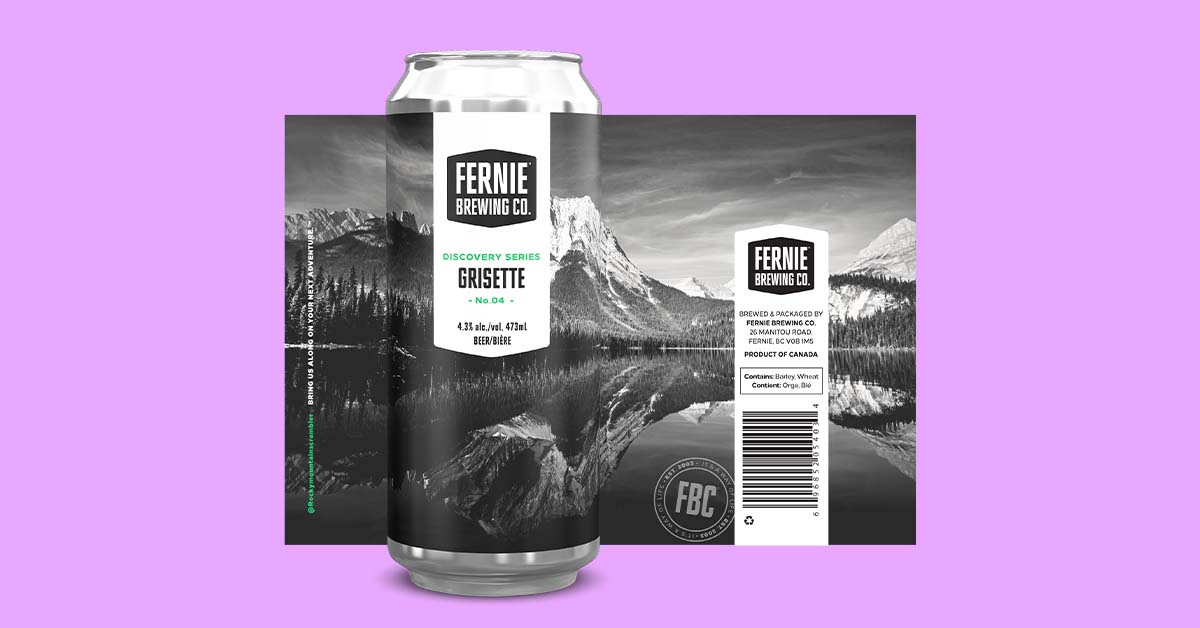
Beyond the thumbnail: your product page is your new storytelling hub
The modern Product Detail Page (PDP) is no longer a simple digital shelf. In 2026, it has transformed into a dynamic storytelling canvas where wine and spirits brands build trust and captivate consumers.
Through immersive imagery, interactive features, and data-driven content, the PDP now offers a rich narrative experience that goes far beyond a product shot and a price tag. For producers and retailers aiming to scale, mastering this new format is essential for growth.
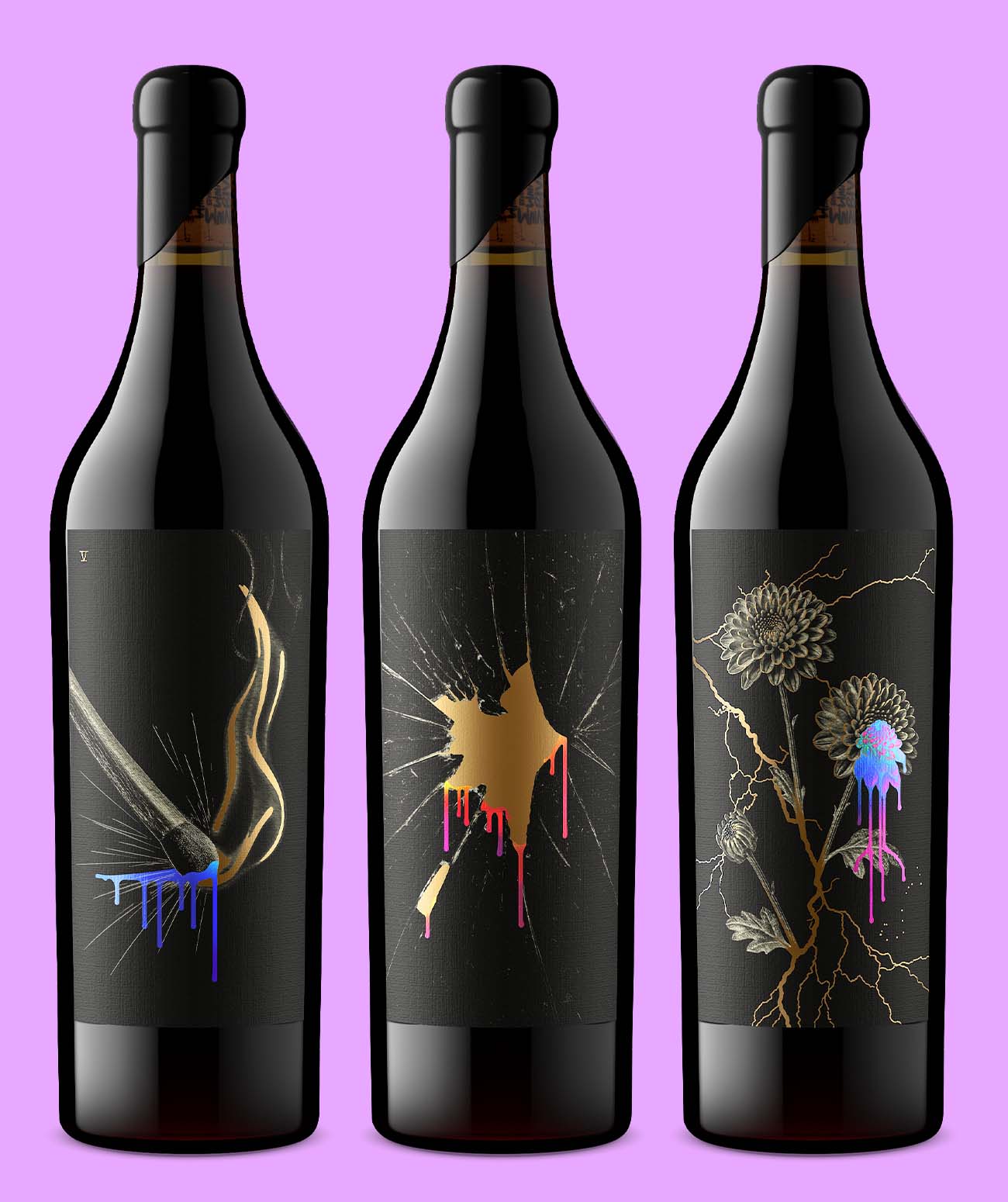
What's happening: the shift to immersive experiences
The move from static to interactive
The most effective PDPs today use storytelling to build an emotional connection and drive sales. The simple grid of product images is being replaced by a modular, interactive layout. This shift is a direct response to changing consumer expectations, particularly among Gen Z and Millennial shoppers who seek authenticity and transparency from the brands they support.
Proven techniques shaping modern PDPs
Recent digital marketing research underscores this trend. Techniques once considered advanced are now standard practice. These include:
- Interactive hotspots: Allowing users to click on specific parts of an image (like the cork, label, or bottle neck) to reveal detailed information, from tasting notes to production methods.
- Lifestyle galleries: Showcasing the product in relatable, aspirational settings that help consumers envision it as part of their own lives.
- Ingredient breakdowns: Using visual infographics to clearly display the origin of grapes, water sources, and other key components, reinforcing a brand's commitment to quality.
- Augmented Reality (AR) features: Enabling shoppers to use their smartphones to place a virtual bottle on their home bar, creating a personalized and engaging experience that boosts conversion rates.
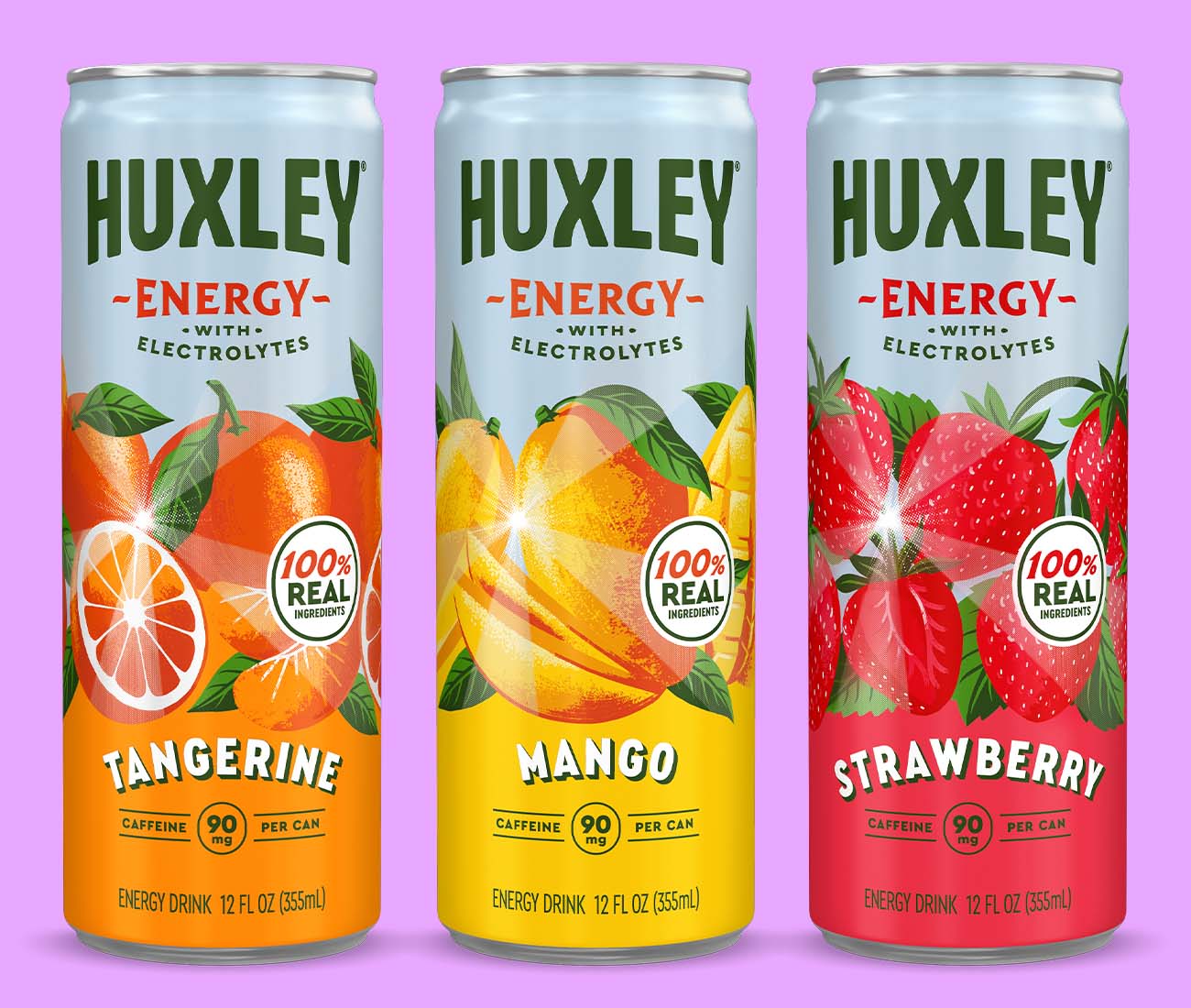
The commerce paradigm shift: Google's Universal Commerce Protocol (UCP)
A seismic change in 2026: Google's Universal Commerce Protocol (UCP) now lets consumers find, decide, and complete purchases directly within Google Search and Gemini, powered by AI agents. UCP isn't just a new feature: it's a new structural layer in global commerce.
- Compare products, ask questions, checkout, and even handle post-purchase actions without leaving Google's ecosystem.
- Skip traditional site visits and interact directly with AI-driven agents that deliver frictionless, intent-driven experiences.
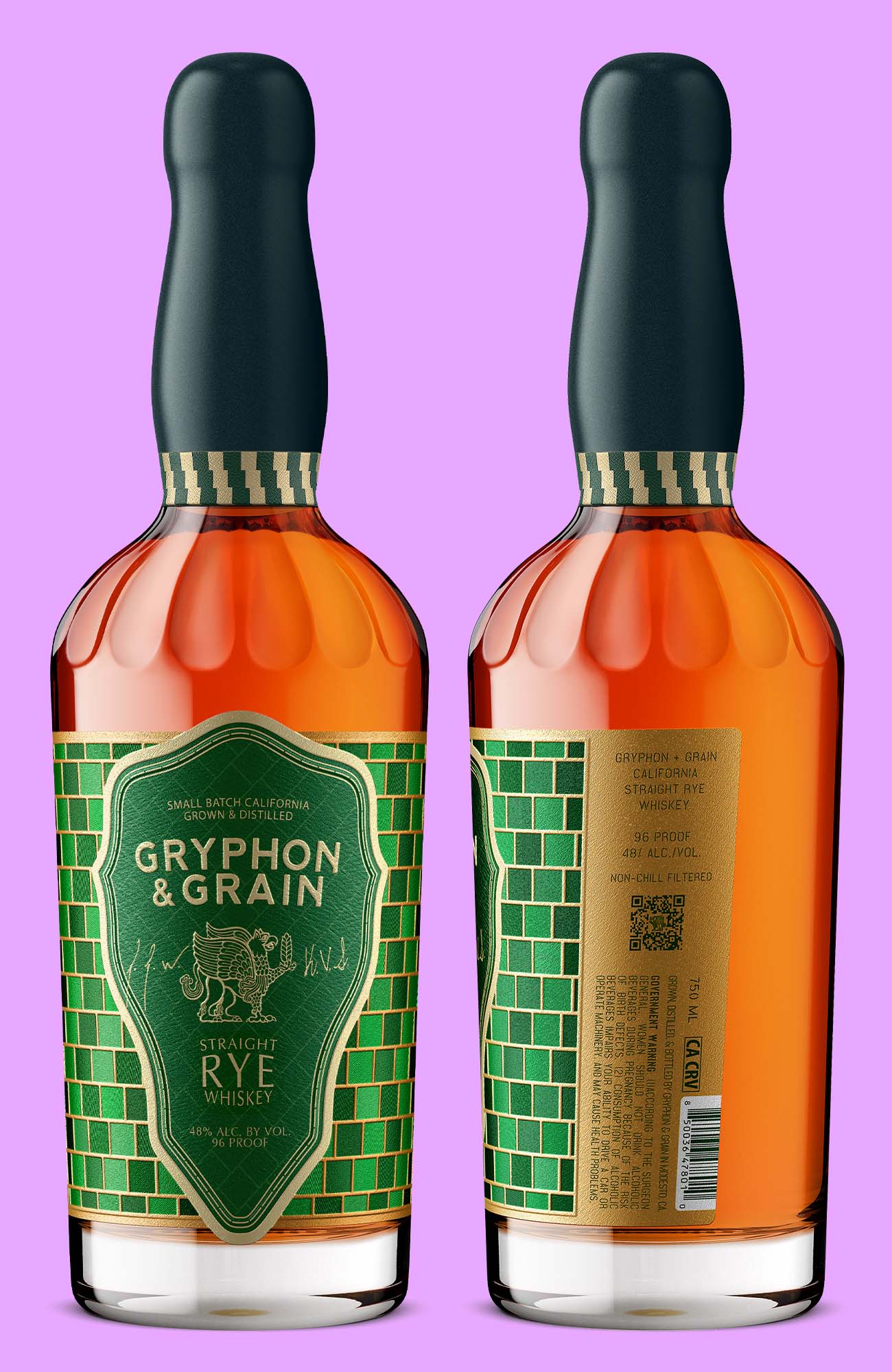
What this means for your PDP and brand presence
Your product page is still the storytelling heart of your brand, but now, its data and imagery must be optimized for smooth, off-site transactions and visibility. Google's shift transforms search from a referral engine to a conversion layer. Brands aren't just competing for clicks; they're competing to win trust and recognition in machine decision moments.
- Structured, AI-readable data: If your PDP assets (images, descriptions, pricing, metadata) aren't impeccably structured, they may never surface to consumers inside this new AI-led funnel.
- Machine trust and data quality: Search engines and commerce platforms now rely on accuracy, real-time inventory, and trust signals to determine which products are presented and transacted.
- Brand credibility inside AI answers: Storytelling modules, interactive visuals, and smart metadata help your brand's voice carry through, no matter where the transaction happens.
The power of data-driven narratives
Data-driven narratives are also becoming crucial. By linking backend product metadata to visual modules on the page, brands can tailor the story to specific shopper interests, fostering stronger loyalty and encouraging higher spending, both on and off your own site.
Why it matters for wine & spirits
Themes like premiumization, transparency, and terroir are central to the wine and spirits industry. Today's consumers want to know the why behind the wine. They are curious about the vineyard's history, the winemaker's philosophy, and the sustainable practices used in production. A well-crafted PDP is the perfect platform to share this story, both directly and through syndication to external, AI-driven commerce platforms.
Market reports from 2026 confirm that brands excelling in digital storytelling are seeing stronger sales, especially in premium and direct-to-consumer (DTC) channels. Consumers are drawn to authentic, transparent experiences that build credibility. When a visitor can virtually "un-cork" a bottle through a 3D animation or examine a vineyard via a clickable map, they build a deeper trust in what's inside the bottle. This differentiation is vital in a crowded market,and, now, it's key to staying visible as commerce becomes decentralized and mediated by AI agents.
Innovations like these are no longer just nice-to-haves; they are powerful tools for building brand equity and securing a competitive edge. As online alcohol sales are projected to reach $36 billion by 2028, digital engagement, AI compatibility, and personalized content will be the primary levers for growth, on and beyond your own PDP.
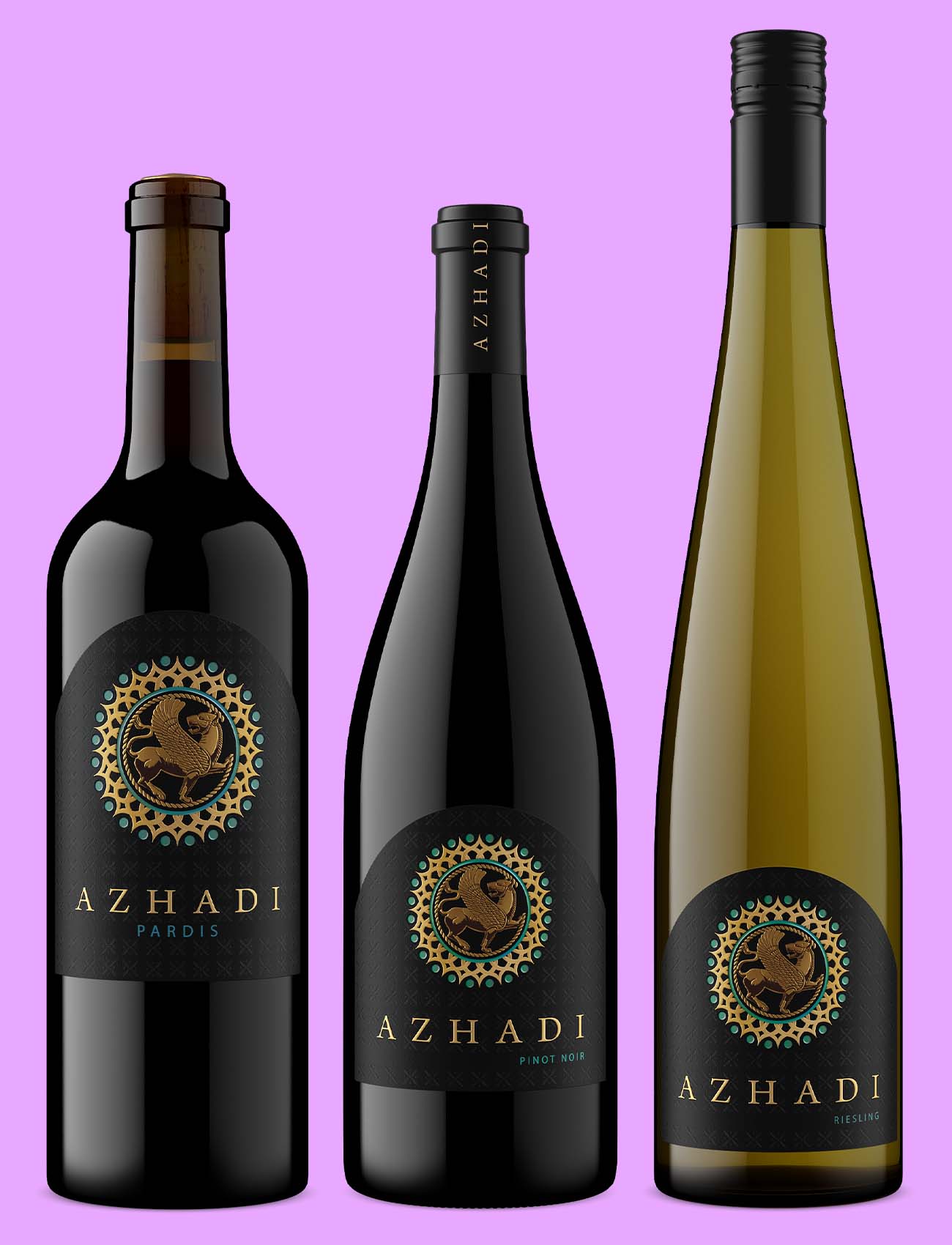
What to build: an actionable playbook for a modern PDP
For fast-growing beverage companies looking to enhance their market reach, building a data-linked, modular PDP is the next logical step. This approach ensures a consistent brand story across all channels while providing the flexibility to scale globally. Here is a roadmap for what to test and build next.
Build the foundation: modular imagery schema
Define a consistent visual structure for your product pages that tells a complete story. This schema should be designed to be flexible and scalable, allowing you to plug and play different visual elements as needed. A strong schema includes:
- The hero shot: A stunning, high-quality bottle shot that serves as the centerpiece.
- Interactive details: Zoomable images focusing on the label, the cork, and the unique texture of the glass.
- Ingredient infographics: Visually engaging graphics that detail the product's composition and origin.
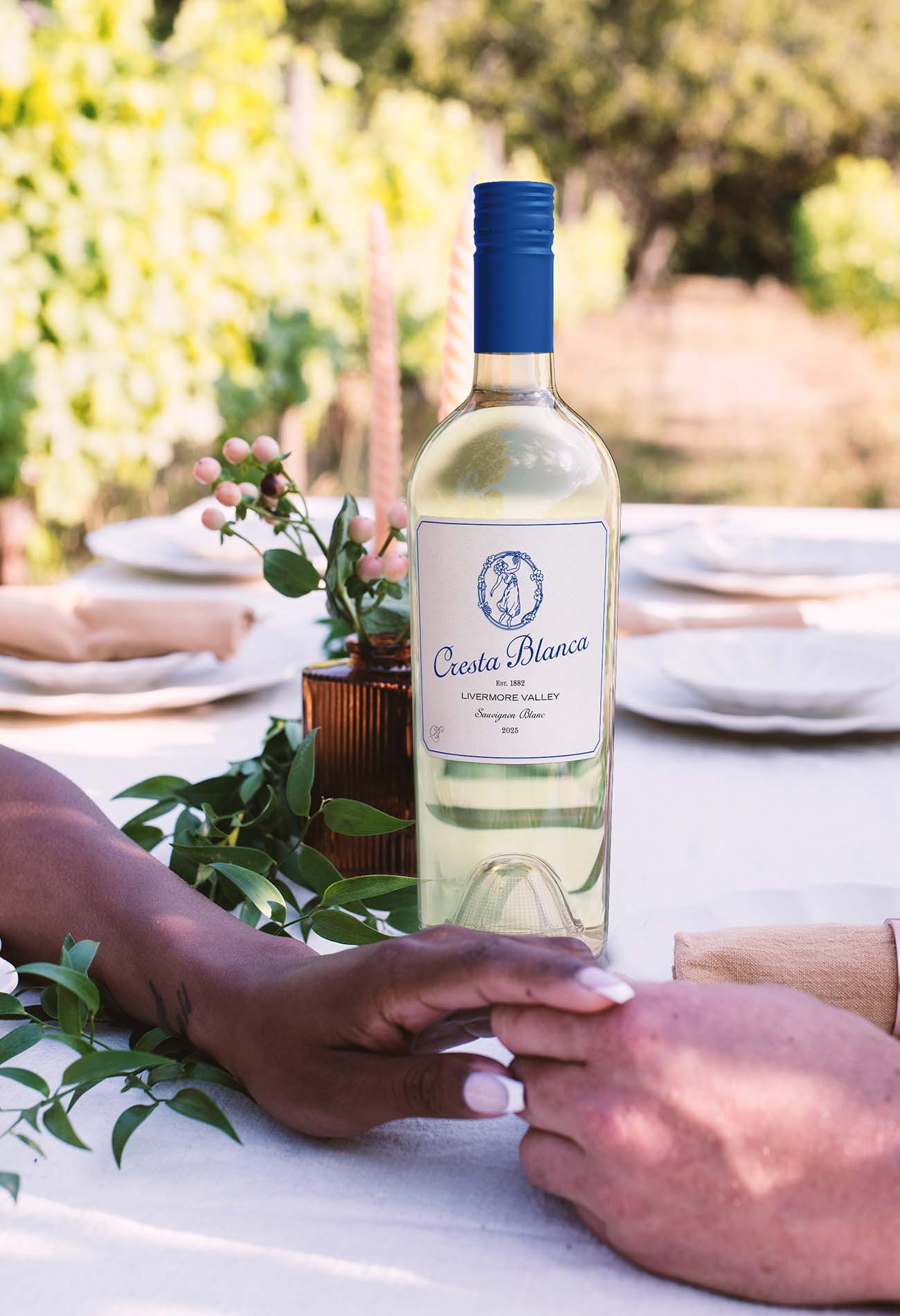
- Lifestyle context: Images showing the product being enjoyed in various settings, from a celebratory dinner to a quiet evening at home.
- Clickable hotspots: Interactive elements that invite users to examine deeper stories about the brand's heritage, sustainability efforts, or pairing suggestions.
Power personalization with smart metadata tagging
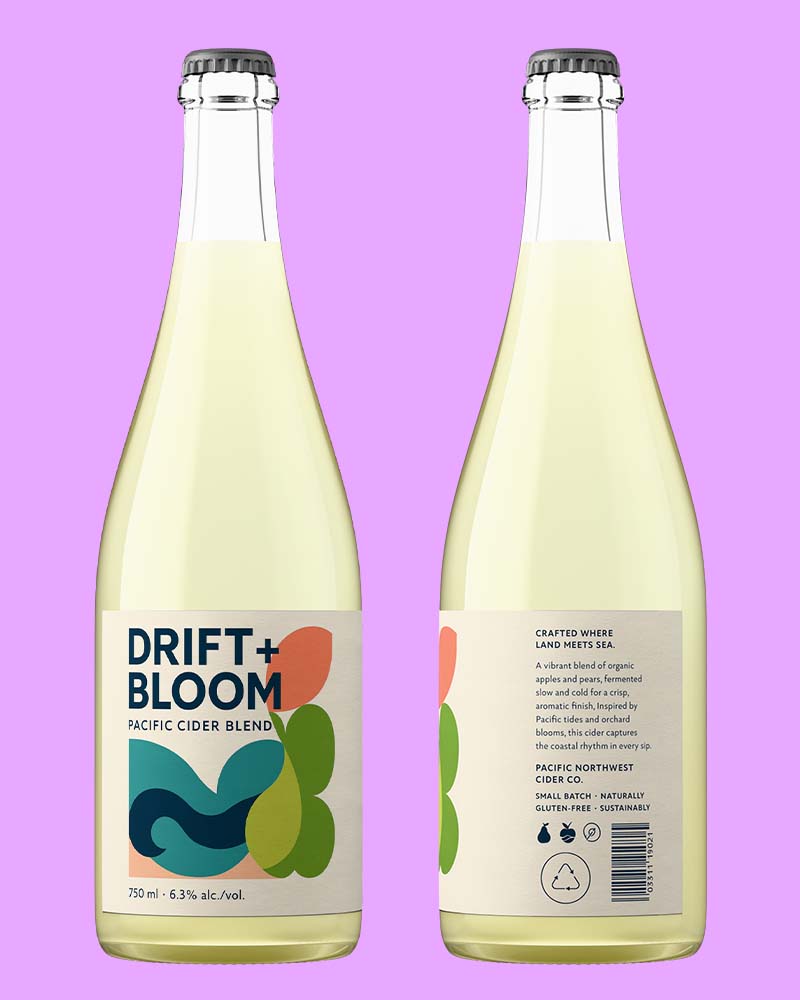
Treat every bottle image as a structured data asset, not just a visual. Using AI-ready metadata best practices, each render can be tagged with wine- and spirits-specific attributes such as fill height ("high shoulder fill"), glass color ("antique green"), closure type ("natural cork with tin capsule"), label finish ("gold hot stamp, uncoated paper"), or focal intent ("vintage callout" or "estate story").
This level of detail allows your PDP to dynamically serve the most relevant imagery and supporting narrative based on shopper behavior, market, or channel, highlighting alcohol percentage for compliance, premium finishes for DTC shoppers, or back-label details for trade buyers.
Rich visual metadata also improves how your products are interpreted by AI-powered search, visual recognition, and voice interfaces. As discovery increasingly depends on machine understanding (not just keywords), well-tagged bottle imagery ensures your wines and spirits are accurately indexed, surfaced, and recommended across emerging commerce and search experiences,including Google's Universal Commerce Protocol.
Achieve consistency with embeddable SDKs and components
To ensure brand consistency across all your retail partners and DTC channels, develop plug-and-play modules that can be easily embedded into any PDP layout. These Software Development Kits (SDKs) can contain pre-packaged visual components, such as your hero image, an interactive cork-closeup, or an ingredient callout infographic.
Because these modules are integrated with your structured product data, you can ensure that every shopper sees contextually relevant and accurate information, no matter where they are shopping, whether on your site or through AI-powered commerce experiences. This simplified approach not only enhances the customer experience but also optimizes your team's workflow, freeing up valuable time and resources.

The future is a story well told
The evolution of the PDP from a static product listing to a dynamic storytelling engine represents a major opportunity for wine and spirits brands. By embracing modular design, smart data integration, and immersive visual content, you can create a powerful narrative that resonates with consumers, builds lasting trust, and drives sales.
The brands that will win in the coming years are those that understand their product page is more than just a point of sale: it is the heart of their digital brand experience. It's time to move beyond the thumbnail and start telling your story.