Make your bottle images Google‑ready
The key to Google Shopping compliance and product feed optimization


Getting your bottle images "Google-ready" used to mean optimizing for search results and product listings. Today, it means something more fundamental.
As shopping becomes increasingly AI-mediated, your product images and metadata are no longer just supporting assets. They are decision-making inputs. In some cases, they may be the only information a buyer (or an AI system acting on their behalf) sees before a purchase is made.
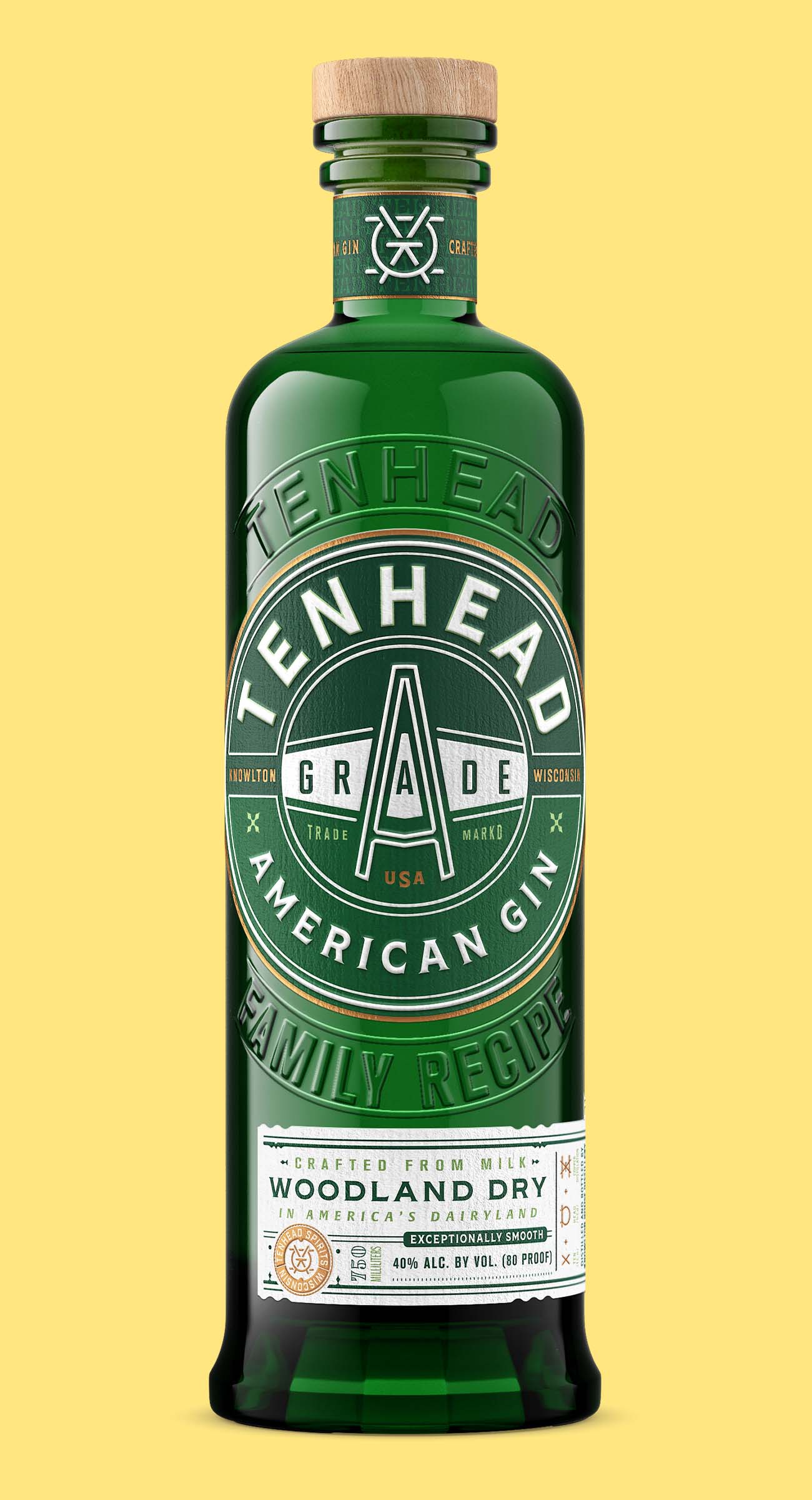
Preparing your bottle images for Google now means ensuring they are precise, consistent, and machine-readable enough to perform beyond your website, across search, shopping, and AI-driven surfaces.
Is your product feed getting flagged by Google? You're not alone. Google's latest Merchant Center updates (including the Issue Details Page and new Shop ID requirements introduced on October 21, 2025) have strengthened the importance of product data quality for all brands, especially those selling beverages and wine. Among the most common sources of disapproval?
Noncompliant bottle photos, often due to poor quality, improper formatting, or technical errors in your image files.

Why bottle images matter for Google Shopping compliance
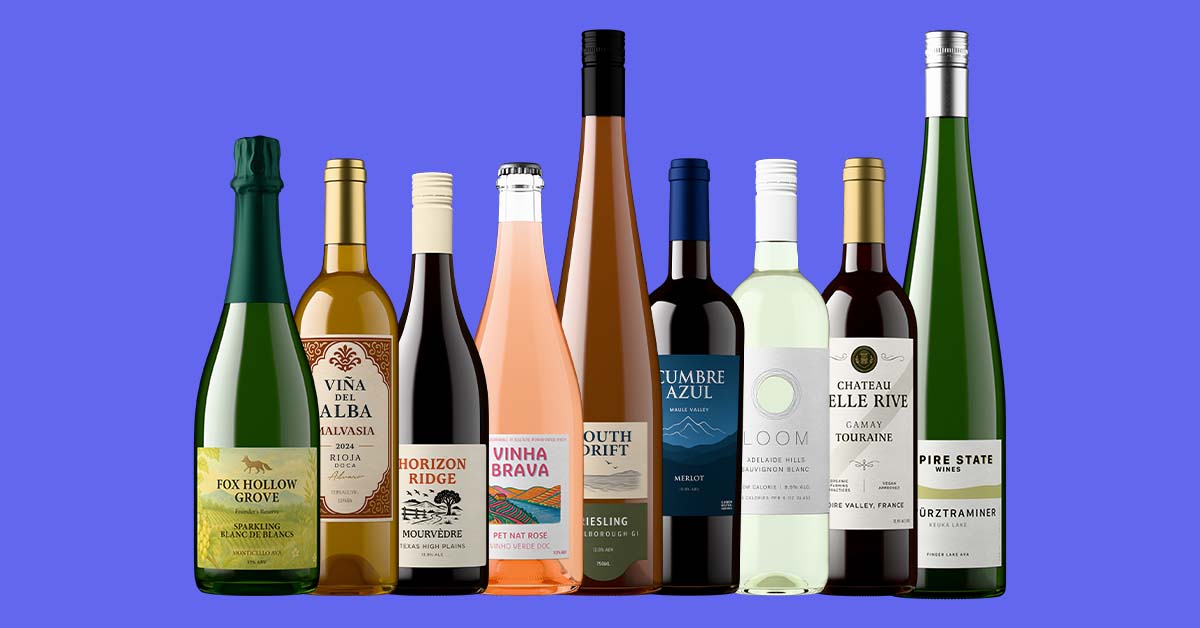
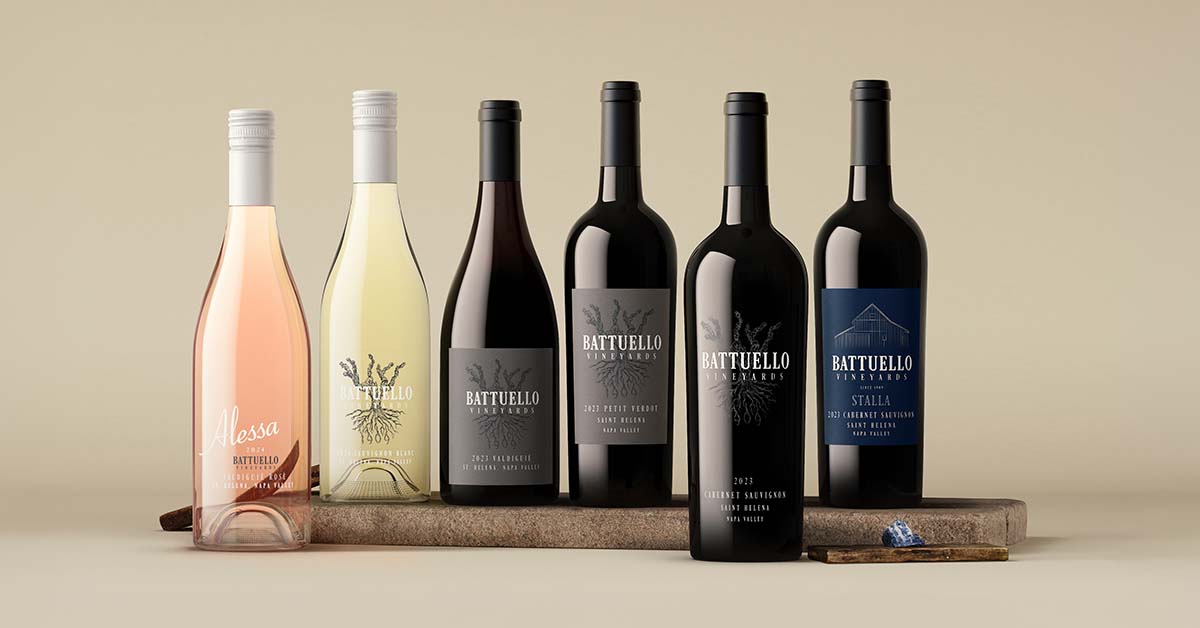
A bottle shot isn't just a photo: it's your brand's introduction to shoppers browsing Google Shopping. According to the latest compliance standards, Google now demands high‑resolution images with clear, unobstructed views, free from borders, backgrounds, or visual noise. Google's 2025 policy update prioritizes user trust and smooth shopping experiences; product feeds with low‑quality, misleading, or mismatched photos frequently trigger warnings or suspensions.
For beverage brands, traditional photoshoots often lead to lighting issues, reflections, or inconsistent backgrounds: all of which may violate Google Merchant Center rules and cause product feeds to be rejected.
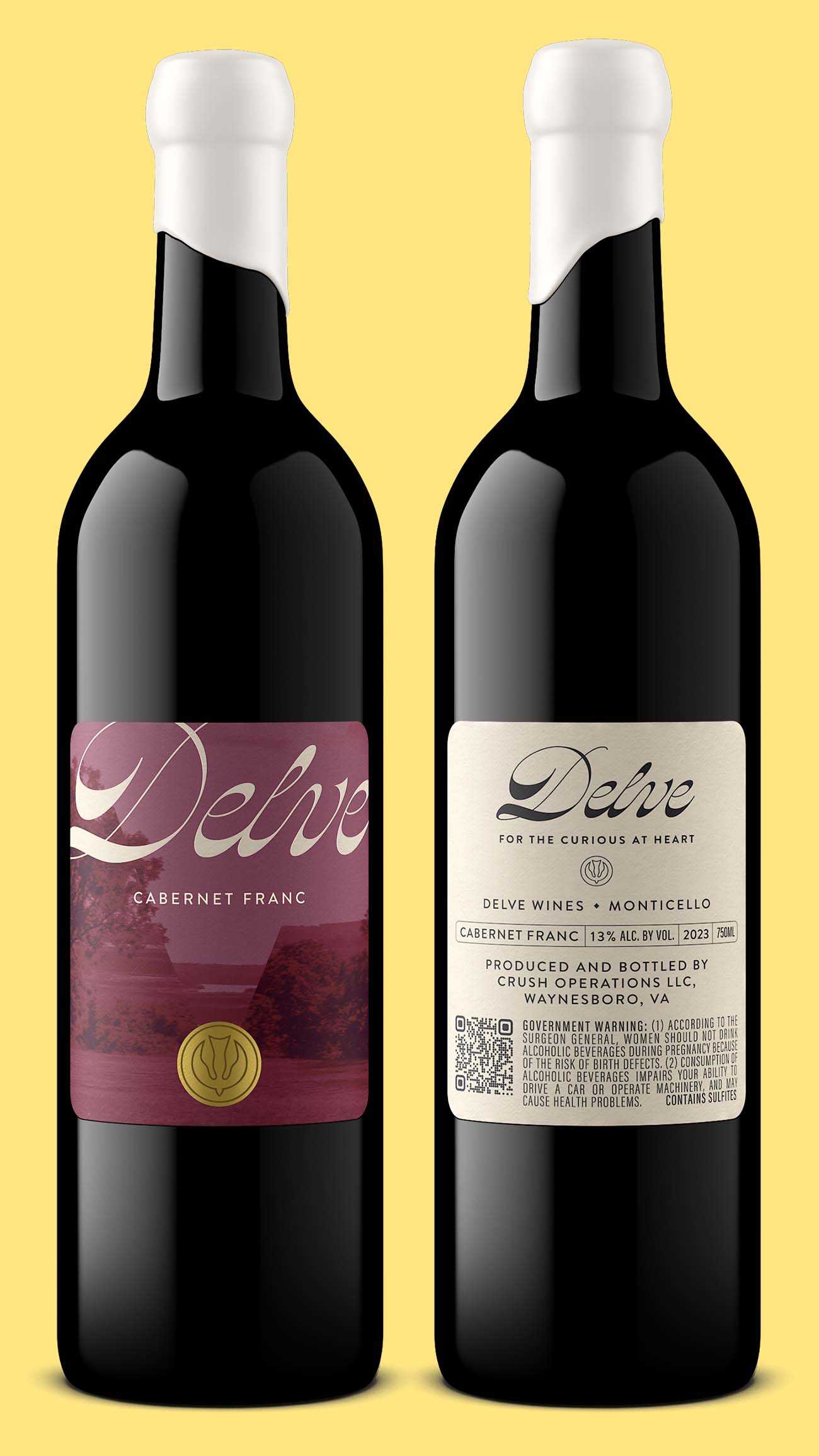
In AI-mediated commerce, images function as decision artifacts. They are used to verify authenticity, confirm variants, establish brand credibility, and reduce uncertainty at the moment of purchase.
This means bottle images must stand on their own, without explanatory context or supporting copy. Neutral backgrounds, accurate color rendering, legible labels, and consistent angles are not just best practice: they are prerequisites for machine confidence.
Strengthen your product feed optimization
Optimizing product feeds goes far beyond simple data entry,it's an ongoing commitment to accuracy, completeness, and relevance. Feed audits are essential for catching errors in titles, pricing, and imagery before your products go live. Merchants should verify that image dimensions, file formats, and naming conventions align perfectly with Google's requirements (e.g. images of at least 800 pixels, PNG or JPEG format, no watermarks or overlays).
For a full breakdown of image size and format requirements across major wine ecommerce platforms, see our guide to best image size and format for wine ecommerce.
Top product feed optimization strategies include:
- Conducting routine audits for images, prices, and inventory.
- Mapping product attributes with precision, using consistent naming and categorization.
- Using automation tools for updates and error prevention.
- Ensuring landing pages and product images match exactly, avoiding policy violations.$

The simplest route to Google‑compliant images
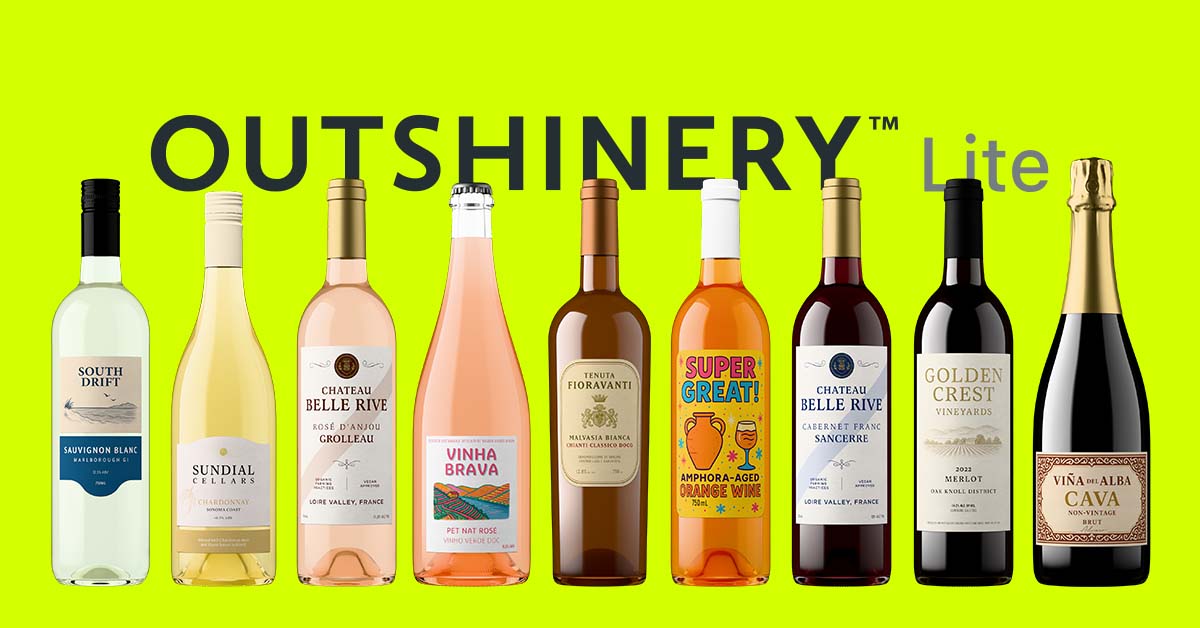
Rather than managing endless photo retakes or risking another rejected feed, beverage brands now have access to Outshinery Lite: an instantly accessible image solution built for Google Shopping success. Outshinery Lite delivers:
- High-resolution 2048×2048 PNG output: Meets Google's size standards for clarity and zoom.
- Transparent background, border-free: Puts your bottle front and center, with no distractions or disqualifications.
- SKU-consistent file naming: Simplifies backend integration and supports automated feed management.
These features allow for worry‑free upload directly into your Merchant Center, aligning with all technical requirements for Google Shopping compliance.

Why visual quality drives E-commerce revenue
The quality of your bottle images influences both Google feed eligibility and shopper confidence: two factors proven to drive conversions and revenue. A single compliant, high-quality photo can increase search visibility and reduce shopping cart abandonment. Studies show nearly 60% of buyers decide what to purchase based on image quality and consistency in listing data.
By keeping your bottle shots Google-ready, you position your brand for sustained growth, lower suspension risk, and maximum visibility in e-commerce.
For direct guidance on best practices, consult Shopify’s image-size guide or Google’s official Merchant Center documentation.
2026 update: AI-mediated commerce is changing how products are bought
Google is moving toward a commerce model where structured product data enables transactions to happen directly within search and AI interfaces, without always sending shoppers to a traditional product detail page.
In this model, your images and metadata may become the primary (or only!) inputs used to evaluate and purchase your product. Brands that invest in clean, consistent, AI-readable visuals will be easier to surface, easier to trust, and easier to buy. Brands that don’t risk becoming invisible, even if their product is exceptional.