Winery customer experience, what four founders agree on
Marketing and communication tech can improve the workflow for wine brands, especially when the focus is on the customer.


The short version
- Make the online experience as trustworthy as the tasting room. People are handing over a credit card, an address, and a place at their table. The website has to earn that.
- Own the sale after the truck leaves. Most friction shows up in delivery, and customers do not care whose fault it is.
- Segment before you send. One email to everyone is a message written for nobody.
- Read your own inbox. The brands that treat you well are mostly not wine brands.
- Let technology take work off your team, not add to it. If a tool creates a new job for someone, it is not helping.
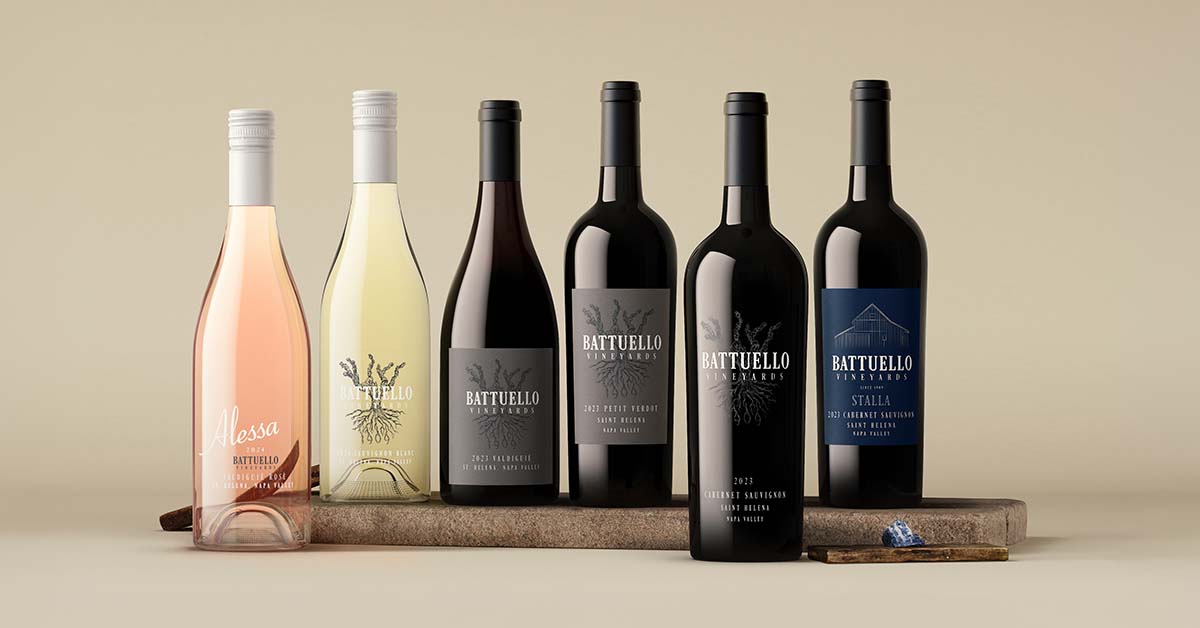
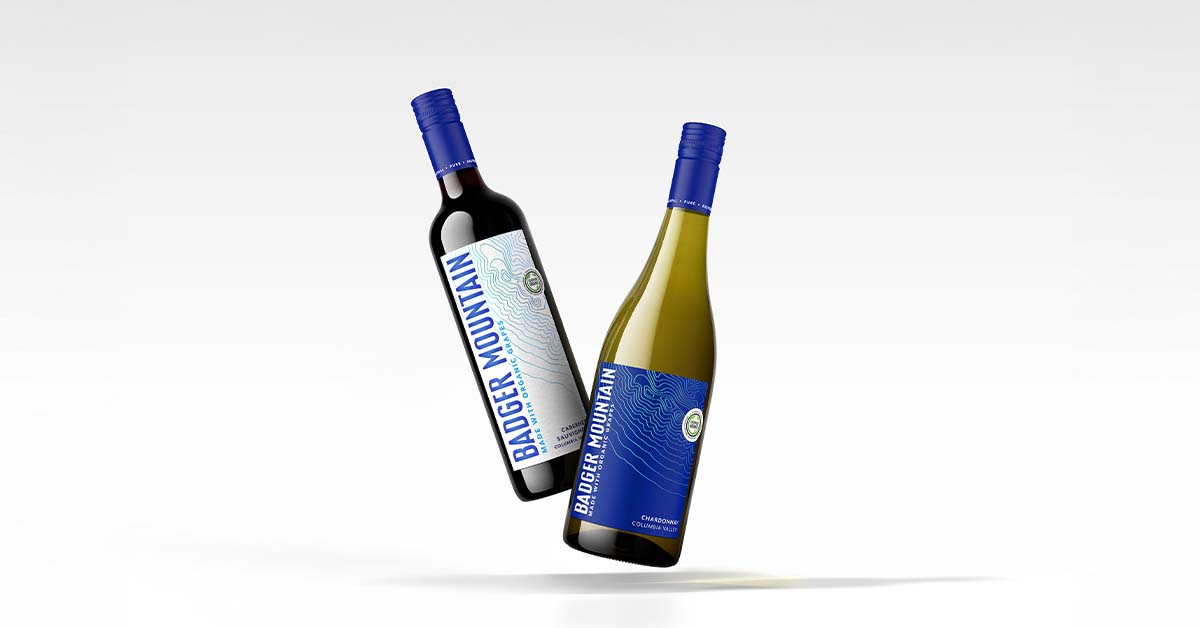
- Show the product before you describe it. The image is the first thing a buyer judges, and usually the only thing they judge before deciding whether to keep reading.

Make the online experience worth a credit card
Start with this from Laurie: "People expect an experience that they feel confident about putting their credit card on."
That is the whole bar, stated plainly. Whether a brand has sold online for a decade or backed into it during a bad year, the online impression has one job, to make someone comfortable enough to let the brand into their home.
And it is their home. Entering a card is one step. They are also handing over contact details, then waiting at the door for something to arrive, then opening it at their own table with someone they care about. That is a more intimate transaction than most winery websites are built for.
Sebastien Tremblay's point was that messaging is where that trust gets built, one touchpoint at a time. He saw most wine brands getting the most out of email and Facebook, with a hard constraint on length. A tidbit. Enough to be worth opening, not enough to become a chore.
The sale does not end when the truck leaves
"Go all in for operational excellence," said Nick Martin.
Wine already carries more logistical friction than most categories. Temperature, breakage, adult signature, a three-tier system that was not designed with a consumer's doorstep in mind. Which means the post-sale stretch is where a good brand experience most often falls apart.
Give people a predictable sequence. When it ships, when it lands, what to do if it does not. Then stay reachable.
The failure mode here is quiet and common. Something goes wrong in transit, the winery did nothing wrong, and the customer blames the winery anyway. They are not being unfair. The brand is the only name they recognize in the chain. Washing your hands of the order when the pallet leaves is the fastest way to lose someone who was otherwise ready to reorder.
One email to everyone is not a strategy
Laurie's warning was blunt: the big undifferentiated blast is finished. Not declining, finished.
Sebastien's version of the same complaint was the long quarterly newsletter, everything the winery did in three months, packed in and sent out on the assumption that someone will read it. Nobody reads it. The tools to segment an audience and write to a specific person have been cheap and available for years, and the brands still sending one message to everyone are choosing to.
Segmentation is the floor, not the ceiling. A text message when an allocation opens. A reply to a comment. A handwritten note in a shipment with a suggestion of what to try next. Sebastien's observation was that people respond to anything made for them specifically, and most of the ways to do that are not expensive.
For the mechanics of this, see the common wine email marketing mistakes and the metrics worth watching.
Look outside wine for what good looks like
Jonathan Harclerode's suggestion was the most practical thing in the room, and the cheapest to act on.
Sign up for communications from brands you admire. Not wine brands. Any brand. Then pay attention to how they treat you as a customer over the following weeks. What they send, when they send it, what they never send.
The wine industry has a habit of benchmarking itself against itself, which produces a slow consensus about what a winery email is supposed to look like. There is no rule that says a wine business has to communicate in winery-style. The good ideas are mostly sitting in your own inbox already, sent by companies that sell something else entirely.

Technology should take work away, not add it
The tension every small producer knows: new software promises to save time and then requires someone to feed it.
The test the group kept coming back to is whether a tool removes a task from a person or hands them a new one. Administrative work that software could absorb should not be sitting with someone whose time is better spent talking to customers. Nick described the period as a rush to reinvestment, brands catching up on years of deferred tooling all at once, and the ones who sat it out losing ground quietly.
Jonathan's caution was against the self-service trap. Making customers come to you and help themselves is not, on its own, a service improvement. Sometimes it is just moving the work onto the buyer and calling it convenience.
Laurie's framing was the more optimistic one, and it is the reason any of this is worth doing: "Tech can spark possibility and curiosity, and provide a renewed sense of what's possible. Technology can demystify and delight people."
Most wine businesses are small businesses. New tools can feel like a project nobody has time for. The ones worth adopting give time back in the first month.
The part of the experience that comes first
One thing the roundtable circled without naming directly: every point above happens after the customer has already decided to pay attention.
That decision is made on an image.
Before anyone reads a tasting note, checks a score, or notices how good the shipping confirmation email is, they have looked at a product photo and formed an opinion. On a marketplace listing, in a search result, in a distributor's catalog, the image is often the entire first impression. King Family Vineyards saw a 4x sales increase from improving their imagery, without changing the wine.
Most brands know this. Far fewer can act on it, because acting on it used to mean shipping bottles to a photographer, booking a studio day, and waiting. That is the execution gap: the distance between knowing your visuals are holding you back and being able to do anything about it before the next release.
Building the packaging as a 3D model closes it. The label file becomes the image, which means product shots can exist before the bottle does, stay consistent across every vintage and SKU, and get updated when a label changes without a reshoot. Pre-Designed Imagery takes the same model into scenes, so the product shows up in a real setting rather than floating on white.
Which one fits depends on the brand and the deadline. Lite and Studio are built for different situations.
What holds up
Read the notes from that conversation now and the technology references have dated badly. The customer observations have not moved at all.
People want to feel confident before they pay. They want to know what happens after they do. They want to be written to as themselves rather than as a list. And they decide whether any of that matters based on what they see first.
None of that is a wine problem. It is what buying anything from a small producer feels like from the other side of the screen. The brands that keep this in view are the ones people come back to, and the ones that treat customer experience as a project to get to next quarter are training their customers to shop somewhere else.
FAQ
What matters most in a winery customer experience?
Trust before the purchase and follow-through after it. A buyer needs to feel confident enough to enter a credit card, then needs to know what happens next. Most brands invest heavily in the first and neglect the second, which is where the friction actually shows up.
Why does the post-sale experience matter so much in wine?
Wine carries more shipping friction than most categories, including temperature sensitivity, breakage, and adult signature requirements. When a delivery goes wrong the customer blames the brand, not the carrier, because the brand is the only name they recognize. Staying reachable after the order ships is what protects the relationship.
How short should a winery email be?
Short enough to be worth opening. The roundtable's guidance was a tidbit, enough information to be interesting and not so much that reading it becomes a task. Long quarterly newsletters that pack in everything a winery did since the last one are the pattern to avoid.
Is email segmentation worth it for a small winery?
Yes, and it is the lowest-effort improvement available. Sending one message to an entire list means writing for an average customer who does not exist. Segmenting by purchase history, club membership, or region takes an afternoon to set up and changes what the message can say.
Where should a winery look for customer experience ideas?
Outside wine. Subscribing to communications from brands you admire in other categories and paying attention to how they treat you over a few weeks surfaces more usable ideas than benchmarking against other wineries, which tends to reproduce the same conventions.
How do product images affect customer experience?
They set it. A buyer forms an opinion from the product image before reading anything else, and on marketplace listings or distributor catalogs the image is often the entire first impression. King Family Vineyards reported a 4x sales increase after improving their imagery without changing the wine.
Can a brand get product images before the wine is bottled?
Yes. Because Outshinery builds the packaging as a 3D model from the label file rather than photographing a physical bottle, the image can be finished while the liquid is still in tank. Brands use this to hit listing dates and sell sheet deadlines ahead of bottling.
Related reading: how to think like a customer and sell more wine, structuring your wine club to reduce member attrition, and digital experiences that delight customers before they visit.