How to unlock winery ecommerce and grow online wine sales
From platform selection to wine clubs: building winery ecommerce.


Most wineries have an online store. Few are getting the most out of it. The gap between having ecommerce and running it well is where revenue either grows or quietly leaks away.
The DTC wine channel contracted by 15% in volume and more than $230 million in value in 2025, according to the annual report from Sovos ShipCompliant and WineBusiness Analytics. That is the steepest decline since the report began in 2010. The average price per bottle shipped rose 11% to a record $56.78, but that is not buyers trading up. The report is explicit that it is a mix-shift: purchasers of lower-priced wine are leaving the channel faster than anyone else, so the remaining mix simply skews expensive.
For wineries that depend on direct sales, this is not a crisis. It is a signal. Fewer transactions and a more selective buyer pool leave much less room for a store that only half works. The brands still growing are the ones treating their ecommerce operation as a real sales channel, not an afterthought bolted onto a tasting room website.
This guide covers the five areas that matter most for winery ecommerce: choosing the right platform, making product pages that convert, building wine clubs that retain, using email to drive repeat purchases, and handling the compliance side without letting it slow everything down.
Choose the right ecommerce platform for your winery
The platform you build on determines what you can do with your online store. Wine ecommerce has requirements that a general ecommerce platform does not handle on its own: wine club management, allocations, compliance-aware shipping, and age verification at checkout.
The landscape both consolidated and split during 2025, and wineries are now migrating in two different directions. Understanding both before you commit will save you a second migration.
Commerce7
Commerce7 is built on a modern tech stack (React and Node) and has become the platform of choice for wineries that prioritize the online buying experience. Key strengths include persistent carts, one-click checkout, personalization features that adapt the site to each visitor, and a flexible club system that lets members customize their shipments online.
In January 2025, Commerce7's parent company, Fullsteam, acquired WineDirect's SaaS division, and WineDirect ecommerce clients have been migrating onto Commerce7 since. If you want one wine-native system where the storefront, club, and point of sale are built together, this is the most direct path.
Shopify with a wine-specific layer
The other migration route is Shopify plus an app built for wine, and it is where a notable share of enterprise producers have landed. Winehub is a Shopify-native platform for wineries covering wine clubs, subscriptions, loyalty tiers, allocations, a member self-service portal, and Shopify POS workflows for the cellar door. It connects to the compliance and logistics tools wineries already run, including ShipCompliant, Avalara, WineShipping, Vintrace, and Klaviyo.
The appeal is getting Shopify's checkout, hosting, and app ecosystem while adding the club and allocation logic Shopify cannot do alone. The Duckhorn Portfolio moved its brand roster onto Shopify and Winehub, and Far Niente migrated three Napa estates off WineDirect to a headless Shopify build. Both are cases of large producers deciding that a general-purpose platform plus a wine specialist layer beats a single wine-native system.

One thing to model before you commit: Winehub bills on your combined club and subscription membership count plus a percentage of basket value on managed orders, so size your costs against club membership rather than total revenue.
WineDirect
This is the part most wineries have not caught up on. WineDirect is no longer a separate ecommerce platform choice. Its ecommerce and point-of-sale software division was acquired in January 2025 and its winery clients are moving on, some to Commerce7 and some to Shopify.
What continues under the WineDirect name is the fulfillment side of the business: warehousing, pick and pack, and compliance-aware shipping across state lines. If you are considering WineDirect in 2026, evaluate it as a fulfillment and logistics partner rather than as the platform your storefront runs on.
Offset Partners
Offset Partners takes a design-forward approach, building custom ecommerce experiences for wineries that want their online store to feel like a natural extension of their brand. The platform supports multiple sales models, integrates inventory and accounting, and offers a companion app for processing in-person orders.
Offset is the right fit for wineries where the brand experience matters as much as the transaction.
The platform you choose sets the ceiling for your online sales. Pick for where your winery is heading, not just where it is today.
Optimize product pages with images that convert
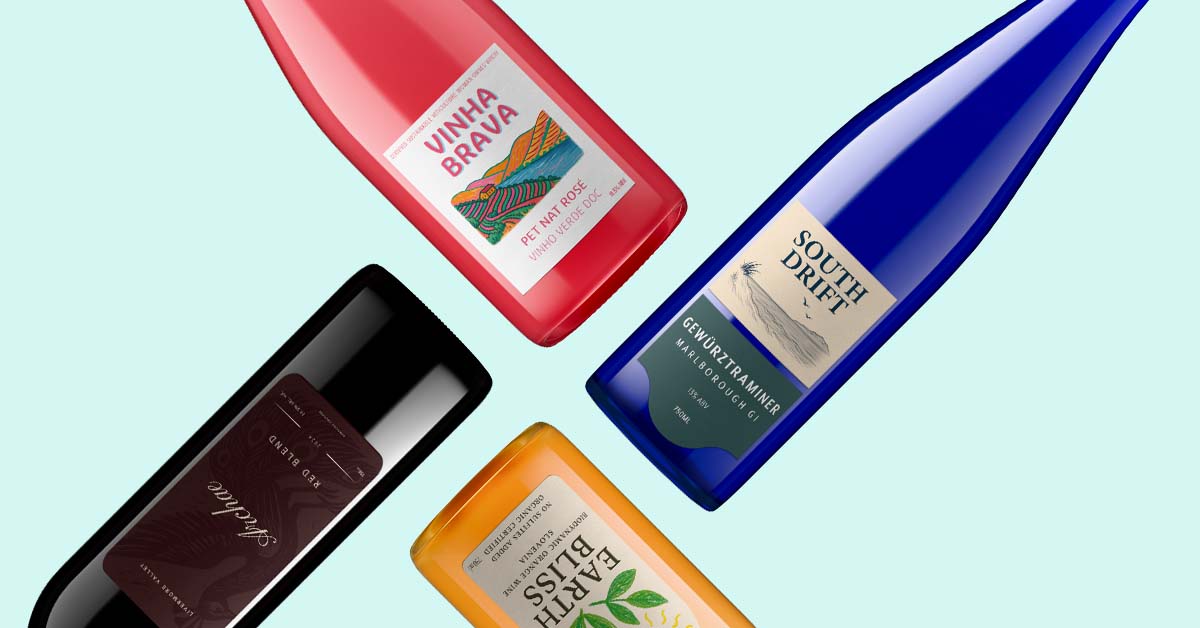
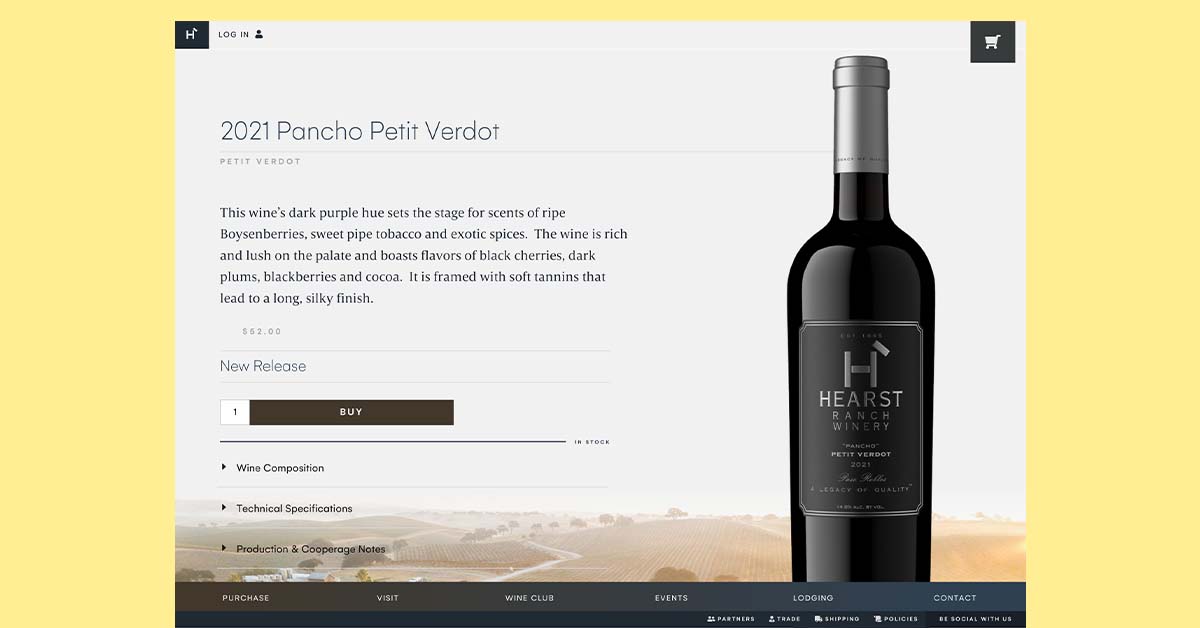
Your product page is your digital shelf. When a customer browses your online store, the bottle image is the first thing they evaluate. Before they read the tasting notes, check the price, or look at reviews, they have already formed an impression based on the visual.
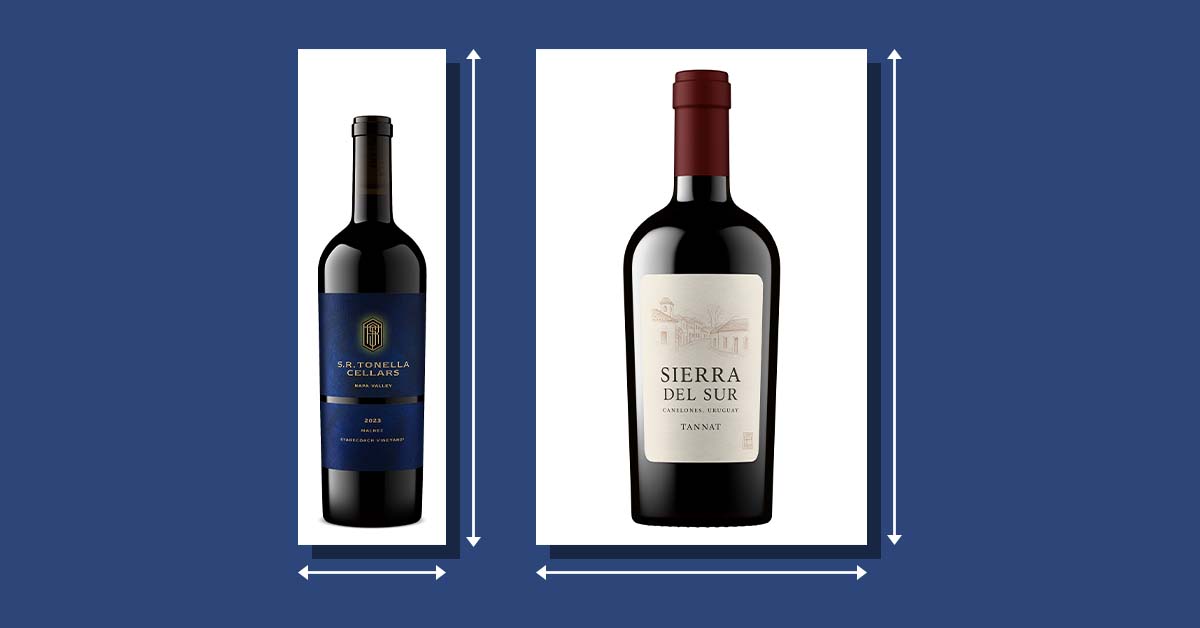
This is where most wineries leave money on the table. Common problems include outdated images showing the wrong vintage, inconsistent lighting or angles across SKUs, low-resolution photos that look fine on a desktop but fall apart on mobile, and images that simply do not match what the customer sees when the bottle arrives.
How common is that? In The State of Wine Product Imagery 2026, measured across 189 wine storefronts and 11,111 wines in September 2026, about one wine listing in eleven shows a photograph of a different vintage from the one in the product title, among the listings where this could be checked.
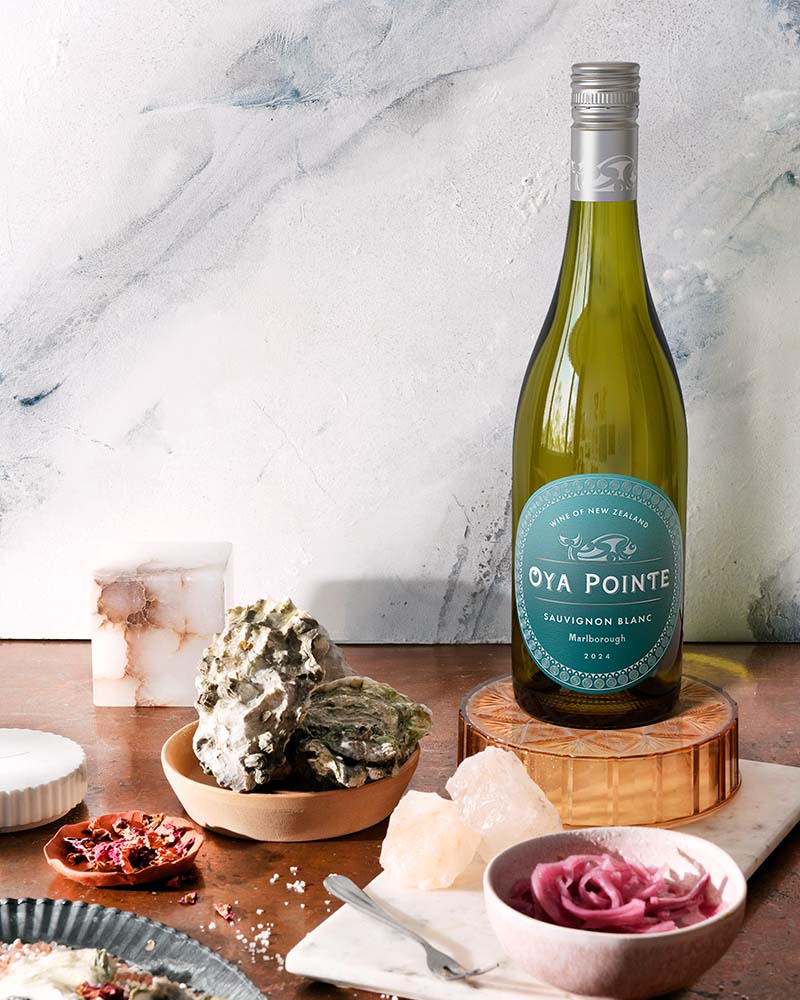
What works instead: clean, high-resolution product shots with consistent lighting and a distraction-free background. Every bottle in your catalog should look like it belongs to the same family. That visual consistency signals professionalism and builds the kind of trust that converts browsers into buyers.

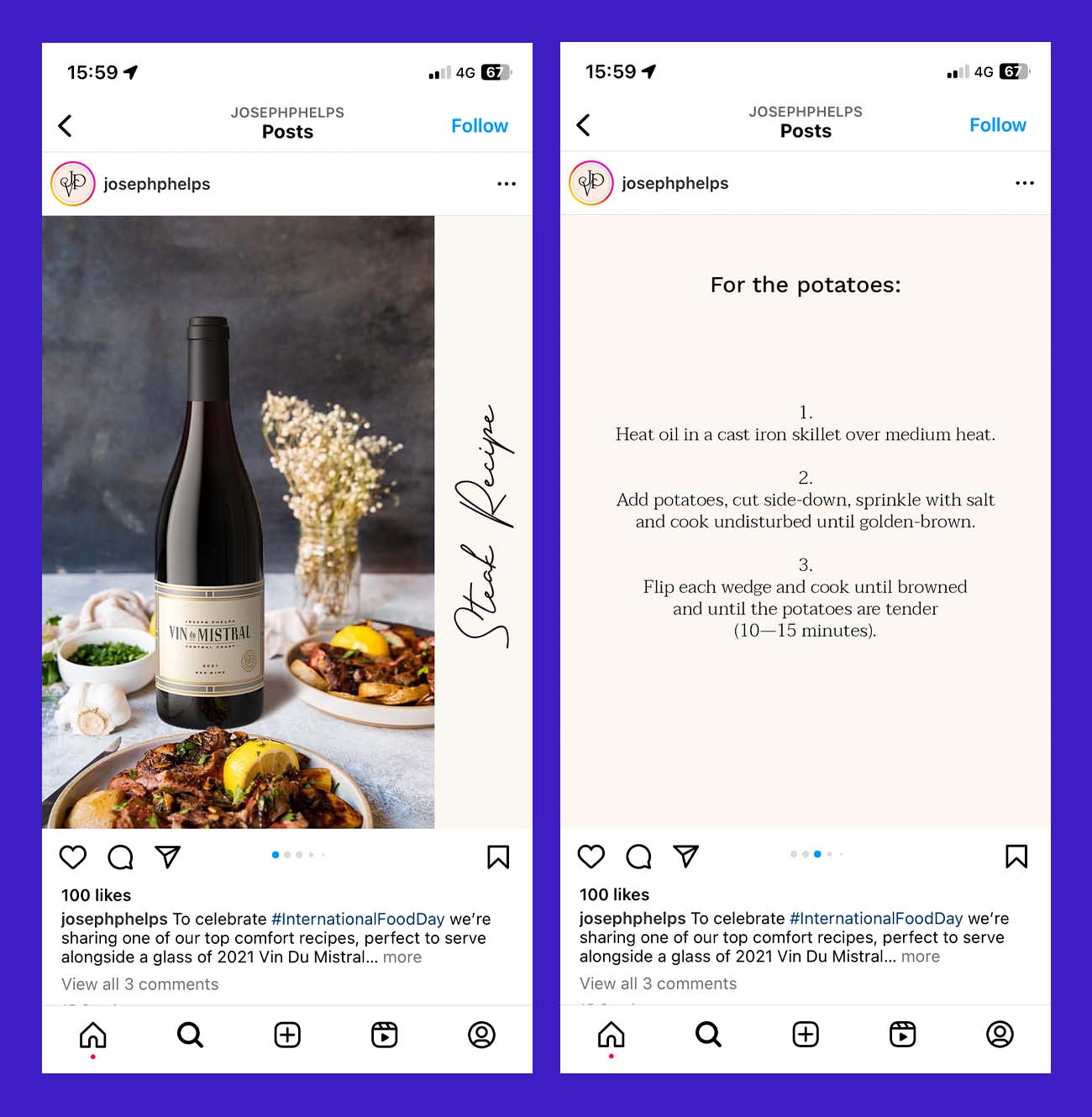
Beyond product shots, lifestyle images help tell a story. A bottle styled with a seasonal table setting, a food pairing, or a vineyard backdrop gives the buyer context they cannot get from a white-background shot alone. The strongest product pages use both: a clean product shot for the listing and a lifestyle image to create desire.
Your product descriptions should be concise, benefits-focused, and written for the buyer, not for a sommelier exam. Lead with what the wine tastes like and when to drink it. Save the technical details for an expandable section below.
One thing worth checking: the image on your product page is often the same file feeding your shopping listings and marketplace placements, and those have stricter image rules. Google's Merchant Center policy prohibits promotional text, watermarks, and logos on product images and requires an unobstructed view of the product. Keep a clean, text-free version of every bottle on hand for feeds, and reserve the styled variations for email and social.
Build a wine club that retains members
Wine clubs are the engine of winery DTC revenue. A well-run club provides predictable recurring revenue, higher lifetime customer value, and a built-in audience for new releases.
The challenge is retention. Club members churn for predictable reasons: they feel locked into selections they did not choose, shipments arrive at inconvenient times, or they simply forget why they joined. The fix is giving members more control, not less.
Whichever platform you land on, look for the same capabilities: members who can customize their selections, adjust shipment dates, pause a membership, and manage everything themselves online without calling or emailing. Commerce7's subscription model and Winehub's customer portal both work this way. That flexibility reduces cancellation requests and spreads club revenue more evenly across the year.

Beyond the mechanics, the club experience matters. Exclusive access to limited wines, early release invitations, member-only events, and personalized tasting notes all reinforce the feeling that the membership is worth keeping. The wineries with the lowest churn rates treat their club members like insiders, not just subscribers.
Sovos makes one related point worth taking seriously: tasting room traffic is what feeds the club, and the club is what steadies DTC revenue when the market is under pressure. The online store and the tasting room are not separate businesses.
Use email marketing to drive repeat purchases
Email remains the highest-ROI marketing channel for wineries selling direct. It costs almost nothing to send, it reaches an audience that already knows your brand, and it converts at rates that social media cannot match.
The basics: send a welcome sequence to new customers and new club members. Follow up after a purchase with pairing suggestions or serving tips. Announce new releases to your list before they go on the general website. Remind customers when their favorite wines are running low or about to sell out.
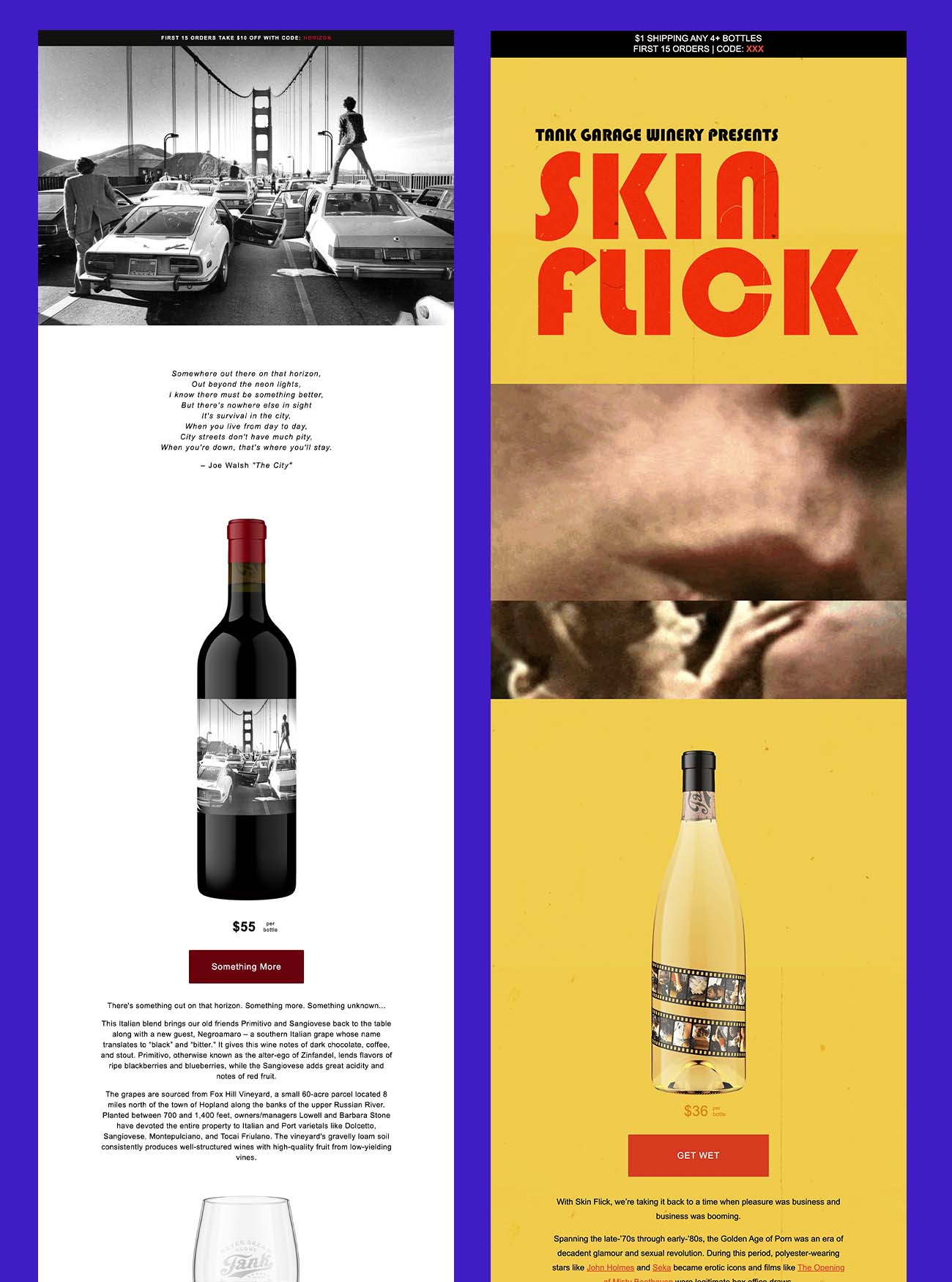
Personalization makes a measurable difference. Segment your list by purchase history, club tier, geographic location, or wine preferences. A customer who buys Pinot Noir exclusively does not need an email about your new Cabernet Franc. The more relevant the message, the higher the open rate and the conversion.
The visual side matters too. Emails with professional product imagery outperform those with phone snapshots or no images at all. Consistent bottle shots across your emails, your website, and your social posts create a cohesive brand experience that reinforces recognition.
Handle compliance, shipping, and age verification
Compliance is the part of wine ecommerce that nobody finds exciting and everybody needs to get right. Selling wine online in the United States means navigating a patchwork of state-by-state regulations, licensing requirements, and shipping restrictions.
The foundational requirements include a DTC shipping permit for each state you ship to (not all states allow it), an Alcohol Dealer's Registration (ADR) at the federal level, and the appropriate state winery and retail licenses for your home state. Requirements vary, and they change. Working with a compliance partner, or running a platform that connects to ShipCompliant and Avalara, reduces the risk of costly mistakes.
Shipping logistics require attention too. Wine needs temperature-controlled handling in summer months, secure packaging to prevent breakage, and carriers that are licensed for alcohol delivery. UPS, FedEx, and DHL each run alcohol shipping programs, and all of them require a signed alcohol shipping agreement, licensed shipper status, and an adult signature at delivery. The US Postal Service is not an option at any volume: federal law prohibits mailing beer, wine, and spirits regardless of what your state allows.
Age verification is non-negotiable. Every sale must confirm the buyer is of legal drinking age, and an adult signature is required at delivery in most states. Your ecommerce platform should handle age gates at checkout, and your shipping partner should enforce signature requirements at the door.
The visual thread that ties it all together
Across every section of this guide, one theme keeps surfacing: the quality and consistency of your product imagery determines how well your ecommerce operation performs. Your platform displays the images. Your product pages sell with them. Your emails convert because of them. Your social posts stop the scroll with them.
When your imagery is inconsistent, outdated, or simply not doing your packaging justice, every other investment you make in ecommerce works less hard.
Outshinery creates photorealistic product visuals for wine, beer, spirits, and beverage brands, no photoshoot required. Outshinery Studio delivers human-crafted renders for complex packaging and premium presentation. Outshinery Lite generates professional wine bottle shots in under an hour, with no samples to ship and no photographer to schedule.
You can get images before your wine is even bottled, update them instantly when a vintage changes, and maintain visual consistency across every SKU in your catalog. That is the kind of operational advantage that compounds across every channel you sell in, whichever platform you run.
Frequently asked questions
How big is the wine ecommerce market?
The US DTC wine shipping channel was worth roughly $3.7 billion in 2025, down more than $230 million and 15% in volume from the year before, according to Sovos ShipCompliant and WineBusiness Analytics. That is the steepest decline since the report began in 2010. The average price per bottle shipped rose 11% to a record $56.78, but the report attributes that to buyers of lower-priced wine leaving the channel rather than existing buyers trading up.
What ecommerce platform should a winery use?
There are two main routes in 2026. The first is a wine-native platform, where Commerce7 now leads after its parent company acquired WineDirect's SaaS division in January 2025. The second is Shopify with a wine-specific layer such as Winehub, which adds clubs, subscriptions, loyalty, allocations, and cellar door point of sale on top of Shopify's checkout and app ecosystem. WineDirect continues as a fulfillment and compliance partner rather than a storefront platform, and Offset Partners builds custom, brand-forward stores. The right choice depends on your winery's size, club membership count, shipping volume, and how much of your stack you want under one roof.
Can you run a winery online store on Shopify?
Yes, with a wine-specific app layered on top. Shopify alone does not handle wine clubs, allocations, or compliance-aware shipping, but Winehub adds club and subscription management, loyalty tiers, allocations, a member portal, and Shopify POS workflows, and connects to ShipCompliant, Avalara, WineShipping, and Vintrace. The Duckhorn Portfolio moved its brand roster onto Shopify and Winehub, and Far Niente migrated three Napa estates off WineDirect to a headless Shopify build.
Is WineDirect still an ecommerce platform?
Not for new builds. WineDirect's ecommerce and point-of-sale software division was acquired in January 2025 and its winery clients have been moving on, some to Commerce7 and some to Shopify. The WineDirect name continues on the fulfillment side: warehousing, pick and pack, and compliance-aware shipping across state lines. Evaluate it as a logistics partner, not as the platform your online store runs on.
What licenses do I need to sell wine online in the US?
At minimum, you will need a state winery license, a DTC shipping permit for each state you ship to, an Alcohol Dealer's Registration (ADR) at the federal level, and an EIN for tax purposes. Some states require additional retail licenses. You will also need a signed alcohol shipping agreement with your carrier. Requirements vary by state, and not all states allow DTC wine shipments. Consult a compliance specialist or use a fulfillment provider with built-in compliance support to stay current.
Can I ship wine through the US Postal Service?
No. Federal law prohibits mailing beer, wine, and spirits through USPS regardless of what your state permits. Use UPS, FedEx, or DHL under their alcohol shipping programs, each of which requires licensed shipper status and an adult signature at delivery.
How do I improve my wine product page conversion rate?
Start with professional, consistent product imagery. Use high-resolution bottle shots on a clean background, and include at least one lifestyle image for context. Write product descriptions that lead with flavor and occasion, not technical data. Make the add-to-cart button prominent, show real customer reviews, and ensure the page loads fast on mobile. Most wine is now browsed on a phone first.
Key takeaways
- Know the two migration routes before you commit: a wine-native platform led by Commerce7, or Shopify with a wine-specific layer such as Winehub, the path the Duckhorn Portfolio and Far Niente took
- WineDirect is now a fulfillment partner rather than a storefront platform, and Offset Partners builds custom brand-forward stores
- Invest in consistent, high-quality product imagery across every SKU, and update images whenever a vintage changes
- Keep a clean, text-free version of every bottle image for shopping feeds, which prohibit promotional text and watermarks
- Build wine clubs around member flexibility: let members customize selections, adjust dates, and manage their account online
- Use email marketing with segmentation and personalization to drive repeat purchases and announce new releases
- Stay current on DTC shipping compliance, state-by-state licensing, carrier alcohol agreements, and age verification requirements
- Professional product visuals are the thread that connects every channel, and they travel with you across any platform migration