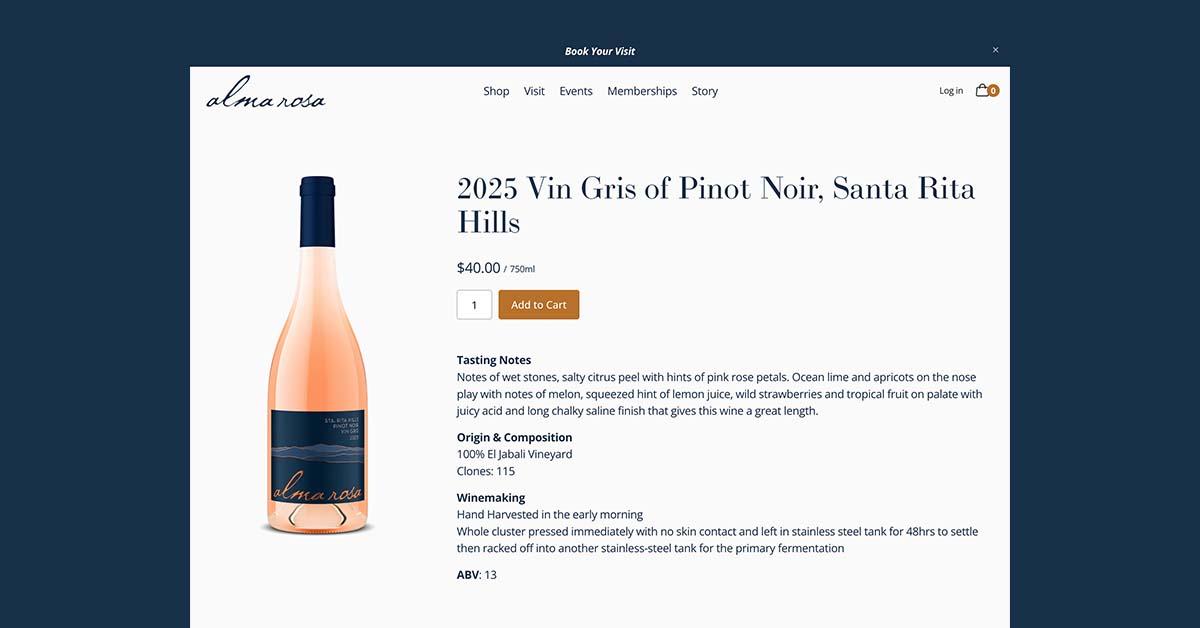
Your wine product page has three readers now
The shopper, the search engine and the AI assistant all read your listing. Here is what each one needs, and a free guide to writing for all three.


Every wine product page now has three readers: the shopper on a phone, the search engine that summarizes the page before anyone clicks, and the AI assistant that recommends two or three bottles out of everything it reads. Copy written only for the first reader loses the other two.
Our new free guide, Wine listings that sell, is a 12-page playbook for wineries that write their own listings. This article covers the idea the guide starts from: who is reading your listing, and what each reader looks for.
The first reader: a shopper with a few seconds
The shopper is still the one who pays, and they are almost always on a phone. They decide in a few seconds whether this bottle fits tonight, a gift or a case for the cellar.
The old advice for this reader still holds: keep it short, lead with a reason to buy, make the button easy to find. What changed is that the shopper often arrives already primed by one of the other two readers.
The second reader: a search engine that answers first
Search engines have read wine pages for years. What is new is that they now summarize a page in an AI answer before anyone clicks, built from whatever the page states plainly.
Plain is rarer than it looks. Adobe's benchmark of US retail sites found that product pages were on average 66% machine-readable (Adobe Digital Insights, April 2026). Roughly a third of a typical product page never reaches the machine: text baked into images, tasting notes in a PDF, details hidden in a tab that loads on click.
The third reader: an AI assistant that picks for you
The third reader is new. A shopper asks an assistant which Pinot under $40 goes with salmon, and the assistant answers by reading product listings, yours included, and recommending a few.
This reader already sends real traffic. AI-referred traffic to US retail sites grew 393% year over year in the first quarter of 2026, and in March 2026 those visitors converted 42% better than other traffic (Adobe Digital Insights).
The assistants are also opinionated. In a July 2026 survey of 2,338 US adults, 57.5% of AI users had decided not to buy something because of what a chatbot told them (Semrush, September 2026).

What all three readers need from one listing
The three readers want the same thing: a listing that says exactly what the wine is, who it is for, and facts that agree with each other. An assistant that finds nothing it can use does not guess in your favor. It recommends the winery whose listing it could read.
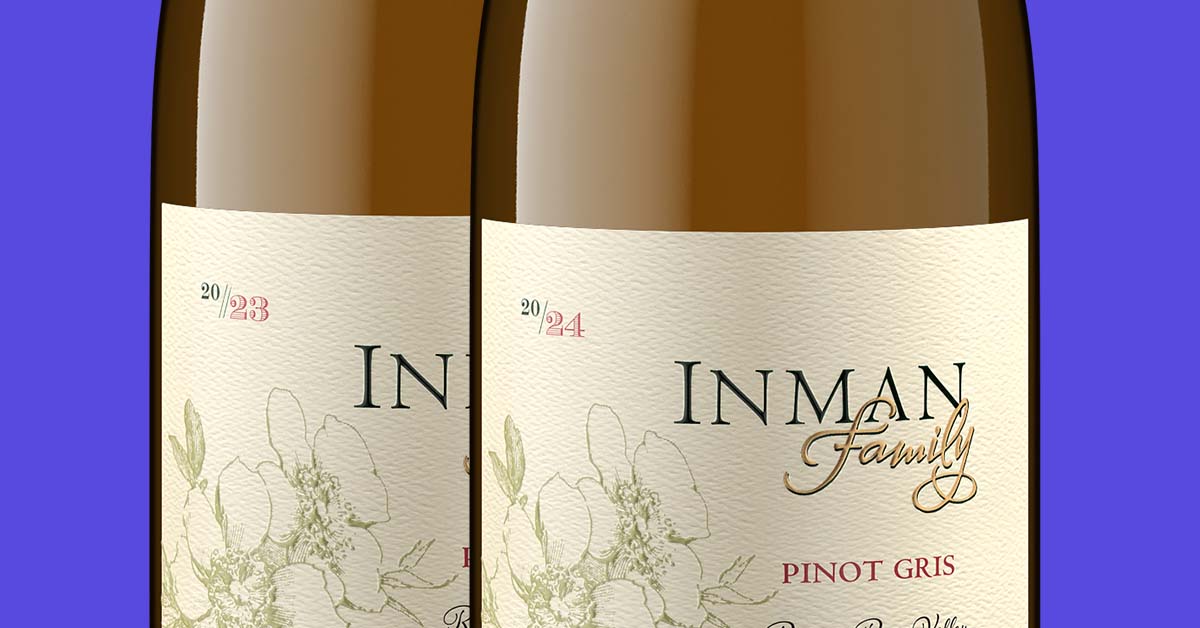
Agreement is where most listings slip. Outshinery's State of Wine Product Imagery 2026 study found that about one wine listing in eleven shows a photograph of a different vintage from the one in the product title, among the listings where this could be checked. A shopper half-notices and hesitates, and an assistant cannot quote a listing that contradicts itself.
None of this favors big producers. A three-person winery with clear, specific, consistent product pages can be recommended ahead of a large producer with a thin catalog.
What is inside Wine listings that sell
The guide turns the three-reader idea into work you can do one listing at a time.
- The agreement check: five facts your copy and your bottle shot must agree on before any other edit
- The five fields that sell the wine: what goes in each one, laid out on a phone screen
- A before and after: one invented Pinot, rewritten for the shopper and the assistant
- A prompt that works: for Claude or ChatGPT, written so the assistant cannot invent tasting notes
- The ten-minute listing check: twelve ticks per wine, starting with the bottles that earn the most
The last pages cover the other half of the listing, the image, and two ways to get bottle shots from your label file with no photo shoot.
Download Wine listings that sell and run the ten-minute check on your three best-selling wines first.

Frequently asked questions
How do AI assistants choose which wines to recommend?
They read product listings and favor the ones whose facts they can extract and repeat: a clear title, a plain description, structured specs and a current price. A listing that is vague or contradicts itself gives the assistant nothing to quote with confidence, so it recommends a wine it can describe.
Should I write wine descriptions with ChatGPT or Claude?
An assistant can draft a good wine listing if you give it the real facts: winemaker notes, vintage conditions, ABV, closure and who buys the wine. Asked to write from nothing, it invents tasting notes. Check every line against a fact you hold, and keep one sentence only someone at your winery could write.
Is the Wine listings that sell guide free?
Yes. Wine listings that sell, 2026 edition, is a free download on outshinery.com, sent to your inbox when you request it. It runs 12 pages and is written for wineries that write their own listings.