Why product image clarity affects your online sales
How sharp, correctly sized wine bottle images lift add-to-cart rates and lower bounce.

Your product image loads before your price. Before your description. Before a single review.
By the time a buyer reads a word, they have already decided whether your product looks worth their attention. That decision runs on the image. If it is soft, cramped, or slow to load, the sale is often lost before the page finishes rendering.
Image clarity affects online sales because the picture is the first thing a shopper evaluates, and an unclear one gets skipped before anything else on the page can work. Sharp, correctly sized, fast-loading images lift add-to-cart rates and hold attention. Blurry or heavy ones raise bounce and quietly cost you conversions.
For beverage brands, this plays out at the level of a single thumbnail. Clear wine bottle images earn the click on a crowded category page. Weak ones lose it. Here is where that shows up in your numbers.
The image is the first thing a buyer judges
On a product page, the image is the first thing most shoppers look at, ahead of the title, the description, or the price.
Baymard Institute found that 56% of users' first action on a product page is to explore the images, before reading titles or descriptions or scrolling down. The image is not decoration around your copy. It is the copy's first impression, and it either earns the next few seconds or ends them.
For beverage, this is amplified. A shopper scanning a category page is comparing bottles at a glance, judging quality from a thumbnail long before they read a tasting note.
Blurry thumbnails cost you the click
A soft or poorly lit thumbnail reads as a lower-quality product, even when the product is excellent, and shoppers skip it without knowing why.
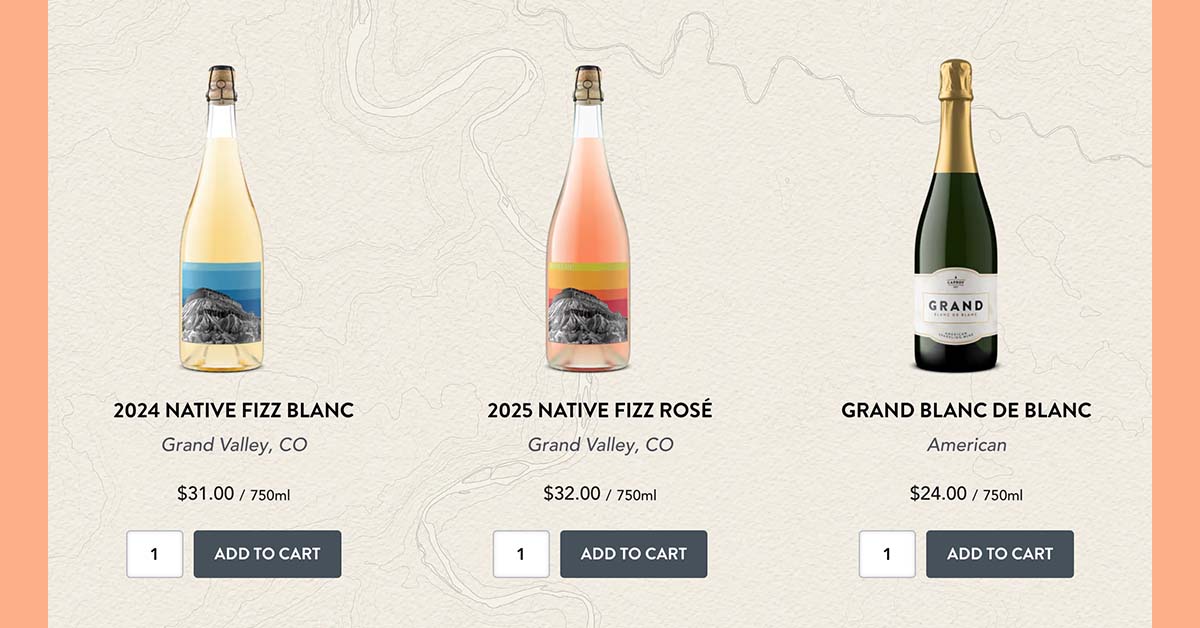
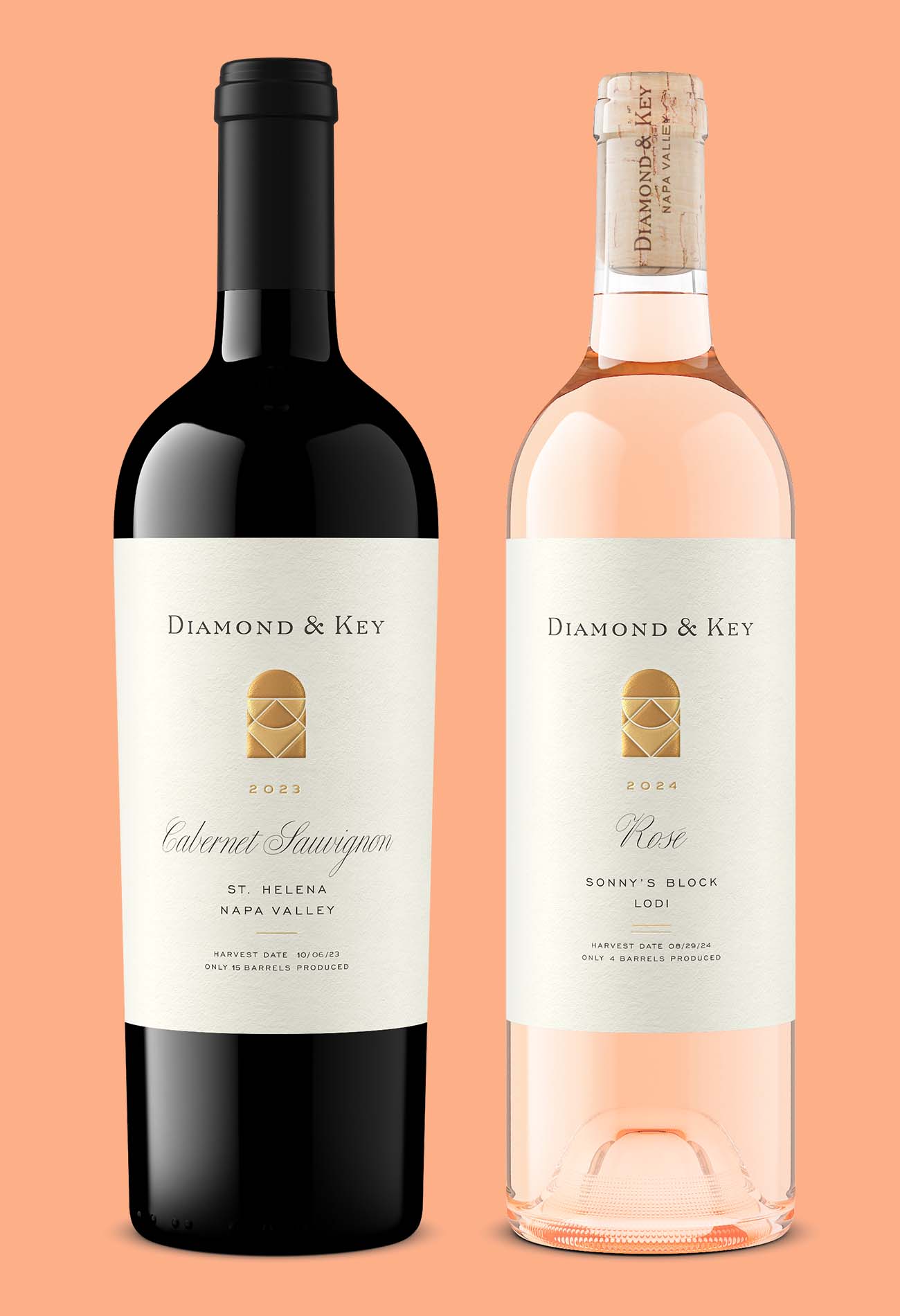
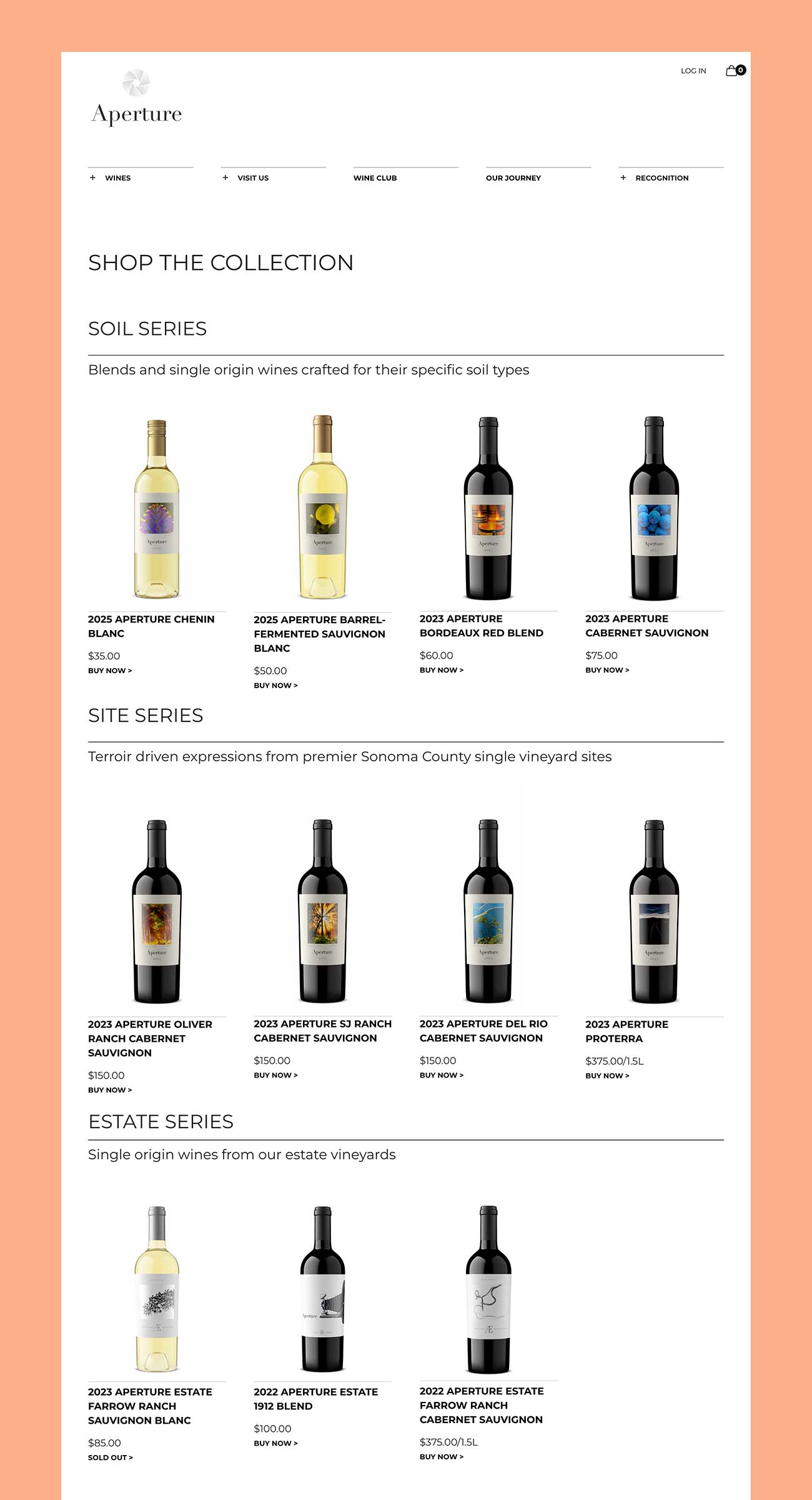
The category and search-results pages are where most add-to-cart decisions begin, and there your image is small. At thumbnail size, sharpness and lighting do the persuading. A clean, evenly lit bottle shot with true label color signals a brand worth trusting, while a dim phone photo signals the opposite.
This is the quiet tax on weak imagery. You never see the click you didn't get.
Most attention lands before the first scroll
Shoppers concentrate their attention at the top of the page, so the primary image carries more weight than any asset below it.
Nielsen Norman Group's eye-tracking research found that users spend 57% of their viewing time above the fold, and 74% within the first two screenfuls. Your main image sits in that high-attention zone. If it is unclear, your most valuable screen space is working against you.
Slow, heavy images push your bounce rate up
Large, uncompressed images slow the page, and slower pages lose buyers, especially on mobile.
In Google and Deloitte's "Milliseconds Make Millions" study, a 0.1 second improvement in mobile load time increased retail conversions by 8.4% and average order value by 9.2%. Image weight is one of the biggest drivers of load time.
An oversized file does double damage. It slows the page, and once a marketplace compresses it to fit, it can degrade the very clarity you were trying to protect. The fix is not smaller images. It is images built at the right resolution from the start, so compression has clean detail to work with.
Marketplaces bury weak product images
Marketplaces set hard image specs, and images that miss them get rejected, down-ranked, or stripped of features like zoom.
Amazon is the clearest example. Its main image rules are strict and public.
- Product fills at least 85% of the frame
- Minimum 1,000 px on the longest side to enable zoom
- Pure white background on the main image
- Recommended 1,600 px or larger for a clean zoom experience
Miss the resolution and buyers lose the ability to inspect your label up close, which is often where the decision is made.
Every retail channel, DTC store, and distributor portal has its own version of these rules. High-resolution source images are what let you meet all of them without reshooting for each one. Baymard found 25% of ecommerce sites still don't offer sufficient image resolution or zoom, and 40% don't support pinch or tap gestures on mobile.
Clarity is not one thing. It is several, and each maps to a specific way buyers judge your product.
Buyers use images to judge size, and glass makes it harder
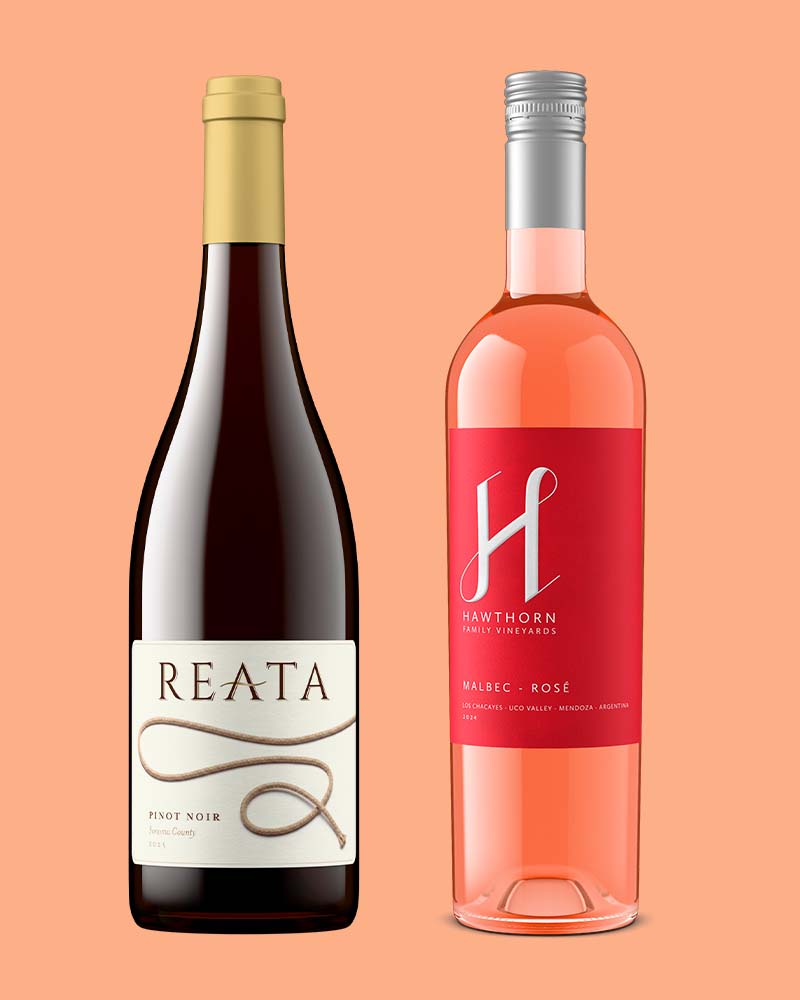
Shoppers try to read a product's real size from its images, and glass bottles are one of the hardest subjects to represent accurately.
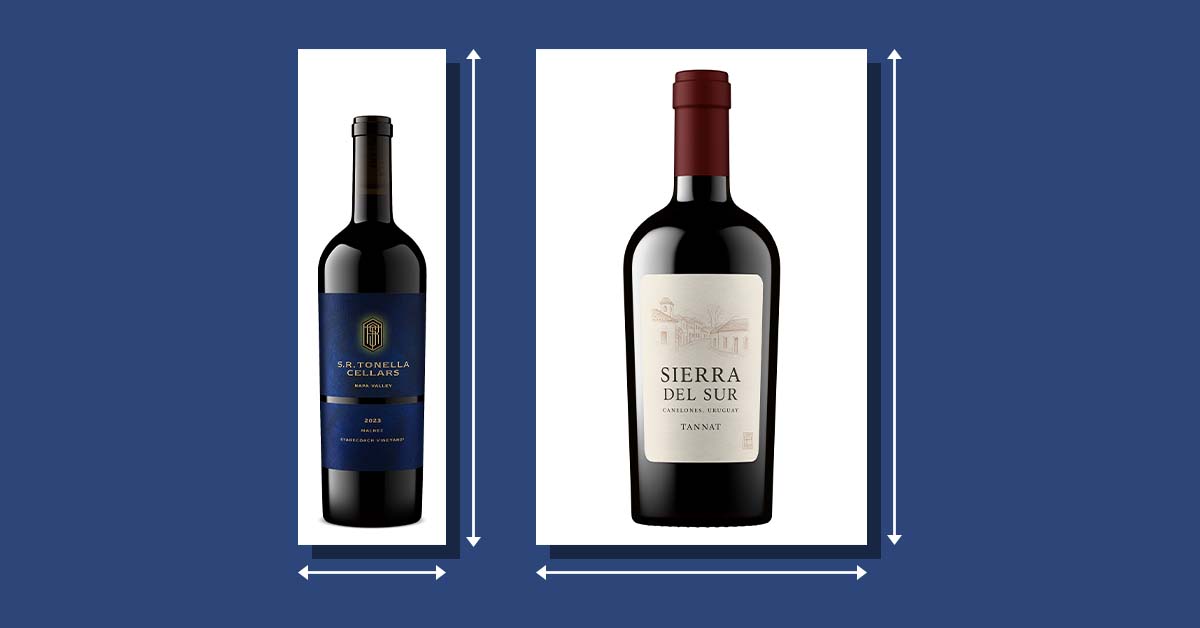
Baymard found that 42% of users try to gauge scale and size from product images, yet 28% of sites fail to provide an image that establishes it. For beverage, format matters. A 375ml, a 750ml, and a magnum need to read as different sizes, not the same bottle at three crops.
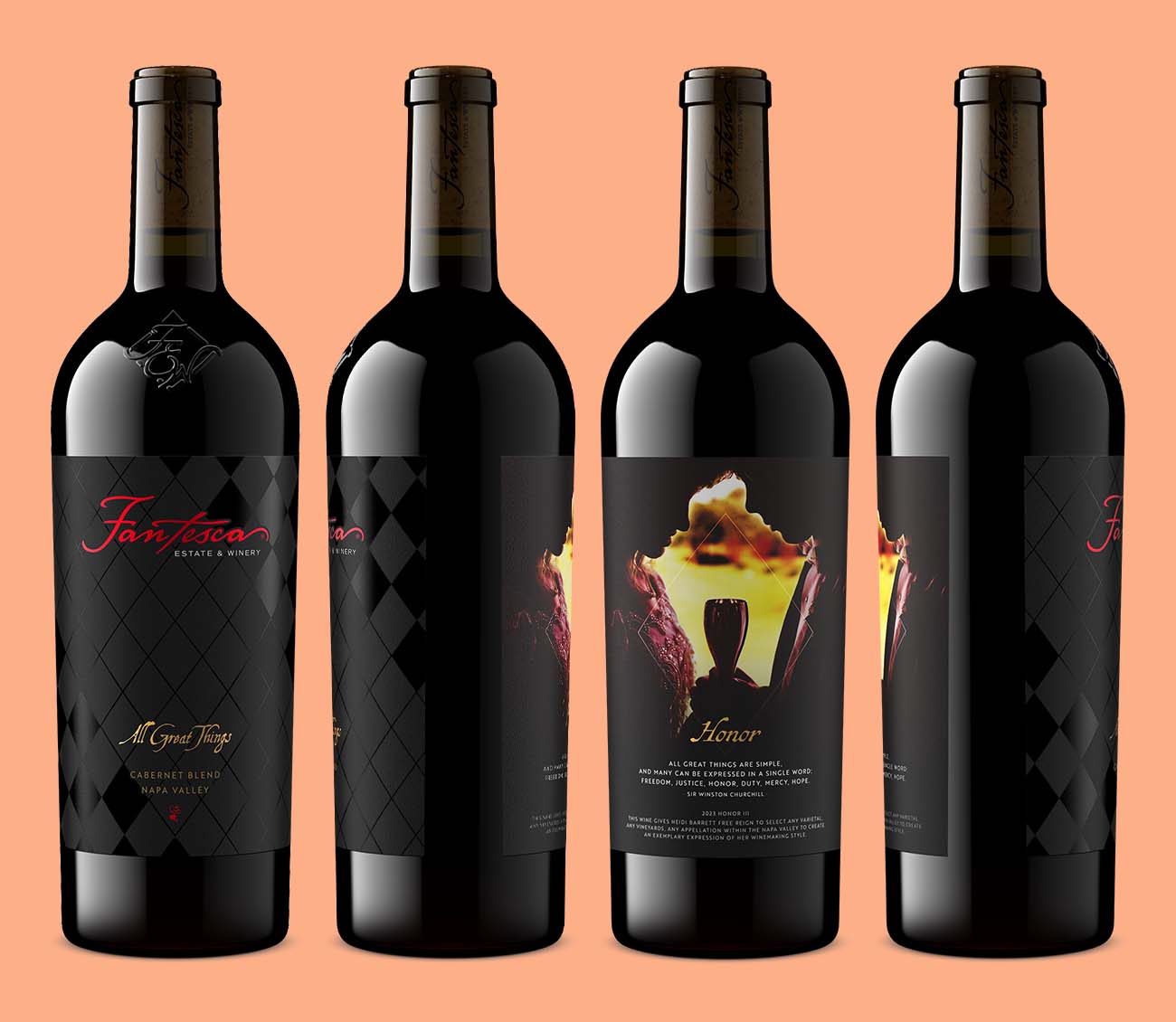
Glass compounds the problem. Reflections, light passing through the liquid, and label curvature are difficult to capture, which is why so many wine bottle images look flat or vary across a lineup. Clarity here is not just sharpness. It is a bottle that looks like the real thing, at the right size, matched to every other SKU in the range.
What clear product images actually take
Clear, sales-ready product images require correct resolution, accurate color and finish, consistent lighting across every SKU, and files sized for each channel.
For most beverage brands, that is the execution gap. They know the images matter, but producing them at that standard, at speed, across a full catalog, is the part that breaks down. Traditional photography can hit the quality bar, but it is slow, costs add up per shoot, and glass is unforgiving. It also cannot give you an image before the bottle physically exists, which is often when you need it most.
This is the gap Outshinery closes, with two distinct paths. Studio is human-led 3D production for complex packaging, specialty finishes, and full catalogs that need to stay consistent across every channel, whether it is a wine bottle, a spirits launch, or a beer bottle. An artist works on every Studio output. Lite is the self-serve route: upload a label, choose your bottle and closure, and get a photorealistic bottle shot in under an hour, built on the same 3D expertise.
Both start from a clean digital model, so the output is high resolution, correctly sized, and consistent from the first render. On the digital shelf, clear images are not a finishing touch. They are the product, seen.
Frequently asked questions
Does image quality really affect online sales?
Yes. The product image is the first thing most shoppers evaluate, and Baymard Institute found 56% of users explore images before reading anything else on the page. Unclear images lower add-to-cart rates and raise bounce, while sharp, correctly sized images do the opposite.
Why do my product images look blurry on marketplaces?
Usually because the source file is too small or gets compressed on upload. Amazon, for example, needs images at least 1,000 pixels on the longest side to enable zoom, and heavy files get recompressed, which degrades detail. Start with high-resolution images built at the right size for each channel.
Why is bottle and glassware photography so hard for ecommerce?
Glass involves reflections, light passing through the liquid, and curved labels, which are difficult to capture consistently in a photoshoot. This is why many bottle shots look flat or vary across a product line. 3D rendering builds the bottle from a digital model, so reflections are controlled and every image in the catalog stays consistent.
What is a cost-effective way to get wine product photography?
3D rendering removes the biggest costs of a photoshoot: no samples to ship, no studio to book, no reshoots. Outshinery Lite produces a photorealistic bottle shot in under an hour for a flat per-image price, and Studio handles complex packaging and full catalogs. Both work without a physical bottle.
What visual services help when selling drinks online?
The essentials are clean product images sized for each marketplace and DTC store, consistent across your catalog, and high enough resolution to enable zoom. Outshinery produces photorealistic bottle shots and product images for wine, spirits, beer, and RTD brands without a photoshoot, ready for ecommerce listings and sell sheets.
How do I get wine bottle images before my bottle is produced?
With 3D rendering, the image is built from a digital model of your packaging, so you can have a photorealistic wine bottle image before the physical bottle exists. This is useful for meeting a listing date, a distributor spec, or a sell sheet deadline ahead of bottling.