Black Friday for wineries: bundle before you discount
A holiday offer only works when a shopper can see it, understand it, and buy it in a few taps.


By October, winery teams are juggling harvest, club shipments, holiday events, and a dozen other priorities. Then someone opens the Black Friday conversation with the question I hear every year: Are we doing 20 percent off or 25 percent?
The percentage is one tool inside the strategy. Too often it becomes the whole thing because it is fast to build and easy to explain internally.
Black Friday exposes weak merchandising quickly. A strong offer can still lose the sale when the gift set has no image, the discount only appears at checkout, or the holiday collection is buried under three menus. The job is to make the right purchase feel obvious.
Give the offer a job
The best holiday offers I have watched help the customer finish a specific task. Someone needs wine for a gathering, several polished client gifts, or a personal gift despite knowing very little about wine.
In practice, the strongest holiday offers are usually the easiest to explain in one line: wine for the host, access to bottles that are normally unavailable, or a complete selection for the table.
A “For the Host” bundle might include enough wine for a full evening, plus an easy hosting extra such as a corkscrew or serving towel. A “For the Collector” bundle could bring together a small allocation of library wines that are unavailable during the rest of the year. A “Holiday Table” bundle might cover the full gathering, from sparkling wine at the door to dinner bottles and something for dessert or the late-night crowd.
The bottle count should follow the occasion. A host bundle might contain three bottles or twelve. A collector set may only need two rare releases.
What matters is giving the customer a clear reason to buy them together.


These can become names on the website, but they are also an internal test. If the team cannot finish the sentence, “This bundle is for the customer who needs to...,” the offer is not focused enough. A useful bundle tells the shopper who it is for, why the products belong together, and what problem it solves.
Build value before cutting price
Start with the individual retail value of everything included, then decide what the bundle adds. A bundle might combine wine with glassware, a corkscrew, locally made food, branded merchandise, a tasting experience, or gift packaging. The added value could also be modest savings, included or discounted shipping, access to a limited wine, or simply the relief of not having to assemble the gift one item at a time.

Sometimes the savings is the point, and that is valid. A discounted bundle can increase the order size, introduce customers to more of the winery’s portfolio, and make the value immediately clear.
The question is what behavior the winery is paying for with that margin. A tiered discount can encourage the customer to reach the next bottle threshold. A targeted offer can bring back last year’s gift buyers.
A library release can create urgency without cutting price. Each has a specific job.
The math starts working against the winery when the discount applies to bottles the customer would have purchased anyway without changing the order. That is the risk with a blanket discount across the whole catalog. It gives away margin on limited wines and reliable bestsellers while potentially putting the public Black Friday price close to, or below, the everyday benefit promised to club members.
If members receive 15 percent off all year and the public gets 25 percent off in November, the winery has made waiting more rewarding than belonging. Repeating that pattern teaches customers when not to buy.
Before going deeper on price, test a different lever. Free or flat-rate shipping can remove a source of hesitation. A shipping threshold can encourage another bottle without discounting the entire order.
Club-only early access gives members something the public cannot get later: first choice.
Merchandise for the person buying the gift
The holiday shopper is often not the person who will drink the wine. That changes the offer, the copy, and the page.
Winery teams naturally lead with vintage, vineyard, clone, and tasting notes. A gift buyer wants reassurance:
- Who will like this?
- What exactly arrives?
- Does it look special?
- Will it get there on time?
Answer those questions before asking the shopper to study the wine. “For the Cabernet drinker who already has a favorite” is more useful than opening with tannin structure. “Three versatile wines for the host who handles every holiday” gives the set a recipient and a reason to exist.
A holiday gift guide should follow the same logic. Organize the page around people, occasions, or shopping needs, not a long wall of varietals. Let the shopper choose between an easy host gift, a limited collector release, or wine for the entire table.
Each offer should show the actual products, who they are for, the price or benefit, availability, and one clear action.

Then get painfully specific. List every bottle. Show the gift box or bag.
Say whether the price includes packaging. Explain how to add a message. Put the final shipping date on the page, not only in an email the customer may never reopen.

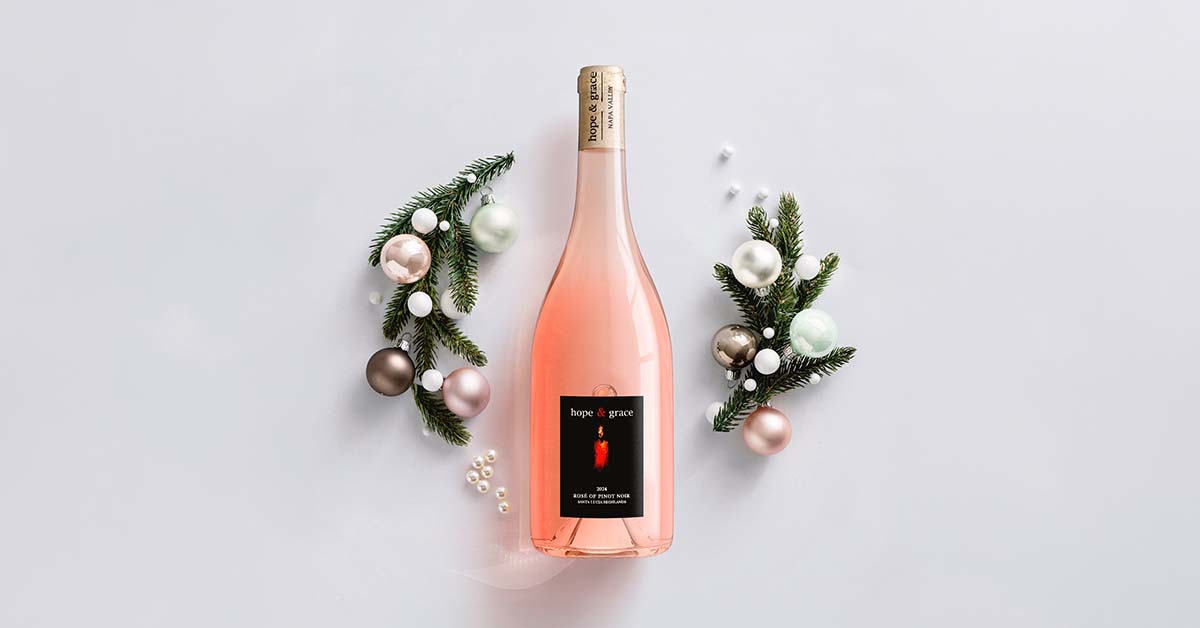
And show the thing you are selling. I still see multi-bottle sets represented by one bottle, magnums hiding under a 750ml image, and beautiful gift packaging described in the copy but missing from the visual.
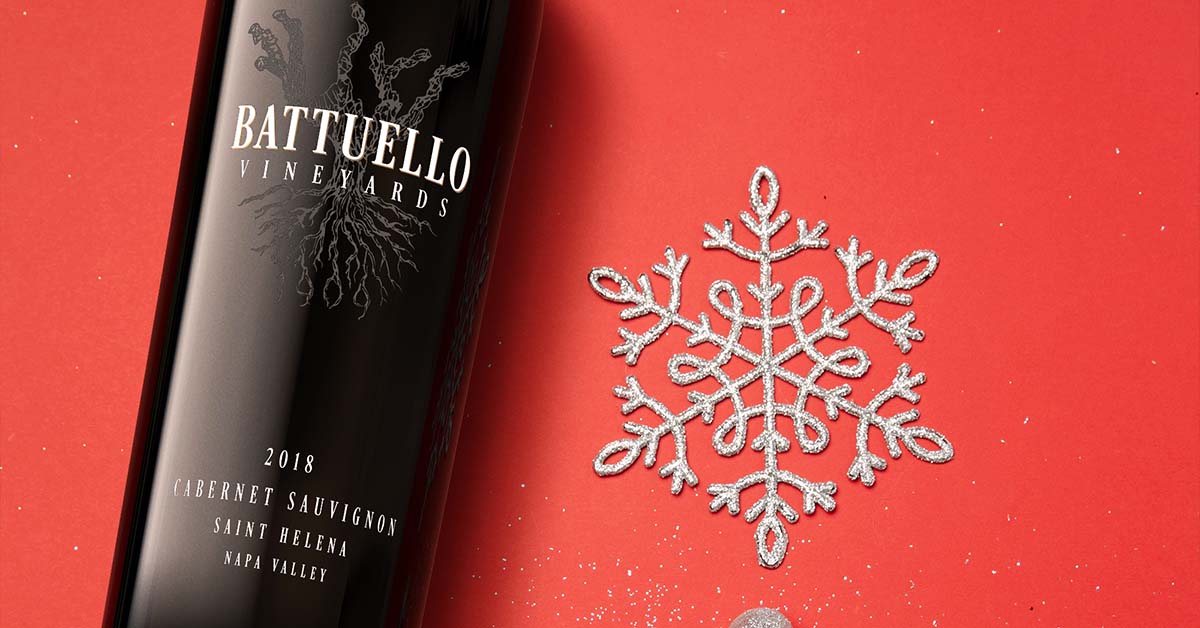
Start with clean, consistent bottle images. Labels should be legible, formats accurate, and the lighting, scale, and background consistent across the collection. Then show how those bottles come together.
A clean bottle image identifies the wine. A bundle image explains the offer by showing the gift box, corkscrew, serving towel, or other items that arrive.
Wineries should not need a new bottle photography session for every seasonal offer, but the final image still needs to represent what the customer is buying.
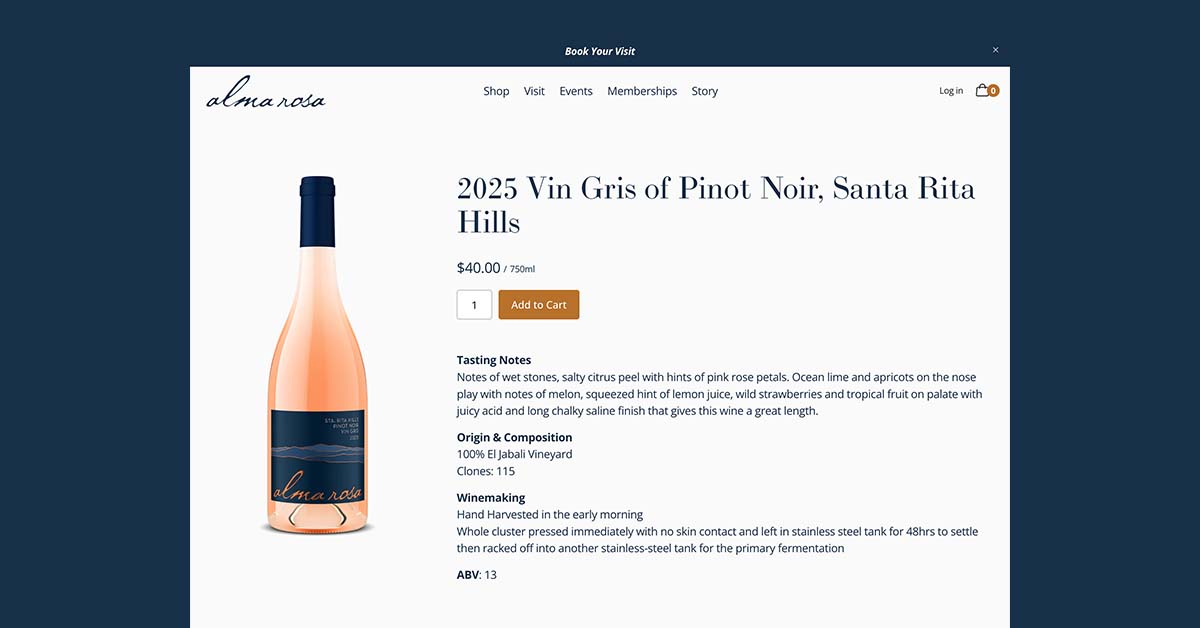
On a phone, the thumbnail gets the first audition. If it looks like a standard bottle, the shopper has no visual reason to believe the offer is anything more.

Do not make the offer reveal itself at checkout
A holiday promotion should make sense before the customer reaches the cart. The product image, price, savings or shipping benefit, minimum quantity, eligible products, and deadline should be visible where the offer is introduced.
Doubt starts when the email and storefront tell different stories. The email says “20 percent off six bottles,” the collection page shows full prices, and the customer has to trust that everything will work later.
Some will test it. Others will leave.
The same problem shows up with club offers. A member-only page sends logged-out visitors to an error. A club discount unexpectedly stacks with a public code.
An early-access link opens, but the inventory is not available to purchase. These are small setup issues until hundreds of people receive the link at once.
Place the main offer in the first promotional block on the homepage and send campaign traffic to one dedicated page. On mobile, the first screen should show the offer name, a real image, the price or benefit, and one clear action. Lead with the priority offer, then give the shopper two or three meaningfully different alternatives.

Before launch, complete a purchase while logged in, logged out, and on a phone. Check the price before payment, discount stacking, inventory, pickup and shipping options, gift messages, and the confirmation email.
A promotion is not finished when the code is created. It is finished when a customer can buy it without stopping to interpret the rules.
Make the decisions seven weeks out
Black Friday falls the day after US Thanksgiving, so it moves every year. Count backward from it. Seven weeks out, lock the offer structure, eligible products, pricing, inventory, and shipping rules.
Six weeks out, photography and copy should be complete. Five weeks out, the landing page, discounts, customer segments, and email plan should be built. Four weeks out, testing should be done.
That leaves the final week of October for the work that is always underestimated: reviewing the page on a phone, testing real orders, confirming fulfillment instructions, and fixing whatever does not behave the way the team expected.
Club or VIP early access can begin about ten days before Black Friday, depending on inventory and fulfillment capacity. By Thanksgiving week, the public launch should already be scheduled. That week is for monitoring orders and helping customers, not photographing a bundle or debating whether two codes can stack.
If the winery is behind, simplify the offer. Choose one strong bundle, one shipping or access benefit, one landing page, and a short email sequence. A smaller offer that is clear, photographed, tested, and ready to fulfill is more compelling than an ambitious promotion the customer has to figure out.
A month before Black Friday, the shopper should be able to see the offer, understand it, and buy it in a few taps.
Frequently asked questions
Should a winery discount the whole catalog for Black Friday?
Usually not. A blanket discount gives away margin on limited wines and bestsellers that would have sold anyway, and it can put the public price below the everyday club benefit. A bundle, a shipping threshold, or club-only early access often does the same job for less margin.
What makes a good holiday wine bundle?
A good bundle finishes one task for the buyer, such as wine for the host, rare library bottles for a collector, or a full selection for the holiday table. The bottle count follows the occasion. If the team cannot finish the sentence “This bundle is for the customer who needs to...,” the offer is not focused enough.
How do you protect a wine club during Black Friday?
Keep the public offer from beating the club’s everyday benefit. If members get 15 percent off all year and the public gets 25 percent in November, waiting pays better than joining. Club-only early access gives members first choice without a deeper discount.
When should a winery have its Black Friday offer ready?
Count back from Black Friday, the day after US Thanksgiving. Lock the offer seven weeks out, finish photography and copy six weeks out, build the page and emails five weeks out, and finish testing four weeks out. Club early access can open about ten days before Black Friday.
How can a winery get bundle images without a new photoshoot?
Outshinery builds photorealistic 3D product images from a winery’s label files, with no physical bottle required. Outshinery Lite turns a flat label into a single bottle shot, ordered online. Outshinery Studio, produced by trained 3D artists, handles multi-bottle bundles, gift boxes, and custom holiday scenes.
The Black Friday launch checklist
- Offer: One line that names who the bundle is for and why the bottles belong together
- Club pricing: Public discount never deeper than the everyday member discount
- Imagery: Each bundle shown as it arrives, gift box and extras included, not one 750ml bottle
- Product page: Every bottle listed, packaging cost stated, final shipping date on the page
- Mobile: First screen shows the offer name, a real image, the price or benefit, and one action
- Test orders: One purchase logged in, one logged out, one on a phone, discount stacking checked
Every rule a shopper has to interpret at checkout is a sale the offer can still lose.