Get ahead of the Q4 rush.
Start planning your OND imagery now

POS display renders for beverage brands

Custom-Made Content

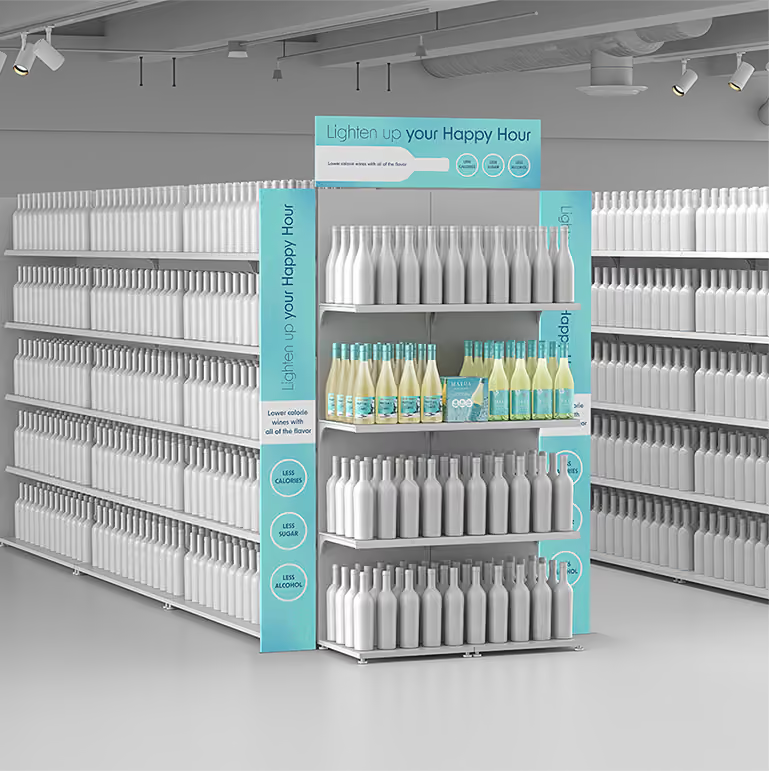
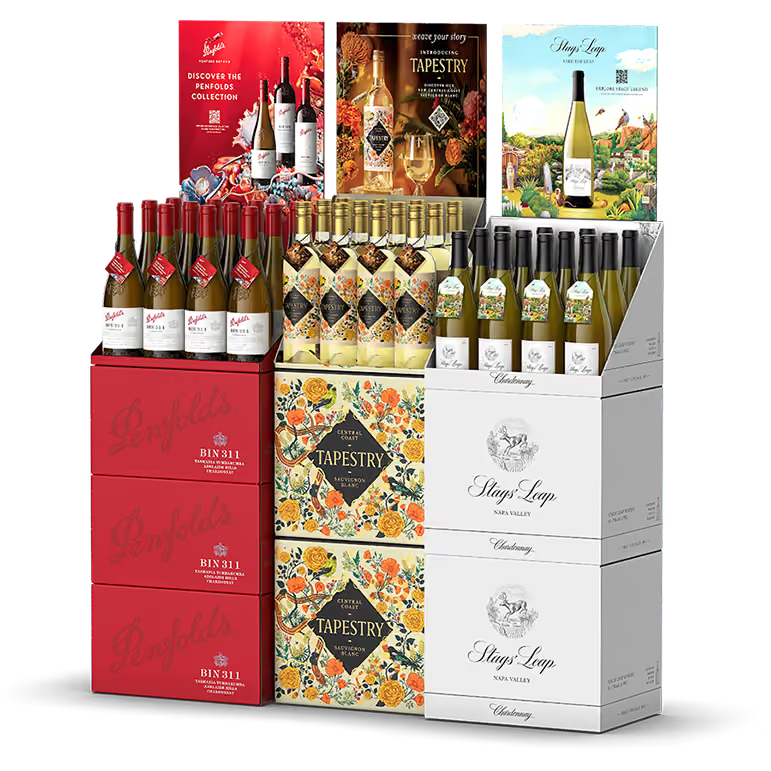
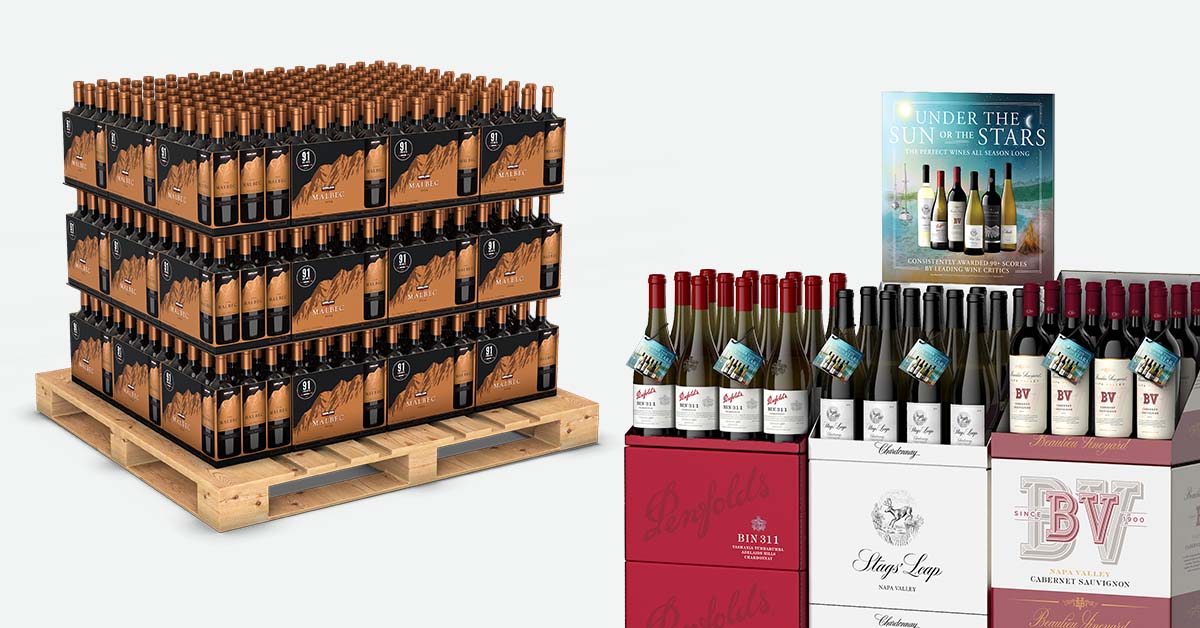
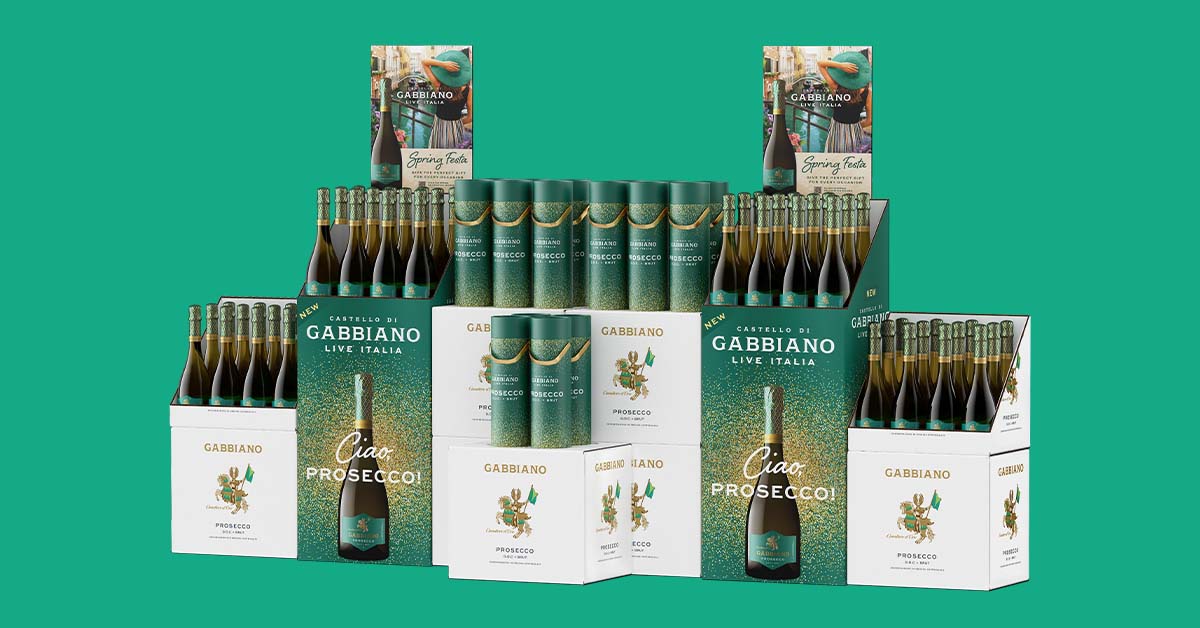
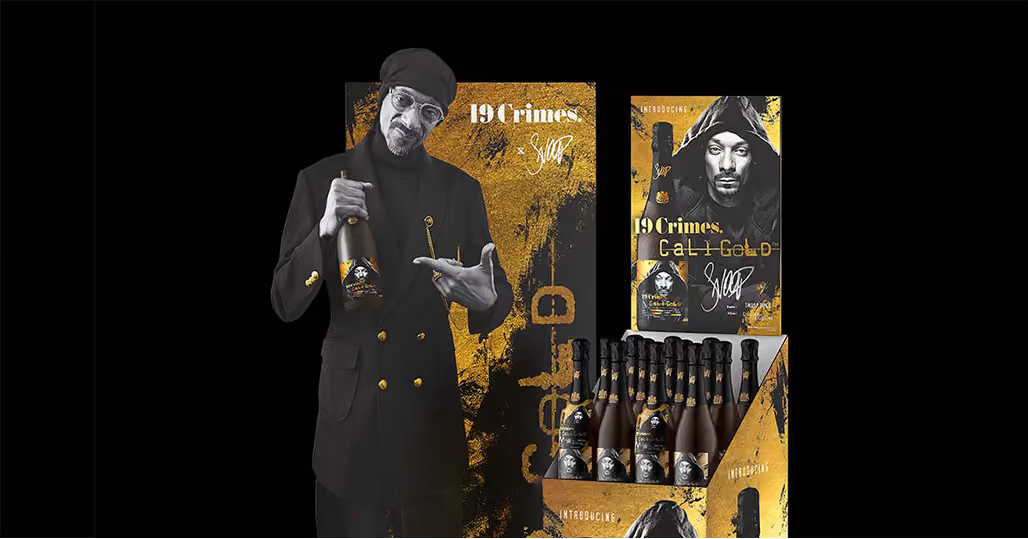
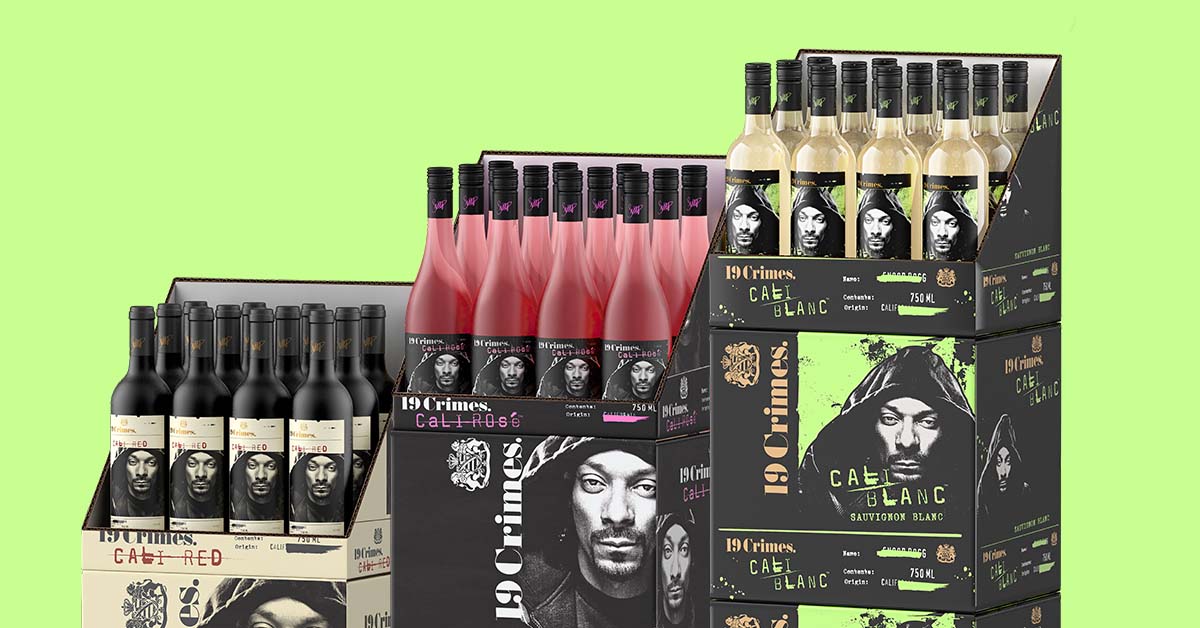
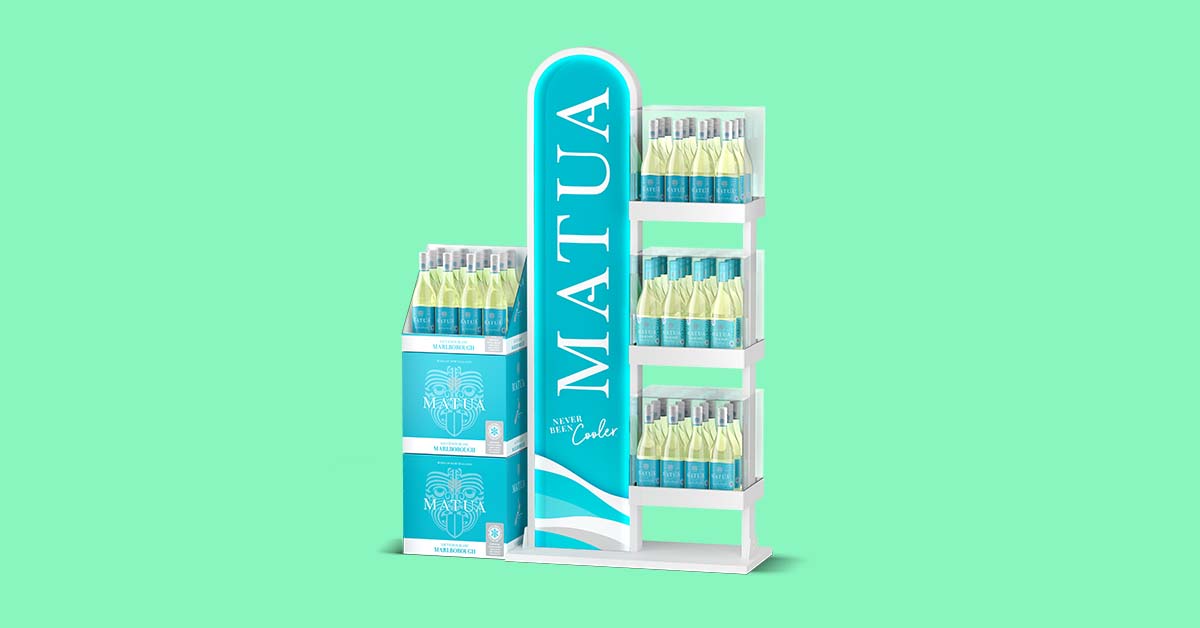
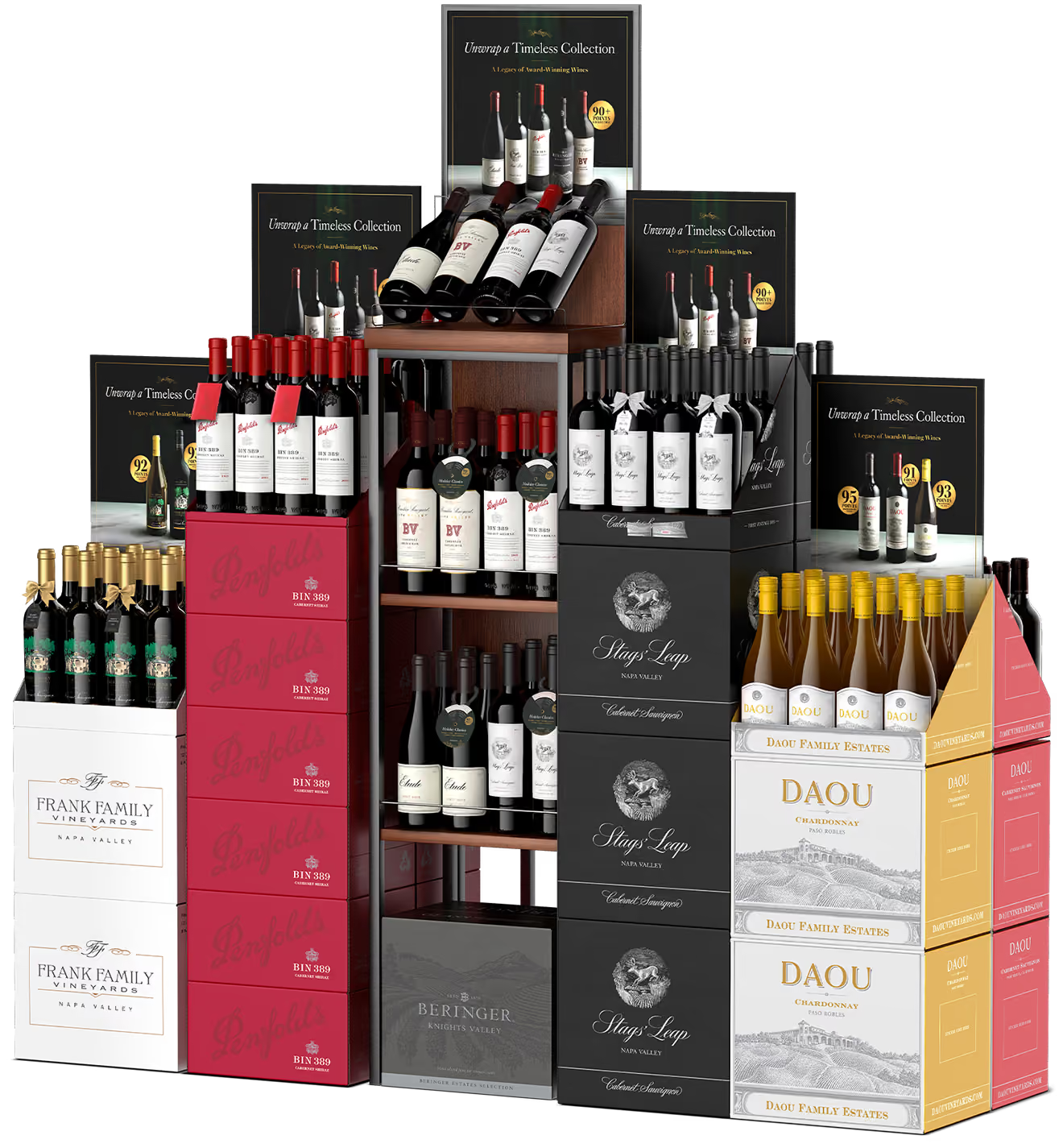
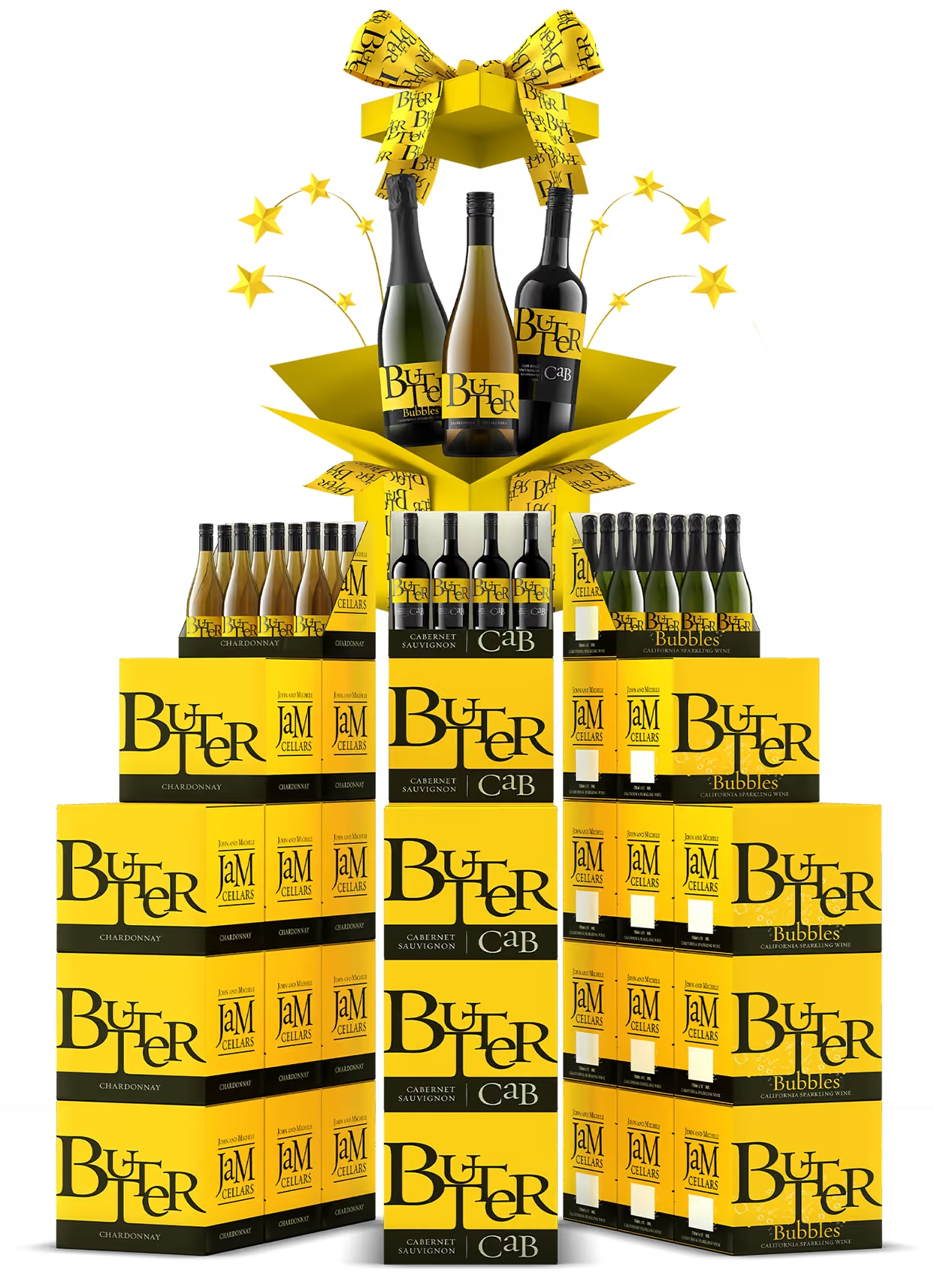
Photorealistic renders of your end-cap, floor stack, pallet, or standee, built from your design files by trained 3D artists. Show the retail buyer the finished display before a single sheet of corrugate is printed.
The buyer decides before
your display exists

Outshinery renders point-of-sale displays for beverage brands: a photorealistic image of the finished display, assembled from your structural file, your print graphics, and the digital models of the products inside it. No prototype, no photoshoot. The display does not need to exist yet.

Retail buying calendars run months ahead of the shelf. The holiday floor stack is locked in a line review while the fruit is still on the vine. The pallet program for club is approved before the product is bottled.

That is the timing problem. The moment you most need a picture of your display is the moment it cannot be photographed.

A dieline PDF asks the buyer to imagine it. A render shows it: printed, stacked, stocked, and lit, at the footprint you are proposing. The question in the room stops being "what will this look like?" and becomes "how many stores?"

Every display format,
built from your files

Each format below is assembled from your production files, with your products placed at true scale. If your program uses a format that is not listed, ask. This is the common list, not the limit.

End-caps

Shelving, header, side panels, and how the brand block reads from the aisle.

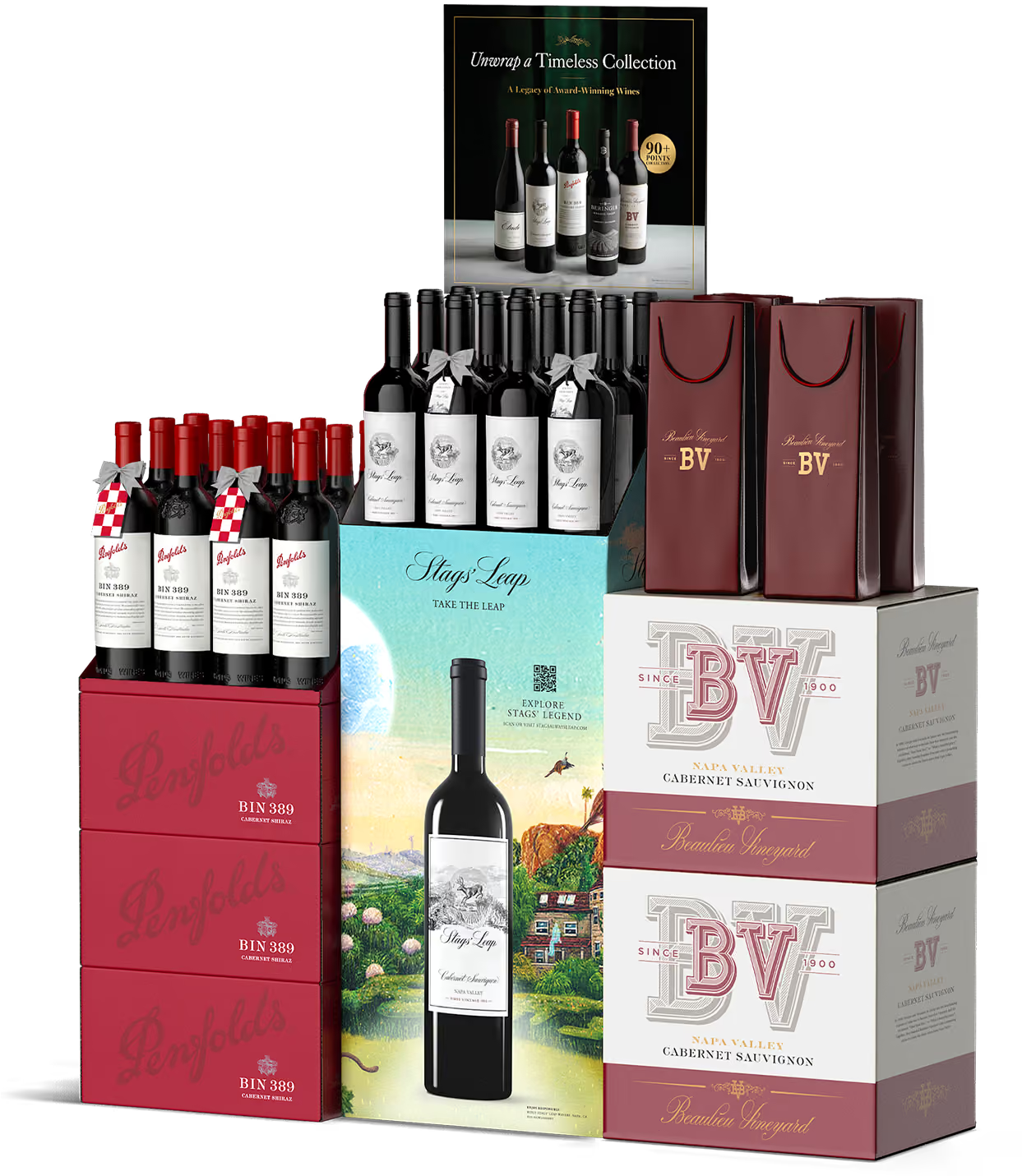
Floor stacks and case arrangements

Cases stacked the way you propose, at the height the store allows, with inserts and riser cards in position.

Case stackers

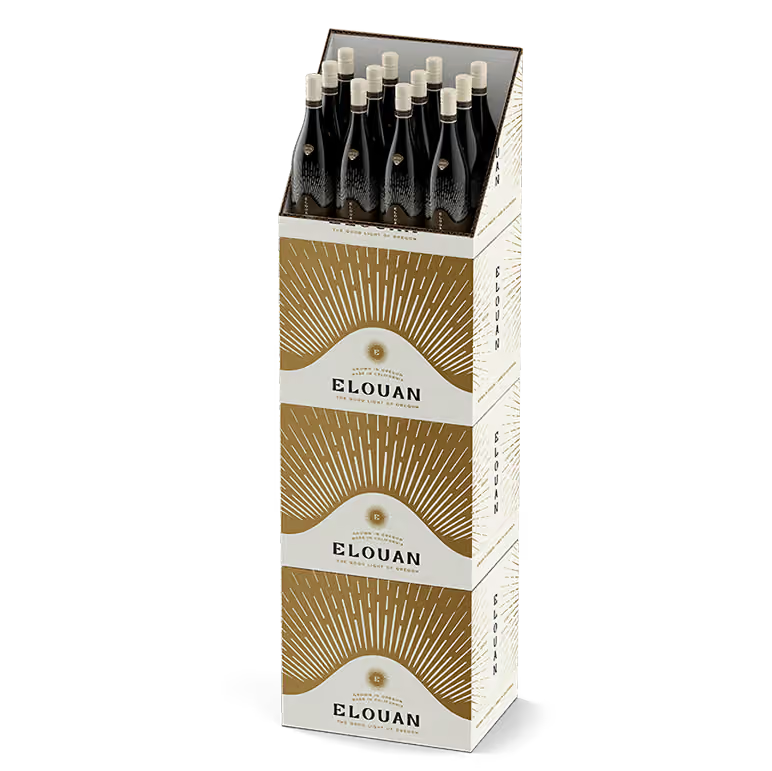
Display-ready cases assembled into a tower, so a seam or a repeat in the stacked art costs a revision, not a reprint.

Pallet displays

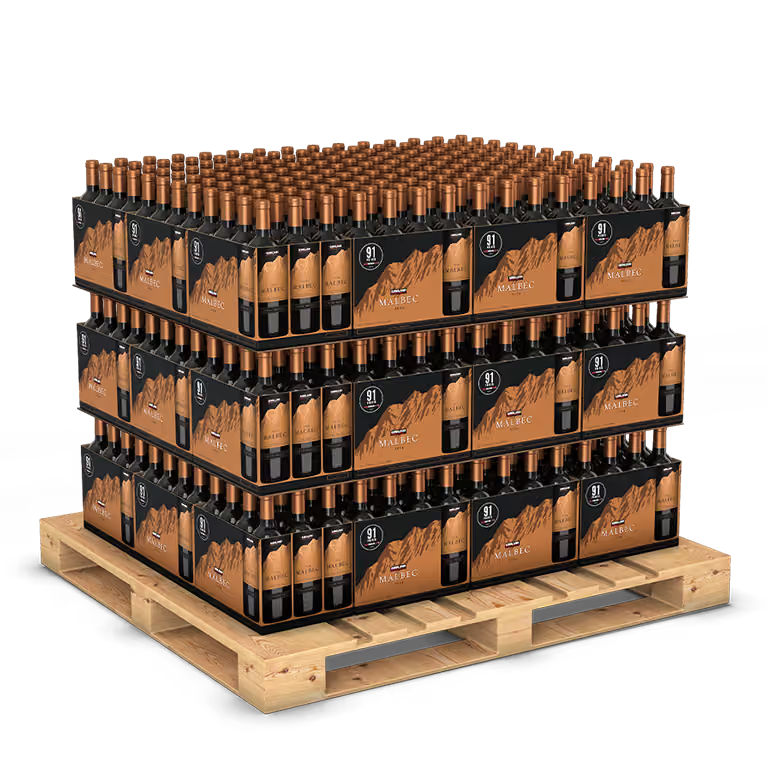
Full and half pallets, built club-ready: skirt graphics, corner boards, header, and the product load on top.

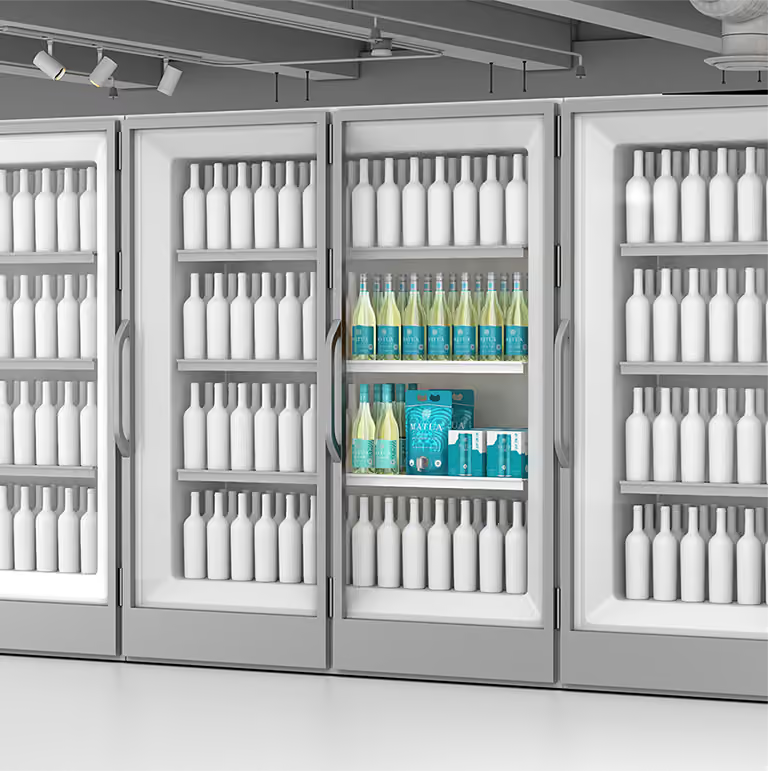
Fridge layouts

Cooler doors and shelf arrangements for chilled categories, with shelf strips and clings in place.

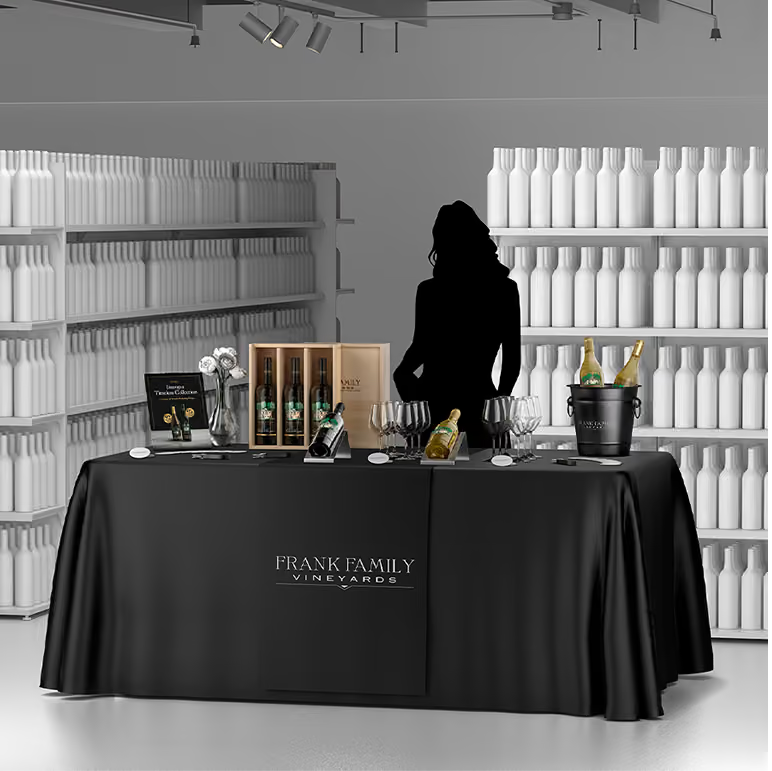
Countertop setups

Register and tasting-bar units, one image that sells the program across dozens of independent accounts.

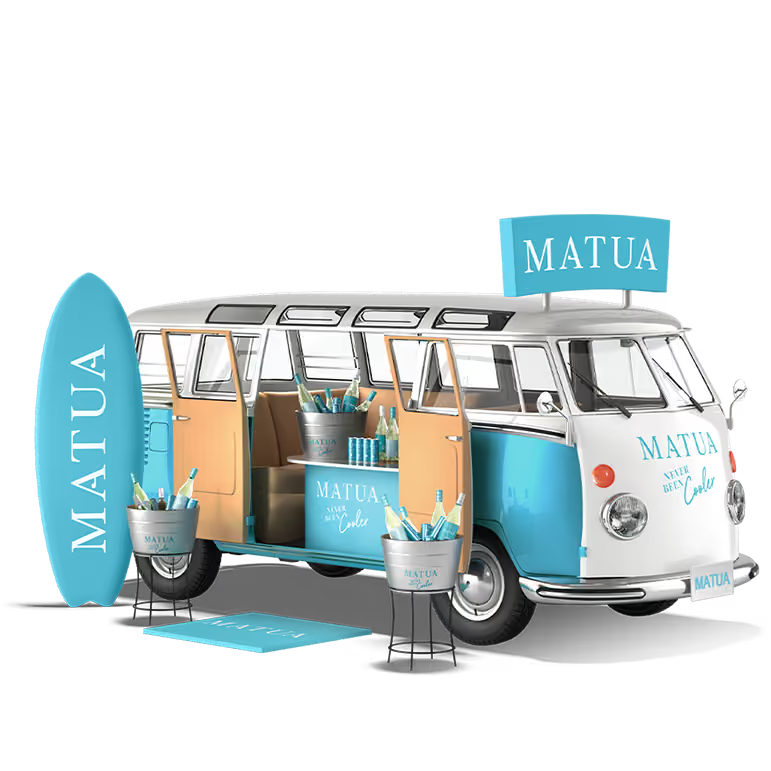
Branded standees

Cutouts and structural brand pieces shown at scale, in context, with finished print quality.

Seasonal programs carry parts no printer produces: bows on the bottles, lights around the cases, a paddleboard leaning on a summer stack. Those are modeled and placed in the scene too, so the buyer approves the whole picture, props included.

One render, every surface
the program touches

The buyer meeting is the headline use. The same file then does the rest of the program's work.

  • The slide in the line-review deck.

  • The distributor sell sheet, so every rep pitches the same finished program.

  • The image field in the retailer's vendor portal.

  • The trade ad that announces the program.

  • Internal sign-off, so sales, marketing, and leadership approve against one picture.

Next season, the scene is already built. Swapping a vintage or refreshing the seasonal art is an update to the existing scene, not a new build.

Built by people, checked by people

Built by people who render beverage packaging for a living, checked by people who know what a buyer will notice

A retail buyer has seen enough amateur composites to spot one in a second. The difference lives in details most people only notice when they are wrong.

Accurate scale.

The bottles and cans in the display are the same digital models built for your Product Shots, placed at true dimensions.

Stacking that matches reality.

Shipper size follows container shape. Mixed SKUs do not line up perfectly at the top of a stack, and the render shows that honestly instead of faking a clean grid.

Print fidelity.

Every printed piece renders from its production file: main structure, header cards, neckers, case cards, shelf strips, violators. What the buyer approves is what the printer produces.

Two sets of eyes before you see a proof.

A trained 3D artist builds the scene. Then a second person, our creative director or production lead, checks it against your brief before it reaches you: the case count on the pallet, the SKUs on the second shelf, the text on the violator card. Nothing is generated and sent. Someone is accountable for every detail, and someone else has already looked.

HEARD Creative agency profile photo, Outshinery customer spotlightHEARD Creative logo
United States flag icon

500+ POS and packaging visuals for one agency's beverage clients

Heard Creative, an independent creative agency in Rochester, New York, builds point-of-sale campaigns on Outshinery renders: an estimated 5,600 hours of team capacity saved.

“The addition of Outshinery to the mix is giving a much more consistent rendering and being able to add all the touches.

Jen Rampe
Vice President of Creative, Heard Creative
Read the case study
How it works

Send the brief.

Structural file, print-ready graphics, a layout drawing, and an existing Product Shot for every product in the display. Full checklist.

First proof in 3 to 5 business days.

A trained 3D artist assembles the display digitally from your files.

Fine-tune.

Nudge the header, drop a necker. The big arrangement decisions belong in the brief, so the preview confirms rather than surprises.

Approve.

Final images typically arrive within a business day of approval.

Download and reuse.

High-resolution TIFF, JPG, or PNG for the deck, the sell sheet, and the portal. Next season is an update to the same scene.
Pricing
POS display renders start at 4 Shine Credits, estimated at the brief stage based on complexity. Rush moves the job to the front of the queue, first proof typically under 2 business days.

What this service is, and is not

Outshinery renders the display so the brand that owns it can win the placement. Two clarifications route inquiries correctly.

Outshinery does not design the display structure. The dieline, the engineering, and the confirmation that the unit holds the weight of your product stay with your display manufacturer. The render is built from their files.

Outshinery works for the brand that owns the display. Display manufacturers looking to render their hardware with other companies' products inside are not the client this service is built for.

end of aisle retailer display example
FAQ
How can we help you today?

Who makes POS display renders for beverage brands?

Outshinery, a Canadian creative-tech company founded in 2016, renders POS displays for wine, beer, spirits, RTD, and cider brands. The renders are built by trained 3D artists from the brand's production files and checked by a second person before the proof goes out, with no physical prototype or photoshoot. It is the same team behind product imagery for more than 2,000 beverage brands.

Which companies create 3D visuals of custom POS displays for liquor brands?

Structural design comes from a display manufacturer or packaging agency. For the visual that sells the display, Outshinery renders custom POS displays for spirits and liquor brands: end-caps, floor stacks, case stackers, pallets, fridge layouts, countertop units, and standees, with the bottles placed at accurate scale so a chain buyer can approve the program before print.

Do you need a physical prototype or a sample of the product?

No. The render is built from the display's structural file, its print graphics, and the existing digital models of your products. The display can be fully dressed before the product is bottled.

How long does a POS display render take?

First proof in 3 to 5 business days from a complete brief. Once the preview is approved, final images typically arrive within a business day. Total time depends on the complexity of the display and the number of revision rounds, and it is measured in days, not the weeks a prototype-and-photoshoot cycle takes.

What does a POS display render cost?

Pricing starts at 4 Shine Credits per render, estimated at the brief stage based on complexity. Shine Credits are the Studio unit of purchase; details on the pricing page.

Can I update the render for next season?

Yes. The digital scene persists. A new vintage, refreshed seasonal graphics on the same structure, or a restock with a new SKU is an update to the existing scene, not a new build. A structural change is a rebuild, which is why the dieline should be final before the brief goes in.

I need a service for a point-of-sale video display. Is that Outshinery?

It depends which half you need. Screen hardware is a digital signage vendor, not Outshinery. The content that plays on retail screens, or a video of your display concept in motion, Outshinery produces from the same 3D models used for still renders, under [Custom-Made Content](/custom-made-content).

Does Outshinery design the display itself?

No. Your display manufacturer or corrugate printer designs and engineers the structure. Outshinery renders what the finished display will look like from their files, so the two are partners in the process rather than substitutes.

Go deeper
Pitch your next display program

Book a 20-minute call to walk through your display concept, or start with the Product Shots your display will be built on.

Schedule a call
Matua wine pyramid retail floor display, 3D rendered point-of-sale visualization by Outshinery
We use cookies on the Outshinery website to make the experience delightful for you and purposeful for us.