POS display renders: the complete guide for beverage brands
25 min read
Show retail buyers exactly what your display will look like in store, before a single sheet of cardboard is printed.
Outshinery renders the POS display itself so beverage brands can show retail buyers a photorealistic visual for approval before going to print. We do not design the display structure (that stays with your display manufacturer), and we work for the brand that owns the display, not for display companies looking to fill their units with other people's products.
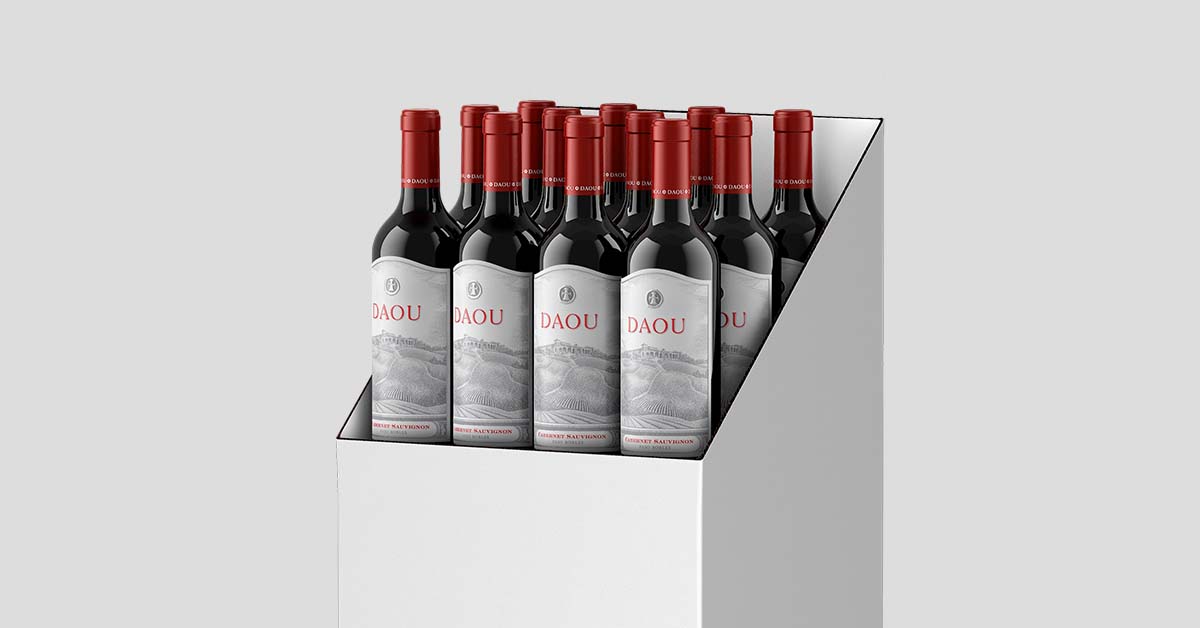
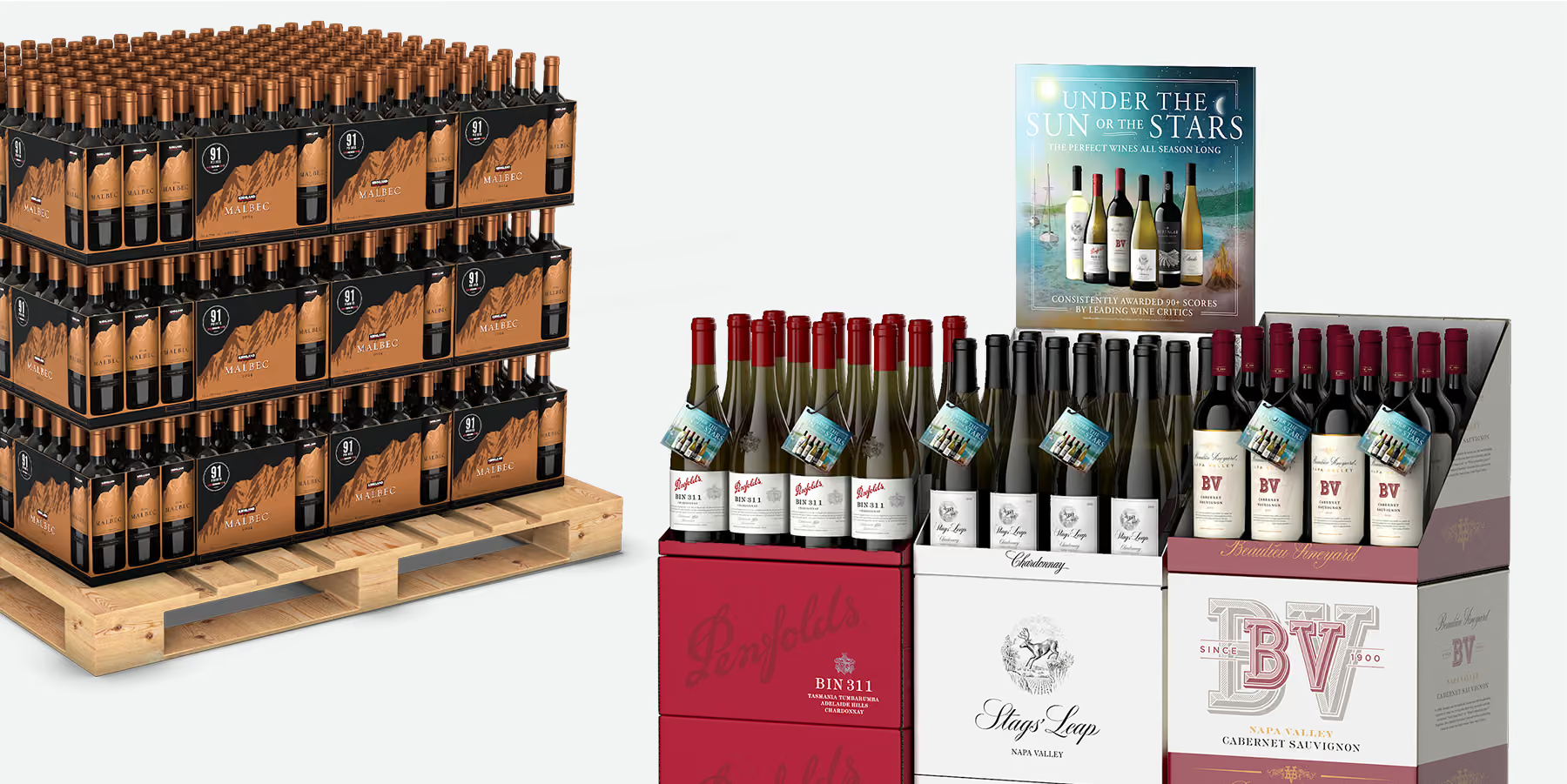
A POS display render is a photorealistic, computer-generated image (CGI) of a point-of-sale display, built entirely from your design files. The structural dieline, the printed graphics, the bottles or cans sitting in it, the signage on top. Everything assembled digitally, lit like a product photograph, and delivered as a finished image.
No prototype. No photoshoot. No pallet of corrugate shipped to a studio.
The display doesn't need to exist yet. That is the point.
Beverage brands use POS display renders for one job above all others: getting a retail buyer to say yes. A buyer deciding whether to give your floor stack twelve square feet of their store wants to see what they are agreeing to. A sketch or a flat dieline makes them do the imagining. A photorealistic render does the imagining for them.
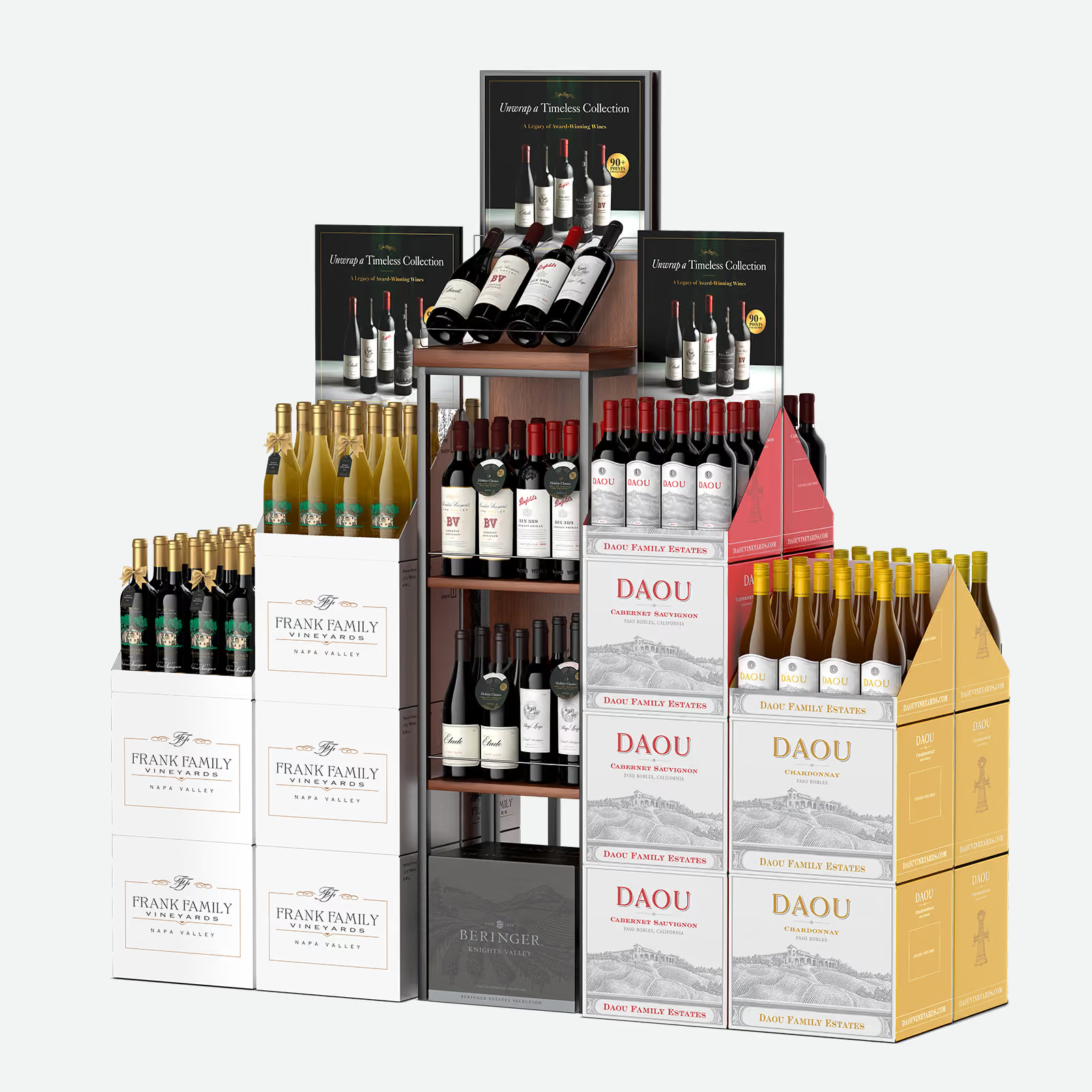
The render is built the same way Outshinery builds every product image: trained 3D artists working from your production files. If you have already ordered a Product Shot for the bottles or cans in the display, those existing models go straight into the display scene, accurate down to the fill line and the label texture. That is also why a Product Shot is required before a POS display render: the display is only as convincing as the products inside it.
Two clarifications save everyone time.
First, Outshinery renders displays for the brand that owns them. If you manufacture displays for other companies and want renders of your display hardware with someone else's products inside, that is not what this service is for.
Second, a render is not a structural engineering file. Your display manufacturer or corrugate printer still produces the dieline and confirms the display holds the weight of your product. Outshinery works from those files to show what the finished display looks like. The two are partners in the process, not substitutes.
The buyer meeting is the headline use, but the same render works across every surface a display program touches:
Pitch decks and line review presentations. The slide where the buyer sees the program. A rendered display, printed and fully stocked, does more selling than any bullet point on the same slide.
Distributor sell sheets. Your distributor reps pitch the program account by account. Every rep carries the same render, so every account sees the same finished program, whether the pitch happens in a chain office or the back room of an independent.
Retailer portals and program submissions. Chain retailers increasingly collect program submissions through vendor portals, image required. A render fills that field with a finished visual instead of a dieline export.
Trade advertising and B2B campaigns. Announcing a display program to the trade before it ships. The render is the campaign image.
Internal alignment. Sales, marketing, and leadership all approve against the same picture. The version of the display in everyone's head is finally the same version.
One render, reused across every one of these. That is the asset logic of CGI applied to retail programs: the display scene is built once and works everywhere the program needs to be seen.
The product images going onto those sell sheets and into those portals are usually the weaker asset: in The State of Wine Product Imagery 2026, 74% of the 189 wine storefronts Outshinery measured carry product images in mismatched proportions, and files at three different proportions will not sit at the same height on a sell sheet or in a retailer's grid. A display render built from one set of product models sidesteps that, because every bottle in the scene comes from the same standard.
If you have never taken a display program through a major retailer, the economics are worth understanding, because they explain why CGI has quietly become the standard way displays get sold in.
Retail buying calendars run far ahead of the shelf. Seasonal programs, holiday displays, and off-shelf placements are typically reviewed and locked in months before the products hit the floor. Buyers make those calls in line reviews and buying appointments, working from whatever visual material the brand brings.
Which creates a timing problem: the moment you most need a picture of your display is precisely the moment the display does not exist. It has not been printed. Often the product inside it has not been bottled.
This is the same pre-production gap Outshinery closes for individual products, applied to retail programs. The consumer has already judged your bottle before it is filled. The buyer has already judged your display before it is printed.
Corrugate displays are printed in volume. Once a display goes to print, the design is locked: structure, graphics, product arrangement, signage. If the buyer wanted the shelf-ready case oriented differently, or the header card reads poorly from ten feet away, you discover it after the money is spent.
A physical prototype round catches some of this, but prototypes carry their own costs: structural samples take time to produce, they ship one direction only, and every revision means another sample. Brands running multiple display concepts past multiple retail accounts multiply that cost with every variation.
A render moves the expensive decisions to the cheap part of the process. Layout changes, alternate arrangements, a different header, a second colorway: each is a change to a digital scene, priced accordingly, instead of a new physical object shipped across the country.
A buying appointment is short. The buyer sees dozens of programs in a category review. Your display concept is competing for off-shelf space against brands that walked in with finished-looking visuals.
This is the execution gap in its retail form. Most beverage brands know a rendered display would pitch better than a dieline PDF. Fewer can produce one on the timeline a line review demands. A render turns the pitch from "picture this" into "here it is."
A typical display program moves through six stages. The render belongs earlier than most brands place it.
Brands that bring rendering in at stage 3 spend their revision budget where revisions are cheap. Brands that skip it discover buyer objections at stage 5, where every change reprints.
Every display type below is rendered from your design files, with your products placed inside at accurate scale. If your program uses a format that is not listed, it is worth asking. This list covers the common requests, not the limits.
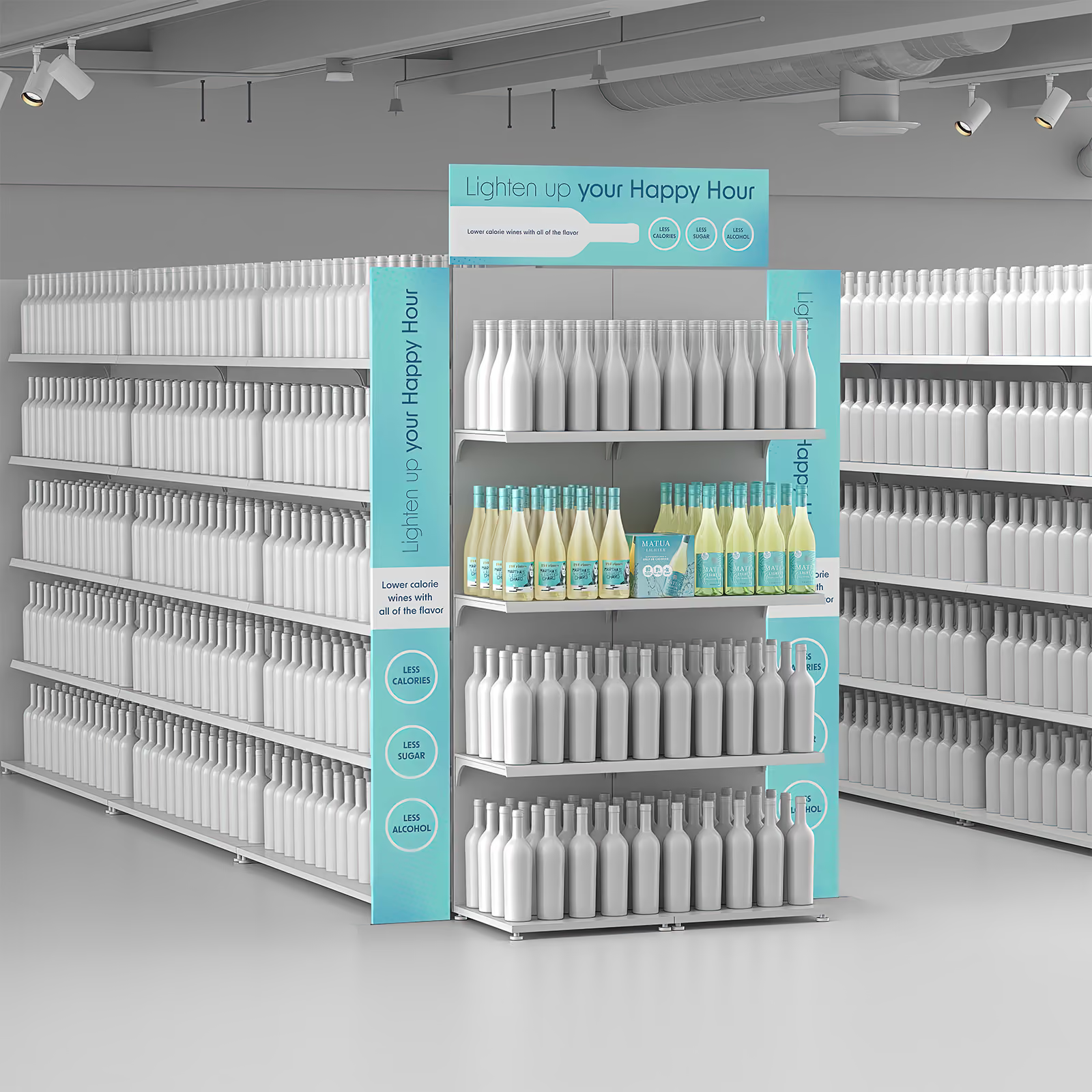
The display at the end of an aisle, facing the main traffic path. End-caps are among the most valuable placements in the store and among the most contested, because every brand in the category wants the same handful of positions.
What the buyer is evaluating: whether your end-cap earns its position. Does the header read from across the store? Do the shelves hold enough product to survive a weekend without restocking? Does the brand block look composed when a shopper approaches at an angle rather than head-on?
A render shows the full end-cap dressed with your product: shelving, header, side panels, and how the brand blocks read from the aisle. Because the scene is digital, the same end-cap can be rendered against different shelf heights or configurations when different chains have different fixtures.
"Mass display" is the umbrella term for volume merchandised on the floor: product placed off-shelf in high-traffic zones, the front of store, the seasonal aisle, the path to the register. The term describes the placement and the footprint. What varies is the construction, and two constructions dominate beverage.
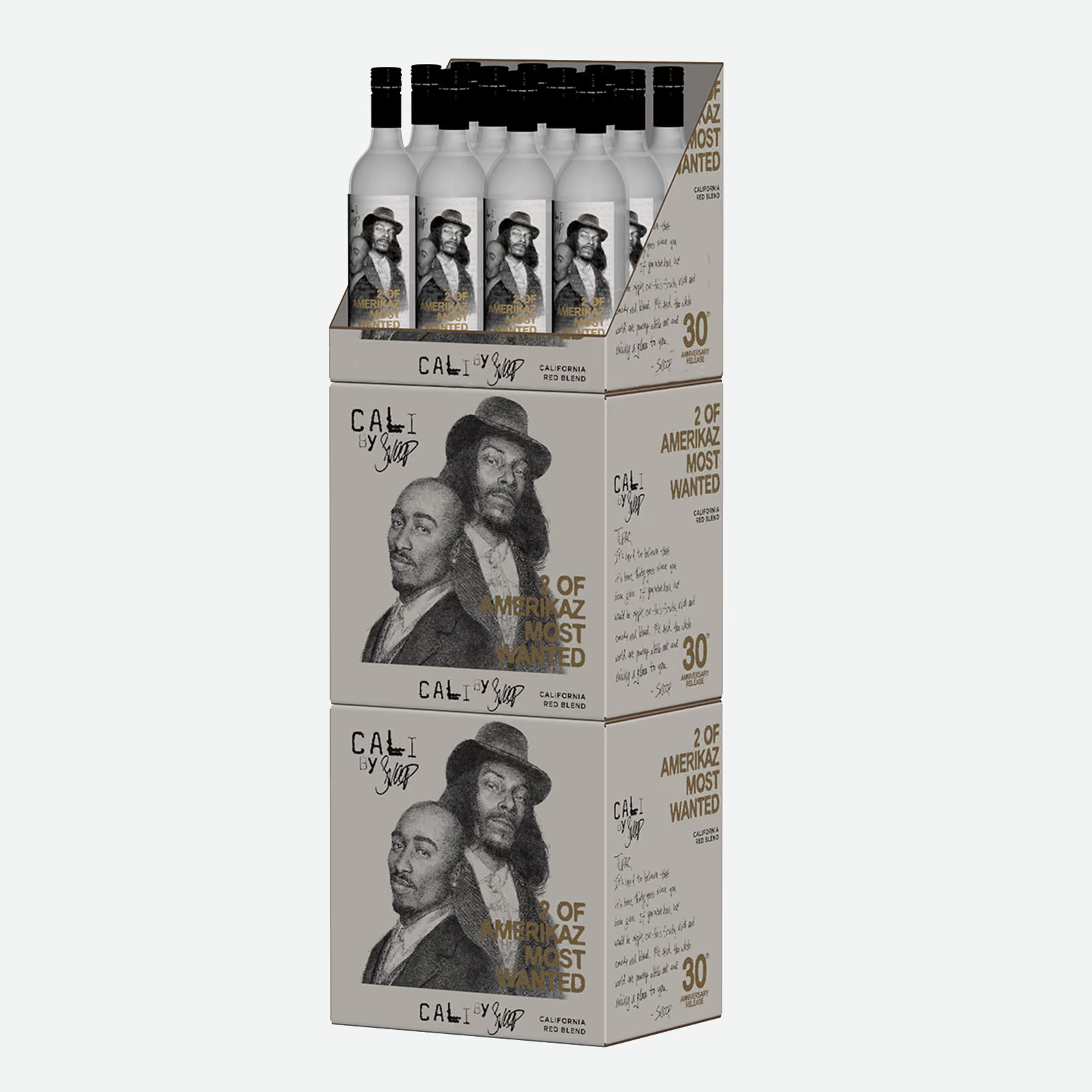
Floor stacks are product stacked as product: cases piled to move quantity, where the case art is the branding. They are the workhorse of beverage merchandising because they are cheap to execute and move volume. The visual sell matters precisely because the format is simple: the buyer is imagining whether a stack of your cases looks intentional or like leftover inventory. Case art designed flat often behaves differently stacked, patterns collide, text bands misalign, the wrong panel faces out. A render answers all of it with the actual case art, stacked the actual way you propose, at the actual height the store allows.
Case arrangements treat the shipper cases as building blocks in a designed unit, with inserts, riser cards, or tiered layouts doing merchandising work the cases alone cannot. This is the format where a shipper you already print does double duty as display material, a favorite for brands stretching a program budget. Renders show how the case graphics align across the arrangement and place the inserts and risers in position, so the buyer sees the finished unit rather than its parts list. In practice one construction often grows into the other: a plain stack earns an insert and a riser and becomes an arrangement.
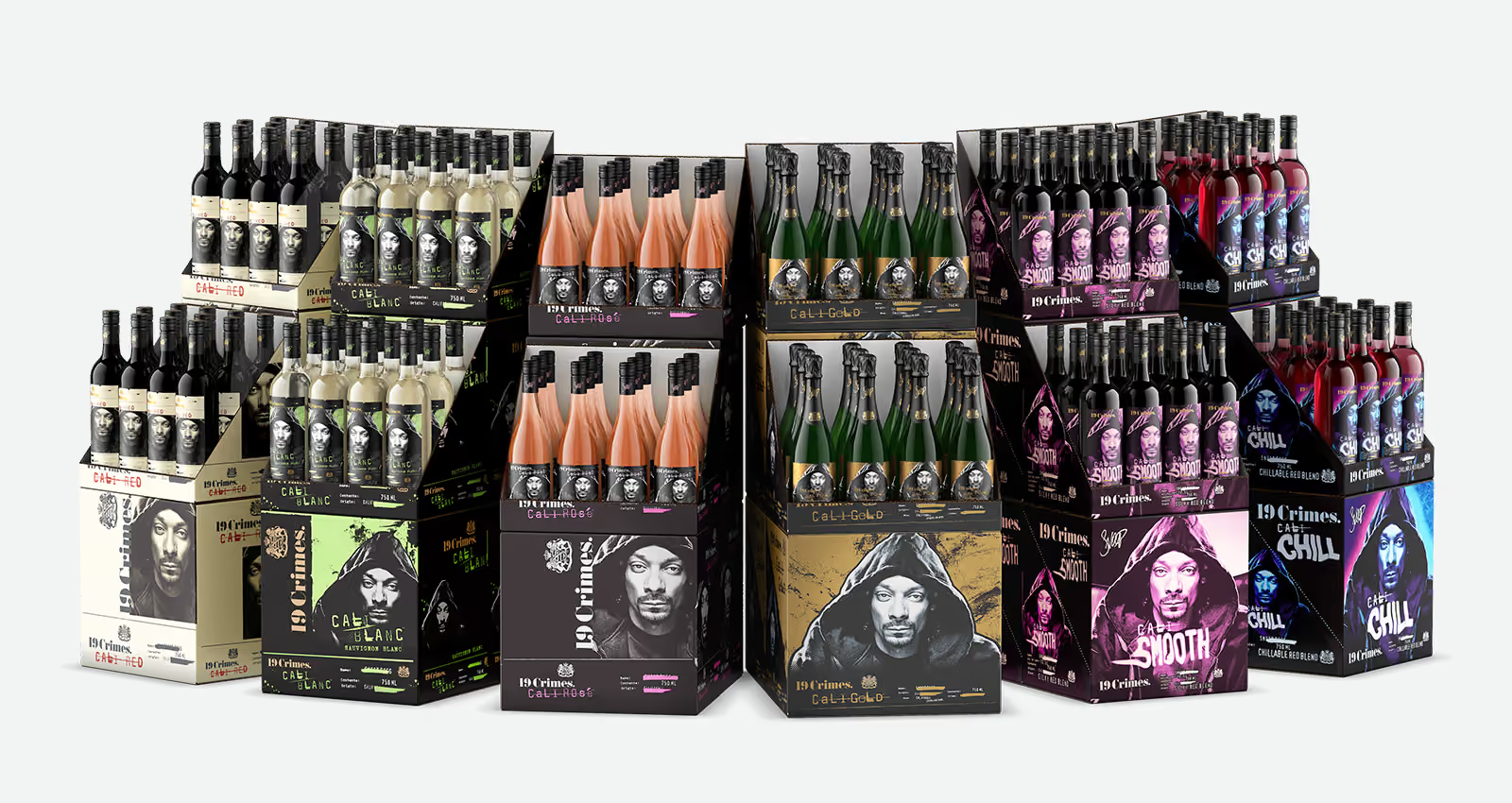
Whichever construction, footprint is the negotiation. Floor space is sold by the square foot of it, and the same program usually needs to work at more than one size: small for the tight independent, medium for standard grocery, large for the flagship or seasonal moment. A render set can show the identical program at each footprint, so the buyer sees the size being proposed and the distributor rep can pitch the right version to the right account without inventing anything.
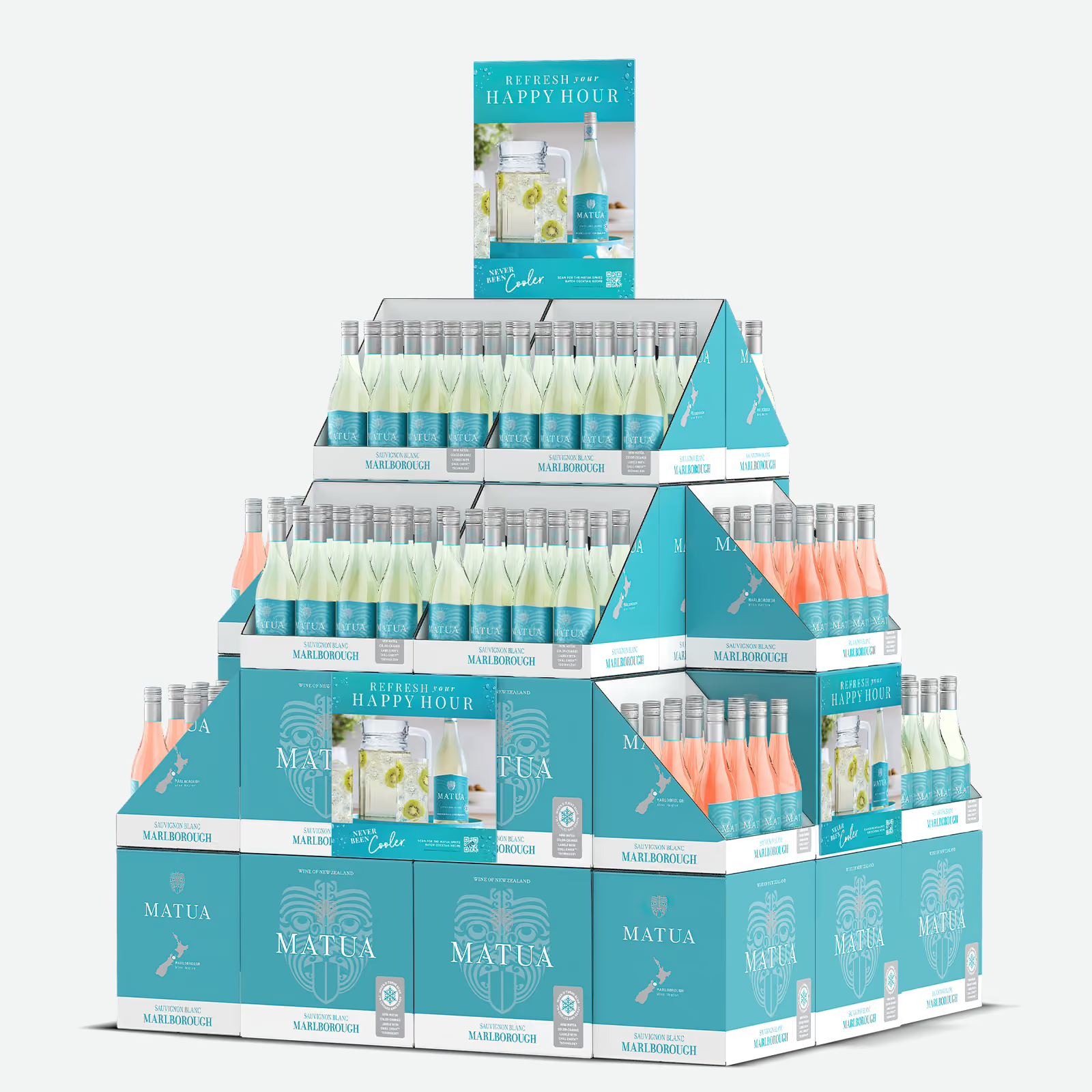
Display-ready cases designed to stack into a tower or pyramid, where the case itself is the display structure. The design constraint is unforgiving: every visible panel is display real estate, and the graphics have to resolve correctly across stacked units in every allowed configuration.
The render confirms what the printed cases look like assembled, aligned, and fully stocked, before the print run commits you to the design. If the stacked artwork produces a seam or a repeat you did not intend, it costs a revision round, not a reprint.
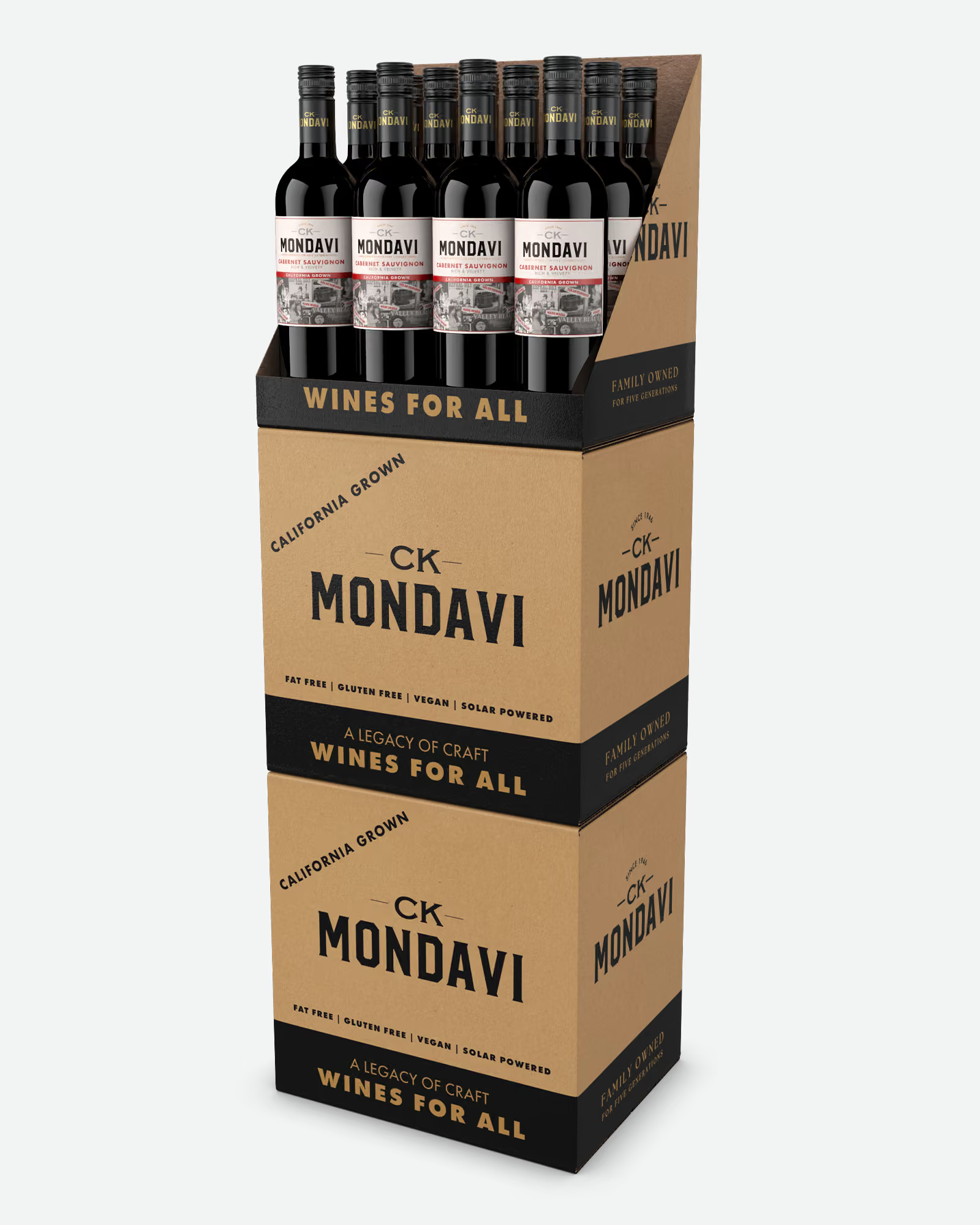
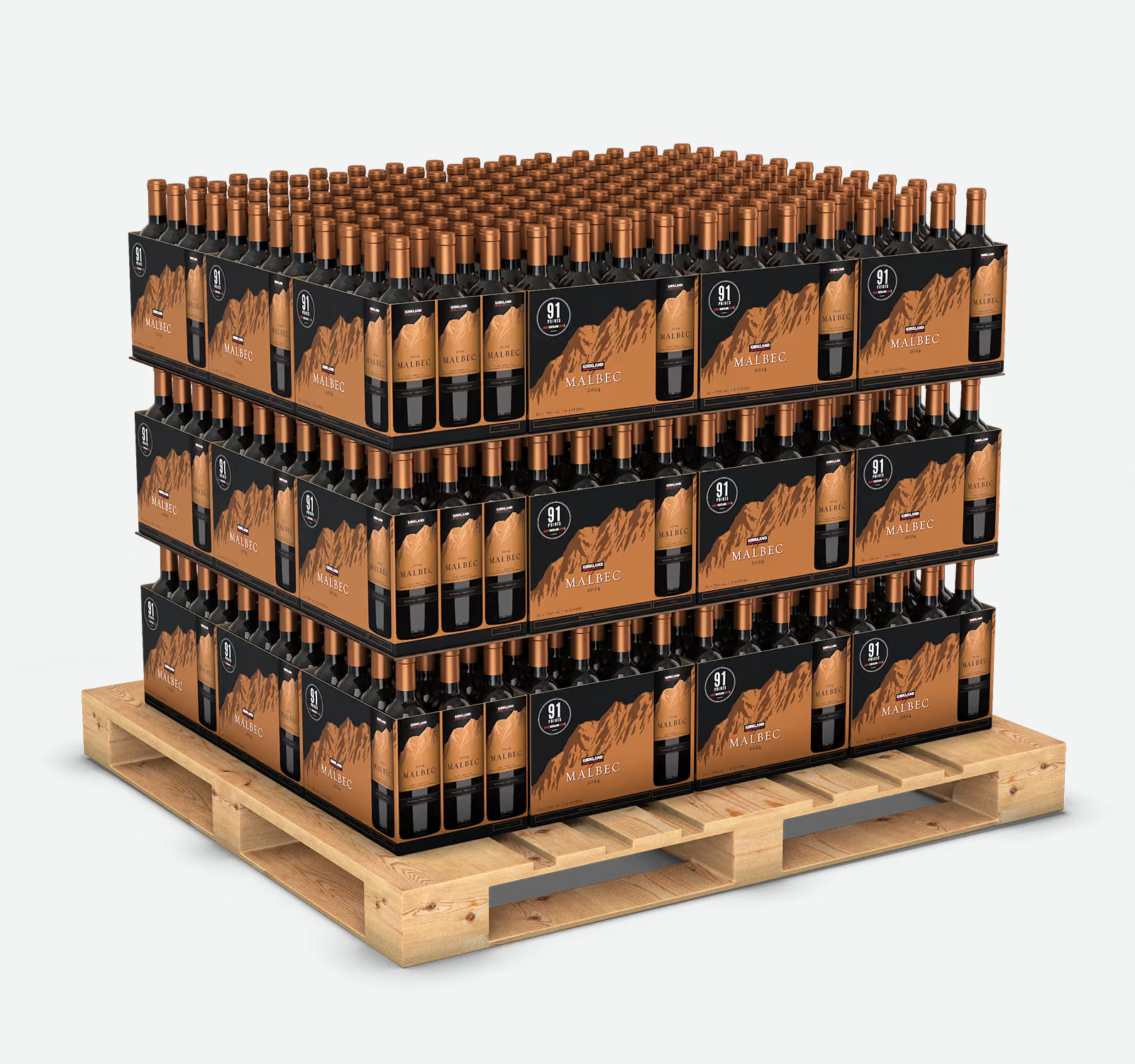
Full-pallet and half-pallet programs, built Costco-ready. Club stores buy the pallet as the unit: skirt graphics, corner boards, header, and the product load on top, engineered to ship loaded and sell down to the last case.
A pallet program is one of the largest print commitments a beverage brand makes, and one of the hardest formats to prototype meaningfully. Nobody builds a sample pallet, loads it with product, and ships it to a buying committee. Renders solve the exact problem: the loaded pallet shown the way the buying committee will actually judge it, plus overhead and quarter views for the operations conversation.
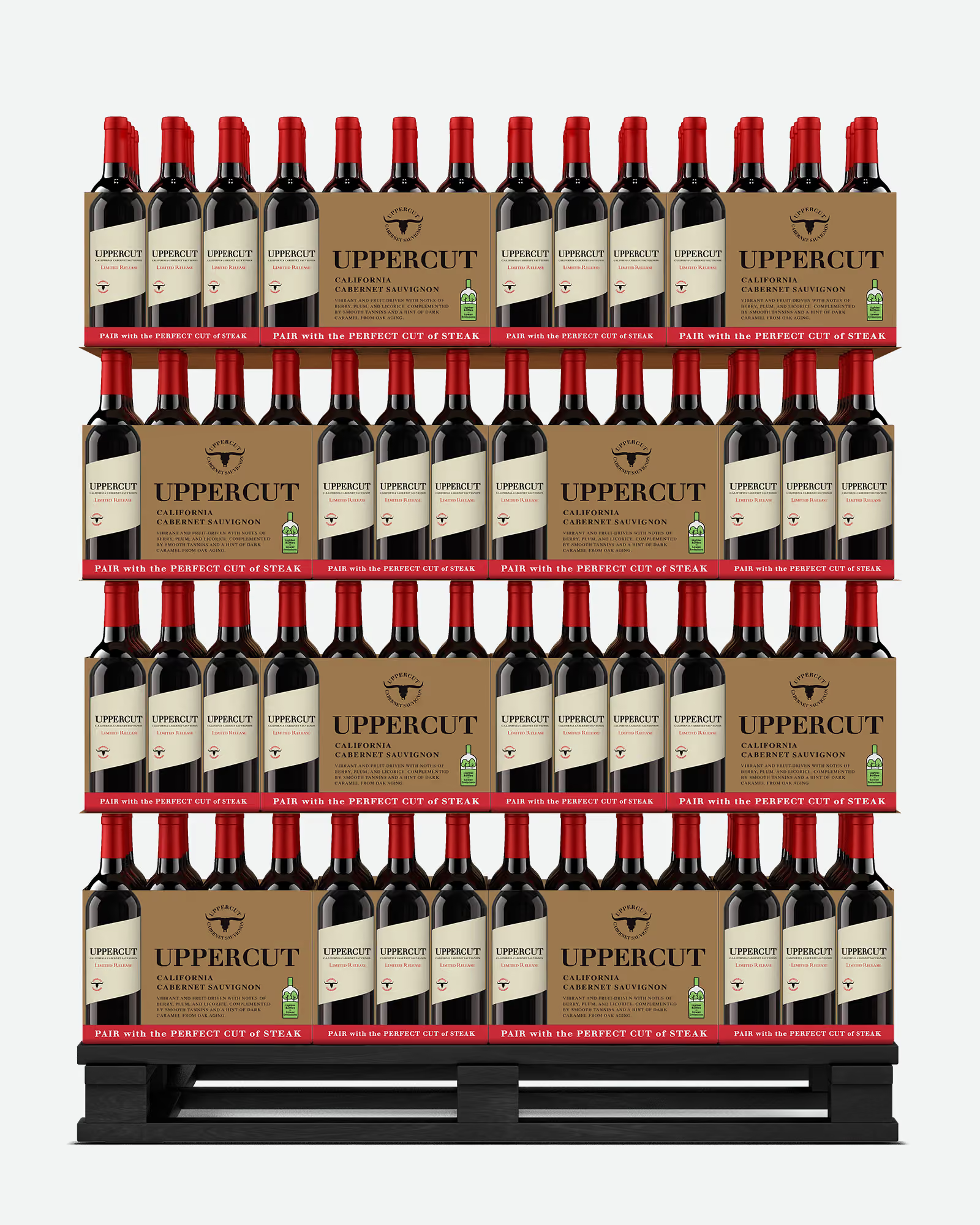
Cooler and fridge placements: door layouts, shelf arrangements, branded shelf strips and door clings. For chilled categories, RTDs, and single-serve formats, the fridge is the shelf, and cooler space is negotiated just as hard as aisle space.
A render shows your products behind the glass, in the arrangement you are proposing, with the branding elements in place. Glass doors, condensation-adjacent lighting, and reflective cans are precisely the conditions that make physical cooler photography a headache, and precisely where CGI behaves.
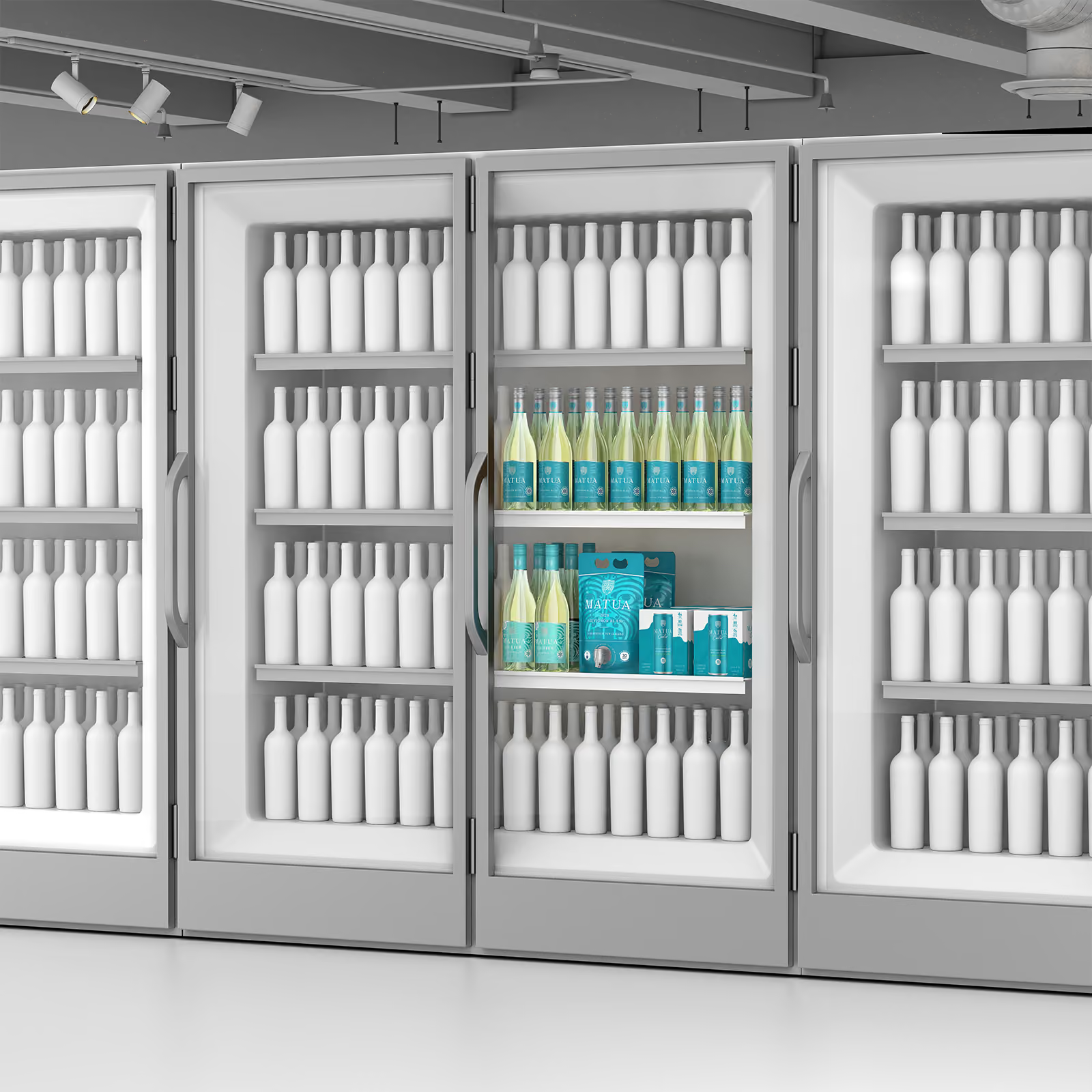
Small-format displays that live at the register or on the tasting bar: counter units, small racks, single-case setups. The economics are smaller but the approval logic is identical.
Because countertop units are often produced for independent retailers, bottle shops, and tasting rooms rather than one chain, a render frequently does the selling across dozens of accounts at once. One image in the distributor's hands covers the whole territory.
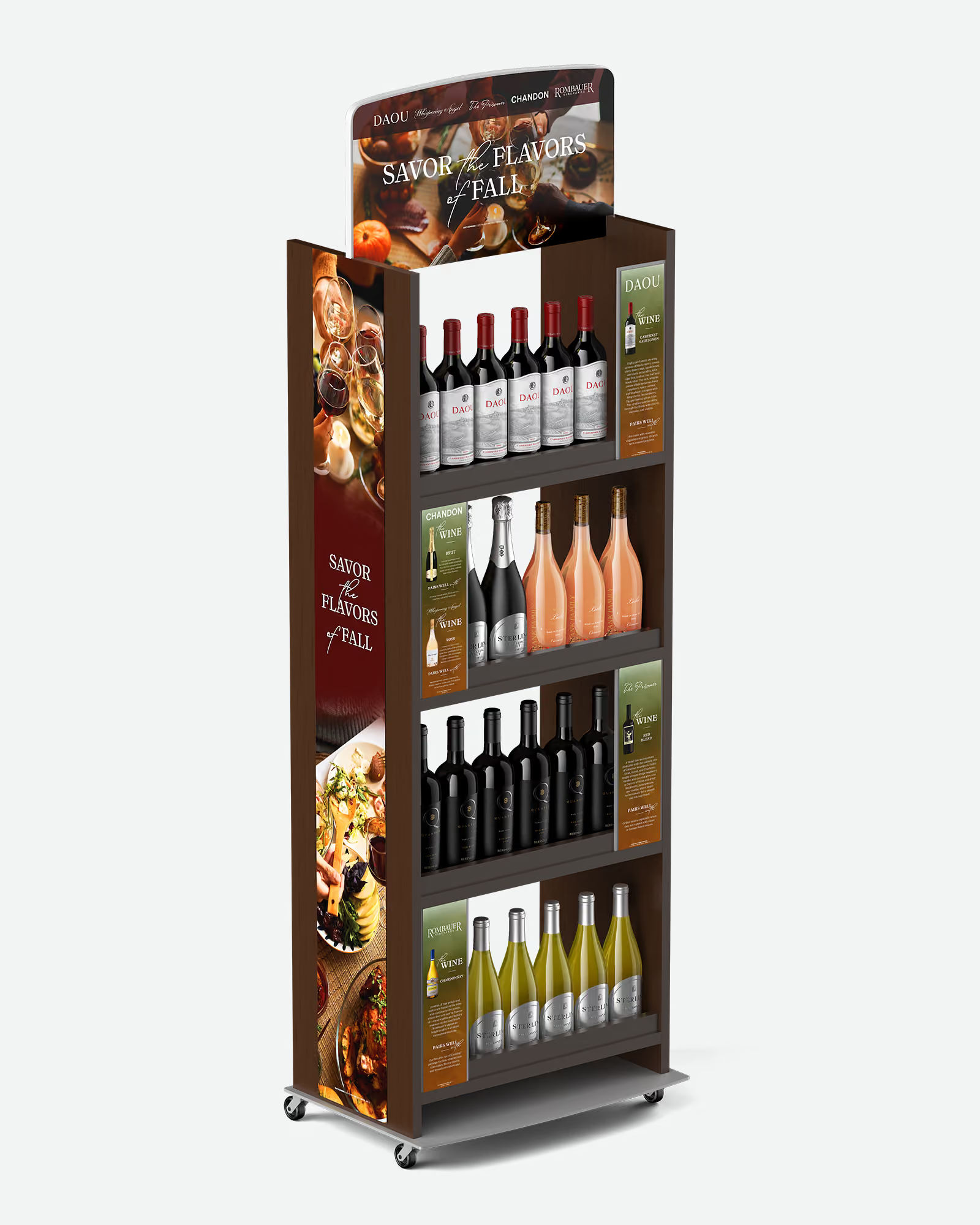
Freestanding cutouts and structural brand pieces: characters, oversized bottles, seasonal shapes. Standees are pure brand theater, which makes them the format where a flat sketch loses the most in translation. A shape that works as a drawing can feel flimsy or overscaled standing on a floor.
A render shows the standee at scale, in context, with the finished print quality visible. For licensed or collaboration programs, where a partner also has to approve the piece, the render doubles as the partner approval visual.
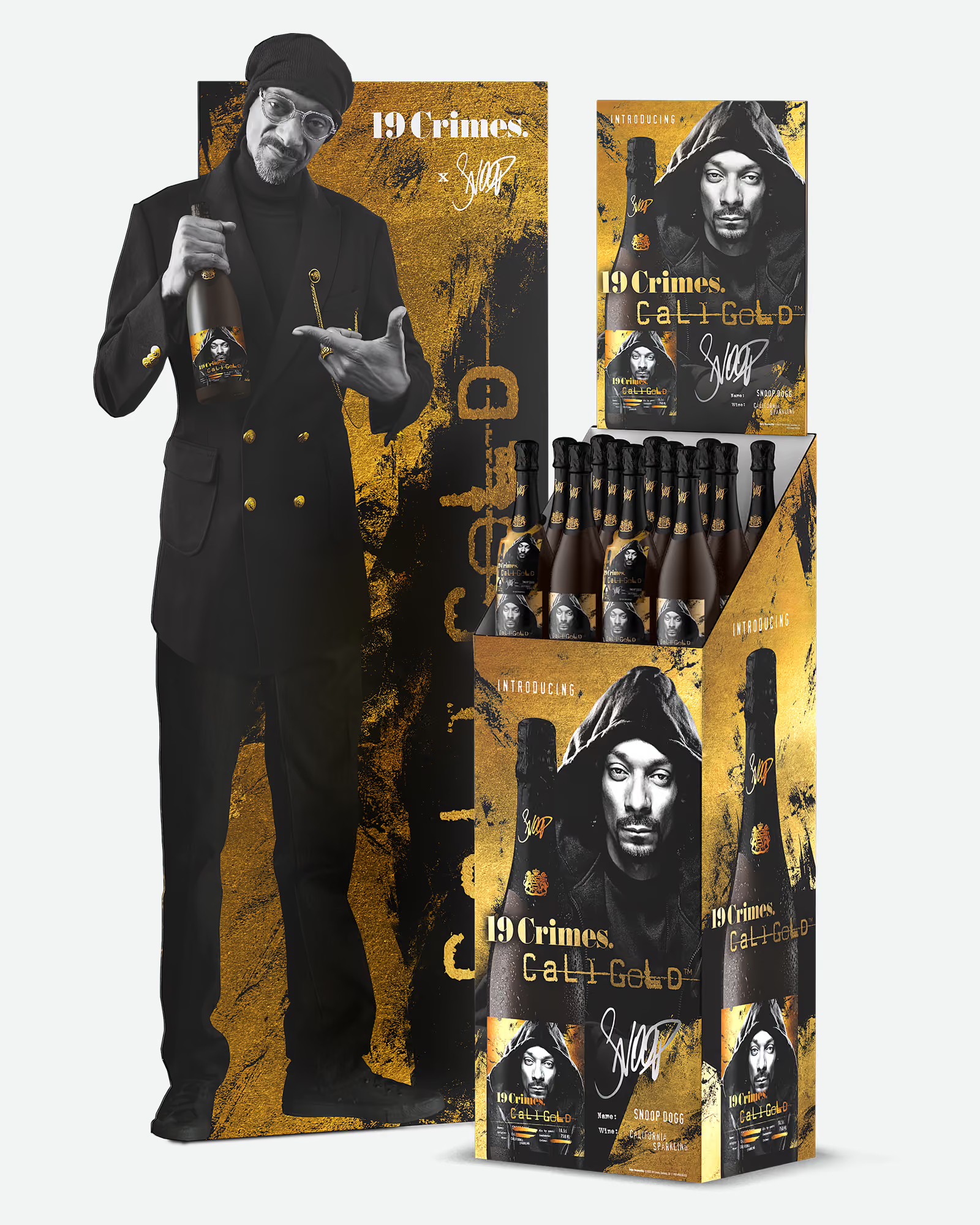
Strictly speaking, a tasting table is not point of sale. Practically speaking, it sells product the same way a display does, and it gets planned the same way too.
Trade tastings, distributor portfolio shows, and in-store demo tables all run on the same kit: branded table cover, risers, the bottle lineup, signage, maybe a pour station. A render of the full setup shows event organizers and account managers exactly what the brand's table looks like before anyone ships a kit, and it keeps the setup consistent when the same program runs across twenty markets with twenty different reps assembling it. For brands pitching a demo program to a retailer, the render plays the same approval role as any display render: here is what it will look like on your floor.
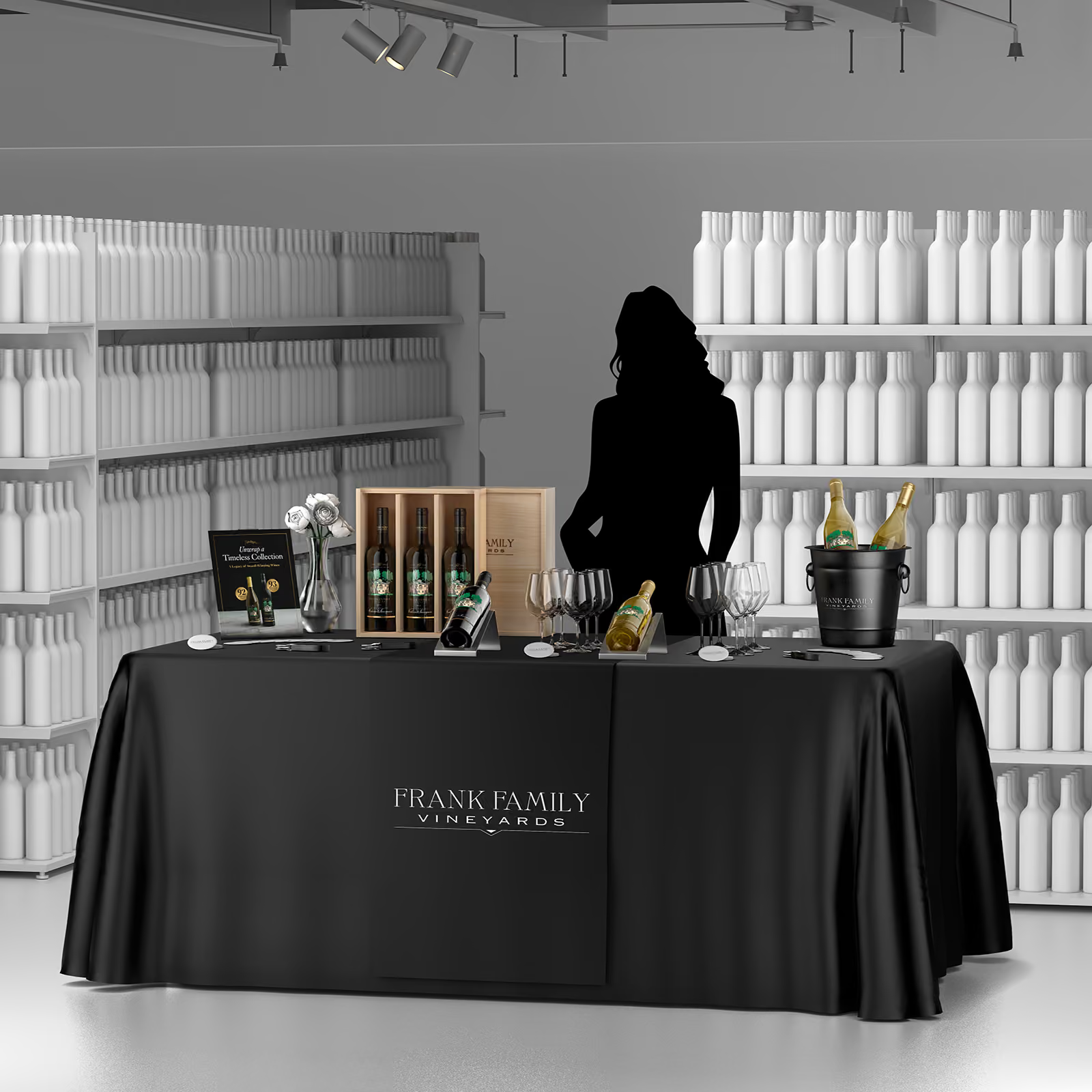
A buyer has seen enough amateur composites to spot one instantly. The difference between a render that closes and a render that undermines the pitch is craft, and it lives in details most people only notice when they are wrong.
Accurate scale. The bottles in the display are the same digital models built for your Product Shots, placed at true dimensions. A 750ml bottle reads as a 750ml bottle next to the header card. When scale drifts, buyers feel it before they can name it.
Stacking that matches reality. Shipper size follows bottle shape: a Burgundy case is squatter than a Bordeaux one, so when mixed SKUs stack side by side they do not line up perfectly at the top. A faithful render reproduces that instead of faking a clean grid, so the buyer approves the stack the way it will actually sit on the floor, not an idealized version that falls apart in store.
Material behavior. Corrugate does not reflect light the way glass does. Shrink wrap, litho-laminate, kraft, foil accents on a header card: each material catches store lighting differently, and the render has to respect that for the image to read as real. This is the kind of detail a trained artist checks and a template never will.
A deliberate camera angle. Outshinery's default camera sits slightly above the display, angled gently down: one view that shows the display's face, its structure, and how it is stocked, without the distortion a straight-on shot introduces. Supporting angles (three-quarter, overhead for the planogram conversation) round out the set when the pitch needs them.
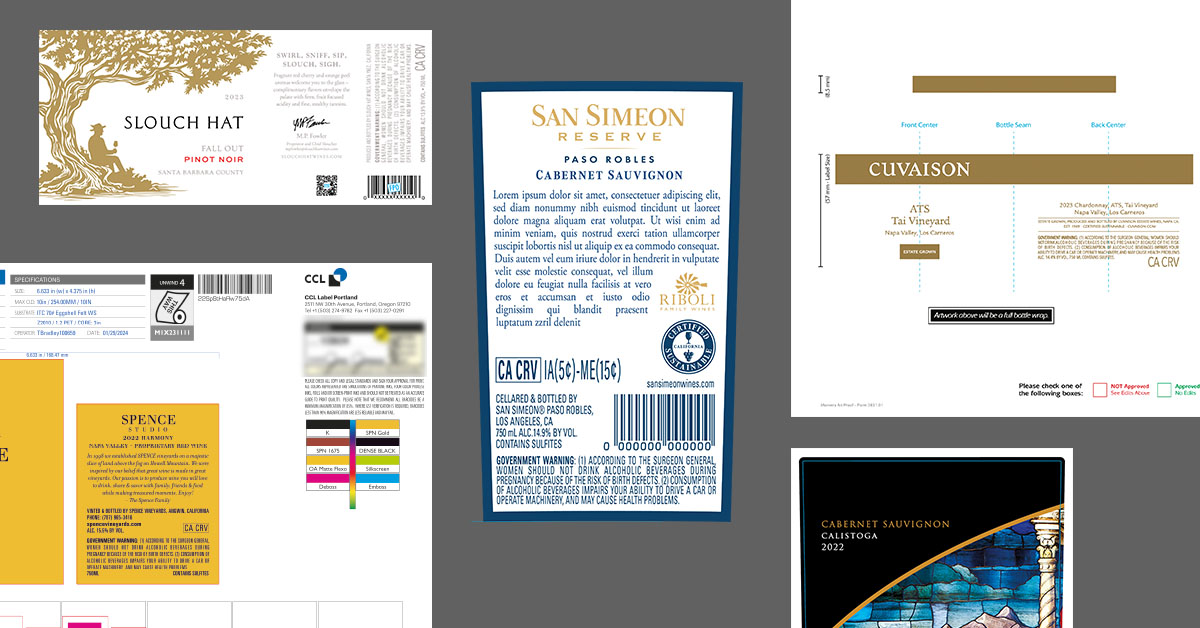
Print fidelity. The graphics in the render come from your print-ready files, so what the buyer approves is what the printer produces. That holds for every printed piece in the display, not just the main structure: backer cards, header cards, neckers, case cards, shelf strips, violators. If it prints and appears in the display, it renders from its production file. Non-printed elements, the bows, lights, and props that dress a seasonal program, are modeled and placed in the scene instead. The same principle behind Outshinery's label file requirements applies to all of it: production files in, faithful image out.
A person accountable for every detail. Every Outshinery render is produced by a trained 3D artist, not generated by an algorithm. On an image a retail buyer will treat as a commitment, that accountability matters: the case count on the pallet, the SKUs on the second shelf, the text on the violator card are all checked by someone whose job is getting them right.
Prototypes are not going away, and they should not. Before a print run, someone should confirm the physical structure works. But as the visual that sells the program, the prototype has real limits.
A prototype shows one version. The render can show three concepts, two colorways, and a holiday variant, for a fraction of what a second structural sample costs.
A prototype is draft quality by nature. Stadium cuts and white samples ask the buyer to imagine the finished print. A photorealistic render shows the finished print.
A prototype needs the product. A meaningful prototype photo needs filled bottles or cans to stock it, which is a problem when the display decision predates the production run. The render builds on the digital models of your products, so the display can be fully dressed before the product physically exists.
A prototype photo is still a photoshoot. Lighting a corrugate display with glass bottles in it is real photography work. The render skips the shoot entirely.
The practical workflow most brands land on: render first, to sell the concept and lock buyer approval, then prototype once, to validate the structure before print. The expensive iteration happens digitally. The physical sample confirms rather than explores.
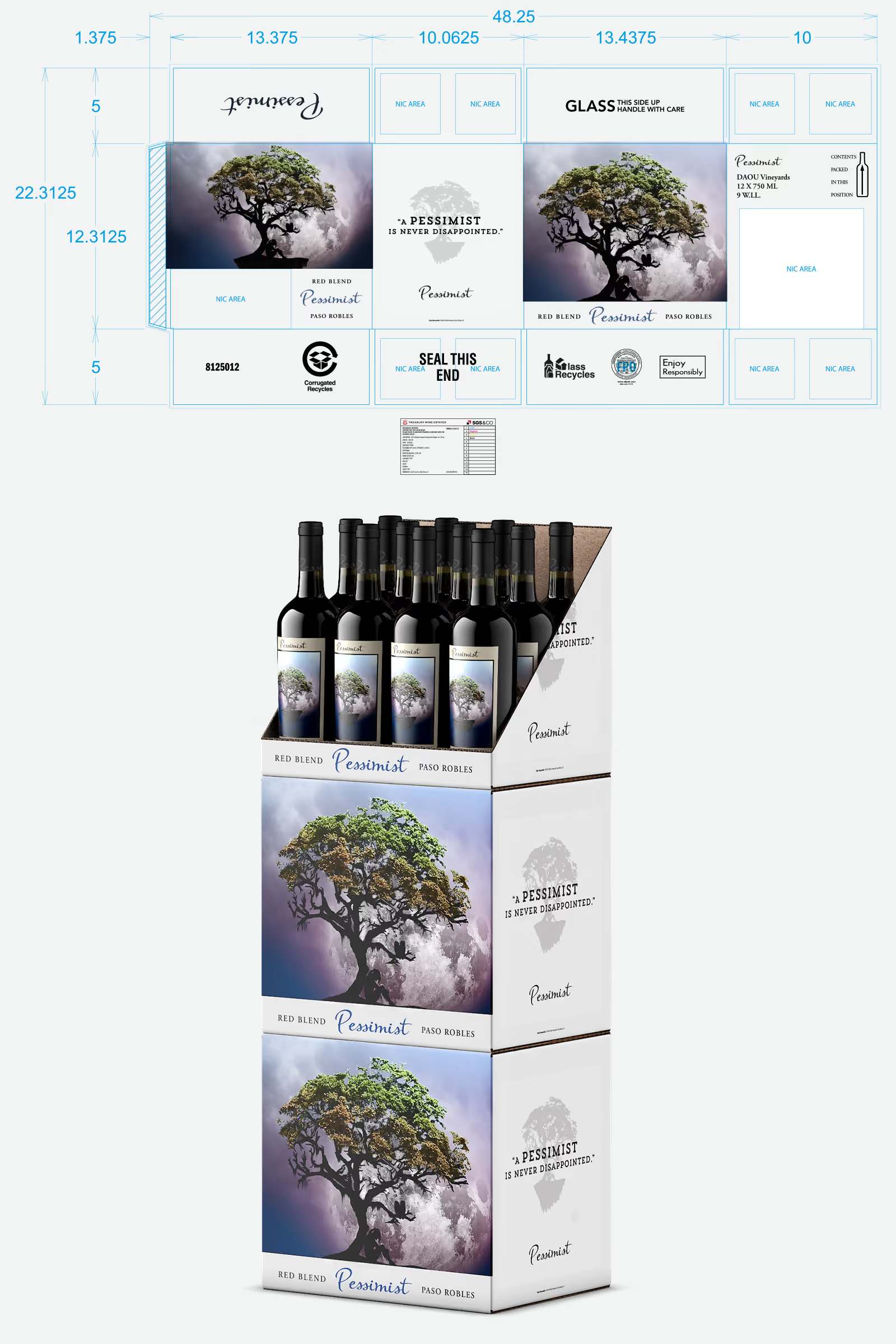
Four moments in the beverage calendar reliably call for one.
A launch program lives or dies on retail placement, and placement decisions happen while the product is still in production. A launch display render lets the sell-in start before the first case ships. Bomber Brewing's Don Farion described the underlying advantage well: "You're not waiting for your beer to be ready... you have an image in 48 hours to make your submission for a new listing." The display version of that advantage is the same, at larger scale.
Holiday programs, summer programs, and the fall reset all share a trait: the buying decision happens in the opposite season. The display for October is approved when the fruit is still on the vine. Renders are how the program gets pitched with finished visuals months ahead of physical production, and how last year's program gets refreshed with this year's vintage without re-photographing anything.
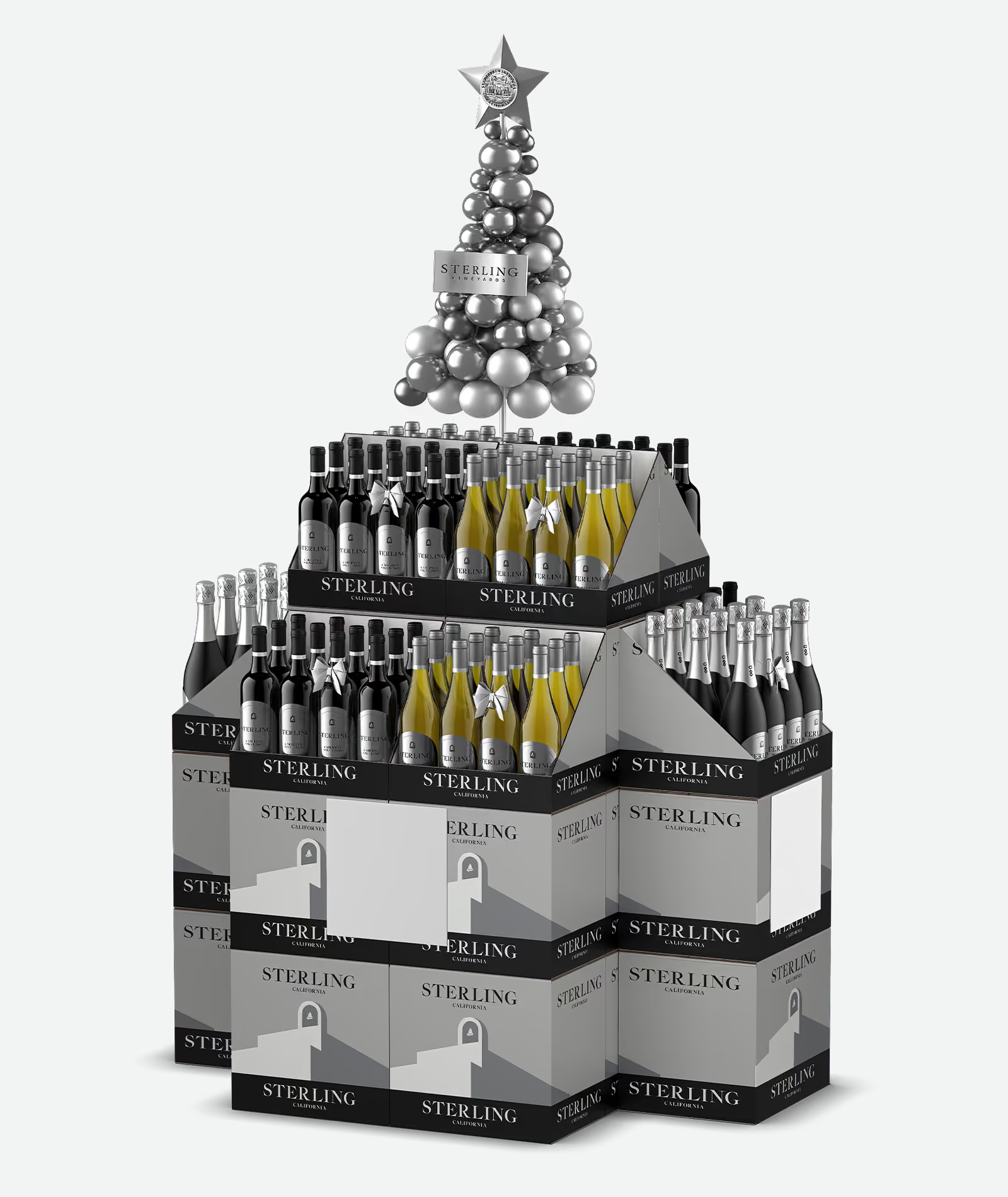
Seasonal displays also come with the parts no printer produces. Bows on the bottles, twinkling lights wrapped around the cases, garlands on the header, and full-scale props that give the program its theater: a paddleboard leaning against a summer stack, a bike mounted above the cases, even a Volkswagen camper van anchoring the scene. These accessories are usually the hardest part of a seasonal display to visualize in advance, because they exist nowhere until someone dresses the display in a store. Outshinery renders them in place along with everything printed, so the buyer approves the full seasonal picture, props and all, not just the corrugate.
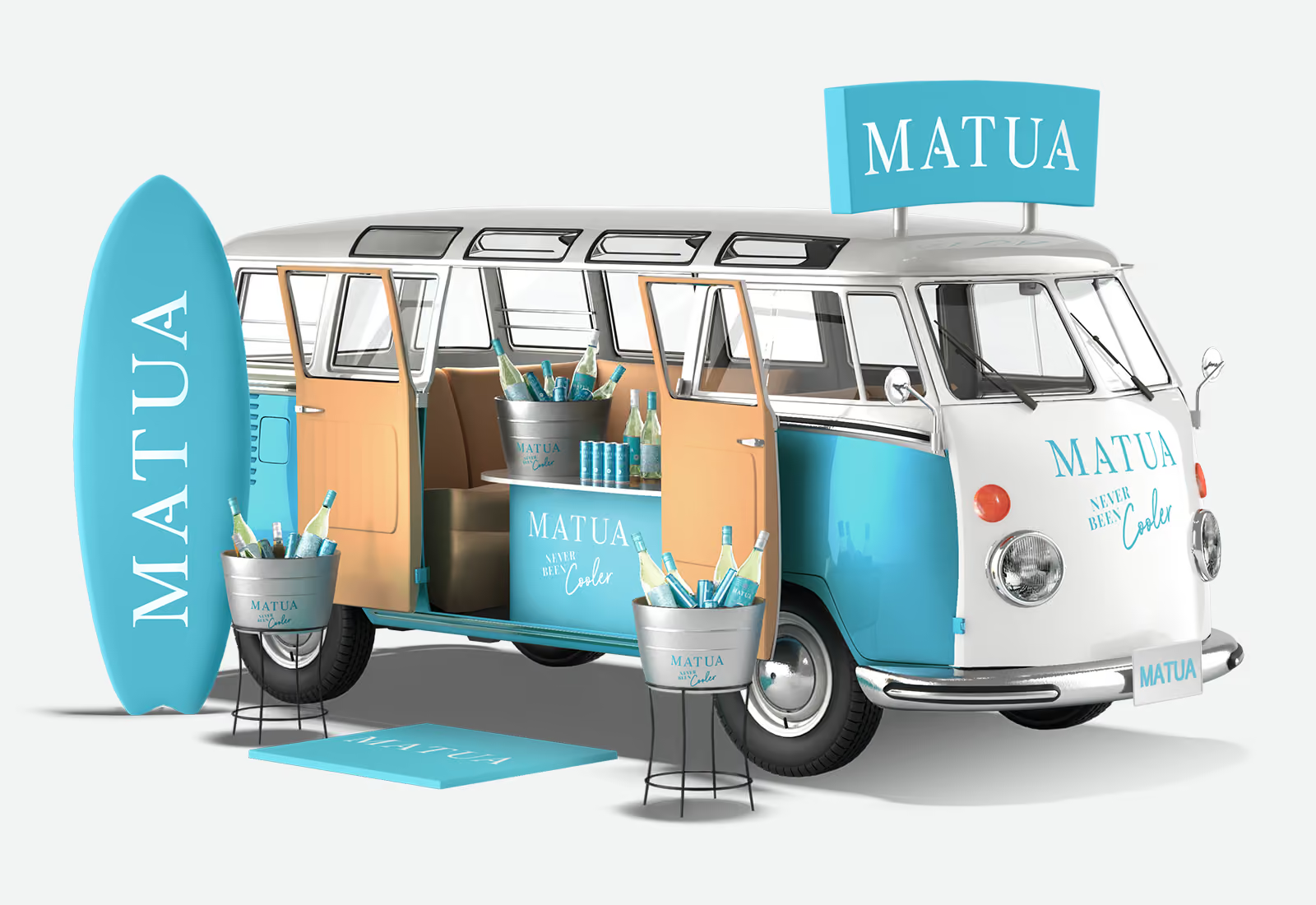
Any appointment where off-shelf space is on the table. This includes the unglamorous version: the distributor rep who needs a one-page sell sheet with the display program on it, multiplied across every account in the territory. One render feeds the national pitch deck and the local sell sheet alike.
Short-run programs have the worst prototype economics of all. The print run is small, the timeline is compressed, and the program may run in a handful of accounts. A render gets a limited edition into buyer conversations at a cost that matches the size of the run. For collaborations, the render also serves the partner side: both brands approve the same finished visual before anything prints.
A fifth moment deserves its own mention, because it multiplies the value of the other four.
In a three-tier market, your display program only exists where a distributor rep decides to pitch it. Reps pitch what is easy to pitch. A program that arrives as a photorealistic render on a clean sell sheet gets presented; a program that arrives as a dieline PDF and a paragraph of description gets skipped for the brand that made the rep's job easier.
One render, dropped into the sell sheet, the rep's tablet presentation, and the portfolio deck, turns your display program into the easiest thing in the rep's bag to show. That is influence over placement you do not otherwise control.
To make the workflow concrete, here is how a typical program moves through it. The brand is illustrative; the sequence is the one Outshinery runs.
A mid-size winery is pitching a fall floor stack to a regional grocery chain: two SKUs, a Cabernet and a Chardonnay, stacked case display with a header card, targeted at the October reset. The buyer meeting is in six weeks. The wine for the new vintage is still in tank.
Week one. The winery's display manufacturer finalizes the stack structure and header dieline. Marketing finalizes the case art and header graphics, the same files headed to the corrugate printer. Both SKUs already have Outshinery Product Shots from earlier orders, so the digital bottle models exist, current vintage and all.
Week two. The brief goes to Outshinery: structural files, print graphics, arrangement direction (Cabernet cases as the base tiers, Chardonnay above, header centered), and the note that the pitch deck needs a hero image plus one three-quarter view. Previews arrive within the week. Seen assembled, the case art produces an unplanned dark band across the middle tiers. Marketing adjusts the case panel layout with their designer, an afternoon of work instead of a reprint, and the revised art goes back into the scene. The header, which read fine as a flat file, gets its type enlarged after the assembled preview shows it disappearing at store distance.
Week three. Final renders delivered. Once the preview is approved, finals arrive in under a business day; it is the revision rounds, not the rendering, that set the pace. The hero image goes on the program slide, the three-quarter view goes on the distributor sell sheet, and both go into the chain's vendor portal submission.
The meeting. The buyer sees a finished fall program: printed, stacked, stocked, and lit, for a display that exists nowhere. The question in the room stops being "what will this look like?" and becomes "how many stores?"
After approval. The corrugate printer produces the run from the same files the render was built from, so the display that lands in stores matches the image the buyer approved. Next fall, the winery refreshes the program with the new vintage: an update to the existing scene, not a new build.
Notice what never happened: no prototype round before approval, no photoshoot, no case of wine shipped anywhere, and no discovery of the dark-band problem after printing. The one physical sample gets built after the buyer has already said yes.
POS display renders are part of Custom-Made Content, produced by the same team of trained 3D artists behind every Studio image. The process runs in three steps, entirely online.
The complete brief checklist, including what stalls one, lives in What Outshinery needs for a POS display render.
Pricing starts at 4 Shine Credits per POS display render, estimated at the brief stage based on complexity. First proof in 3 to 5 business days from a complete brief. Details on the pricing page.
One scope note, worth repeating because it routes inquiries correctly: Outshinery renders the POS display itself so beverage brands can show retail buyers a photorealistic visual for approval before going to print. We do not design the display structure (that stays with your display manufacturer), and we work for the brand that owns the display, not for display companies looking to fill their units with other people's products.
I need ideas for effective POS displays for my beer brand. What services can help?
Start with the display formats that fit where your beer actually sells: floor stacks and case stackers for grocery volume, fridge layouts for chilled singles, countertop units for bottle shops and taprooms. The same logic applies to RTD and cider brands competing for the same cooler and floor space. Your display manufacturer or corrugate printer handles the structural design. Outshinery renders the concepts photorealistically so you can compare directions and pitch retail buyers before committing to a print run. Because the renders are built from your case art and can/bottle files, every concept shows your actual branding, not a generic placeholder.
Which companies design and create 3D mockups of custom POS displays?
Structural design usually comes from your display manufacturer or a packaging design agency. For the 3D visual itself, Outshinery creates photorealistic renders of custom POS displays for beverage brands: end-caps, floor stacks, case arrangements, case stackers, pallet displays, fridge layouts, countertop setups, and branded standees, all built from your design files with no physical prototype required. The render shows retail buyers the finished display, printed and fully stocked, before anything exists physically.
I need a service for a point-of-sale video display. Who are the top vendors?
It depends on which of two things you need. If you need the screen hardware, that is a digital signage vendor, and not what Outshinery does. If you need the content that plays on retail screens, or a video of your display concept in motion, Outshinery produces product videos and animated renders from the same 3D models used for still display renders, formatted for retail screens, pitch decks, and social.
What companies specialize in creating digital and physical POS displays for liquor stores?
The physical display comes from a display manufacturer or corrugate printer; the digital visual that sells it comes from a rendering specialist. Outshinery covers the digital side for spirits and liquor brands: photorealistic renders of the display concept, with your bottles placed at accurate scale, so a liquor retailer or chain buyer can approve the program before print. Brands typically pair an Outshinery render with their display manufacturer's structural file, sell the program in with the render, then produce physically once it is approved.
Which companies provide POS display visuals?
Outshinery provides POS display visuals for wine, beer, spirits, RTD, and cider brands: photorealistic CGI renders of end-caps, floor stacks, pallet displays, fridge layouts, countertop setups, and standees, produced by trained 3D artists from your production files. No physical prototype, no photoshoot, no shipping product to a studio. Pricing starts at 4 Shine Credits per render, estimated at the brief stage.
How long does a POS display render take?
First proof in 3 to 5 business days from a complete brief. Total turnaround depends on the complexity of the display and the number of revision rounds; once the preview is approved, final renders arrive in under a business day. Your account contact confirms timing at the brief stage. Either way, it is measured in days, not the weeks a prototype-and-photoshoot cycle takes.
Can I update a display render for next season?
Yes, and this is where the render pays for itself a second time. The digital scene persists, so swapping a vintage, refreshing seasonal graphics, or restocking the display with a new SKU is an update to an existing scene rather than a new build.


Book a 20-minute call to walk through your display concept, or get started with the Product Shots your display will be built on.
Schedule a callGet professional, photorealistic images for your brand without a photoshoot. Your label, rendered on the exact bottle, in days.