A new beverage product does not stop at the bottle. Once it exists, it has to win a physical shelf and a digital one.
These are the terms producers, brand managers, and distributors run into at that stage, from the in-store display to the e-commerce product page. Most of them come up in exactly one situation: a buyer, a distributor, or a retailer asks for something by name, and the imagery or the paperwork behind it is suddenly due.
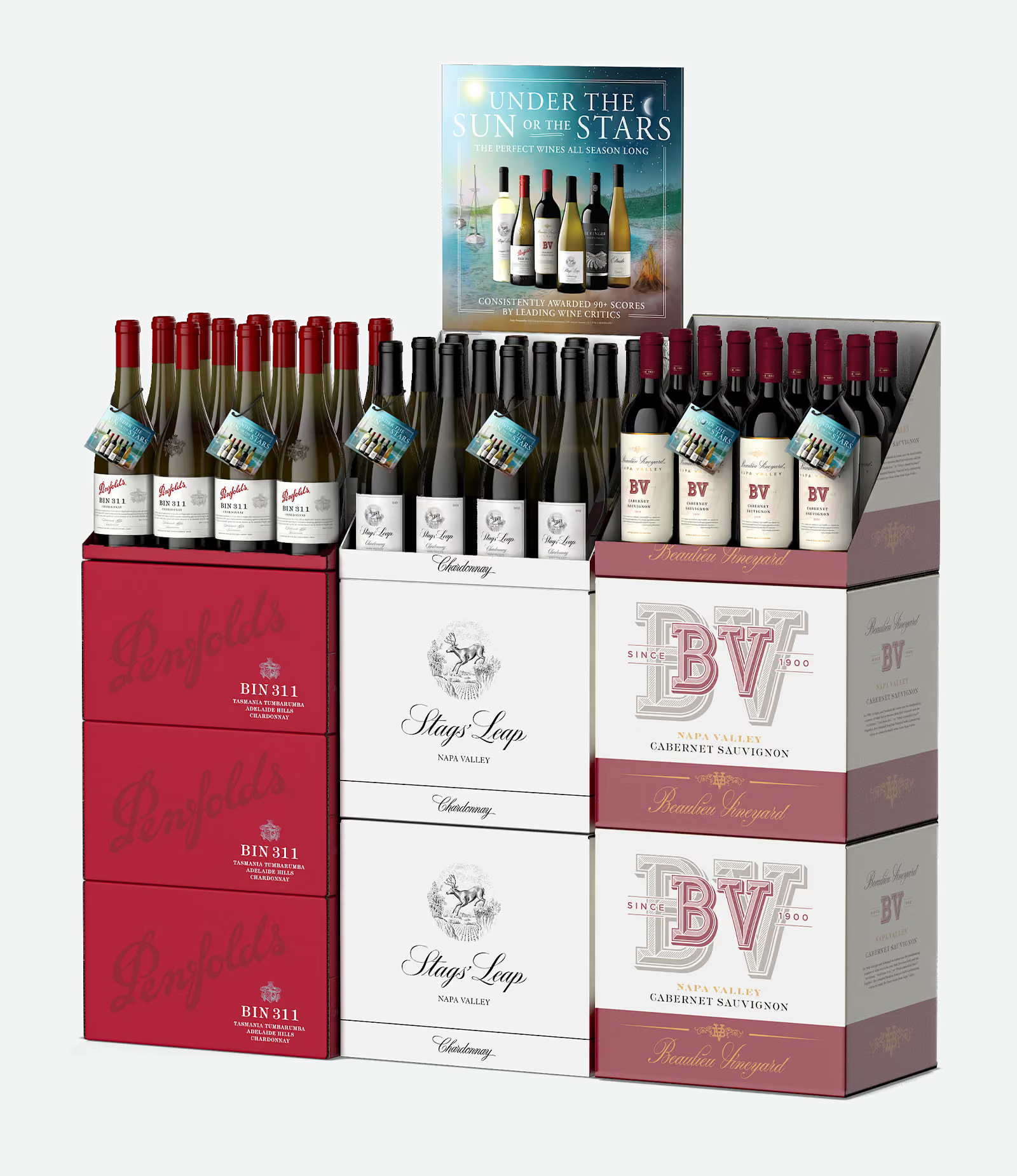
Point of sale (POS) display: Any in-store fixture that merchandises a product at retail, from a shelf unit to a free-standing floor display. Brands design and approve these from clean product renders before anything is printed.
Shelf talker: A small printed card that juts from the shelf edge to flag a product, a score, or a promotion. It usually reuses the product's hero image.
Wobbler (dangler): A printed piece attached to the shelf edge on a flexible plastic arm so it moves slightly, catching the eye at shelf level. A more animated cousin of the shelf talker.
End cap: The display at the end of a retail aisle, premium paid real estate a brand dresses with product imagery and displays.
Dump bin: A free-standing bin of loose units for impulse purchase, common for promotions and seasonal pushes. The printed bin and header card carry the product imagery.
Shipper display (FSDU): A pre-packed cardboard display, also called a free-standing display unit, shipped ready to place on the retail floor. It combines the shipping carton and the display, and buyers approve it from renders before production.
Bottle topper (neck hanger): A printed card or tag that hangs on the bottle neck at retail, carrying a recipe, a promotion, or a score.
Hang tag: A small printed tag tied or looped onto the bottle neck, carrying a recipe, promotion, story, or QR code. Close to a bottle topper, but attached with string or a loop rather than slipped over the neck.
Pallet display (floor display): A free-standing unit holding many units of a product, placed in open retail floor space for big seasonal or promotional pushes. Larger than an end cap, and built from the brand's product imagery.
Case card: A printed card mounted on or above a case stack or floor display, carrying the brand message, the offer, and usually the hero image at a size shoppers read from across the aisle.
Header card: The printed card across the top of a display or multipack that carries the branding and headline message. The visual headline of a retail display, shipper display, or pack.
Cold box: The refrigerated section of a store where chilled wine, beer, and ready-to-drink products sit. Cold box placement is planned and sold like any other shelf position, and the door is its own merchandising surface.
Cross-merchandising: Placing a product outside its home aisle next to a complementary category, wine near cheese, mixers near spirits, to prompt unplanned purchases.
Secondary placement: Any position a product occupies in addition to its home shelf, an end cap, a dump bin, or a cross-merchandised spot. Brands fight for secondary placements because they multiply visibility without a new listing.
Planogram (POG): The retailer's diagram of exactly where and how products sit on a shelf. Brands supply clean product images so their items show correctly in the planogram and the category reset.
Category reset: The retailer's scheduled overhaul of a category's shelf layout, when planograms are redrawn and placements are won, moved, or lost. Buyers review products for a reset from images and sell sheets, so both need to be current before the reset window opens.
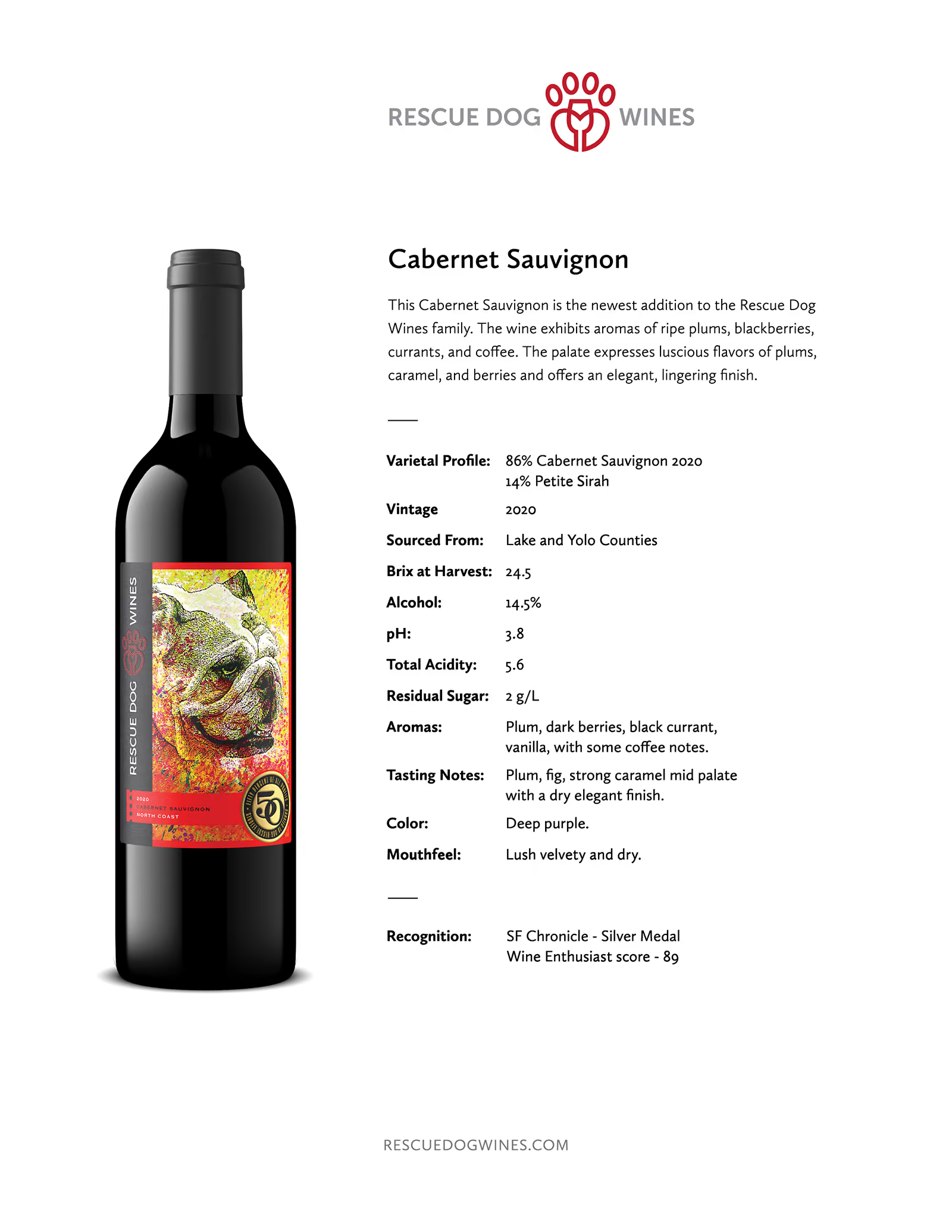
Sell sheet: The one-page document a producer or distributor puts in front of a buyer: hero image, product story, specs, case pack, and pricing. The image carries the first impression, and an outdated or missing one is a common reason a sell sheet stalls at the deadline.
Sell-in: Selling product into the distributor or retailer, in other words winning the placement. Sell-in is where sell sheets, samples, and product imagery do their work.
Sell-through: The rate at which stocked product actually sells to shoppers. Buyers judge a placement on sell-through, which is where displays, shelf position, and strong imagery earn their keep.
On-premise / off-premise: On-premise is anywhere the product is consumed where it is sold, bars, restaurants, tasting rooms. Off-premise is retail for consumption elsewhere, liquor stores, grocery, e-commerce. The two channels ask for different materials, menus and list placements on one side, shelf and display assets on the other.
Three-tier system: The US structure that separates alcohol producers, distributors, and retailers into three distinct businesses. A brand has to convince each tier in turn, and its product imagery travels through all three, which is why consistent, current assets matter beyond the brand's own website.
Shipper (shipping carton): The outer corrugated carton a case of bottles ships in, printed or plain. It is the secondary packaging a retail receiving dock handles, and the image of it is the shipper shot.
Case pack: The number of units packed in one shipping case, for example six or twelve bottles. A core logistics spec buyers ask for, and it sets how the shipper and case stack look.
Canister (presentation tube): A rigid cylindrical box that holds a single bottle, common for premium spirits and gifting. The printed tube is its own imagery subject alongside the bottle.
Gift box: A rigid or folding carton that presents one or more bottles for gifting, common in direct-to-consumer holiday programs and premium spirits. The printed box is its own imagery subject alongside the bottle.
Value-added pack (VAP): A promotional unit that bundles the product with an extra item, a glass, a mixer, or a second bottle. Common at holidays and in travel retail, and it needs imagery of the full bundle, not just the bottle.
Digital shelf: The collective online space where shoppers find and buy a product, retailer sites, marketplaces, and direct-to-consumer stores. It is the e-commerce counterpart to the physical store shelf, and consistent, correctly specced imagery is half of winning it.
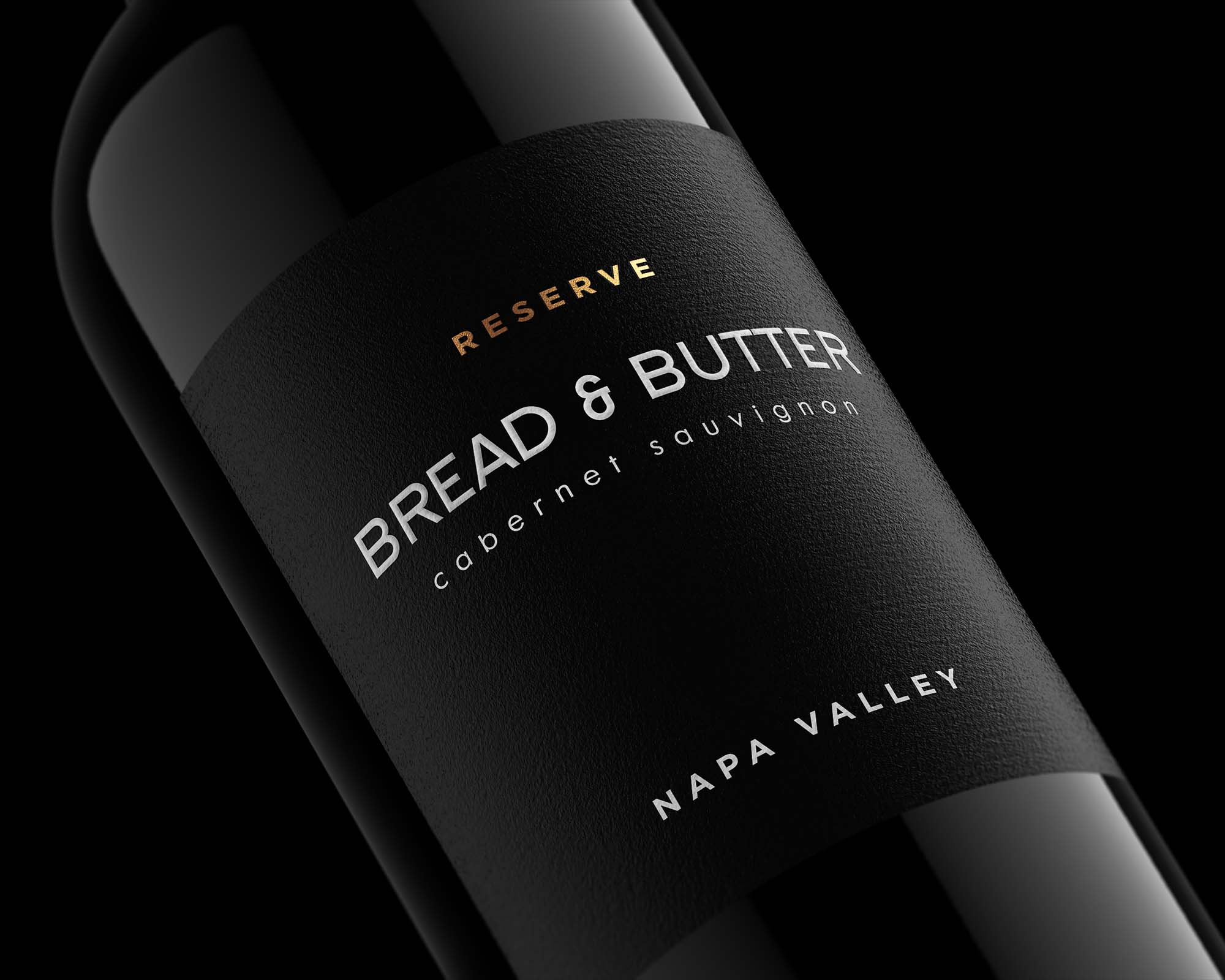
Product detail page (PDP): The individual product page on an e-commerce or retailer site where the bottle shot does the selling. PDP image specs, size, background, and format, drive what a brand needs from a render.
Product listing page (PLP): The category or search-results page that lists many products, each shown by its thumbnail, as opposed to the single-product PDP. Consistent thumbnails are what make a brand stand out on a crowded PLP.
Marketplace: A retail site that hosts many sellers under one storefront, Amazon being the largest. Each marketplace publishes its own image and content specs, and a listing that misses them gets suppressed or rejected.
Image requirements (retailer image specs): The written rules a retailer or marketplace sets for product images: dimensions, background, margins, file format, and naming. Meeting spec the first time is what keeps a listing from bouncing back for rework.
A+ content: Amazon's enhanced listing format, which adds extra images, comparison charts, and rich text below the standard listing. It calls for multiple product images in set formats, the hero shot and bank view among them.
Zoom image: The extra-high-resolution file behind a product page's zoom or hover feature, which lets a shopper inspect the label up close. It demands more resolution than the standard listing shot, and it is where label detail quality shows.
Retail media network: A retailer's own advertising platform, where brands buy sponsored placements on the retailer's site, app, and in-store screens. The creative runs on the brand's product imagery, delivered to the retailer's specs.
Image syndication: The distribution of product images from one source, a digital asset management or product information management system, out to retailer sites, marketplaces, and wholesaler portals. Outshinery outputs are built to be syndication-ready, so they flow downstream without reformatting.
User-generated content (UGC): Photo, video, and review content made by customers rather than the brand, used to add authenticity on social and product detail pages. It sits alongside, not in place of, brand-grade product imagery: UGC builds trust while the render carries the clean, on-spec hero.
The pattern across every term on this page: someone else sets the spec. The retailer draws the planogram, the marketplace writes the image requirements, the buyer expects the sell sheet, and the reset window does not move for anyone.
Winning the physical shelf and the digital one is less about producing more materials and more about having the right asset ready, at the right spec, before each of these moments arrives. That is the execution layer where strong, consistent product imagery quietly does most of its work.