Wine label compliance: managing product images when labels change
Or: compliance doesn't wait for your next photoshoot

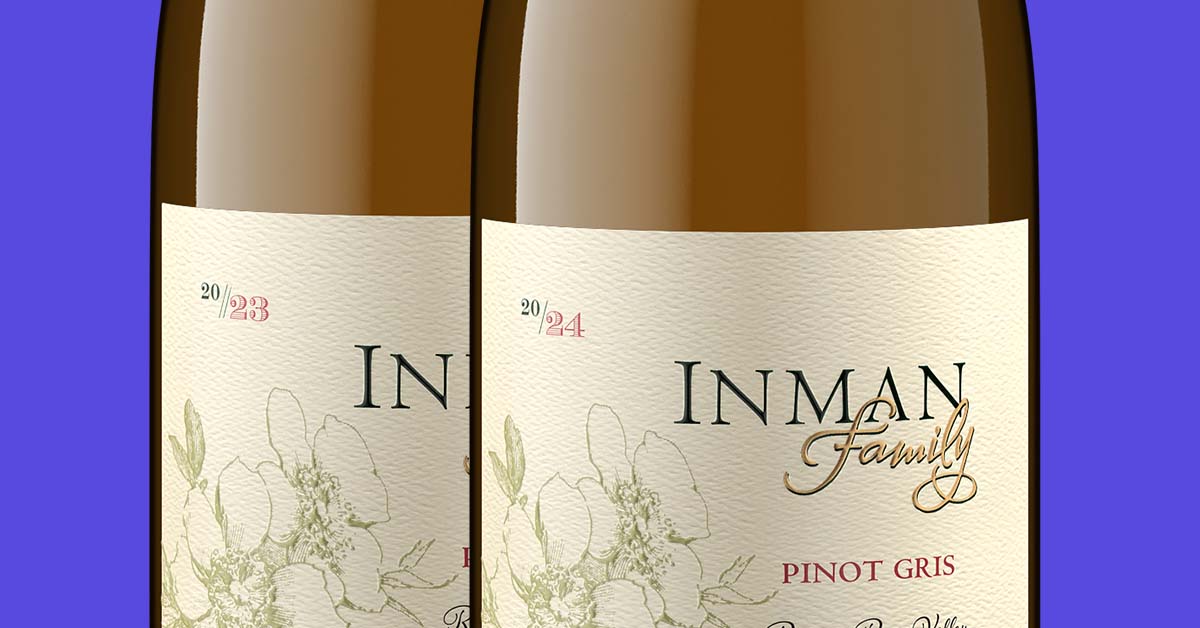
The label is always the last thing finalized before a wine ships. Legal copy, vintage year, ABV, and barcode all have to lock in, along with whatever state registration or export requirement just changed.
That finalization often happens days, sometimes hours, before bottling. Sometimes after the images were supposed to be done.
For a brand relying on traditional photography, that timing is a problem. You cannot photograph a label that does not exist yet. And the label will need to be finalized again next vintage, which means the photographer, the shipped bottle, and the reshoot all happen over. Estate olive oil runs the same cycle on its own calendar, because the harvest date is printed on the label.
Regulated is not one rulebook
"Regulated market" sounds like a single, fixed thing. It is not.
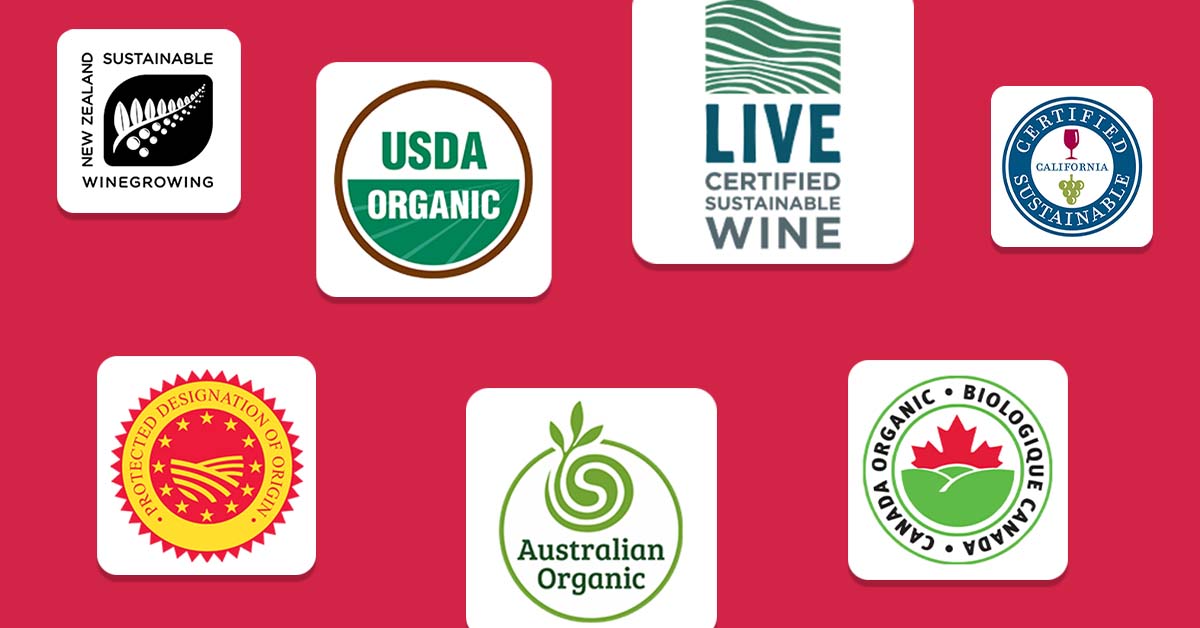
In the US, label copy answers to federal requirements that change without much warning, and most states add their own registration layer on top. In the EU, e-label rules now allow nutrition and ingredient information to sit behind a QR code instead of on the label face, which means labels are being redesigned, not simply reprinted.
A brand selling into three countries is not managing one compliance calendar. It is managing three, on three different clocks.
A label either meets the requirement or it does not go to market. The product image built around that label runs on the same clock, whether the brand plans for it or not.
Why photography breaks under compliance change
A traditional photoshoot needs a finished, labeled, physically bottled product. That is the model. Print the label, apply it, ship the bottle, shoot the bottle, use the image until something changes.
Getting the bottle there is its own hurdle. Shipping alcohol across state or national lines is licensed, carrier-restricted, and slow, so the sample bottle is often the reason the shoot slips.
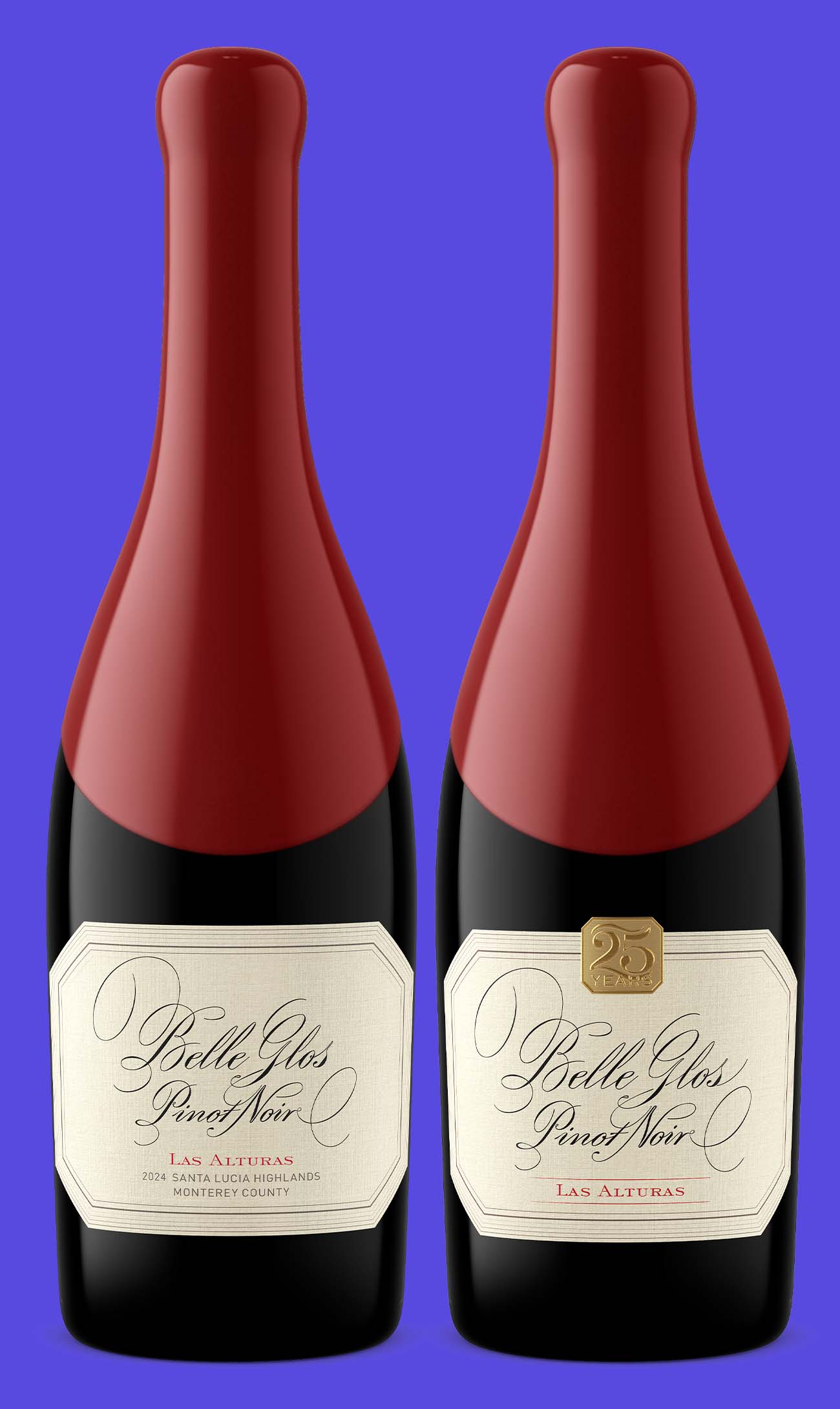
And something always changes. A corrected alcohol percentage. A new vineyard designation. A new warning statement format. A barcode swap.
Each one invalidates the label on every image built from the old bottle. The brand is now choosing between selling with an outdated image or paying for another shoot, on the same production timeline that made the first one hard to schedule. Neither option is appealing, so the image usually stays as it is, and the fine print in the product photo quietly stops matching the fine print on the shelf.
What changes when the image is built from the file, not the bottle
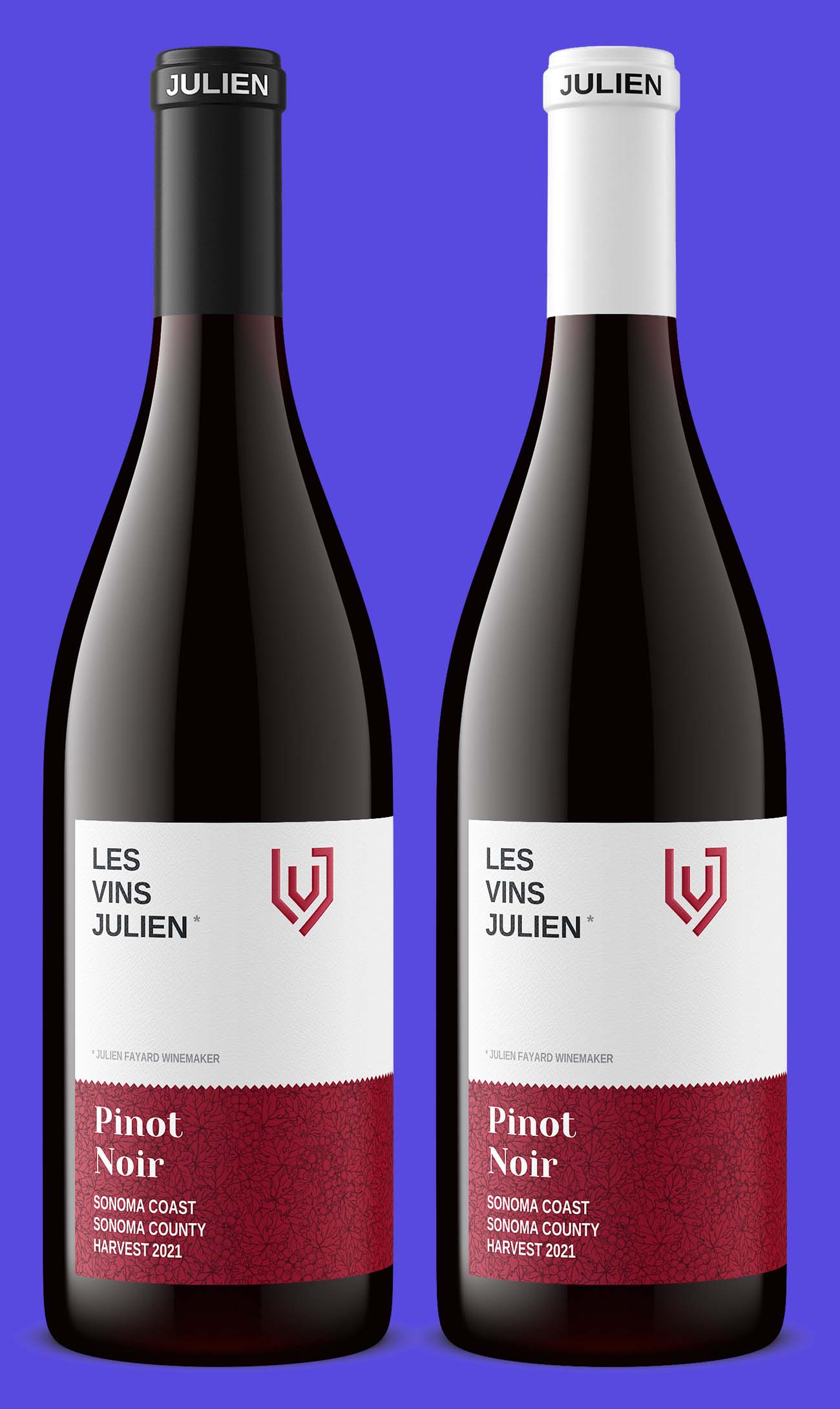
Outshinery Studio does not need a finished bottle. It needs the label file and the container spec, both of which exist before the wine does.
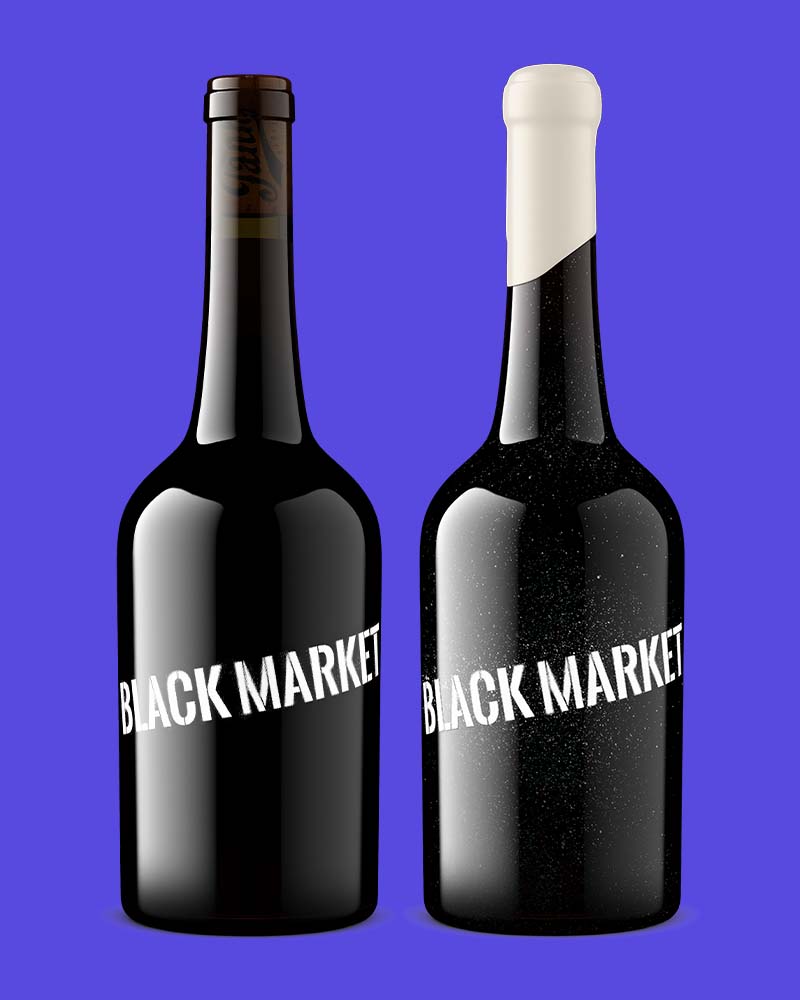
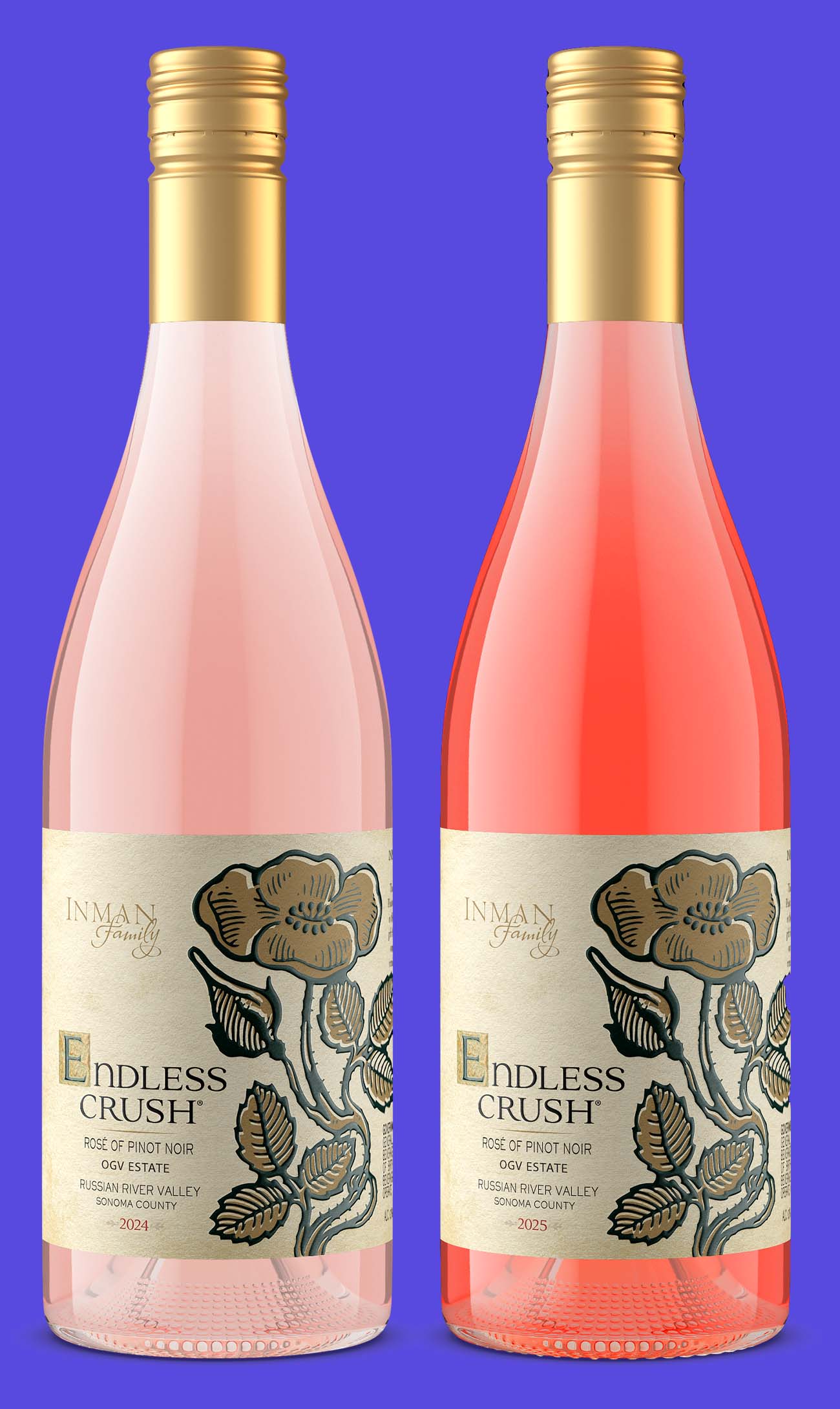
So a compliance-driven label change is not a new production cycle. It is a revision to a model that already exists. Studio's free vintage updates work the same way: the label changes, the image catches up, without starting over.
Outshinery does not approve labels, file paperwork, or interpret regulation. That work stays with the winery, the importer, or whoever manages compliance today. Studio picks up once the compliant label exists, so the bottle shot reflecting it does not lag months behind.
When this matters most
The wineries most exposed to this are the ones growing fastest: investing in DTC, exporting, selling at a premium. More markets means more label variants, and more label variants means more compliance clocks running at once.
A brand selling into the US, the UK, and the EU manages three label formats against three sets of requirements. The imagery problem compounds accordingly, with several labels changing on staggered schedules, indefinitely.
Closing the gap
A compliant label is not optional the way a marketing decision is optional. It is the price of being allowed to sell the wine at all, and every serious producer already treats each revision as a cost of doing business.
What varies, brand to brand, is how much that revision costs downstream. For a brand running traditional photography, the wait between "the label is now compliant" and "the product image reflects it" can stretch for weeks, longer if a photographer's calendar does not cooperate. During that stretch, the brand is selling with an image that misrepresents the product, however minor the correction was.
Compliance will keep shifting, and for most brands it will keep shifting on more than one clock at once. That part does not change. The gap between when a label becomes legal and when the imagery catches up does.
Common questions about label changes and product images
Does a label change mean a new photoshoot?
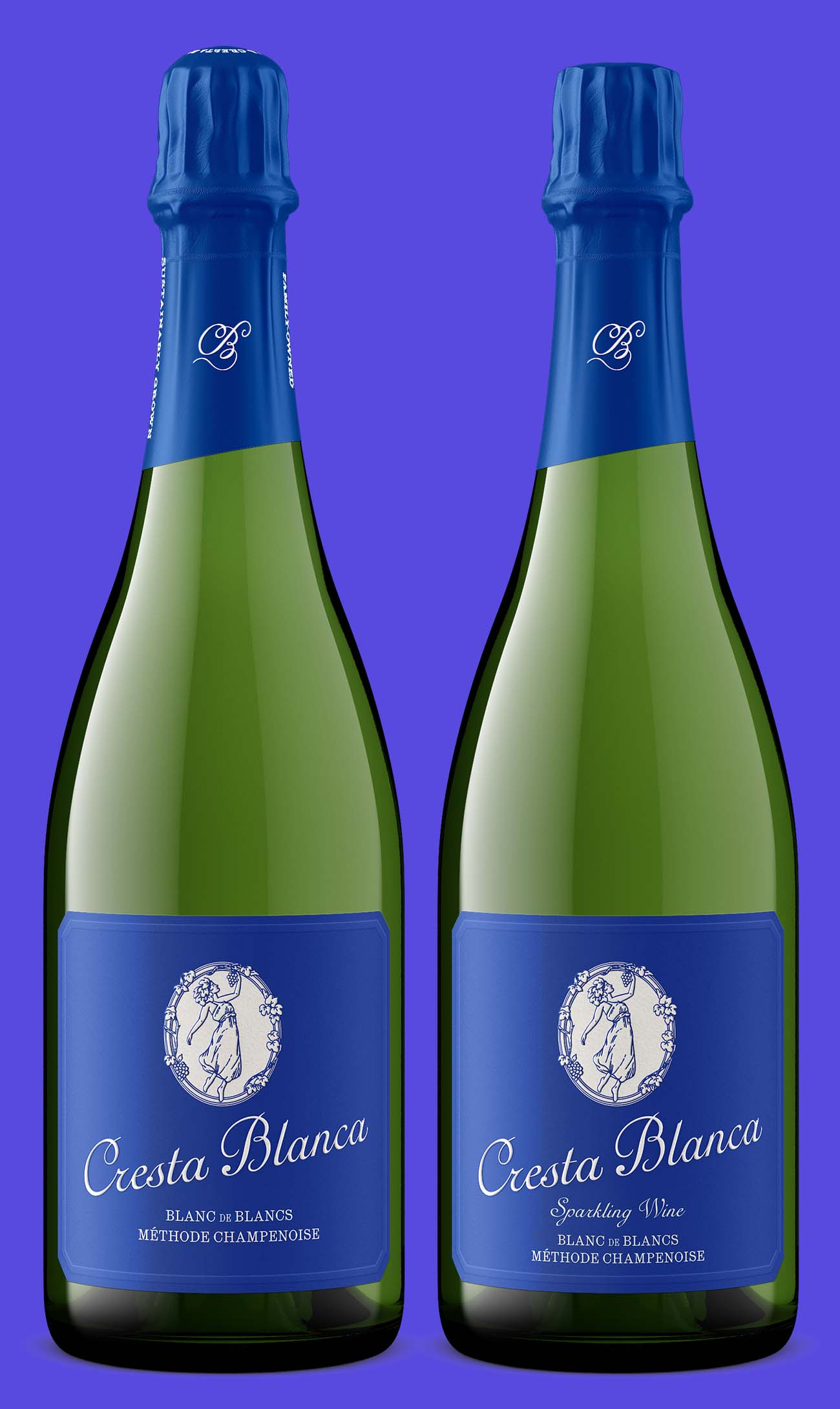
With traditional photography, yes. A new label means a new printed label, a new bottle, and a new shoot. With Studio, no. The 3D model of your packaging already exists, so a label revision is applied to that model rather than rebuilt from scratch.
How fast can the image be updated once the label is final?
Days, not weeks. Because the container model is already built and verified, an updated label is a revision rather than a new production. Exact timing depends on how much changed and where the order sits in the queue.
Do vintage updates cost extra?
No. Free vintage and color updates are included for Studio clients, with no subscription required. A corrected ABV, a new vintage year, or an updated warning statement falls into the same category.
What do you need from us to make the update?
The print-ready label file. That is usually it. The mold number, closure type, and container spec were captured when the model was first built, so an update does not restart the briefing process.
Does Outshinery handle label approval or registration?
No. Outshinery does not approve labels, file paperwork, or interpret regulation. Compliance stays with the winery, the importer, or whoever manages it today. Studio's role starts once the compliant label file exists.