What a $29 bottle shot buys (and what it does not)
What is included in a self-serve Lite bottle shot, where the line sits, and when a Shine Credit is the better spend

A price on a page tells you almost nothing by itself. What matters is where the line sits, what the number covers and what it quietly does not.
So here is the line, drawn plainly.
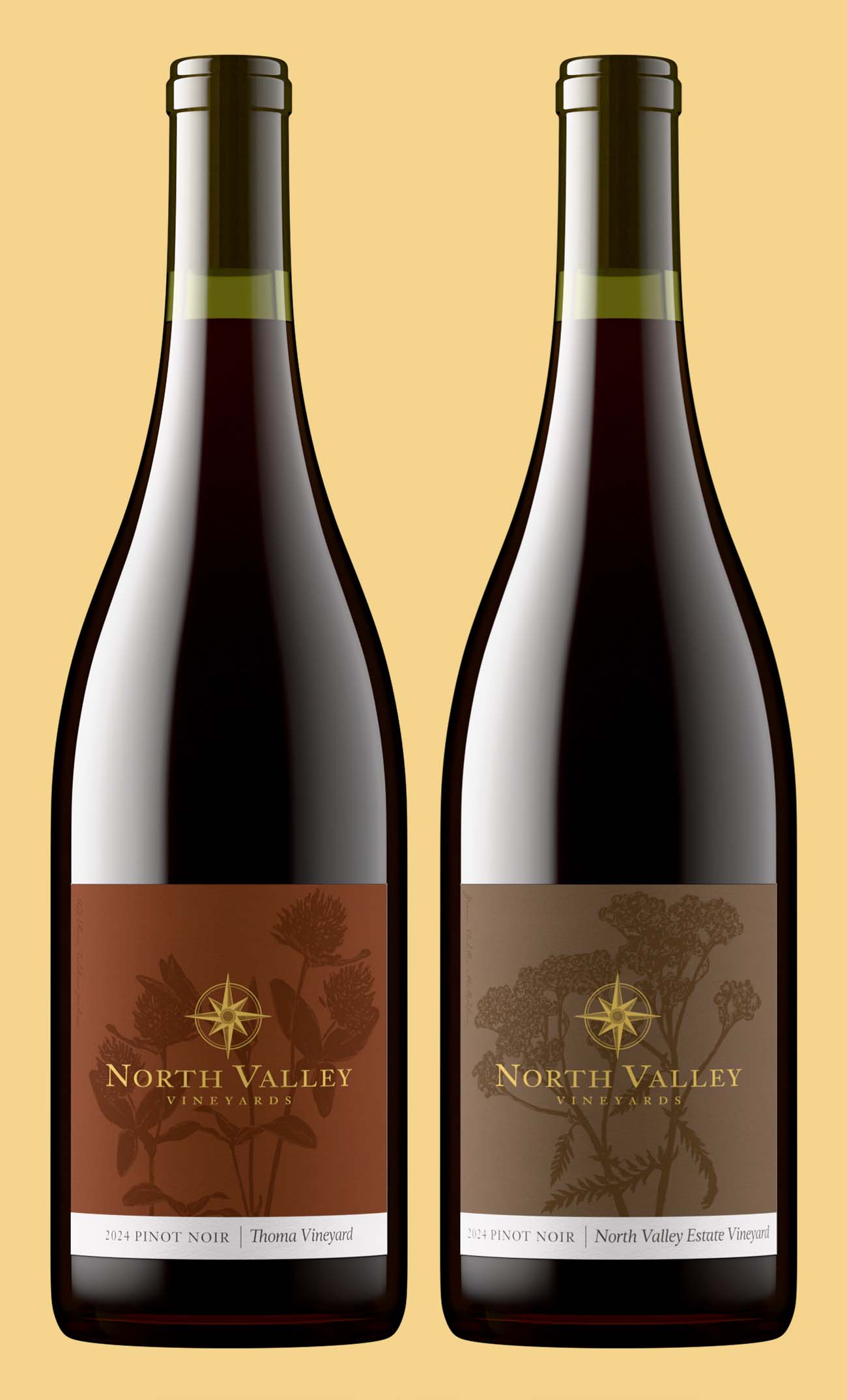
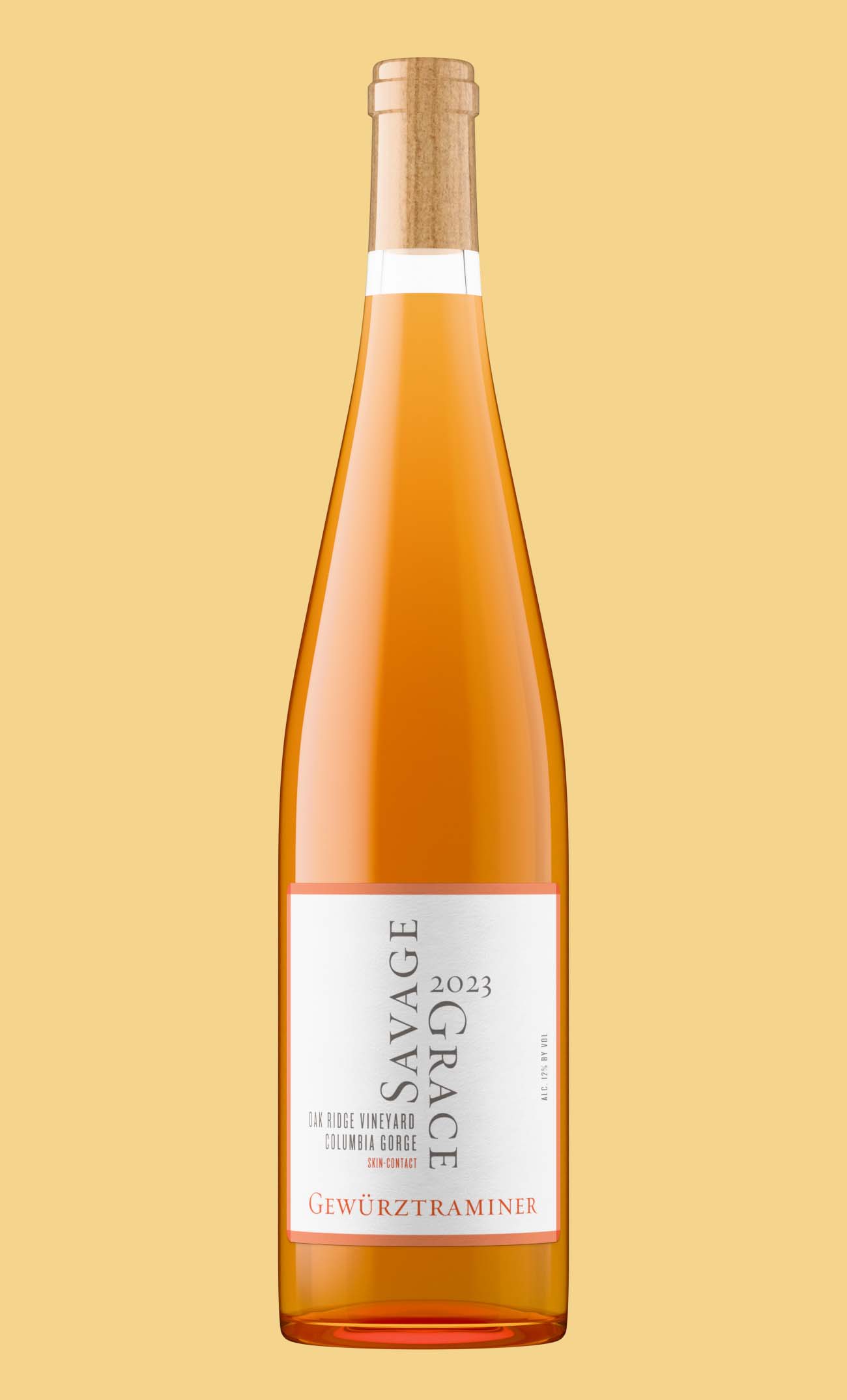
$29 buys one photorealistic bottle shot on Outshinery Lite. You upload your label file, choose your bottle shape, closure, glass color and liquid tone, and the finished image arrives as a transparent-background PNG in under an hour. You pay per order, $29 for your first ten, $23 from the eleventh onward.
Everything below is the detail.
What the $29 includes
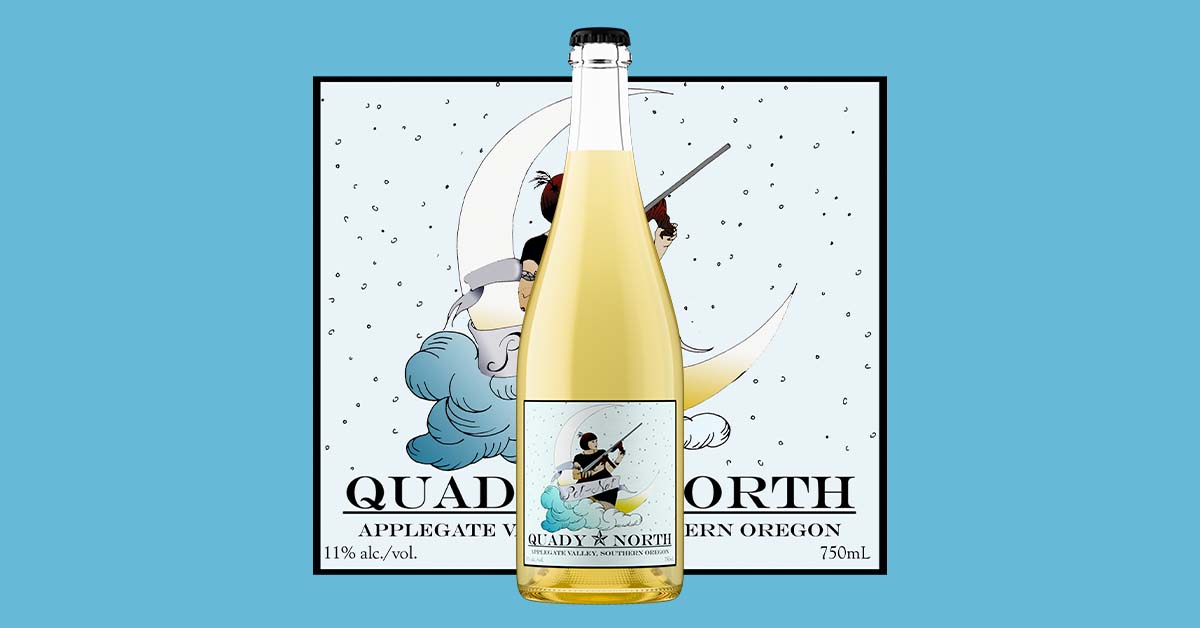
One bottle shot, rendered from your own label file onto the bottle you configured yourself. No sample shipped, no photoshoot booked, no brief written, nobody to wait on.
The delivery spec does not change from order to order:
- A PNG with a transparent background
- 2,160 px on the longest side, 72 DPI
- Delivered in under an hour, often faster
- A download link that does not expire
- Full configuration from the Lite library: bottle shape, closure, glass color, liquid tone, cap and capsule finish
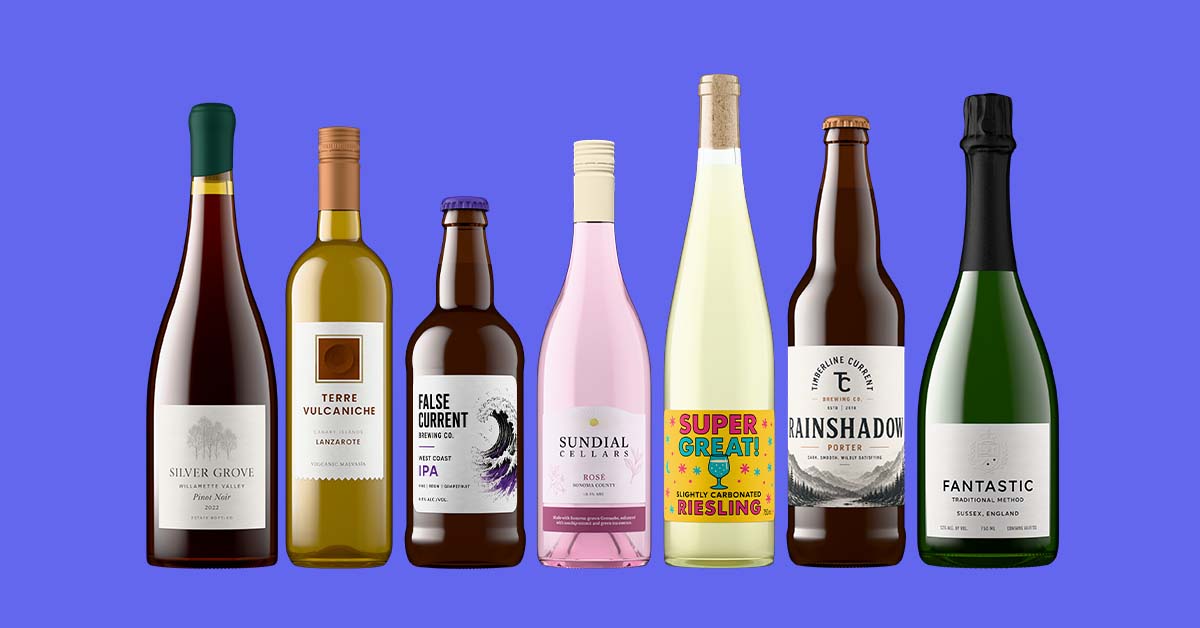
That library runs to more than 15,000,000 configurations. It is the reason your Cabernet does not come back looking like the template three other wineries used the same week.
Payment is per order through Stripe. No subscription, no minimum, no Shine Credits. Shine Credits belong to Outshinery Studio and do not exist in Lite.
The rate drops after your tenth order. Orders one through ten are $29 each, and every order from the eleventh onward is $23. It applies automatically, on your account, with nothing to sign up for.
What the $29 does not include
This is the part most price pages leave out.
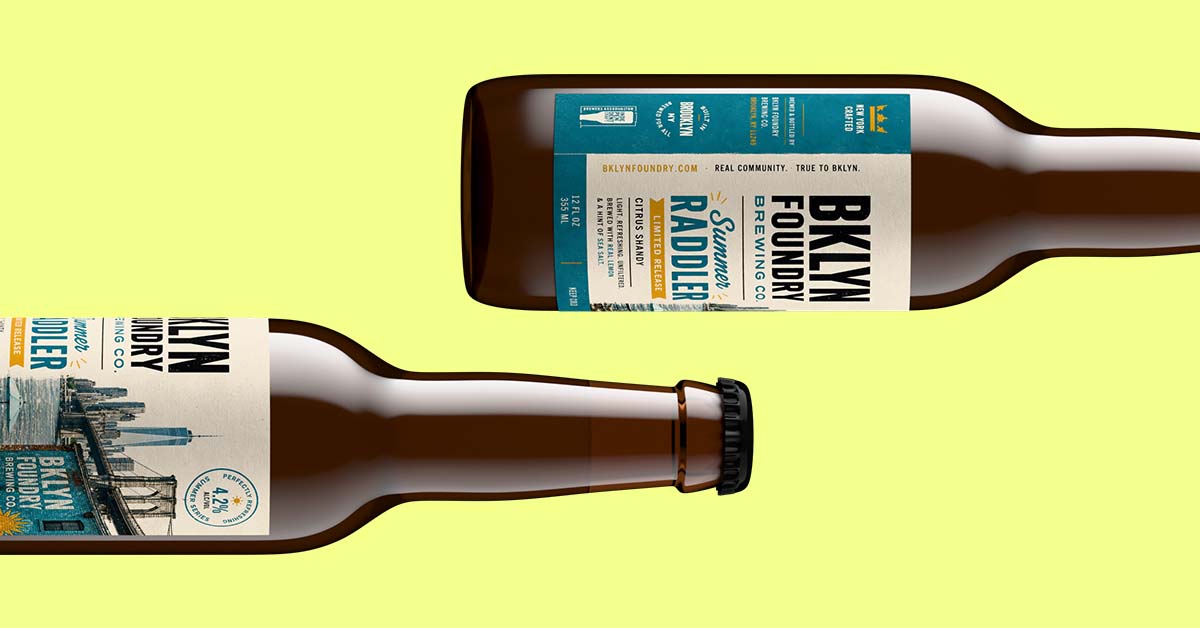
- One view per order. Front, back and side views are each their own order. Shifting the label left or right is how a wraparound design gets covered from every side.
- No revisions. Every new image is a new paid order, unless the error is ours.
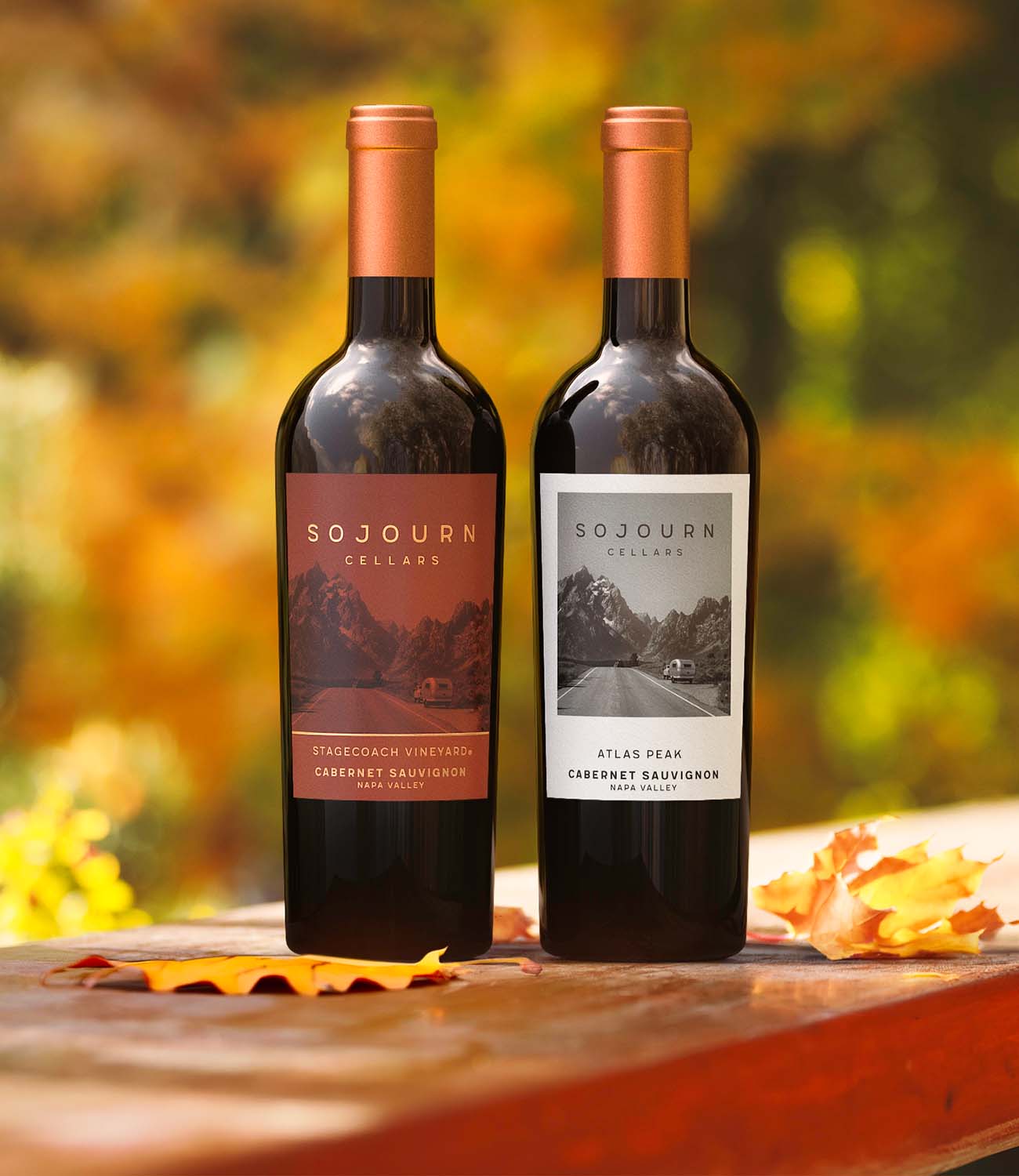
- No dimensional print finishes. Foil, embossing, debossing and textured stocks do not appear. Lite maps flat artwork onto bottle geometry, and flat artwork carries no height.
- No neckers, ribbons or medals.
- No custom glass. If your bottle is not in the library, Lite cannot build it.
- No lifestyle, beauty, recipe, video or point of sale imagery.
- No cans, spirits, sake or cannabis. Wine, cider, beer and other bottled drinks in library shapes.
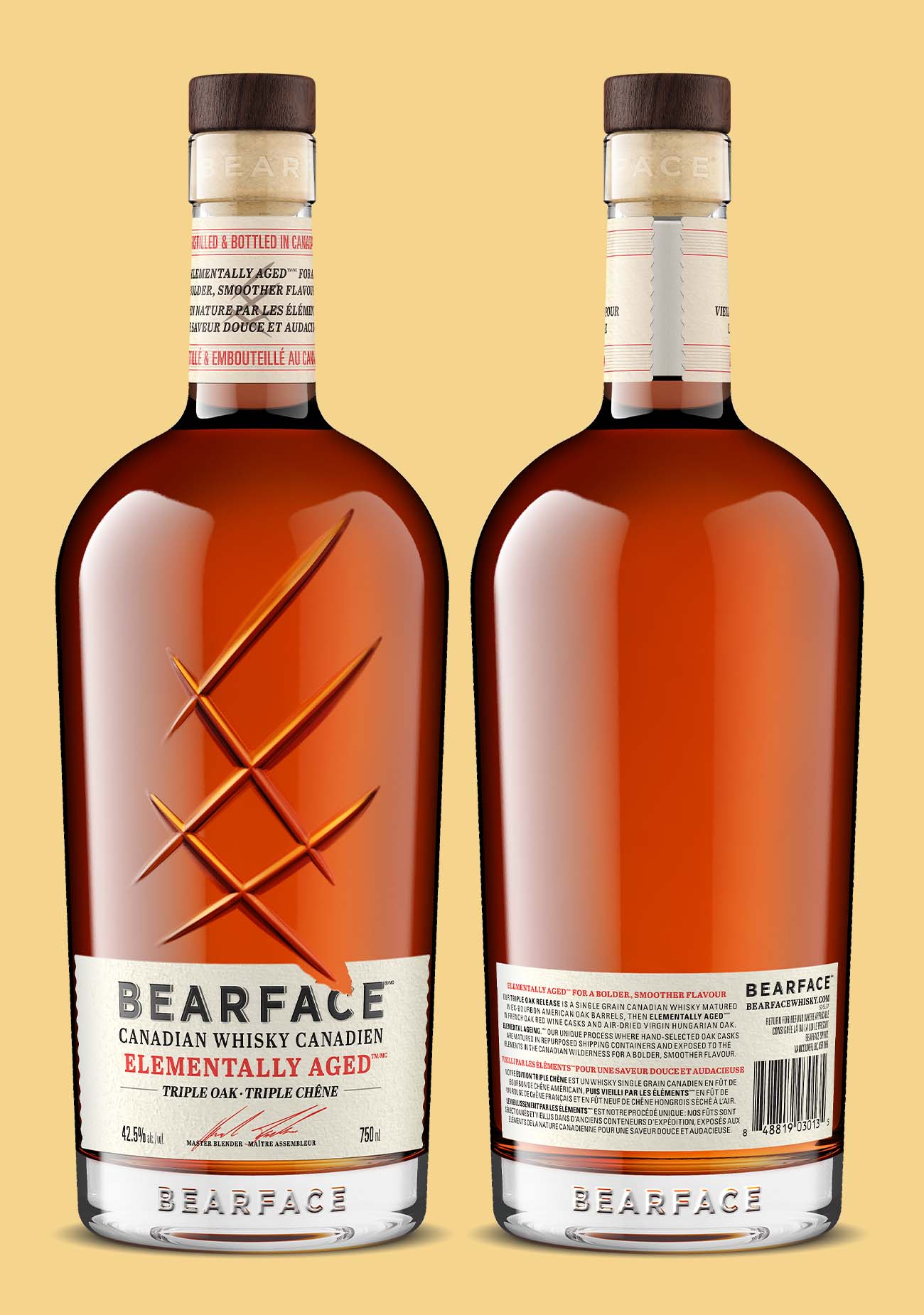
- A vintage or ABV change is a new order. Hold on to that one, it comes back later.
Why the price holds where it does
Constraint is the mechanism here, not a compromise.
Lite runs on the same 3D foundations as Outshinery Studio, scoped to what automation handles reliably. The container library is built and verified in advance. Your label is placed onto a known model, never redrawn, so there is nothing to hallucinate and nothing to patch afterward.
That is why the turnaround is an hour and why the price sits where it sits. Take the prebuilt library away and you are building a model from scratch, which is a different job at a different price.
What a Shine Credit buys instead
Studio is not Lite with more time on the clock. It is a different job.
A Shine Credit is $129 a la carte. On a subscription that rate drops to roughly $95 to $119 per Shine Credit, depending on how many you commit to each year.
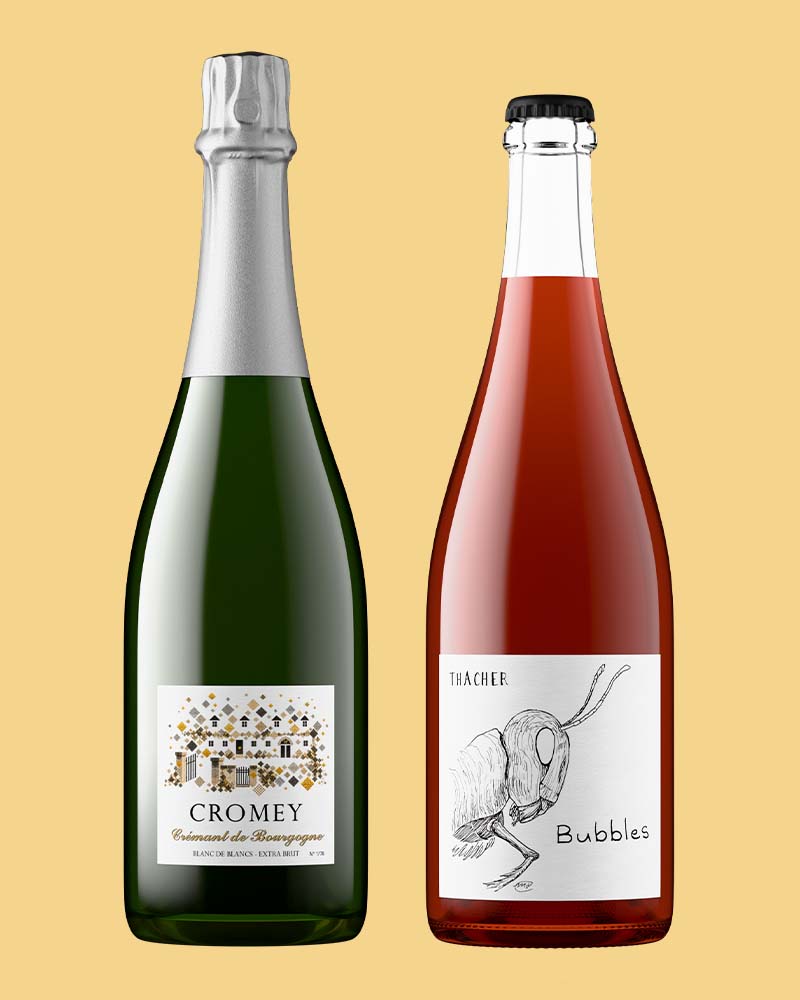
Either way, it buys a trained 3D artist who reads your production file the way a print shop reads it: the foil, the deboss, the varnish, the fill line, the punt.
Alison Sloga, Creative Director at Mark Anthony Group, described the result better than we can: Every little detail we specify is captured, bottle shapes, wine colour, light sources, reflections, punt style, fill line.
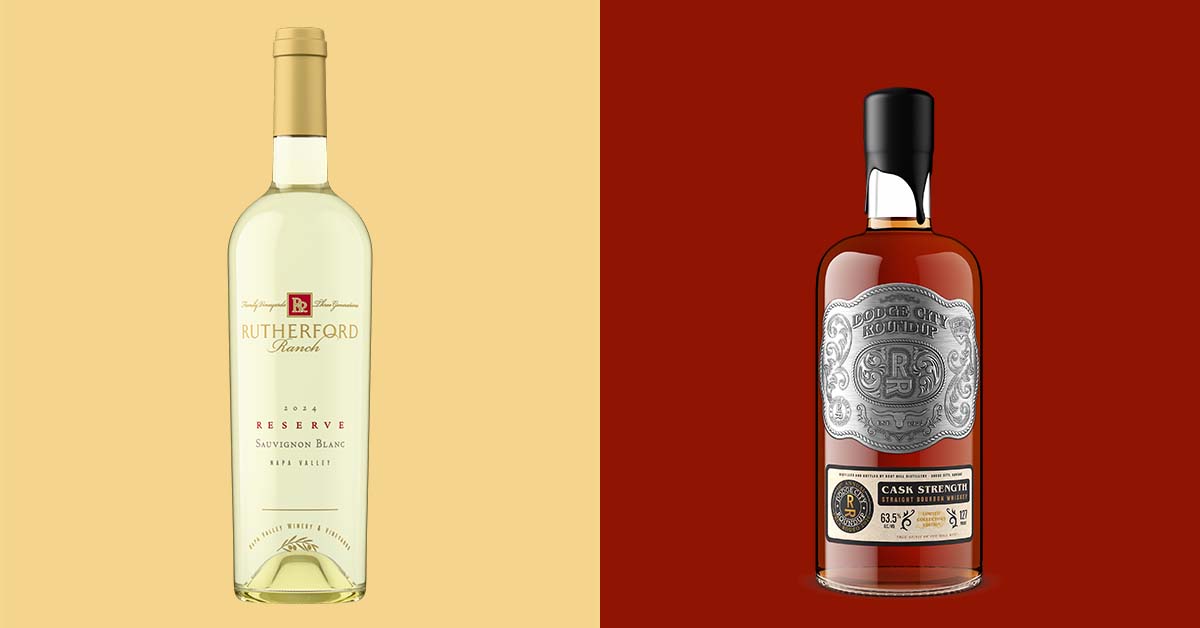
It also covers everything Lite has no mechanism for. Any container, including cans and bag-in-box. Lifestyle images, beauty shots, recipe pairings, video, point of sale displays.
Revisions are included, and the artist keeps working until you approve it. First proof arrives in 3 to 5 business days from a complete brief.
The line that moves is updates
Here is the part a price comparison usually buries. We are putting it in the open.
In Lite, every image is a purchase. A new vintage is a purchase. An ABV correction is a purchase. A second view is a purchase.
In Studio, vintage updates, ABV changes and liquid color corrections are free. Always, on any account, with or without a subscription.
Run a single SKU forward and the two lines cross. Lite is $29 now, then another order every vintage after. Studio is one Shine Credit now, then nothing.
Where they cross depends on which Studio rate you are paying:
- A la carte, $129 per Shine Credit. The lines cross around the sixth vintage.
- Subscription, roughly $95 to $119 per Shine Credit. The lines cross sooner, around the fourth or fifth vintage. Subscriptions need steady volume to earn their keep, so this rate belongs to a portfolio ordering regularly, not to one SKU.
At portfolio scale it looks like this. Eight SKUs, one bottle shot each, refreshed every vintage, over five years. Studio is priced a la carte here, because eight images in a year does not fill a subscription:
- Year 1, eight bottle shots. Lite $232. Studio $1,032.
- Year 2, vintage refresh. Lite $196. Studio free.
- Years 3 to 5, vintage refresh. Lite $552. Studio free.
- Five-year total. Lite $980. Studio $1,032.
Across five vintages the two land about fifty dollars apart, and the Studio column also covered foil, embossing, revisions and every view.
A brand ordering enough to hold a subscription gets there sooner still. The Shine Credit rate falls and the free updates stay free.
Lite's price per image is lower and stays lower. Lite's total cost is not automatically lower. Those are two different questions, and the answer turns on how often your labels change.
Both prices are right for the job each one does.
Figures assume one bottle shot per SKU. Scene complexity determines how many Shine Credits a Studio image takes. Lite loyalty pricing starts from the eleventh order, which lands mid-year-two at this volume.
Which one fits your next order
Work down the list and stop at the first line that describes you.
- Standard bottle in the library, flat-printed label, one view, needed today. That is Lite.
- Foil, embossing, debossing, texture or custom glass. That is Studio.
- A can, spirits, sake or cannabis. Studio.
- Lifestyle, video, point of sale or any built scene. Studio.
- A portfolio that refreshes every vintage. Run the update math above before you decide.
Most small producers start in Lite because their next order is a single bottle shot of a standard bottle, due this week. That is the job Lite was built for.
If you want the comparison laid out side by side, see Lite vs Studio, or get a volume estimate from find your plan. For how these prices compare with hiring a photographer, see what product photography costs.
Frequently asked questions
What does a $29 bottle shot include?
One photorealistic bottle shot in the view you choose, built from the label file you upload and the bottle shape, closure, glass color and liquid tone you select. It is delivered as a transparent-background PNG, 2,160 px on the longest side, in under an hour.
Is $29 per image or per SKU?
Per image. One order produces one image in one view. A second view or a different bottle configuration is a separate order at the same rate.
Does the price drop if I order more?
Yes. Your first ten Lite orders are $29 each, and every order from the eleventh onward is $23. The lower rate applies automatically to your account and does not require a subscription or a minimum commitment.
Can I get more than one view of my bottle?
Yes. Lite produces front, back and side views, and shifting the label left or right is how a wraparound design gets covered from every side. Each view is a separate $29 order, placed the same way as the first.
Can I ask for changes to a Lite image?
Not as a revision. Lite output is determined by the inputs you select, so a change means a new order. The exception is an error on our side, which we fix at no cost.
How much does a Studio image cost?
Studio is priced in Shine Credits. One Shine Credit is $129 a la carte, or roughly $95 to $119 on a subscription depending on annual volume. A standard bottle shot takes one Shine Credit, and scene complexity determines how many a more involved image takes.
Why does Studio cost more per image?
A Shine Credit pays for a trained 3D artist to build the image to your production file, including finishes automation cannot read, plus revisions until you approve it. Vintage and ABV updates are then free for as long as you need them.
Does Lite handle foil or embossing?
No. Lite applies flat artwork to bottle geometry, and dimensional finishes need a specialist to interpret the production file. Labels with foil, embossing, debossing or texture go to Studio.
What file do I need to upload?
A high-resolution PNG of your flat label art with transparent areas and no baked-in shadows. Lite does not need the vector production file that Studio requires.