Instant bottle shots: what an hour actually gets you
What instant actually means, the two conditions that make it work, and when to hand the job to a person instead.

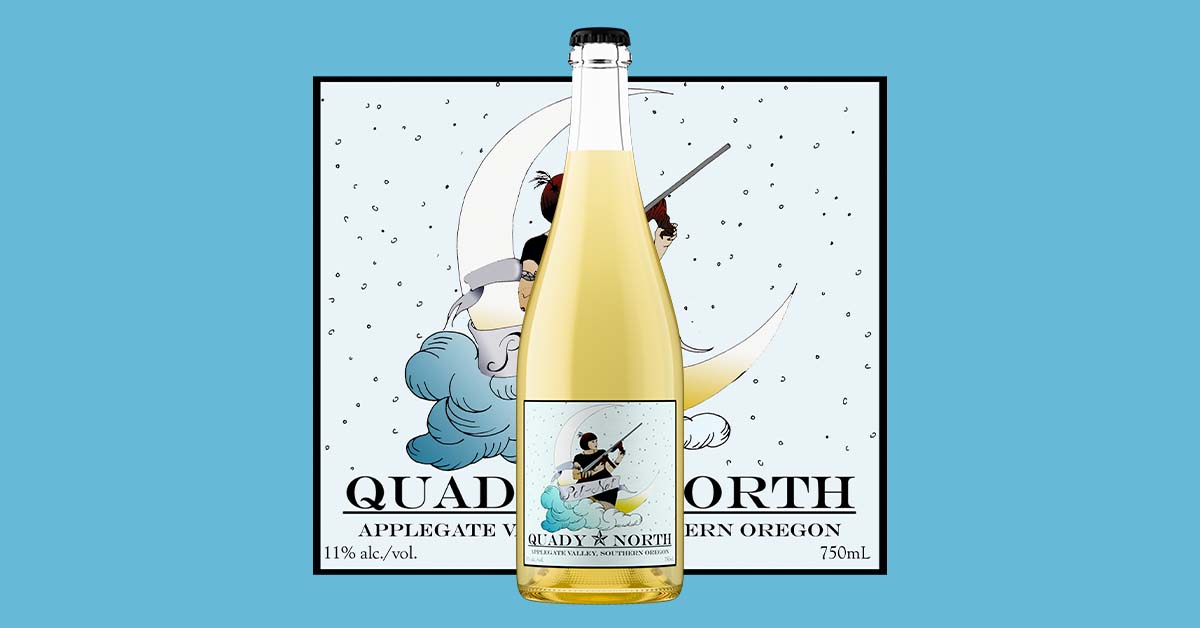
Your distributor wants images by Friday. The label was approved Tuesday, the wine is still in tank, and the photographer you used last year is booked until after the holidays.
This is how a phone photo ends up on a product page. Or worse, how a listing goes live with no product image at all, which is one of the fastest ways to lose a sale you had already won.
The search for instant bottle shots almost always starts with a deadline, not a wishlist. So it is worth being precise about what instant can and cannot mean.
What instant bottle shots actually means
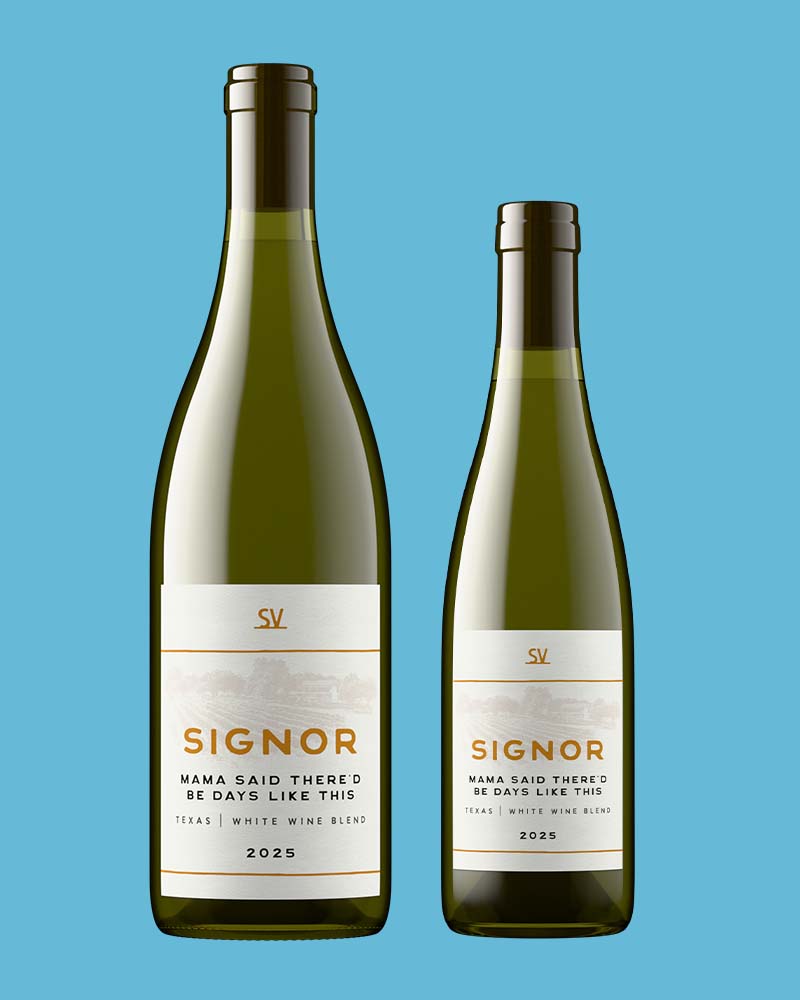
An instant bottle shot is a photorealistic product image built from your label file, with no camera, no physical bottle, and no booking. The image is rendered in a virtual studio rather than photographed on a set.
In practice, instant means under an hour. Not a second, and not a same-day promise that quietly means tomorrow.
The honest version is still a change in kind. The unit of time moved from weeks to an hour, which is enough to change when you start planning a release.
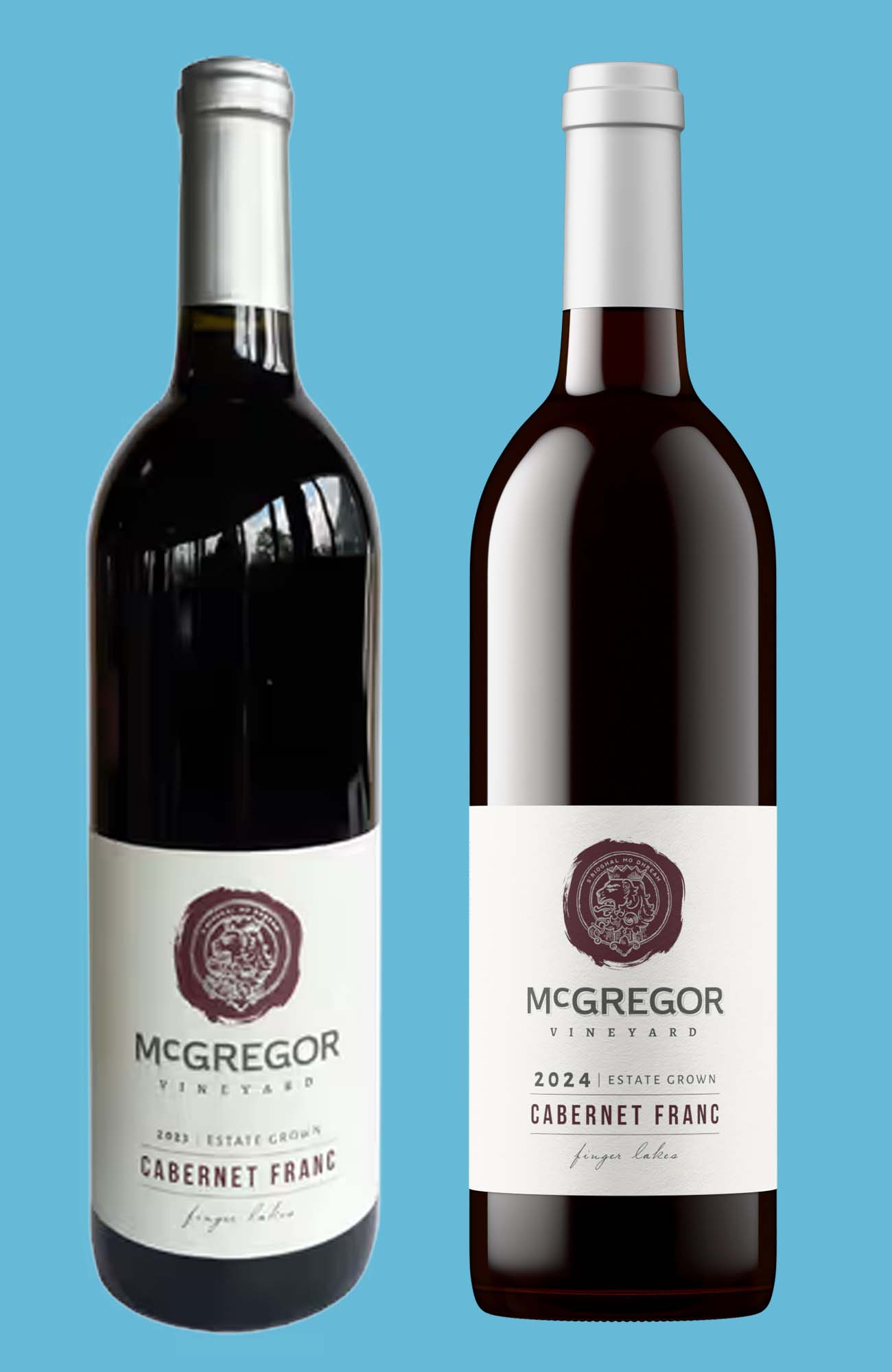
Why a traditional shoot cannot be instant
The camera is not the slow part. Everything scheduled around it is.
A conventional bottle shoot runs in sequence, and every step has a queue in front of it.
- Booking: you wait for an opening in a photographer's calendar, and those openings get scarce in the run-up to harvest and the holidays.
- Shipping: physical bottles travel to the studio, with the packing, cost, and breakage risk that implies.
- Shooting: glass is one of the hardest subjects to light, so the session takes longer than the shot list suggests.
- Retouching: labels get straightened, reflections get cleaned, and the fill line gets corrected.
- Delivery and revisions: every round of feedback restarts the last two steps.
No single step here is unreasonable. Stacked, they are why a bottle shot has always been measured in weeks.
Change one input and most of that disappears. Remove the physical bottle, and the booking, the shipping, and the session go with it.
Two things that have to be true
Instant works inside a specific set of conditions. Here they are, plainly, so you can tell in thirty seconds whether this applies to you.
- A label file the system can read: a high-resolution PNG of your flat label art with a transparent background, cut to the die line, so everything around the label that does not print is transparent.
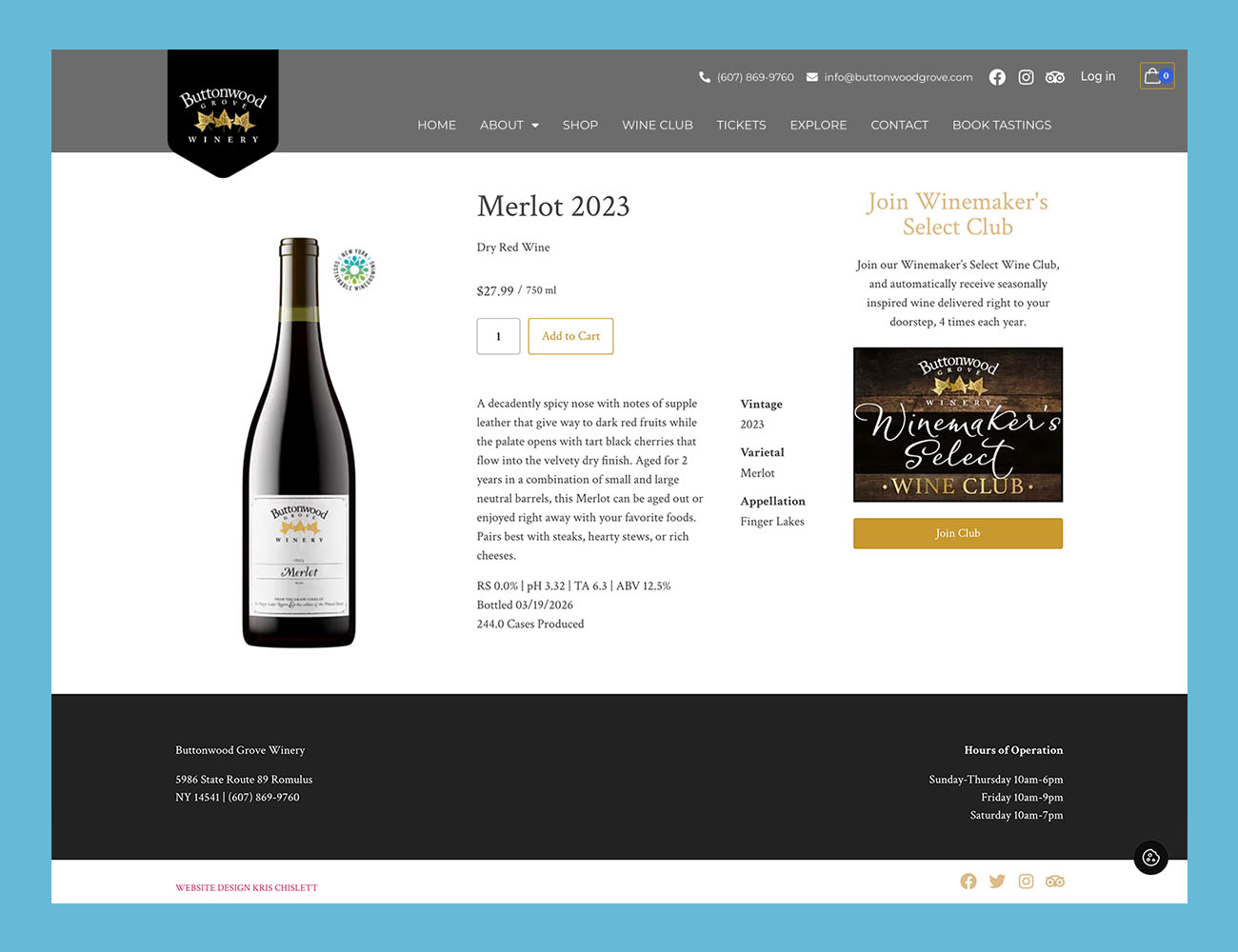
- A bottle and closure already in the Lite container library: standard wine, cider, beer, and glass-bottle RTD shapes. Browse it before you order to confirm your mold is there.
Note the file is the opposite of what a traditional 3D brief asks for. No shadows, no lighting, and no curved perspective baked in, because the system wraps the label around the bottle itself.
Most producers do not have that file sitting on their desktop, and that is expected. Send whatever you do have, a flat JPEG, an export from your designer, even a printer proof, and free label prep will build the die-cut PNG for you.
Label prep is a manual step, so it runs on its own timeline rather than the automated hour: the finished file comes back by email within 2 business days. It costs nothing, and it only has to happen once per label.
What six SKUs actually cost
Numbers make the trade-off concrete. The scenario below is illustrative, built on published list rates rather than a specific client.
Take a producer with six current releases, refreshing imagery once a year for the new vintage.
- Traditional photography, illustrative: six images at the US average of roughly $150 per finished image comes to about $900, before you ship a single sample.
- Self-serve rendering, illustrative: six images at $29 each comes to $174, with nothing shipped and nothing scheduled.
- Elapsed time, the part that rarely gets counted: one path is measured in weeks, the other in an afternoon.
Cost is the argument that gets attention. Timing is the argument that changes how you plan a release.
Both figures are list rates for comparison, not a quote. A fuller breakdown across photography, templates, and rendering is in our guide to what product photography costs.
Speed is only useful when it lands on the right kind of packaging. The next section is the part most tools leave out.
When instant is the wrong call
Some packaging should never go through a configurator, and saying so plainly is part of being useful.
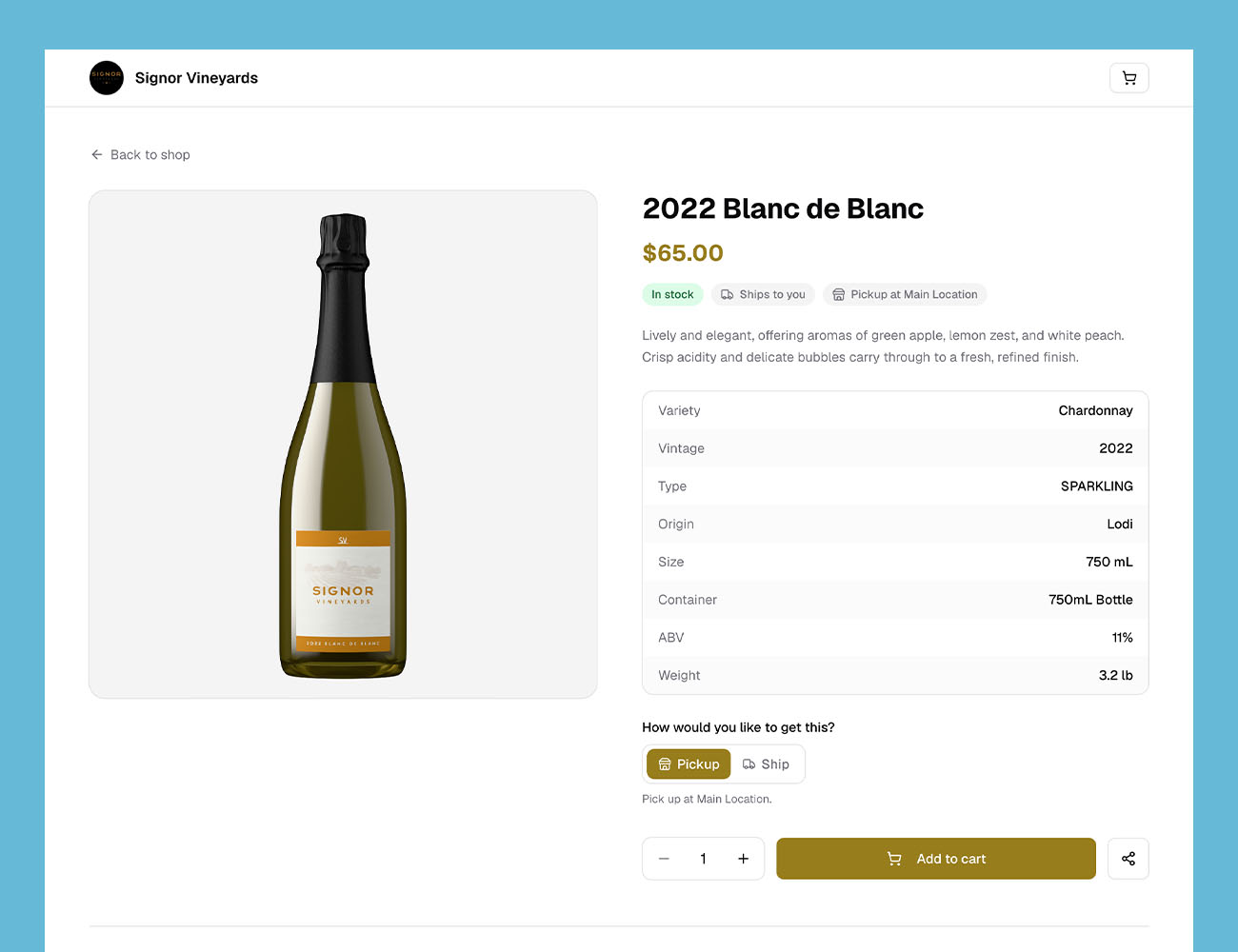
Foil, embossing, debossing, and metallic finishes need a trained artist who can build how light behaves across those surfaces. So does anything in a can, and any bottle shape outside the library.
Spirits, sake, and cannabis packaging route the same way, along with custom scenes, portfolio lineups, and point-of-sale displays.
The container decides the path, not the beverage.
That work runs through Outshinery Studio, where a 3D artist builds your packaging as a digital twin. Studio orders deliver a first proof in 3 to 5 business days from a complete brief.
It is a different product doing a different job, not a slower version of the same one.
What to have ready before you start
Most of the hour people lose is spent hunting for a label file, not waiting on a render.
Your designer has the flat label art. Your glass supplier knows your exact mold. Ten minutes of gathering beats a restarted order.
One label file, one hour
Outshinery Lite is the self-serve path. Upload your label, pick your shape and closure, choose glass color and liquid, pay $29, and download a photorealistic PNG in under an hour.
Pricing drops to $23 per image after your first ten orders. No subscription, no minimum, no account manager.
It holds up because every shape in the library is a verified 3D model of a real bottle, part of a system carrying over 15,000,000 unique bottle configurations.
Outshinery Studio covers what the library does not: complex print finishes, cans, custom scenes, and enterprise volume, with a specialist on every image.
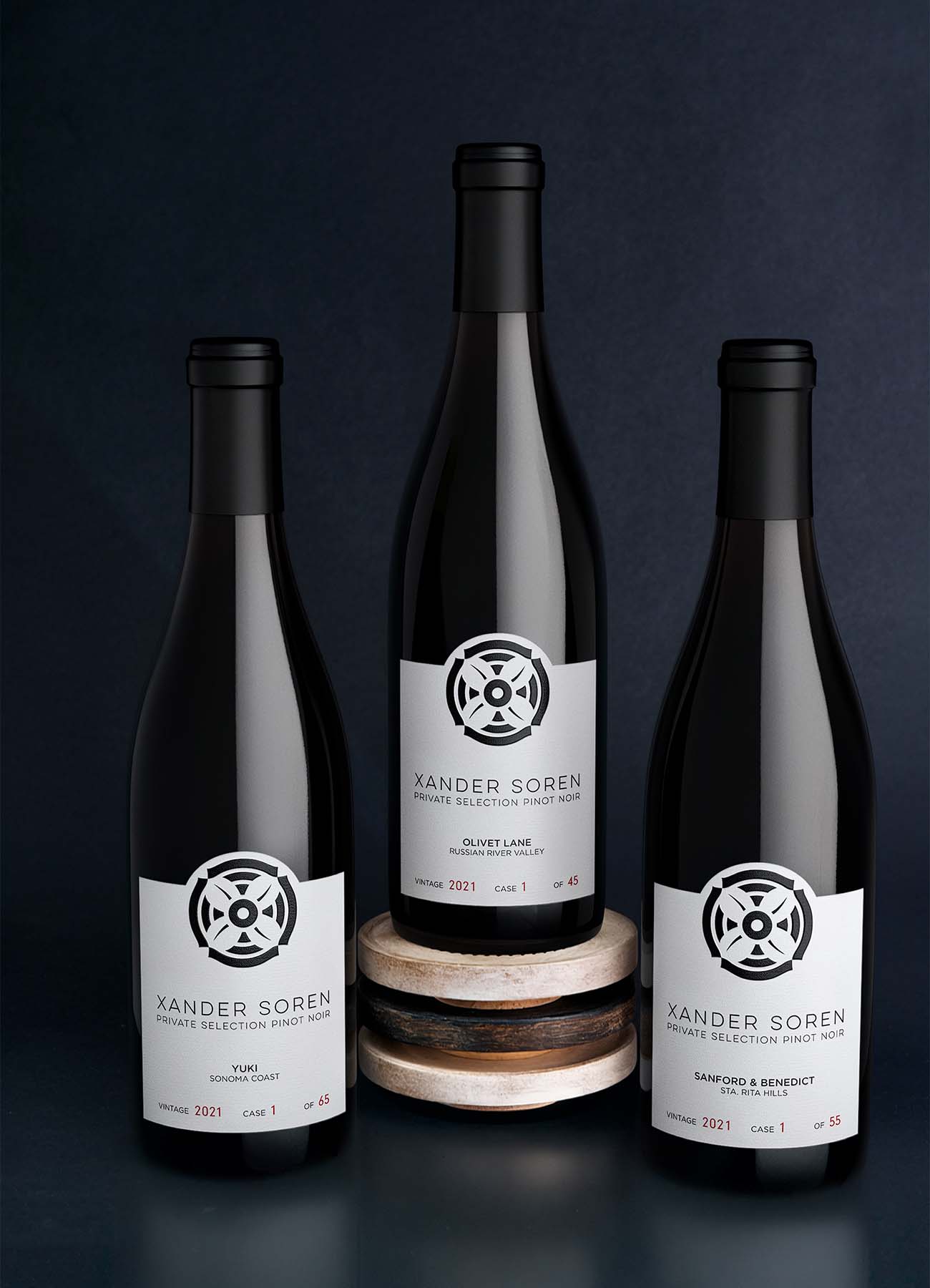
Both paths start from the same thing. The label file you already have.
Your next release needs an image either way. What changes is whether that image sets your timeline or fits inside it.
Frequently asked questions
What are instant bottle shots?
An instant bottle shot is a photorealistic product image generated from a label file rather than photographed. Outshinery Lite delivers one as a transparent-background PNG in under an hour for $29, with no physical sample and no booking involved.
Where can I get professional wine bottle shots fast?
Outshinery Lite is built for exactly this: professional product shots for wine labels and bottles, rendered from your label file in under an hour for $29 per image, dropping to $23 after ten orders. If your label carries foil, embossing, or other print finishes, Outshinery Studio handles it with a 3D artist, with a first proof in 3 to 5 business days from a complete brief.
How fast can I actually get a bottle shot?
Under an hour through Outshinery Lite, from label upload to download. Studio projects deliver a first proof in 3 to 5 business days from a complete brief.
What file do I need for an instant bottle shot?
A high-resolution PNG of your flat label art with a transparent background, cut to the die line, with no shadows or curved perspective baked in. If you only have a JPEG, a designer export, or a printer proof, Outshinery Lite includes free label prep and will email the file back within 2 business days. Studio is the opposite: it works from the vector production files your printer uses.
Can I use instant bottle shots on retailer listings?
Yes. Outshinery Lite delivers a transparent-background PNG at 2,160 pixels on the longest side, which meets the resolution and clean-background requirements of major marketplaces and retail portals, and lets you composite any background a channel demands.
The pre-order label checklist
- Label file: high-resolution PNG of the flat art, transparent to the die line, no shadows or perspective baked in (free label prep will make it if you do not have it)
- Bottle shape: your exact glass mold confirmed with your supplier, not just "Bordeaux" or "Burgundy"
- Closure: cork, screwcap, tin cap, wax dip, or sparkling hood, matching what actually goes on the bottle
- Glass color: flint, antique green, dead leaf, or whatever your glass supplier calls it on the spec sheet
- Liquid shade: the color of what is inside, which shows through everything but the darkest glass
- Print finishes: if foil, embossing, or debossing appears anywhere on the label, route to Studio instead
Ten minutes with your designer and your glass supplier is the difference between an hour and a restarted order.