Meet Outshinery Lite: bottle shots for wine, beer, and cider in under an hour
Your everyday imagery, from a label file. No samples, no shoot, no waiting.
Picture this. You finished bottling last week, your distributor needs product shots by tomorrow morning, three SKUs on your site are still showing a gray placeholder, and sales keeps asking for something they can drop into a sell sheet.
None of that needs a campaign. It needs clean, accurate bottle shots, and it needs them today.
That is what Outshinery Lite does. Upload a label file, pick your bottle and closure, and a photorealistic image lands in under an hour for $29.
What Lite covers
Lite is container-first. If your drink comes in a glass bottle from the Lite library and your label prints flat, Lite can shoot it.
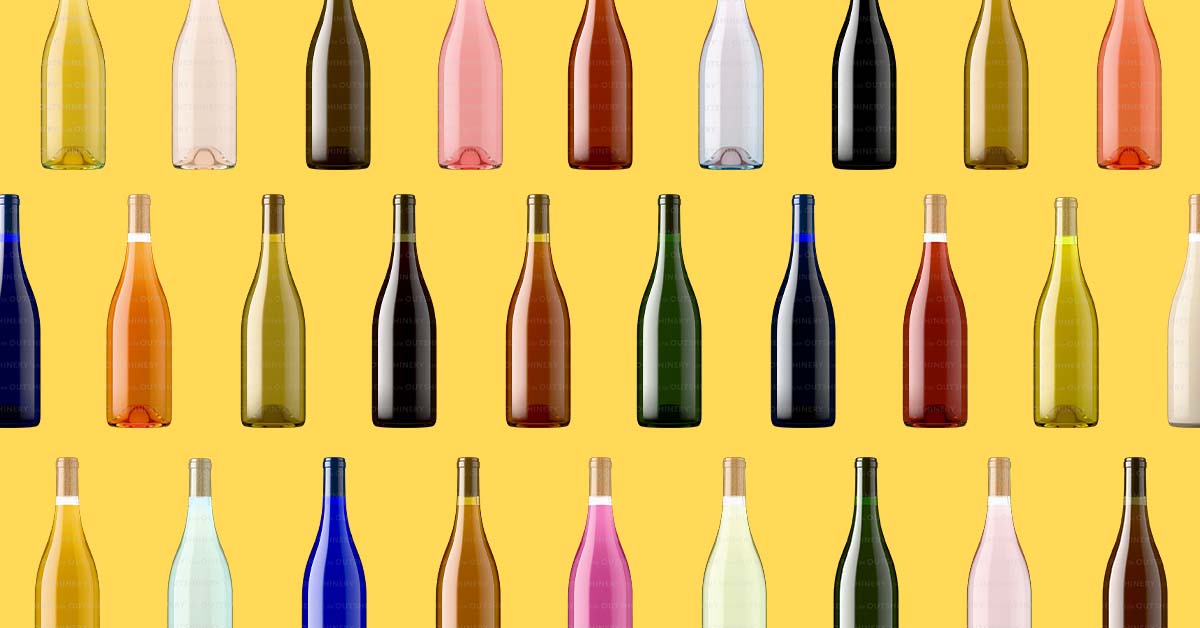
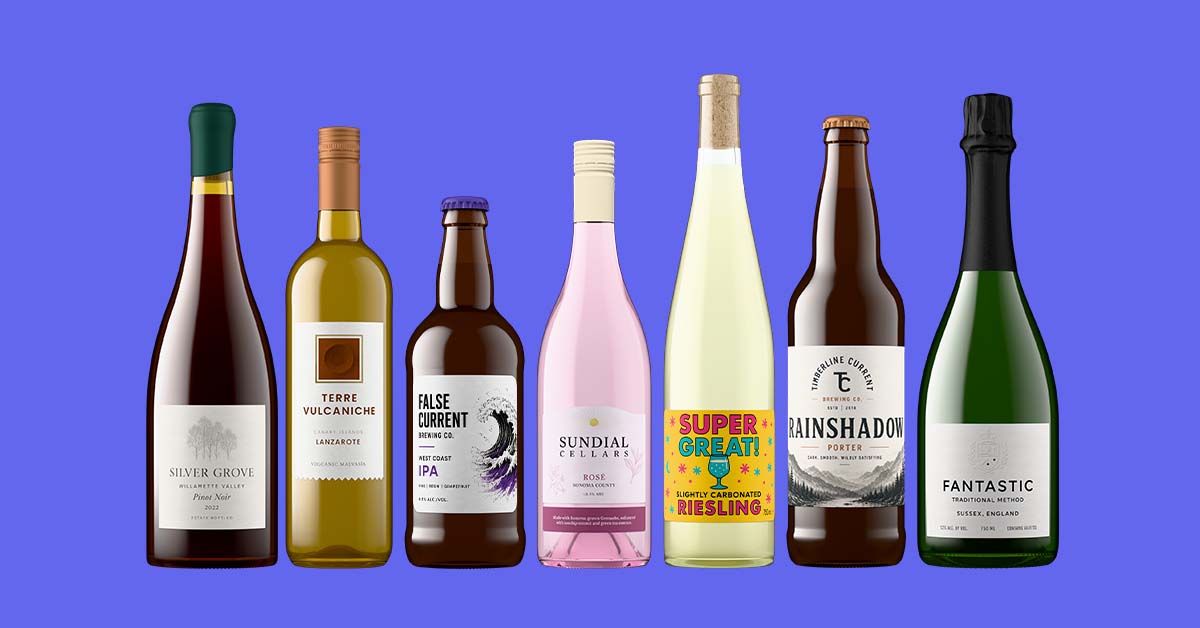
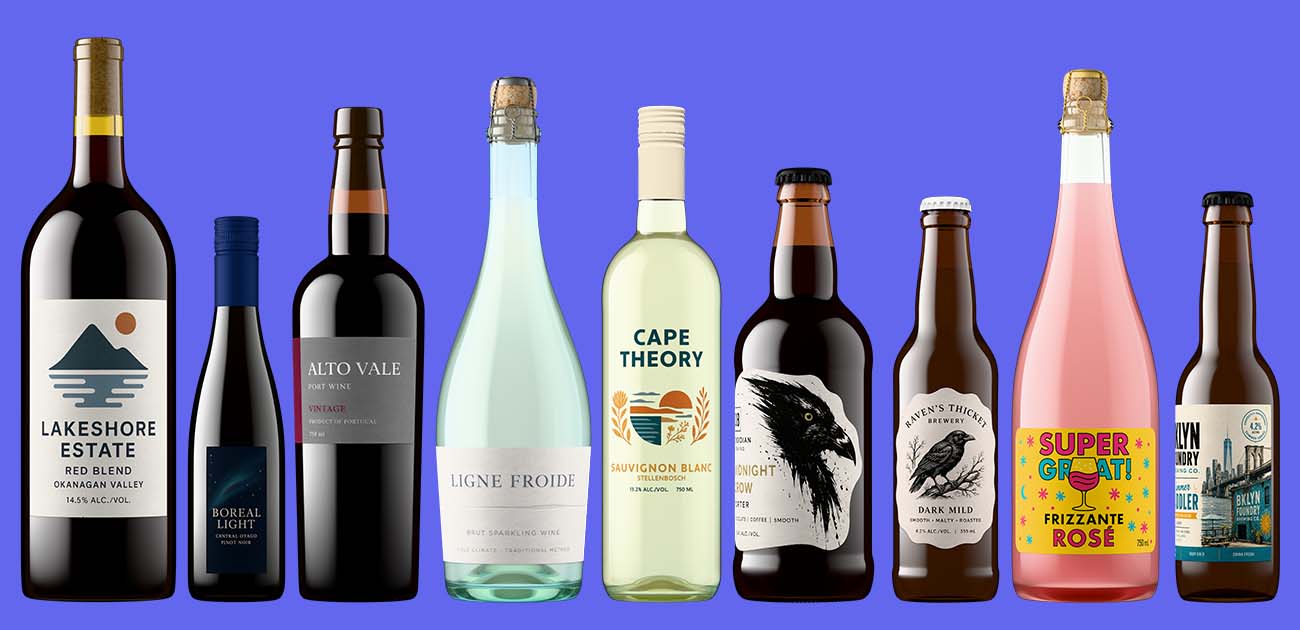
Wine and cider. 375ml, 750ml, and magnum, including the specialty shapes most libraries skip: port, icewine, and more.
Beer. Ten shapes running 330ml to 750ml, live since July 2026. Heritage, Commander, Pilsner, Classic Longneck, Export, and Belgian. Crown cap across the range, with cork and cage available on the Heritage 25oz and the Belgian 750ml.
Anything else in those bottles. Kombucha, hard tea, botanical drinks, mixers. The bottle decides, not the beverage.
Closures run from screwcap and Stelvin Lux to natural cork, shrink capsule, short tin cap, wax dip, and sparkling hoods with cage and muselet. Glass colors, liquid shades, and cap finishes multiply out to more than 15,000,000 configurations in the Lite library.
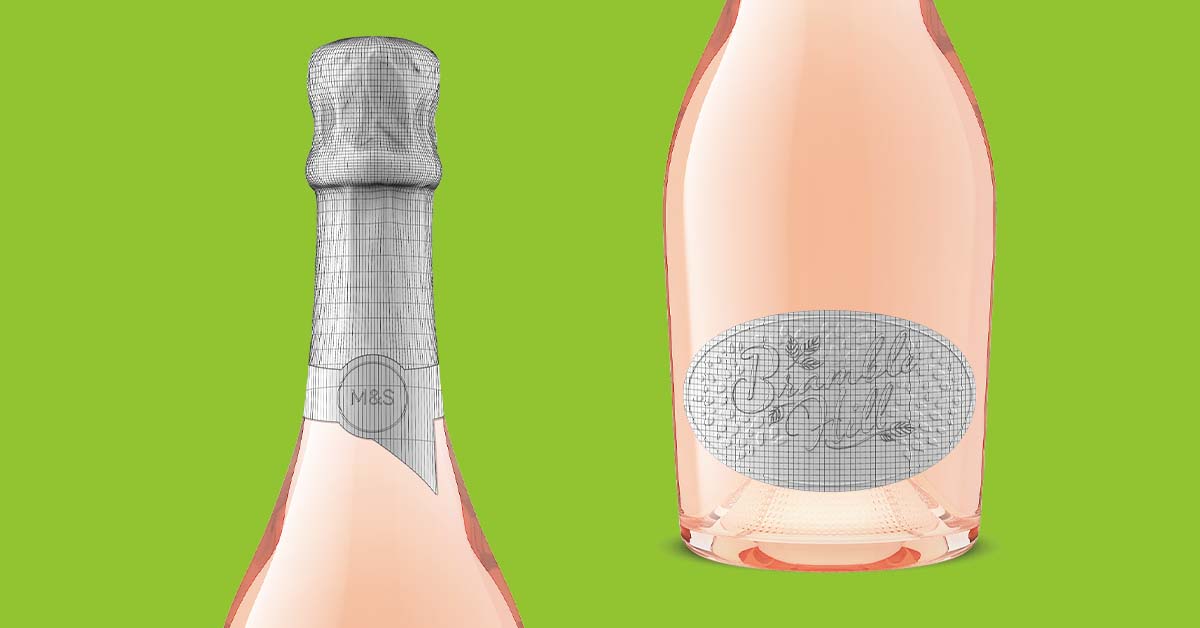
What Lite does not do. No cans, and no cannabis. Past that, the limit is the container library rather than what is in the bottle. Whiskey, gin, vodka, tequila, and sake bottles are not shapes Lite carries, so those go to Studio, and so does any bottle outside the library. A liqueur that happens to use a shape Lite already has, a coffee liqueur in an icewine bottle, works fine. Labels with heavy embossing, debossing, foil, or metallic finish also go to Studio, because those need a trained artist reading the print spec, not an automated pass. Saying so up front is cheaper than a render that disappoints you.
Under an hour, from a file
Submit your configuration and the image is back before your next meeting. Not days. Not a scheduling call.
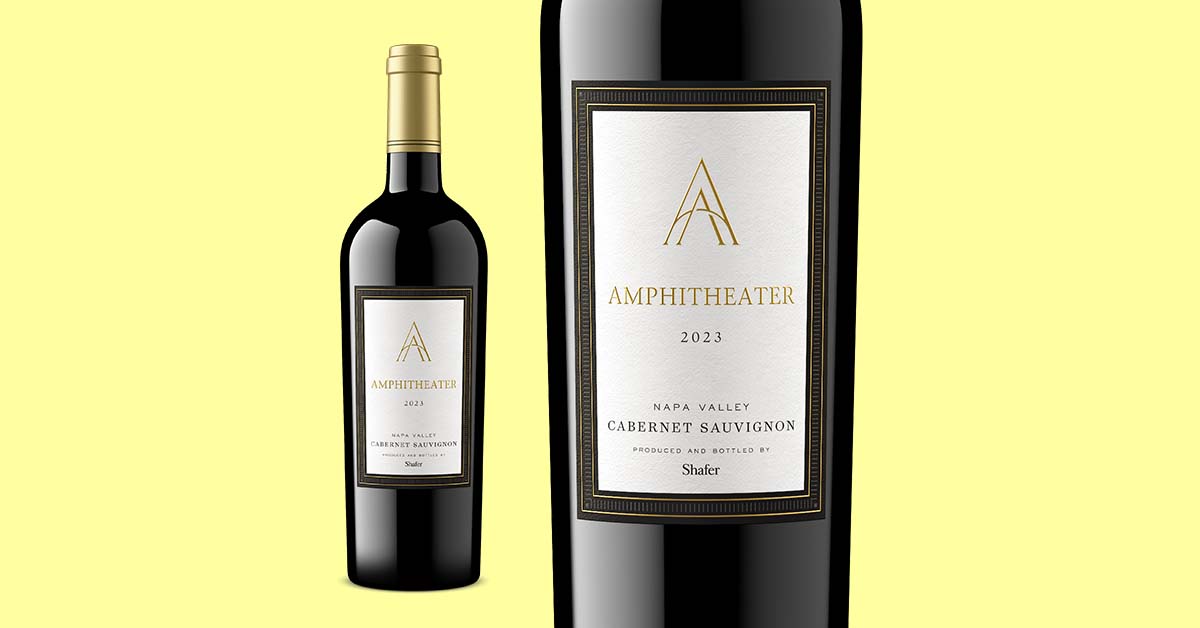
Every file comes back at 2,160 pixels on the longest side, transparent background PNG, ready for a product listing, a sell sheet, or a retailer's spec without a round of retouching.
What it costs, including the part most people miss
$29 per image. After your first ten orders, every image after that is $23.
That second number matters if you are working through a portfolio rather than a single release. Twenty SKUs is not twenty times $29. No subscription, no minimum order, no setup fee.
For comparison, commissioning a photographer typically runs $100 to $300 per image once production costs are counted, and that is before you ship a bottle. Here is what $29 actually buys.
There is also a referral. Send Lite to someone and they get 50% off their first order, while you get $15 off every time a referral converts, with no cap.

Consistency you do not have to manage
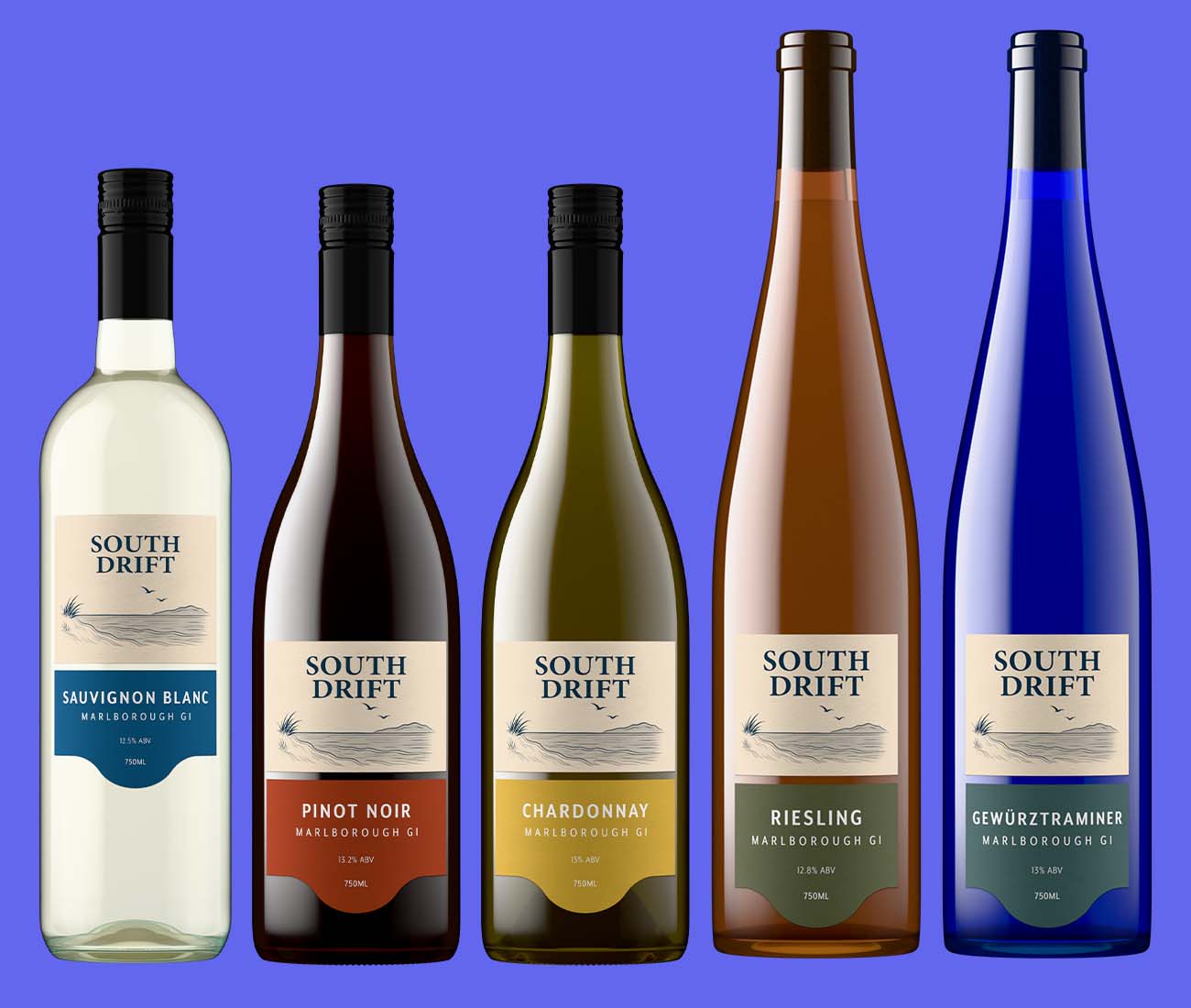
Inside Lite the camera never moves. That is the whole reason a shot you order today sits next to one you ordered in March without a visible jump in angle, lighting, or scale.
This is the fix for the portfolio that grew one photographer at a time: a Riesling shot in 2023, a Pinot shot by someone else in 2024, a seasonal release someone photographed on a phone. Order them again through Lite and the lineup finally looks like one brand.
Where Studio picks up
Lite is not a cheaper Studio. The two products do different jobs.
Studio is human-led. Trained 3D artists build and render each image, which is what complex packaging, specialty finishes, custom scenes, POS displays, and enterprise volume require. Use it for the flagship release, the limited edition, the lifestyle campaign, the can, and any bottle Lite does not carry.
Lite is automated and self-serve. Use it for e-commerce listings, distributor sell sheets, catalog gaps, vintage updates, and the everyday SKUs that simply need to look right.
Most brands end up using both, and the Lite vs Studio comparison lays out the routing in full.

What better imagery has done
King Family Vineyards saw a 4x increase in sales after moving to Outshinery imagery, and cut their photography costs by 55% across the portfolio. That work was Studio, not Lite, but the mechanism is the same one Lite puts within reach of every SKU you own: a product image accurate enough that a buyer stops scrolling.
Getting started
Pick a shape. Choose a closure. Upload your label. That really is all of it.
Back labels work the same way. Submit a second order on the same bottle configuration and upload the back artwork.
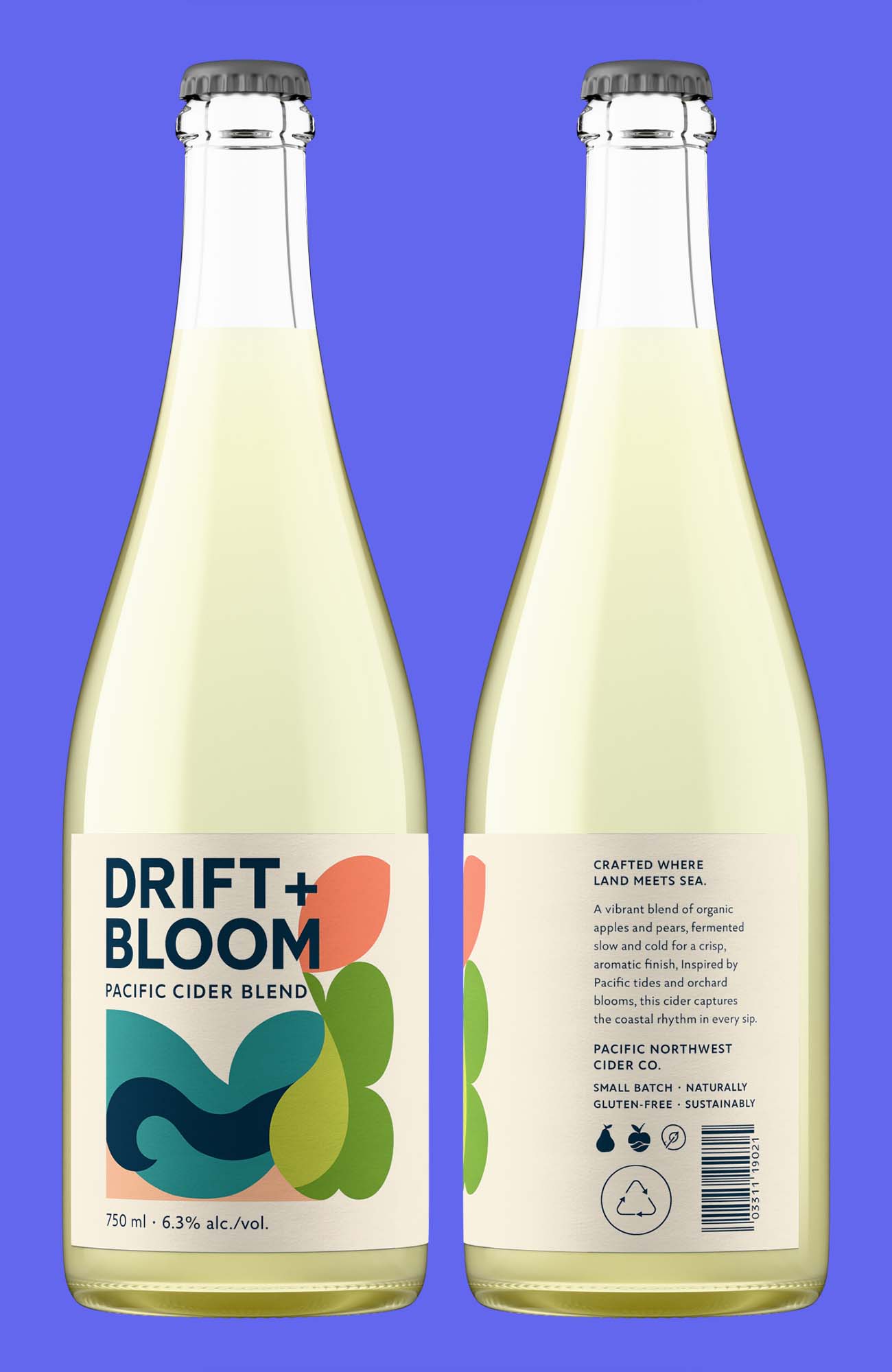
Go to lite.outshinery.com, configure your first bottle, and see the file before you commit to a portfolio.
Frequently asked questions
What is Outshinery Lite?
Outshinery Lite is an automated, self-serve bottle shot generator for bottled beverages. Upload a label file, choose your bottle and closure, and receive a photorealistic PNG in under an hour for $29 per image, with no subscription and no minimum order.
Which bottles and drinks does Lite cover?
Wine and cider in 375ml, 750ml, and magnum, including port and icewine shapes, plus ten beer bottle shapes from 330ml to 750ml. Any bottled drink that fits one of those shapes works, including kombucha, hard tea, and mixers. Lite does not do cans or cannabis. Spirits are a question of shape rather than category: whiskey, gin, vodka, tequila, and sake bottles are not in the library and go to Outshinery Studio, but a liqueur in a shape Lite already carries works.
What does Outshinery Lite cost?
$29 per image, dropping to $23 per image after your first ten orders. Pay per order, no subscription, no minimum, no setup fee.
How fast does Outshinery Lite deliver images?
Under an hour, from upload to download. That is fast enough to answer a distributor request the same morning, fill a catalog gap before a listing deadline, or update a site the week you bottle.
When should I use Studio instead of Lite?
Use Studio, where trained 3D artists build each image by hand, for complex packaging, foil, embossing, cans, cannabis, any bottle outside the Lite library including almost every spirits shape, custom scenes, POS displays, and enterprise volume. Use Lite for everyday bottle shots on library shapes with flat-printed labels.
Can I get a back label shot?
Yes. Submit a separate order using the same bottle configuration and upload the back artwork.