Sell the beer before it's brewed
Your label is ready. Your beer is not. That gap is where your launch imagery belongs.

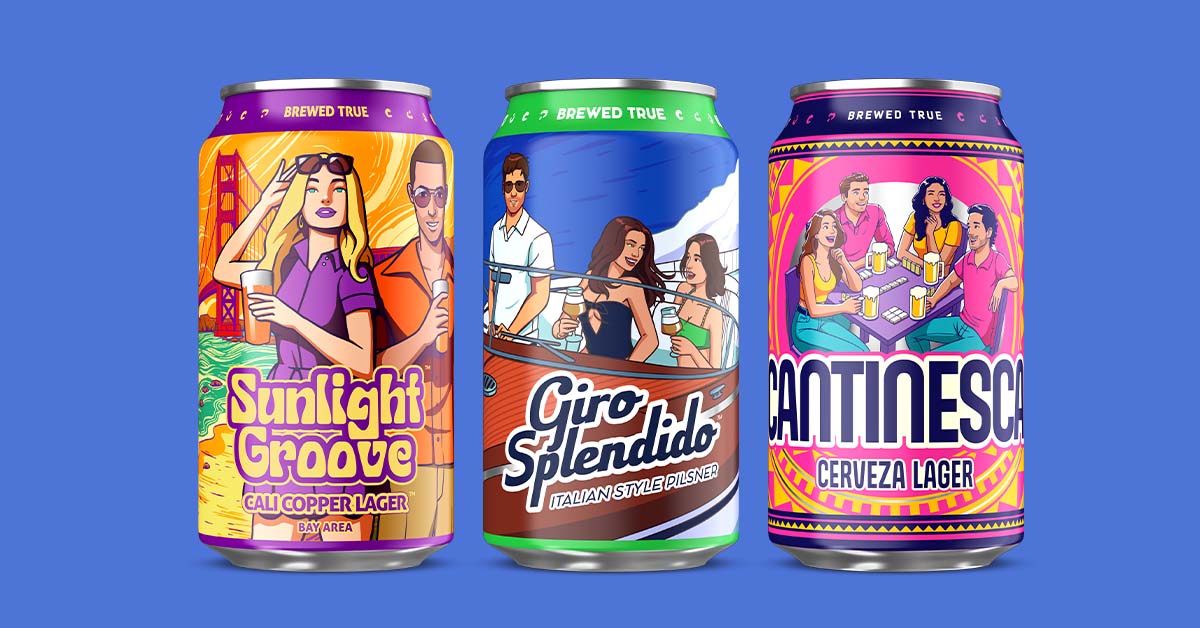
Your label file is finished weeks before your beer is. Most breweries still treat product imagery as something that happens after packaging day.
That sequence costs you the announcement window.
On the day your label approval lands, the artwork is final and the beer does not exist yet. Everything you need to start selling it is already sitting in that file.
Here is the beer launch timeline as it actually runs, from label approval to launch day, and where the imagery belongs in it.
What gates your beer imagery
Beer product imagery is gated by your print-ready label file, not by the beer.
A rendered bottle shot is built from the same artwork you send to your label printer and file with the TTB. Once that artwork is locked, the image can be produced.
Brewing, conditioning, packaging, and palletizing have no bearing on it.
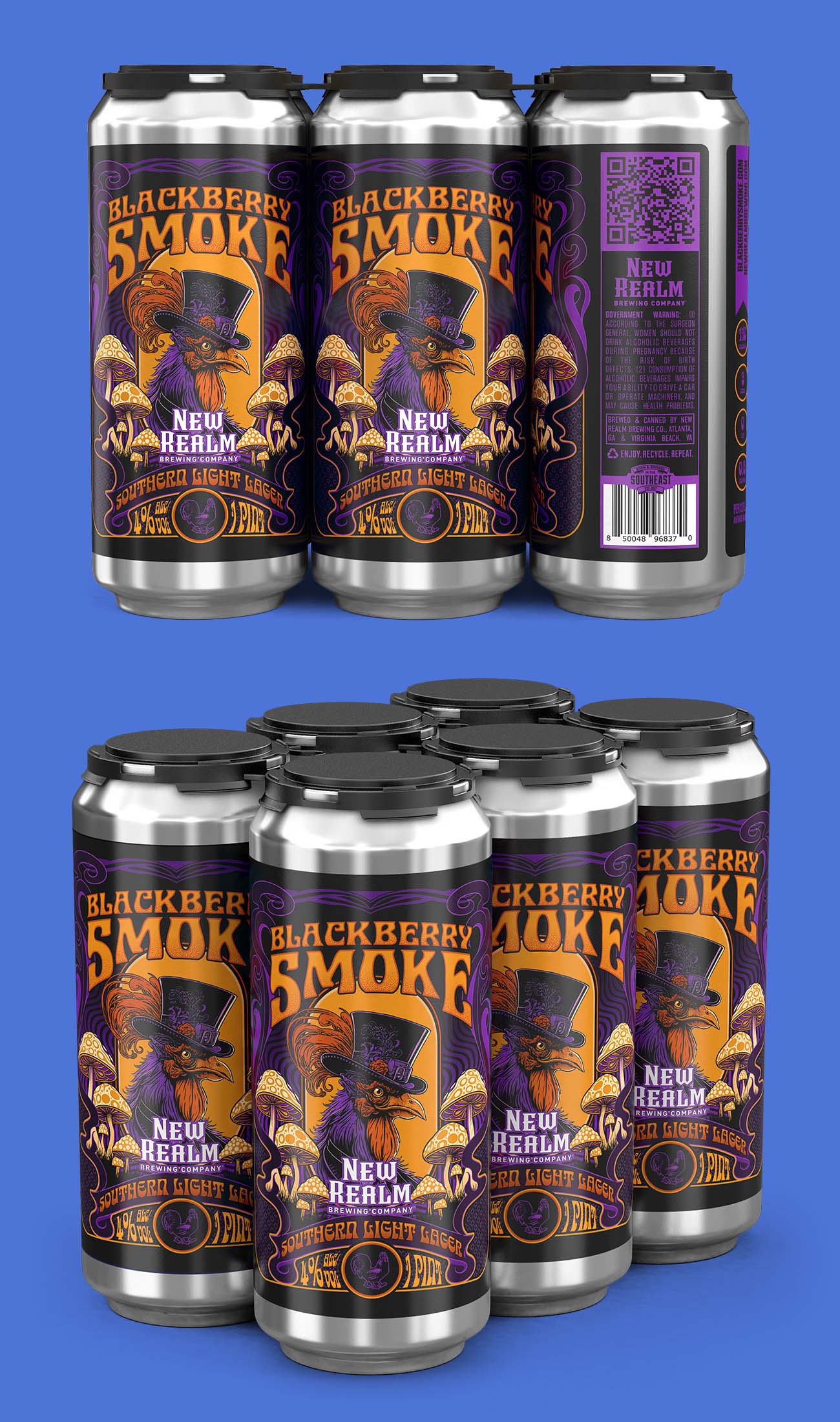
The beer launch timeline, working backwards
Map your release from launch day back. Each milestone needs an asset before it can move.
- Label artwork locked: print-ready vector or layered PDF goes to the label printer. This is the earliest date imagery can exist.
- TTB label approval filed: the same artwork, submitted through COLAs Online, no fee to apply.
- Distributor listing and sell sheet: your rep needs a front-on bottle shot and specs, usually before a single case exists.
- Chain and retail submissions: buyer windows are fixed dates, and a missed window is a missed season.
- Pre-order and announcement: the release lives or dies here, and this window opens before packaging.
- Packaging day: the first date a physical bottle could be photographed at all.
Four of those six milestones need an image, and all four land before packaging day.
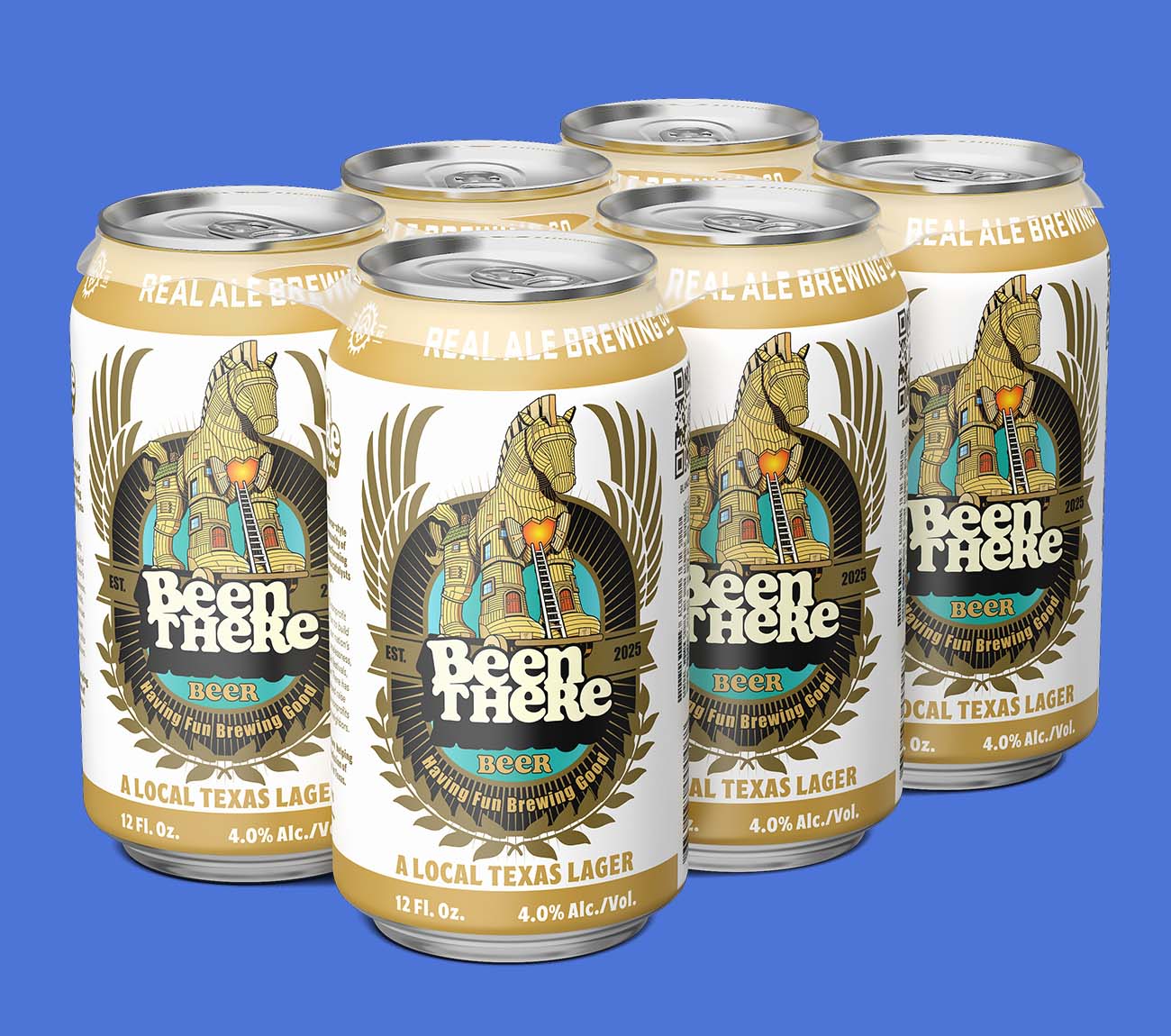
Where label approval sits in the sequence
Federal rules put your label ahead of your packaging line, not behind it.
Beer sold across state lines needs a Certificate of Label Approval, and the TTB requires the bottler to obtain it before bottling. Malt beverages sold only within one state need neither a COLA nor a certificate of exemption.
Processing is fast for beer. Malt beverage label applications are running a median of 1 day, against a stated goal of reviewing 85 percent of label applications within 15 days.
Formula approval, where a product needs one, comes first and runs a median of 6 days for malt beverages.
So the label is ready and the beer is not. That gap is measured in weeks, and it is the most useful window in your entire launch.
Who asks for the image first
The first request for a product shot almost never comes from your own website.
- Your distributor: the sell sheet and portal listing go out ahead of the first delivery, and both need a front-on shot.
- The chain buyer: retail submission windows run on fixed calendars, months ahead of the shelf date.
- Your pre-order page: the announcement converts on the image, because there is nothing else to show yet.
- Festivals, awards, and press: entry forms and media kits ask for packaging images, not tasting notes.
None of those asks can be answered with a photo of a bottle that does not exist yet.
Why seasonals break the old sequence
Seasonal and limited releases carry the least slack of anything a brewery makes.
An Oktoberfest that packages in August is sold to buyers months earlier. A collaboration announced on social has one window and no second one.
Waiting for packaging day to start the imagery compresses every step after it into days.
Producing imagery this early only works if the image never needed a physical bottle.
Producing the image before the beer exists
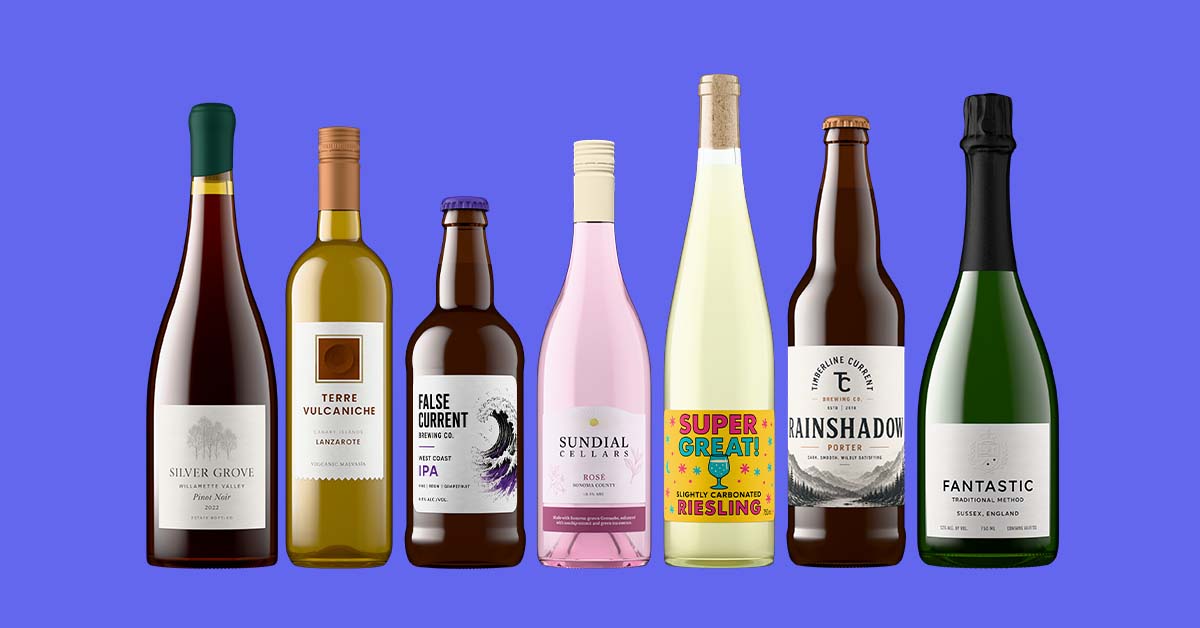
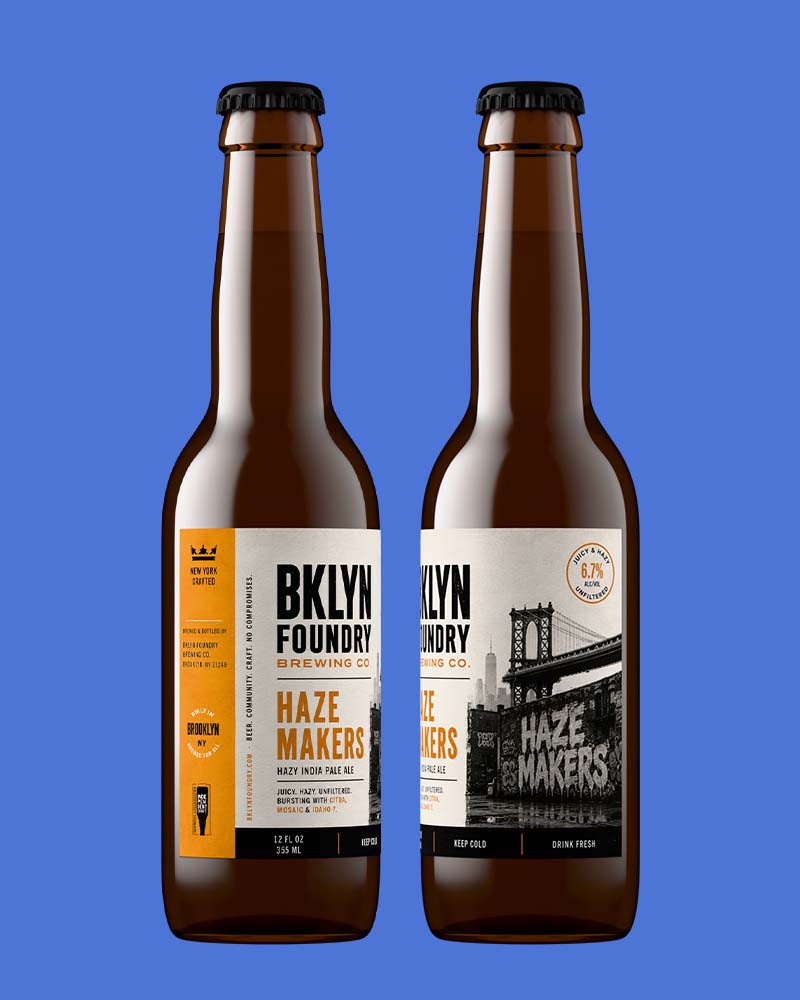
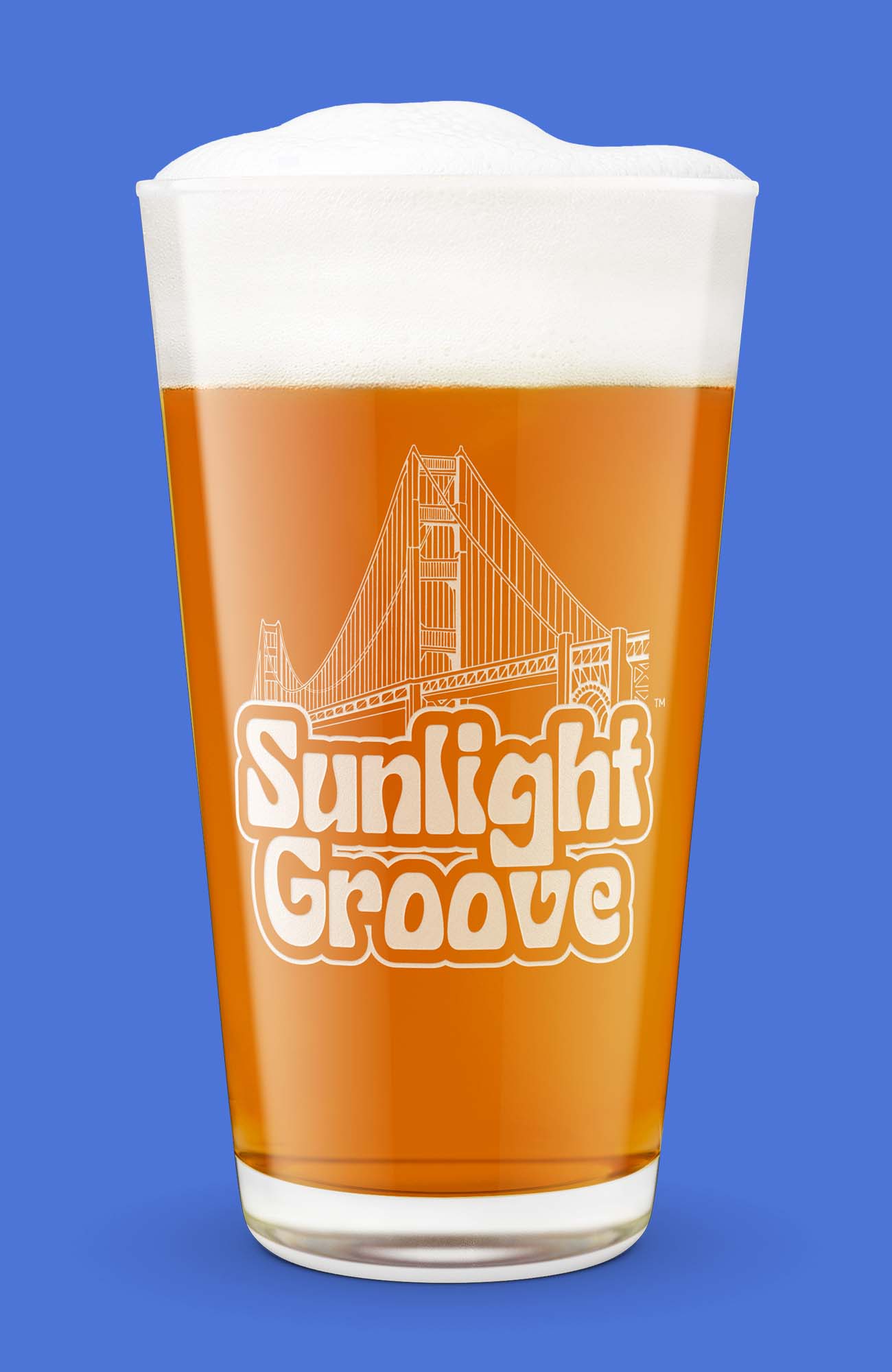
A rendered bottle shot is built in a virtual studio from your label artwork. Nothing is photographed, and no sample is shipped.
For beer in standard glass bottles, Outshinery Lite is self-serve. Upload the label, pick one of ten beer bottle shapes and a closure, and download a photorealistic PNG in about an hour for $29, or $23 per image after ten orders.
Every shape in the library is a verified 3D model of a real bottle, so the render matches the packaging you actually ordered.
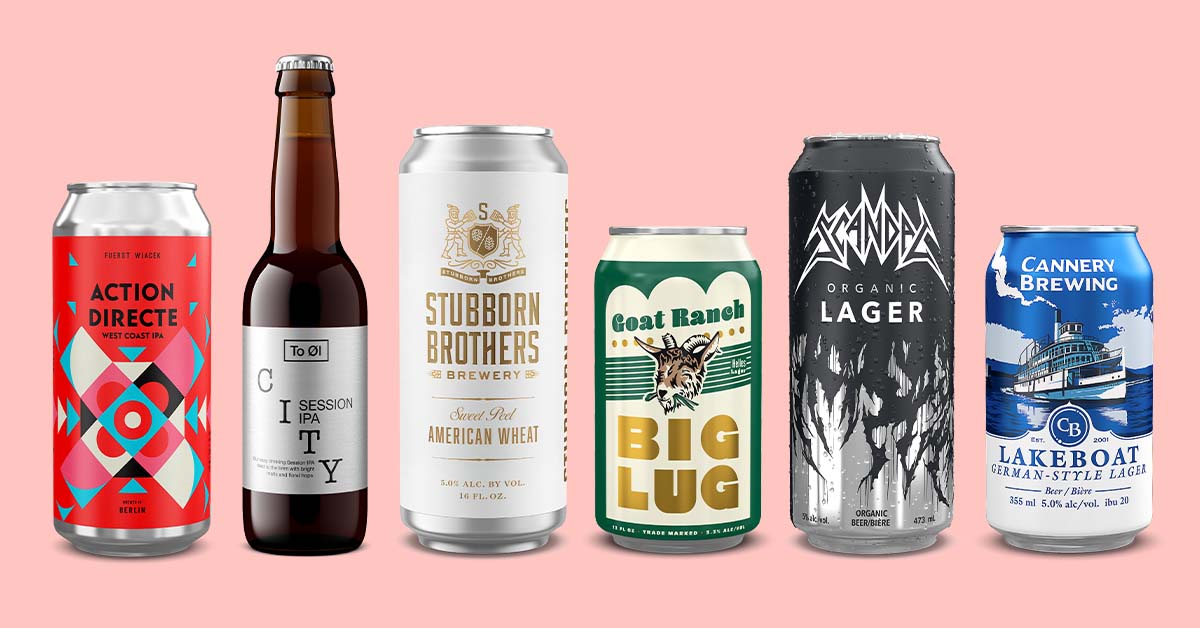
Cans, crowlers, kegs, and multi-packs are not part of Lite. Those, along with foil, embossing, and other print finishes, run through Outshinery Studio, where a trained 3D artist builds the render from your production files.
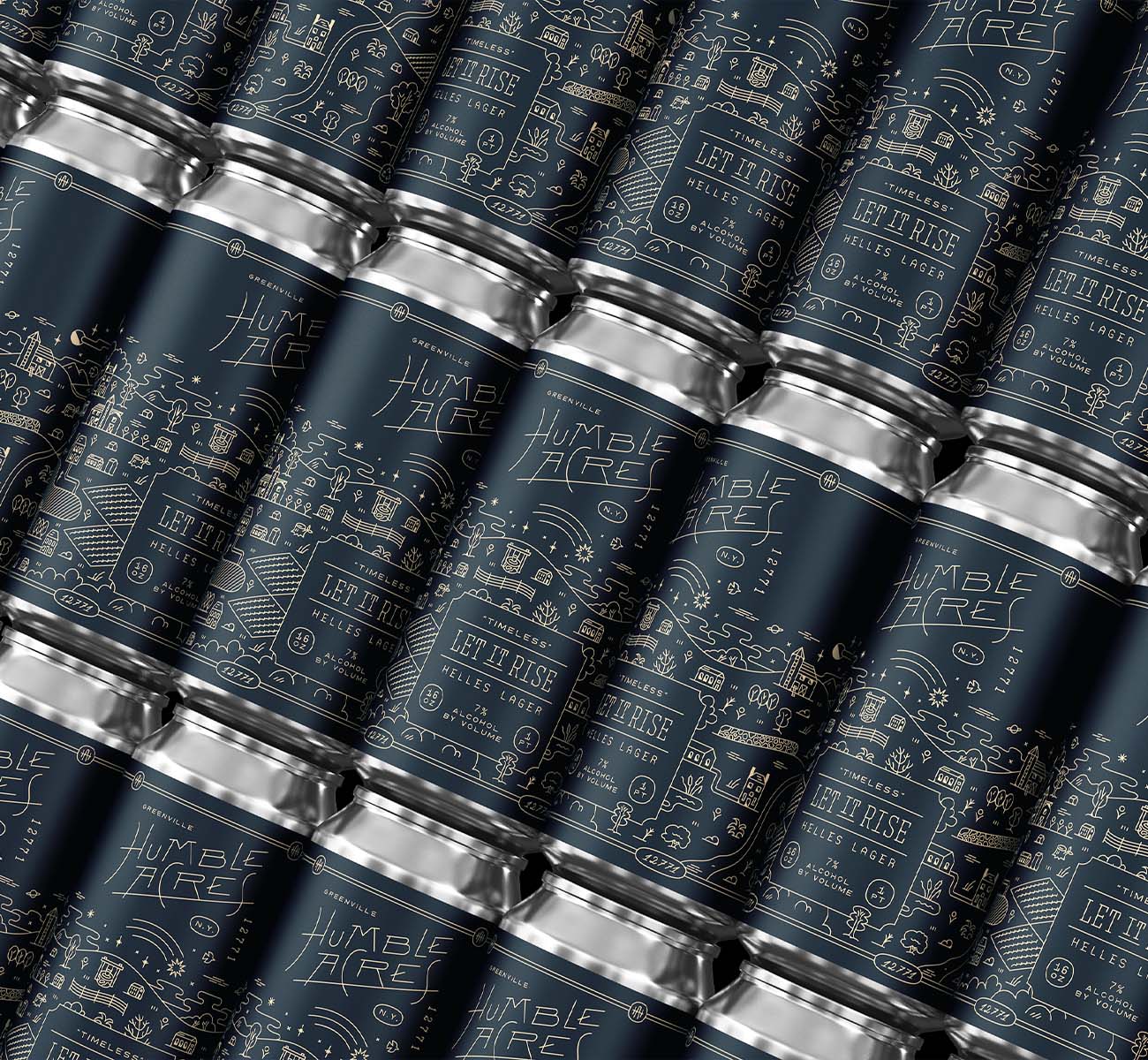
Outshinery has produced imagery for more than 2,000 beverage brands since 2016, breweries included. Don Farion, General Manager and Founder of Bomber Brewing, put the timing plainly: "You're not waiting for your beer to be ready...you have an image in 48 hours to make your submission for a new listing."
What this does to your launch calendar
Move imagery to the label-approval milestone and the rest of the calendar stops queuing behind production.
Sell sheets go out with the listing request. Pre-orders open on announcement day. The chain submission makes its window because the asset was ready weeks earlier.
The beer still takes as long as it takes. Everything you sell it with does not.
Frequently asked questions
How early can beer product imagery be produced?
As soon as the print-ready label artwork is final. A rendered bottle shot is built from the label file and a 3D model of the bottle, so it can exist before the beer is brewed or packaged. Breweries use this for distributor listings, sell sheets, and pre-order pages.
How long does TTB label approval take for beer?
Malt beverage label applications are running a median of 1 day, and the TTB's stated goal is to review 85 percent of label applications within 15 days. Products that need formula approval first add a median of 6 days for malt beverage formulas. Beer sold only within one state does not require a COLA.
Do I need a COLA before ordering product images?
No. Label approval covers the label on the beer you sell, and the TTB requires the bottler to obtain it before bottling. The imagery is produced from the same final artwork, which is why most breweries handle both in the same week.
Do I have to ship a bottle to get a beer image?
No. Outshinery renders beer bottle shots without shipping physical samples. The inputs are your label file, the bottle shape, the closure, and the glass color.
What if my beer is in cans instead of bottles?
Cans run through Outshinery Studio, not the self-serve Lite tool, which covers glass bottles only. Studio also handles crowlers, kegs, six-packs, and point-of-sale displays, built by a 3D artist from your production files.
The pre-launch imagery checklist
- Label file: print-ready vector or layered PDF from your designer, not a JPEG or a COLA screenshot
- Bottle shape: the exact format you are packaging in, since a 330ml longneck and a 500ml export are different shots
- Closure: crown cap, or cork and cage for bottle-conditioned and Belgian-style releases
- Glass color: amber, green, or flint, because it changes how the liquid reads
- Print finishes: flag foil, embossing, or hot stamping, which route to Studio rather than Lite
- Deadline stack: the earliest date any buyer, listing, or announcement needs the image
Gather these the week your label locks and the image stops being the thing everyone waits on.