How wine distributors and retailers get bottle shots at scale
Most producers in your portfolio cannot send you a usable image. Here is what to ask them for instead.

You carry hundreds of labels. You own the catalog. You do not own a single one of the products in it.
That gap is the entire job. Every listing needs an image, and the image lives with a producer who has other priorities, a different calendar, and no particular reason to care about your go-live date.
The bottleneck is coordination, not production
Getting one bottle shot is not hard. Getting four hundred of them, from four hundred producers who do not report to you, is the part that breaks.
Nobody in this chain is failing at photography. The failure is structural.
A single image requires a producer to locate a file, a marketing coordinator to answer an email, and a deadline that belongs to you and not to them. Multiply that by your SKU count.
At a small importer this is a recurring annoyance. At portfolio scale it becomes a permanent part-time job that nobody was hired to do.
This is the execution gap in its purest form. Everyone in the chain agrees the catalog needs better images, and nobody in the chain is set up to produce them.
What a gap in your catalog actually costs
An incomplete listing does not sit there quietly. It costs you the sale, and it costs the brand owner one too.
Salsify's 2025 Consumer Research Report found that 54% of shoppers have abandoned an online sale because product information was inconsistent across different websites. A further 42% abandoned over missing or low-quality product images.
The first number is the one that should concern a catalog manager. It is not about a single bad page. It is about the same wine reading as two different products depending on where a buyer finds it.
You become the weakest link
Producers increasingly treat their cellar door, their own ecommerce, and their trade listings as one connected brand experience.
When your listing is the dated one, your catalog is where that brand falls apart. The buyer does not blame the winery. They are looking at your site.
Why the usual fixes stall at portfolio scale
Chasing the producer for files
This works, slowly, for the producers who actually have files. Transom's 2026 Digital Winery Report sampled 159 winery ecommerce stores and found that 25% use high-resolution product imagery and 9% use more than one product image.
Three out of four wineries do not have what you are asking them for. Chasing harder does not create a file that was never made.
Shipping bottles to a photographer
This assumes you hold physical stock of every SKU, that you can spare a bottle of each, and that shipping alcohol to a studio is straightforward. For an importer still waiting on a container, none of that is true.
It also does not scale. A photographer's calendar is a fixed resource. Your catalog is not.
Using whatever the producer posted
The fastest option, and the one that quietly builds the inconsistency problem you will pay for later.
You end up with a catalog assembled from a dozen photographers, a dozen lighting setups, and a dozen years. Some of it is a phone photo. Some of it sits on a background you cannot cleanly remove.
Taking the producer off the critical path
The alternative is to stop treating the producer as the source of the image and start treating them as the source of two specifications.
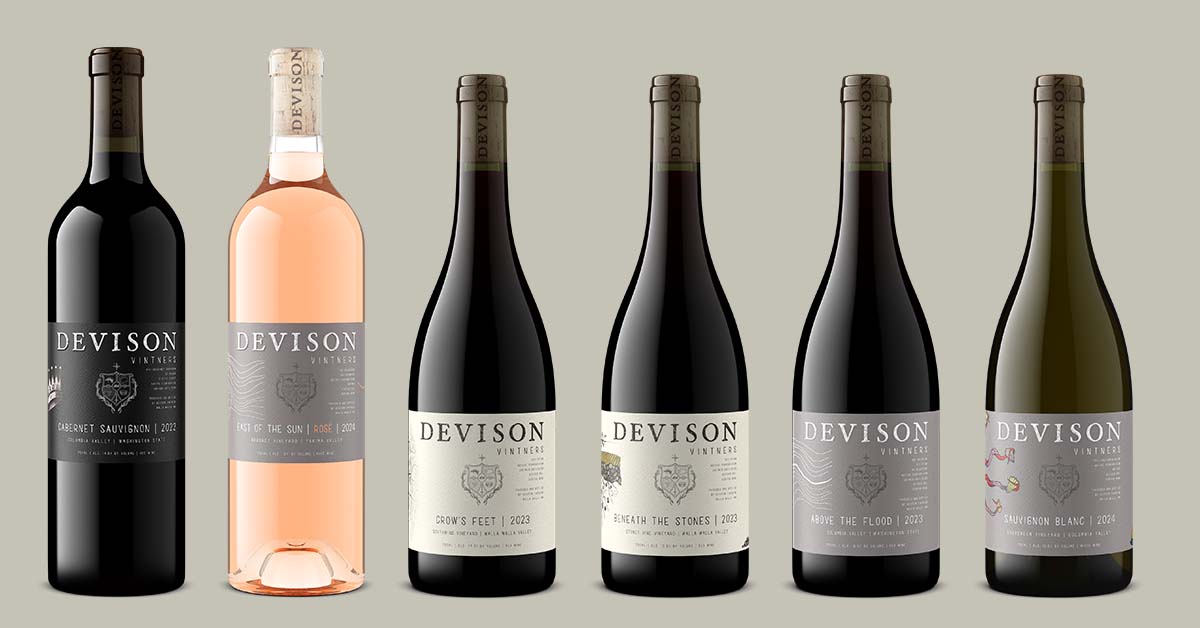
Outshinery Studio builds a 3D model of the container, then applies the label file to it. No physical bottle, no shipment, no photographer's calendar, and no waiting for stock to land.
Because the image is constructed from a verified container model rather than corrected after the fact, the label reads exactly as it was printed. That matters when you are publishing an appellation, an ABV, and a vintage you did not write.
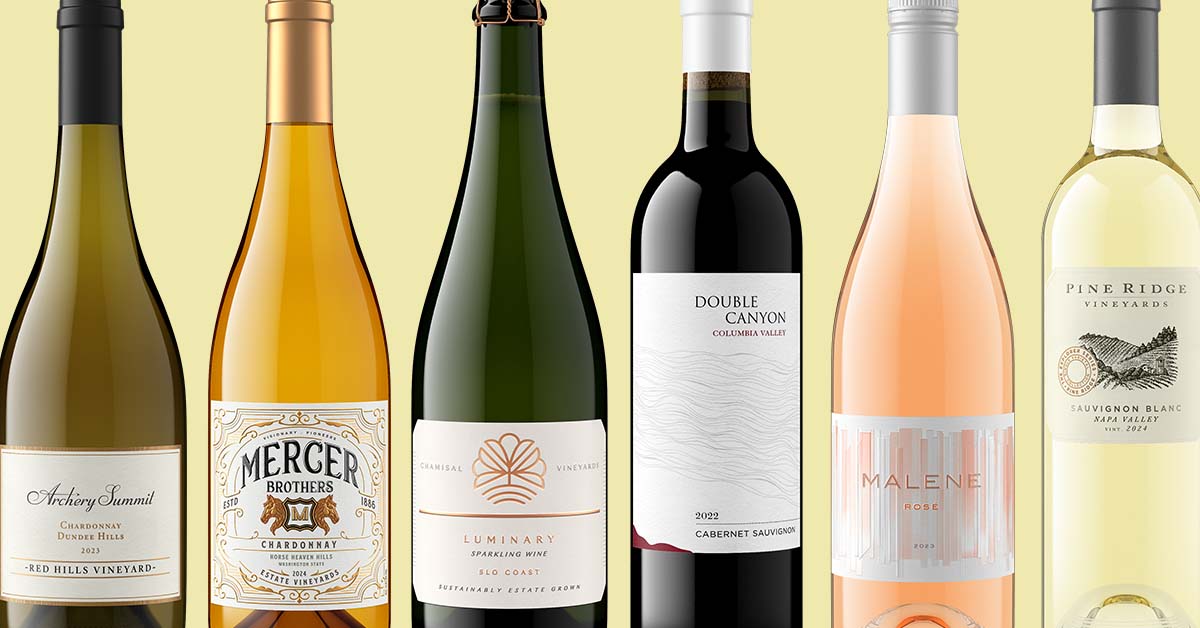
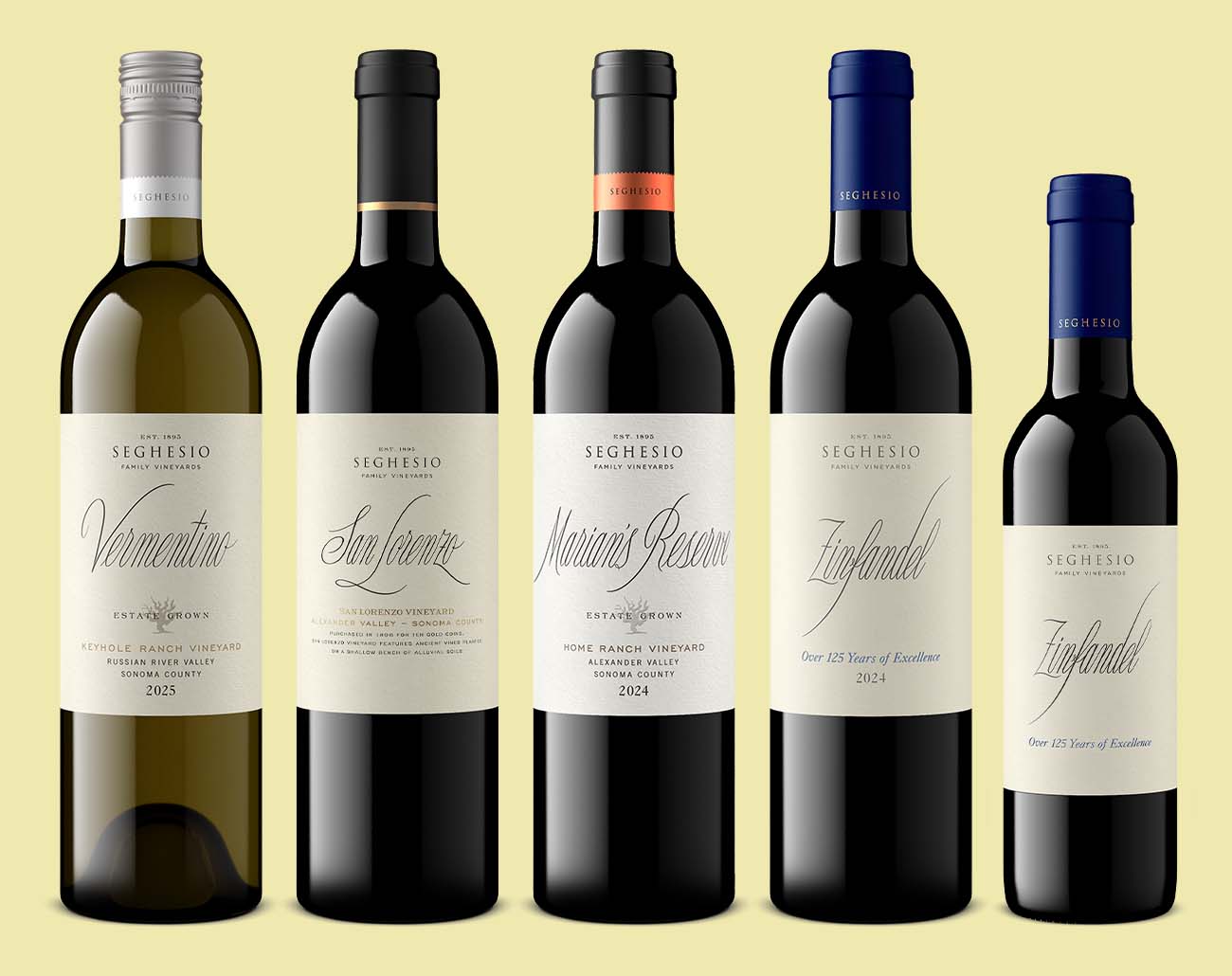
Consistency follows from the method. The same lighting, the same angle conventions, and the same background treatment apply across every SKU in the catalog, regardless of which producer it came from or when it was ordered.
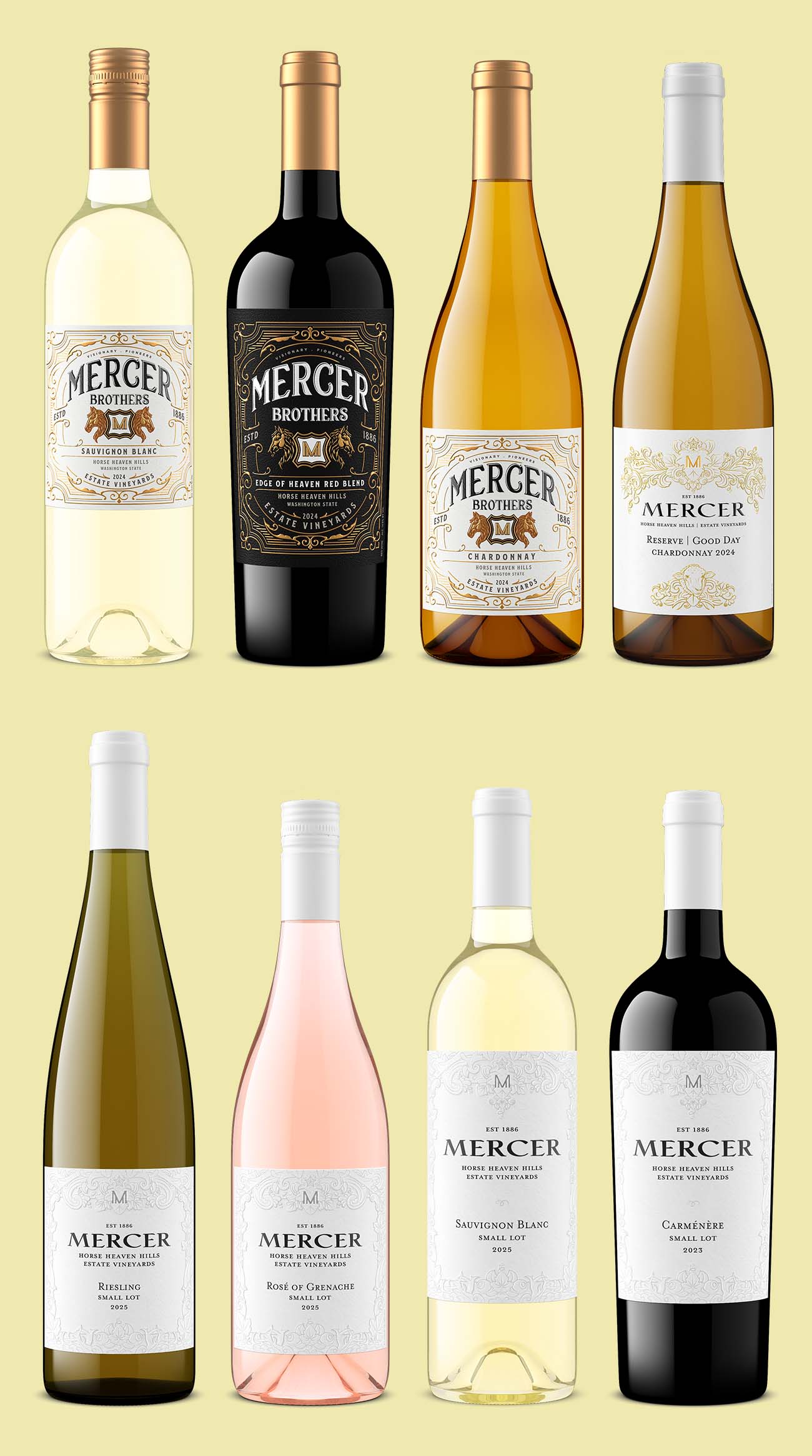
A trained 3D artist works on every Studio image. That is what a distributor is really buying: someone accountable for the punt, the fill line, the foil, and the closure on a product they can inspect and you cannot.
Outshinery has produced 10,534 images for enterprise Studio accounts across 27 enterprise organizations. The container library behind that work holds 1,114 bottle models and grows by three to five every week.
Vinarchy is one of those accounts. The global wine group formed in 2025 from Accolade Wines and Pernod Ricard's international wine brands, now running a portfolio of around one hundred brands after its own review, sits at exactly the scale where image coordination stops being a task and becomes infrastructure.
Studio removes the photoshoot. It does not remove the specification, and this is where distributor projects most often stall.
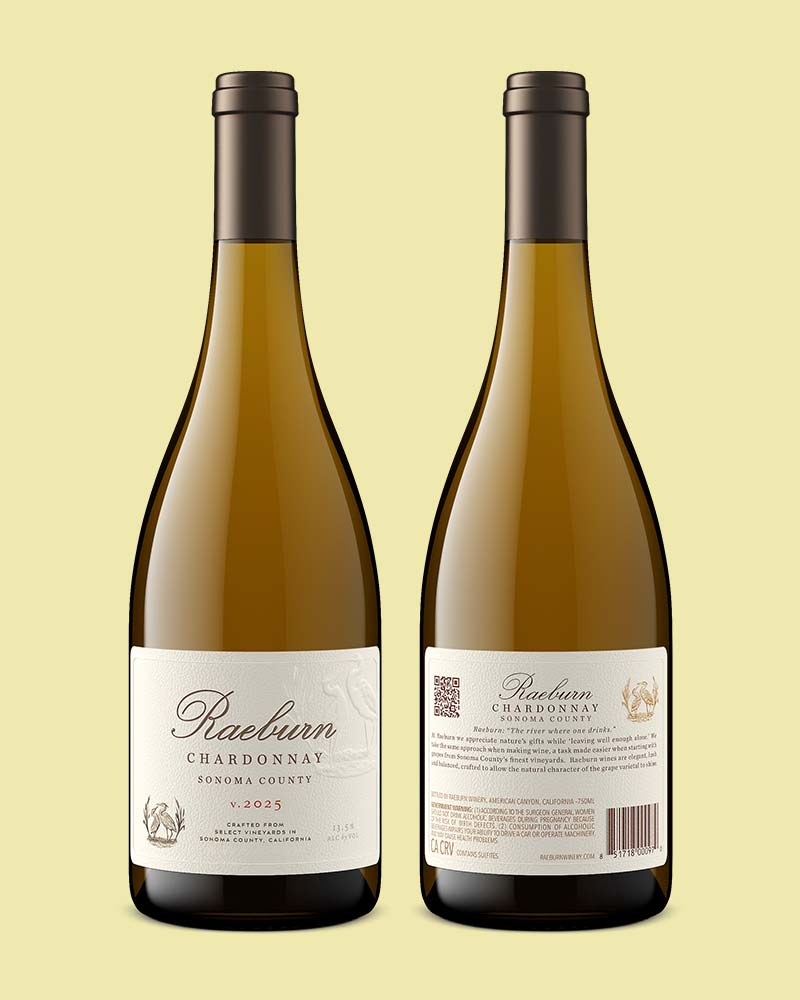
What you still need to supply
Three things have to come from you or from the brand. None of them require a physical bottle, and all of them exist long before a shipment does.
A print-ready label file
Exactly what went to print. A vector or layered file from the designer or the printer, not a JPEG pulled from the website, not a COLA submission, not a photograph of the physical label.
If the brand cannot find it, their printer or their designer can. That is a smaller ask than requesting professional photography, and it is one they can usually answer the same day.
The exact container shape
"Burgundy" is not a specification. Outshinery's container library holds 1,114 bottle models, and the differences between neighboring molds are visible in a finished render.
The glass mold number and manufacturer are the real answer, and the brand's glass supplier has both. It does not change between vintages, so you only have to ask once per SKU.
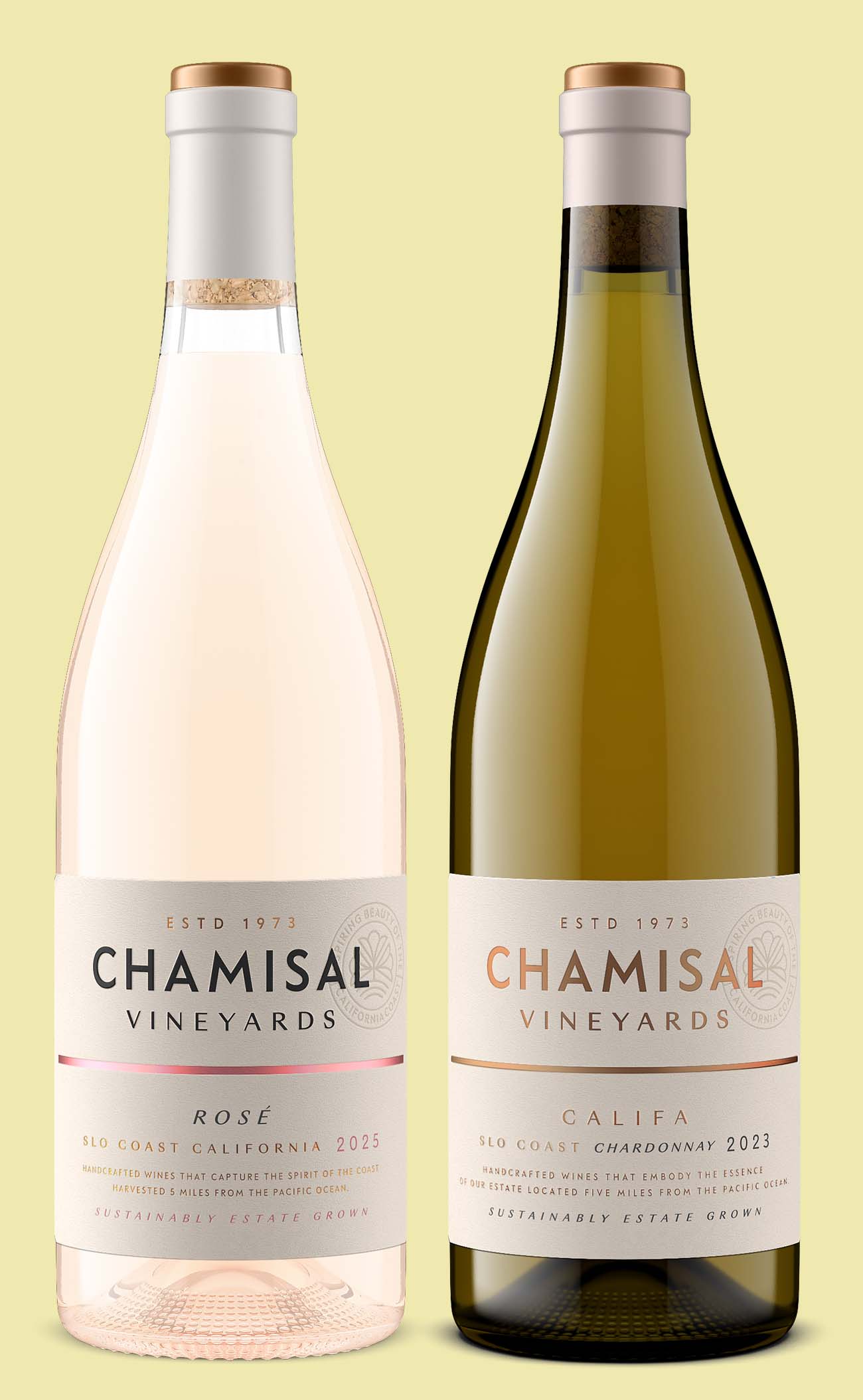
Custom closures and capsules
Standard corks and screw caps are already in the library. Anything custom is not.
A bespoke capsule, an unusual wax, a branded closure, or a non-standard cage has to be specified, with artwork wherever the closure carries print.
Flagging these up front is the difference between a clean first proof and two rounds of revision.
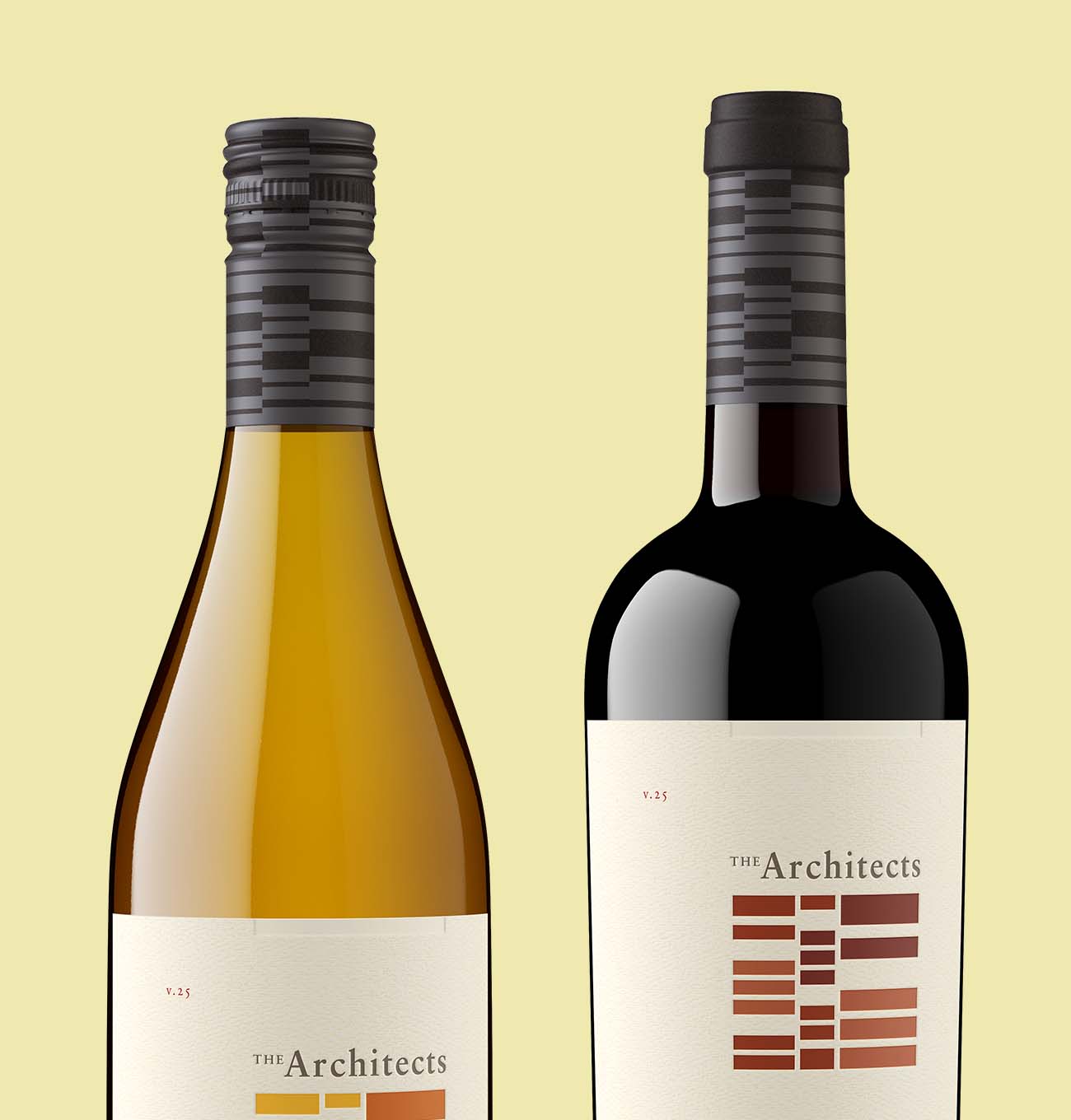
Consistent bottle shots across a product line
Consistency across a portfolio you do not own is a different problem from consistency inside a brand you do own. You cannot set a visual standard for producers, but you can set one for your catalog.
Once a container model exists, every future vintage of that SKU is a label file in and a finished image out.
The per-SKU cost drops after the first cycle because the model carries forward. That is what turns catalog imagery from an annual scramble into a standing capability.
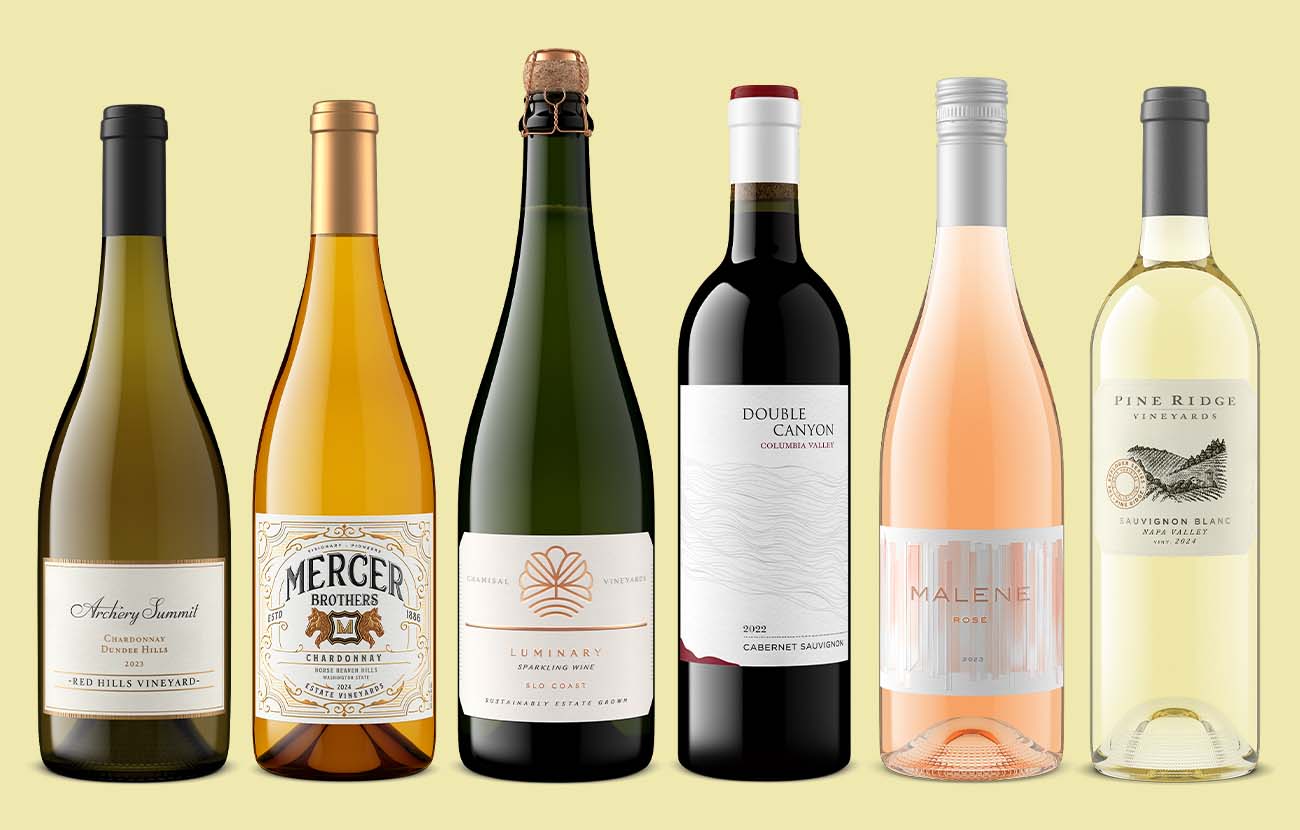
Which Outshinery product fits your catalog
Studio, for portfolio scale and complex packaging
A trained 3D artist builds every image to specification. Studio handles foil, embossing, wax, custom glass, unusual closures, and formats beyond bottles, including cans and bag-in-box.
Work starts within three business days and typically delivers in two to five. Studio is priced in Shine Credits, with subscription plans for catalogs ordering at volume and enterprise terms above that.
Lite, for a handful of standard bottles
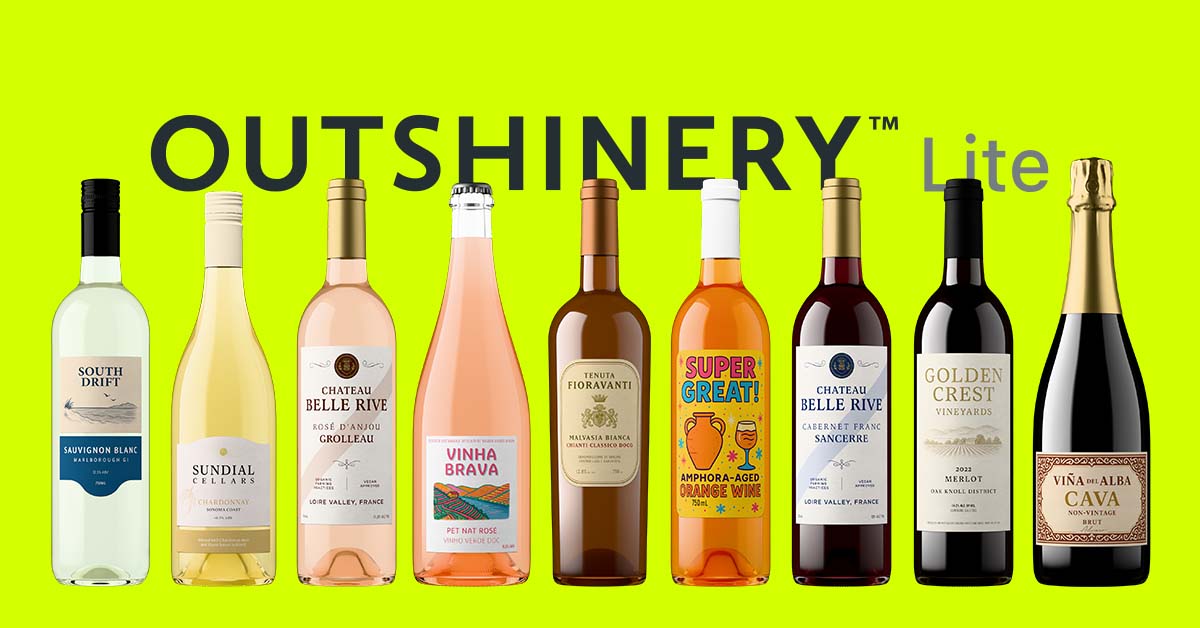
If you need to fill a few gaps on standard wine, cider, or beer bottles, Outshinery Lite is the faster route. You select the container from a curated list rather than supplying a mold number, which removes the specification problem entirely.
Lite is $29 per image, dropping to $23 after ten orders, paid per order. It delivers a photorealistic PNG in under an hour, and it does not cover cans.
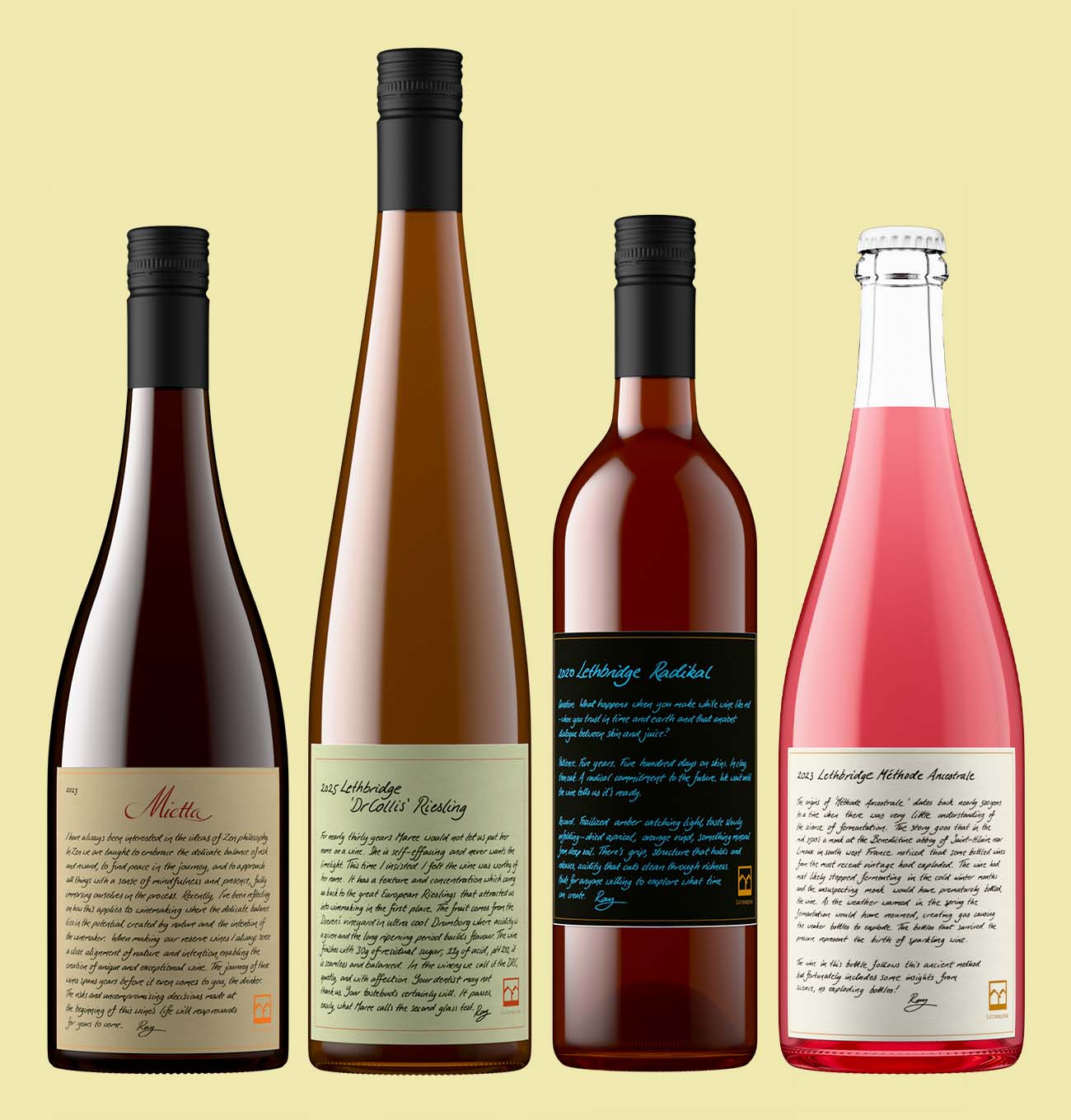
When to route a SKU to Studio
Any specialty finish sends the SKU to Studio, whatever the order size. Foil, hot stamping, embossing, debossing, metallic inks, and custom capsules are Studio work, as is any container that is not a standard bottle.
Most catalog managers at scale end up using both, routing each SKU on packaging complexity rather than on volume.
Frequently asked questions
How do distributors get images for brands they do not own?
The practical route is to request two specifications from the brand rather than a finished photograph: a print-ready label file and the glass mold number. From those, a 3D render can be produced without a photoshoot and without the physical bottle. This works even when the producer has no professional imagery of their own, which Transom's 2026 report found is true of roughly three out of four winery ecommerce stores.
Do you need permission to render a brand's bottle?
You need the right to use the label artwork, which is normally covered by your distribution or retail agreement with the brand. Outshinery does not grant or verify those rights, so confirm them with the brand before submitting the file. In practice most producers are glad to have their SKU listed with a clean image.
What if the producer cannot find their label file?
Their printer or their label designer will have it, and both keep production files on record. Ask for the file that went to print, in vector or layered format. A JPEG from the website or a COLA submission will not carry the resolution or the color accuracy needed for a render.
How long does a full catalog take?
Studio work starts within three business days of a complete brief and typically delivers in two to five days per batch. The first cycle is the slow one because each container model is built from scratch. After that, adding a vintage or a new SKU on an existing container is a label file in and a finished image out.
Do the images need to be redone every vintage?
Only the label changes, so the container model carries forward. That means each vintage update costs a fraction of the original image, and the per-SKU cost of the catalog keeps falling the longer the library is in place.
The catalog request checklist
- Label file: Print-ready vector or layered file from the printer or designer, not a website JPEG
- Glass mold: Exact mold number and manufacturer from the brand's glass supplier, not "Bordeaux"
- Closure: Cork, screw cap, or crown, with the sub-type where one applies
- Capsule: Flag any custom capsule, wax, or branded closure, and send its artwork
- Print finishes: Name foil, embossing, debossing, and hot stamping explicitly, they change the routing
- Liquid color: A reference photo or hex value for anything in clear or light glass
- Rights: Confirm your agreement covers using the label artwork in your catalog
One clean request per SKU beats three rounds of email.