What a distillery PDP audit reveals about the rest of the page
Bottle imagery sets the first impression. The rest of the page decides whether it pays off.

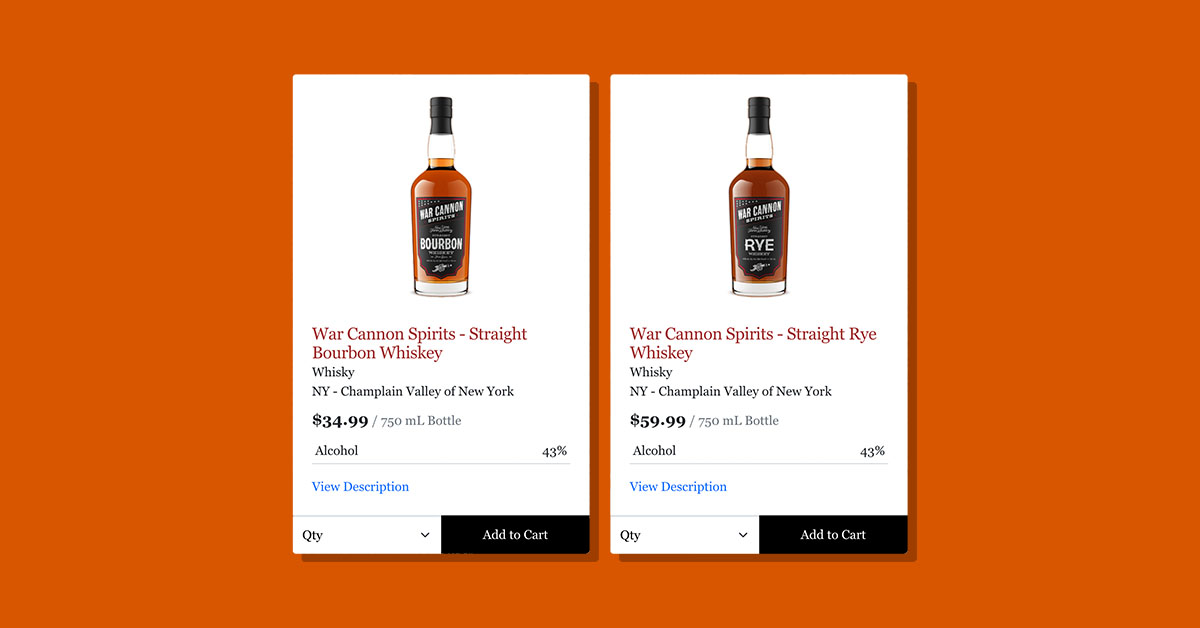
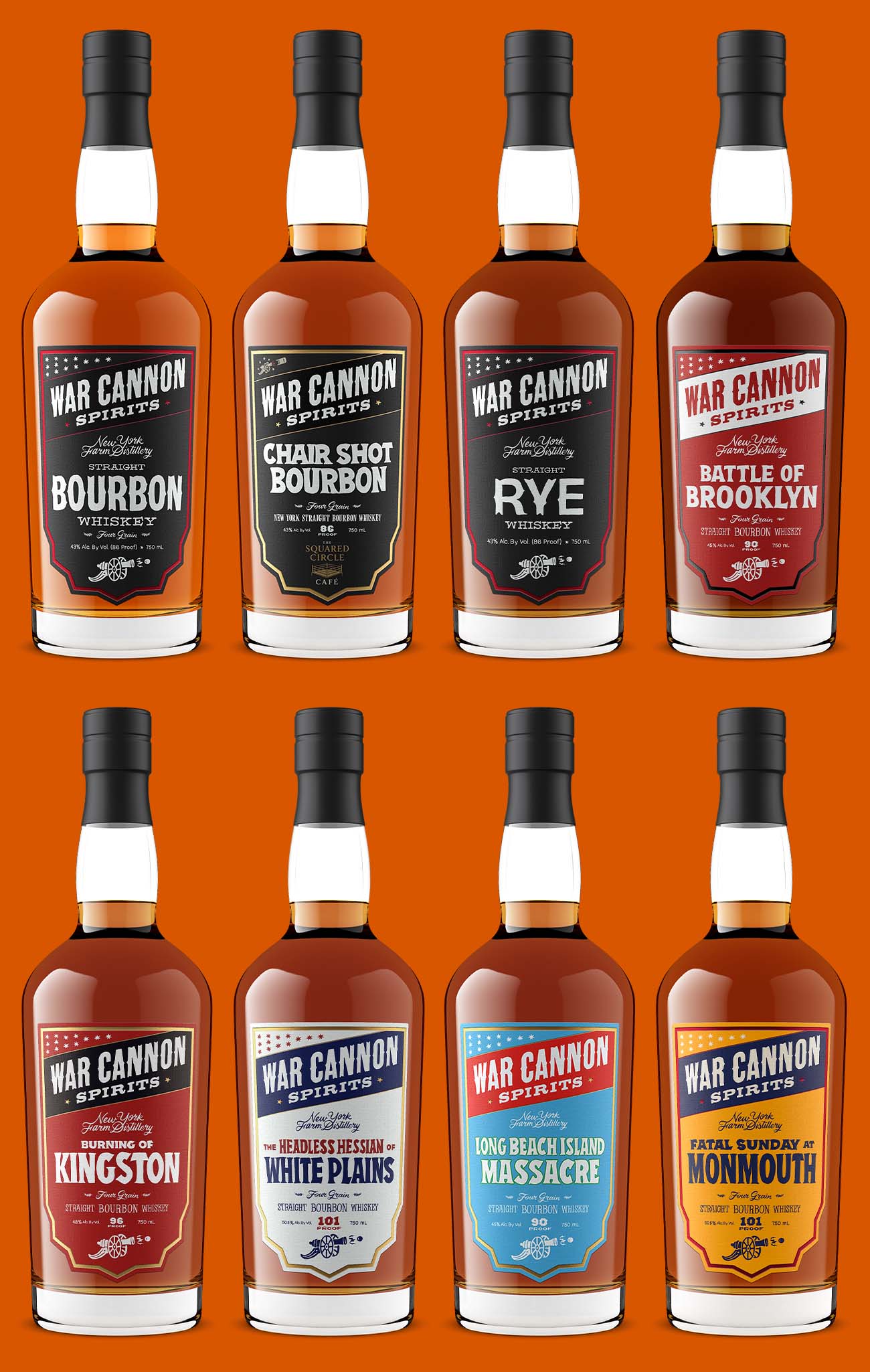
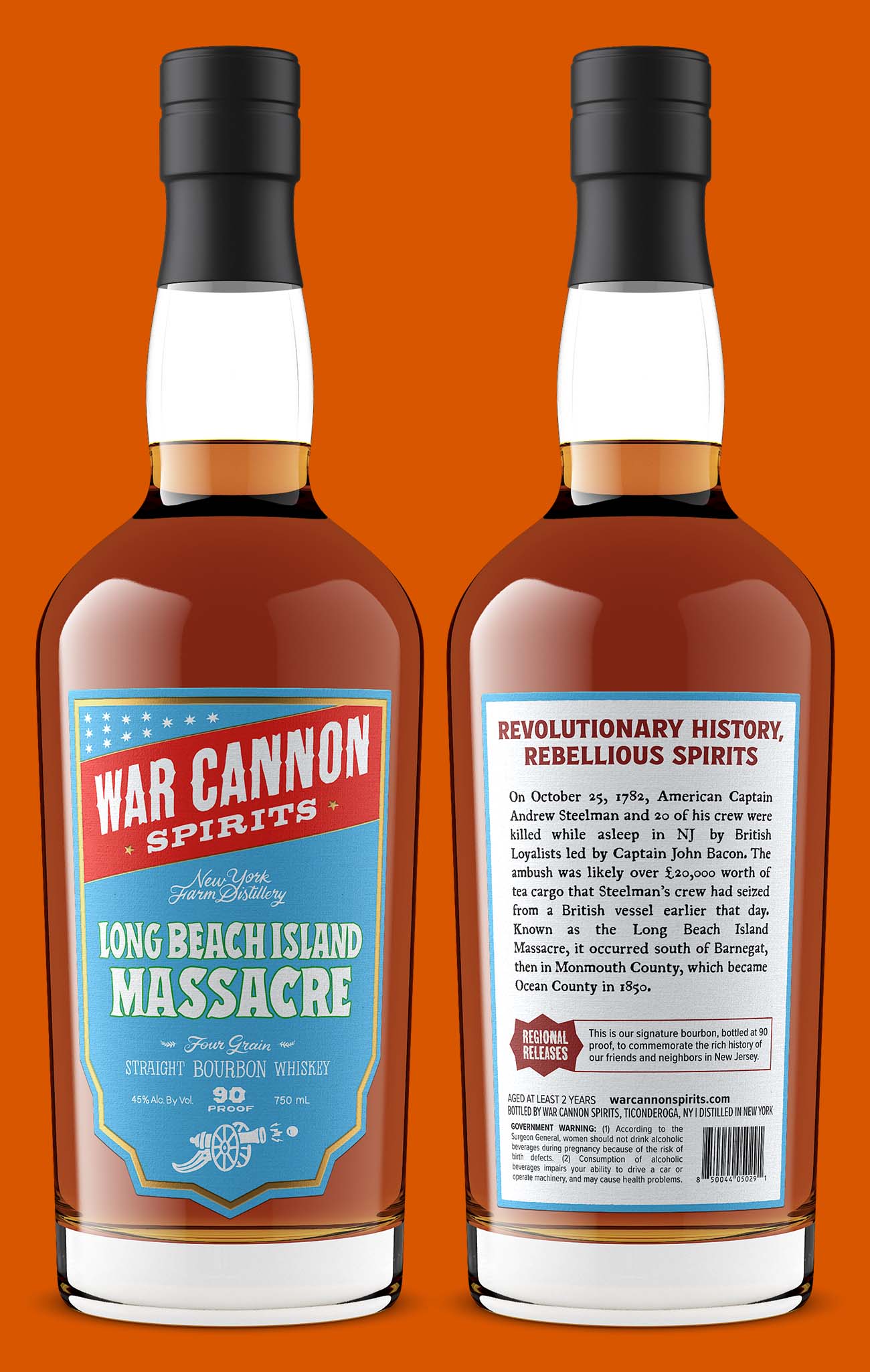
Outshinery is in the middle of upgrading bottle imagery for a real distillery right now. War Cannon Spirits, a New York farm distillery in the Champlain Valley. Five new product images delivered, more in the pipeline. Their imagery is on its way to clearing the bar most craft distillery PDPs are still working toward.
Which raises a question worth asking now, before the new images go live: what does the rest of the page need to do, once the imagery has done its job?
We audit beverage and CPG sites regularly at Thorium Digital, and the answer is consistent enough across the category to be worth writing down. The brand work on most craft distillery sites is genuinely strong. Most of these brands already have the hard part figured out. The story is real, the products stand apart, and the people behind them are visible.
This is what we typically see, framed for any beverage brand whose imagery is about to upgrade.
What craft distillery PDPs usually get right
The brand story is real. War Cannon, for example, sits in a restored 1820 mill between Fort Crown Point and Fort Ticonderoga, with a nine-year restoration story behind the building itself. That kind of provenance is rare, and the brands that have it tend to know how to tell it.
The leadership is named and when founders or distillers show up on the site with documented bios, agricultural backgrounds, distillation philosophy, contributions to the regional industry, they create something AI assistants can cite and consumers can trust. Most craft distillery sites still don't show their people. The ones that do have a quiet advantage.
The differentiation is genuine. Regional grain sourcing, distinctive barrel programs, nonprofit partnerships that link outward to historical and cultural organizations. Each external link is an opportunity for citation pathways most brands never plant.
And the imagery is either already strong or, for brands working with partners like Outshinery, on its way. The PDP's first impression is being handled.
Where the page often falls short
So that's the brand work. The page work is where it gets harder.
We see the same gaps across many craft distillery sites. Some are visible to consumers while some are invisible to AI. Either way, they cut into what the imagery is doing up top.
The store page often isn't speaking the right language
Store H1s are frequently shipping promos rather than product headlines. Product cards get rendered by JavaScript and stay invisible to search crawlers and AI assistants. Shipping restrictions sit below the fold instead of at the top of the page where a consumer from the wrong state can adjust expectations early. Meta descriptions read generic. The store page is where consumers either buy or leave, and it often isn't framed for the job.

Trust signals are missing at the moment of decision
The consumer is asked to trust a brand they just met, with nothing on the page to vouch for it: no reviews, no press mentions, no awards, no certifications, no "as seen in" line. Even when the brand has earned coverage and recognition, that proof tends to live on the About page, not where the buying decision is being made.
AI and search engines can't read what consumers can see
Looking at a craft distillery PDP through an AI's eyes, most of it disappears.
No Product schema, which means price, availability, and ratings don't show up in rich results. No LocalBusiness schema, even when the tasting room's hours and address are right there in the footer. The grain bill, the proof, the aging detail, the tasting notes are all in the copy but none of it is structured for an AI assistant to pull out and cite.
The page reads beautifully to a person but to the systems consumers increasingly use to find new spirits, it might as well not exist.
Compliance and legal pages are often missing
Privacy Policy, Terms of Sale, accessibility statement, cookie consent are frequently absent on alcohol ecommerce sites that fire marketing pixels on page load. The privacy law exposure alone is enough reason to fix it. Add platform policy and the basic trust expectation a buyer brings to the moment they're entering payment information, and the case for getting these pages live ahead of the imagery upgrade is hard to argue with.
Why this gap matters more in 2026 than it did three years ago
A PDP in 2026 is doing a different job than it was in 2022.
Discovery has changed as consumers ask ChatGPT, Claude, Perplexity, and Gemini "what bourbon should I try with dinner?" The answers come from sites with structured data, named experts, and content formatted the way an AI assistant can read it and sites without those things sit outside that conversation. And the conversation keeps growing.
Imagery does more work than it used to. When the bottle shot is professional and the rest of the page isn't, the gap is louder than it was when everyone's imagery was uneven. Consumers feel it before they can name it.
Compliance has moved too. Privacy law and platform policy on consent-gated tracking have come a long way since 2022. The distance between "we have an age gate" and "we have a compliant cookie consent layer" is bigger than most small brands realize.
What changes when imagery and infrastructure clear the bar together
When everything is working together, the difference is obvious.
The bottle shot does what Outshinery describes. The product pages are crawlable and schema-marked, so AI assistants can actually read them. There are reviews, press, and trust signals at the moment someone is deciding to buy, not buried two clicks away on the About page. The legal and compliance pages exist. And the site gives AI a reason to mention the brand in conversations that aren't just about shopping. That includes: cocktail recipes, comparison content, FAQs, and bios for the people who actually make the spirit.
That's when the imagery actually does its job. Imagery is what makes people stop scrolling. The rest of the page is what makes the imagery pay off.
Most craft distilleries are working on the visible part first, which is the right order. The work that comes next is what an audit makes legible. So, if imagery is the lever you're pulling now, the rest of the PDP is what gets ready to receive it.
For distilleries, that imagery lever is a Studio job. Outshinery builds photorealistic 3D spirits product shots from a digital twin of your real packaging, so every bottle in the lineup matches.
Frequently asked questions
What do distillery product pages usually get wrong?
The most common gaps are structural, not creative. Product cards rendered by JavaScript stay invisible to search crawlers and AI assistants, Product and LocalBusiness schema are missing, and reviews, press, and awards live on the About page instead of at the point of decision. Privacy and terms pages are often absent entirely.
What schema markup does a distillery PDP need?
At minimum, Product schema and LocalBusiness schema. Product schema lets price, availability, and ratings appear in rich results, and LocalBusiness schema makes the tasting room's hours and address readable to search engines and AI assistants.
Why does AI search matter for craft distilleries?
Consumers now ask ChatGPT, Claude, Perplexity, and Gemini for spirits recommendations. Those answers come from sites with structured data, named experts, and content formatted so an AI assistant can read and cite it. Pages without that structure sit outside the conversation.
Where should trust signals sit on a product page?
On the product page itself, at the moment someone is deciding to buy. Reviews, press mentions, awards, and certifications vouch for a brand the buyer has just met, and they lose most of their effect when they sit two clicks away on the About page.
Do professional bottle shots alone improve a product page?
They set the first impression, and that is the right place to start. The imagery pays off fully when the rest of the page is crawlable, schema-marked, and backed by trust signals and compliance pages. Imagery makes people stop scrolling, and the rest of the page turns that stop into a purchase.