The 7-question visual audit to run before peak season
Seven honest questions to find the gaps in your visual library while they are still cheap to fix.


Every beverage brand audits its visuals eventually. Most do it the week before they need new images, when the gap has already cost a listing, a campaign, or a season.
The better moment is now, in the quiet weeks before the busiest selling stretch of the year, while the gaps are still cheap to fix.
These seven questions give you an honest first read. They sample the same standards behind Outshinery's free visual scorecard, built from a decade of recurring blind spots in beverage briefs.
Why audit now instead of in October
By the time holiday campaigns, retail resets, and club shipments stack up, your visual library is either ready or it is the bottleneck.
Most brands know their imagery needs work. The hard part is execution: finding the gaps early enough to close them without a scramble. That distance between knowing and doing is the execution gap, and it gets more expensive every week the season gets closer.
Answer the seven questions below honestly, then decide what to fix first.
1. Does every SKU you sell have a current image?
Not most SKUs. Every SKU, showing the label and vintage that is actually shipping.
Reusing last year's shot with the wrong vintage is one of the most common patterns in beverage imagery. A stale image on a listing quietly tells the buyer the rest of the page might be stale too.
Gut check: open your own product pages and compare each image against the bottle that ships today.
2. Do your products look like they belong together?
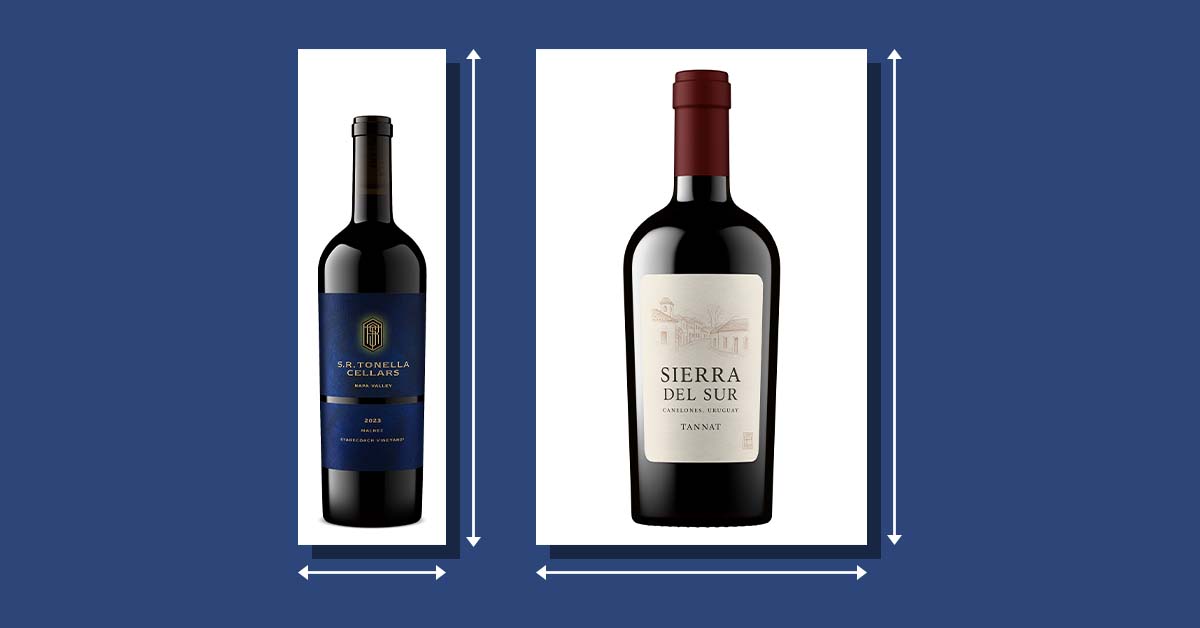
Line up every product image side by side. Same lighting, same angle, same scale, same background treatment.
Inconsistency creeps in one image at a time: a different photographer here, a phone shot there, a quick fill to cover a gap. Each one looked fine alone. Together they read as a brand without a standard.
Consistency is the difference between a portfolio and a pile of pictures.
3. Can your images meet every channel's spec?
Your website, your marketplaces, your distributor's catalog, and your retail partners each have their own requirements for resolution, format, and background.
The question is not whether your hero image looks good. It is whether you can hand any channel the exact file it asks for, without a reshoot.
This gap usually gets discovered when a new account asks for a spec your current photos cannot meet, which is always the worst possible time.
4. Does your label read at thumbnail size?
On a listing page, your bottle competes at postage-stamp size.
Shrink your main product image down to how it appears in a search result or a shopping feed. If the brand name and product type do not read instantly, the image is working against you.
Clean, high-contrast product images also travel better into shopping feeds and AI-driven product discovery.
5. How fast can you go from new label to live image?
Count the real timeline: label approved, samples shipped or a shoot scheduled, photos edited, files formatted, listings updated.
If that chain is measured in weeks, every launch inherits the delay. Brands working from a digital twin of their packaging skip most of the chain, because the image can exist before the product does.
Your release calendar should set the pace, not your photography pipeline.
6. Could you update every image tomorrow?
A vintage rolls over. A closure changes. A regulation forces a label tweak across the range.
The question is not whether change is coming. It is whether your library can absorb it without starting over.
Part of this is file discipline: knowing where your print-ready label files live and who can produce them today.
7. Do you have more than the straight-on bottle shot?
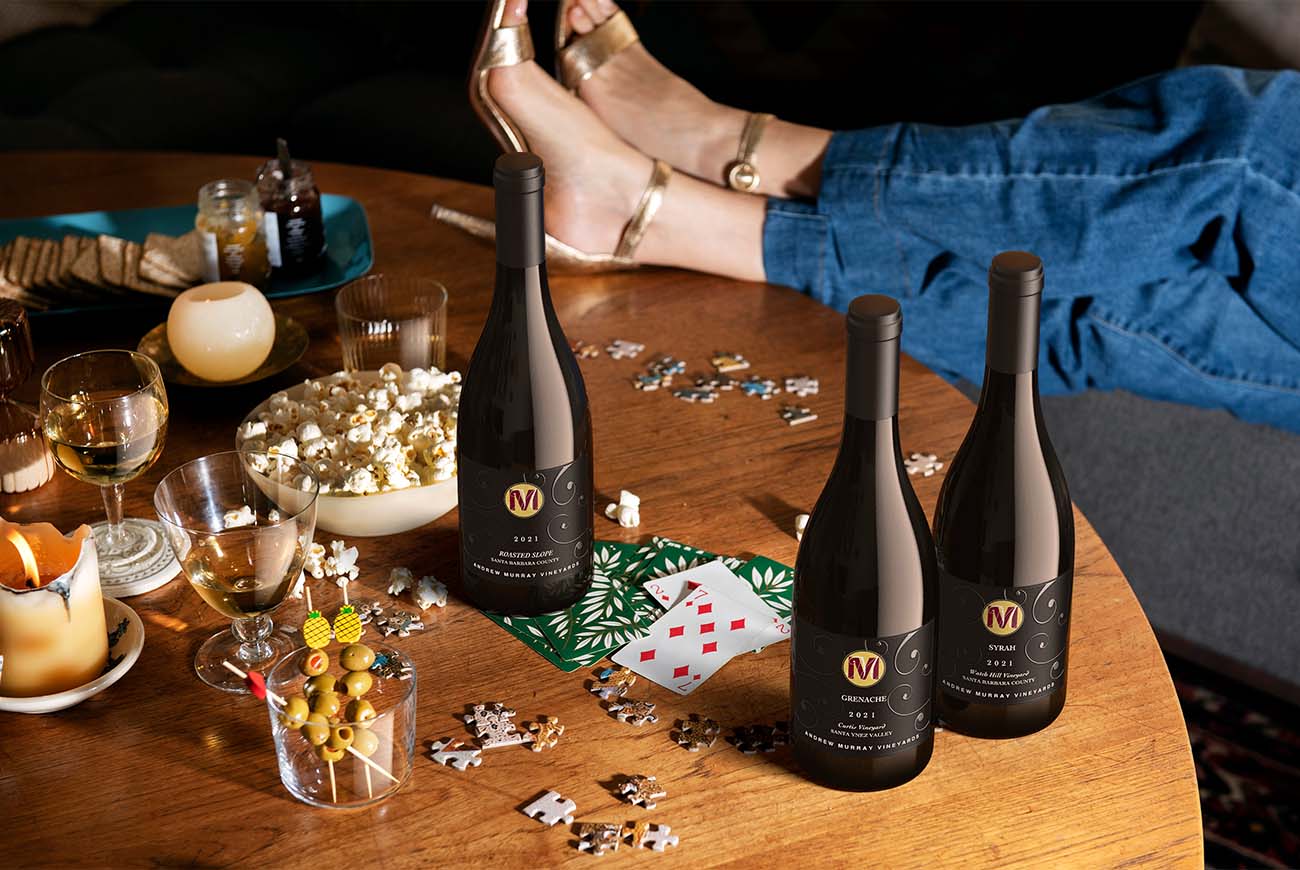
A complete library goes beyond the white-background product shot. Occasion and lifestyle images for campaigns, group shots for the portfolio page, seasonal content for the holiday push.
Gift-season campaigns lean on imagery that puts the product in a moment, not in a void.
If everything you have is the same straight-on shot, every campaign you run this season will look the same.

Two ways to turn your answers into a score
These seven questions are a sample, not the audit itself. The free visual scorecard does what an article cannot: it scores you.
The full scorecard is 23 questions across five sections: library completeness, visual consistency, channel readiness, production process, and image type diversity. It takes about 20 minutes and returns your maturity tier, a section breakdown, and a 90-day plan sized to where you actually are.
Short on time, take the Quick Pulse instead. Five questions, one per section, about three minutes, and you get a fast estimate of your tier.
Either way, you leave knowing exactly what to fix before the season locks in.
Where Outshinery fits after the audit
The scorecard shows you where the gaps are. Closing them is what Outshinery does.
Outshinery Studio is human-led 3D production. Trained artists build a photorealistic digital twin of your packaging and render every image from it, which is how complex finishes, custom scenes, and full portfolios stay consistent. It is also how your images can be ready before your wine even exists.
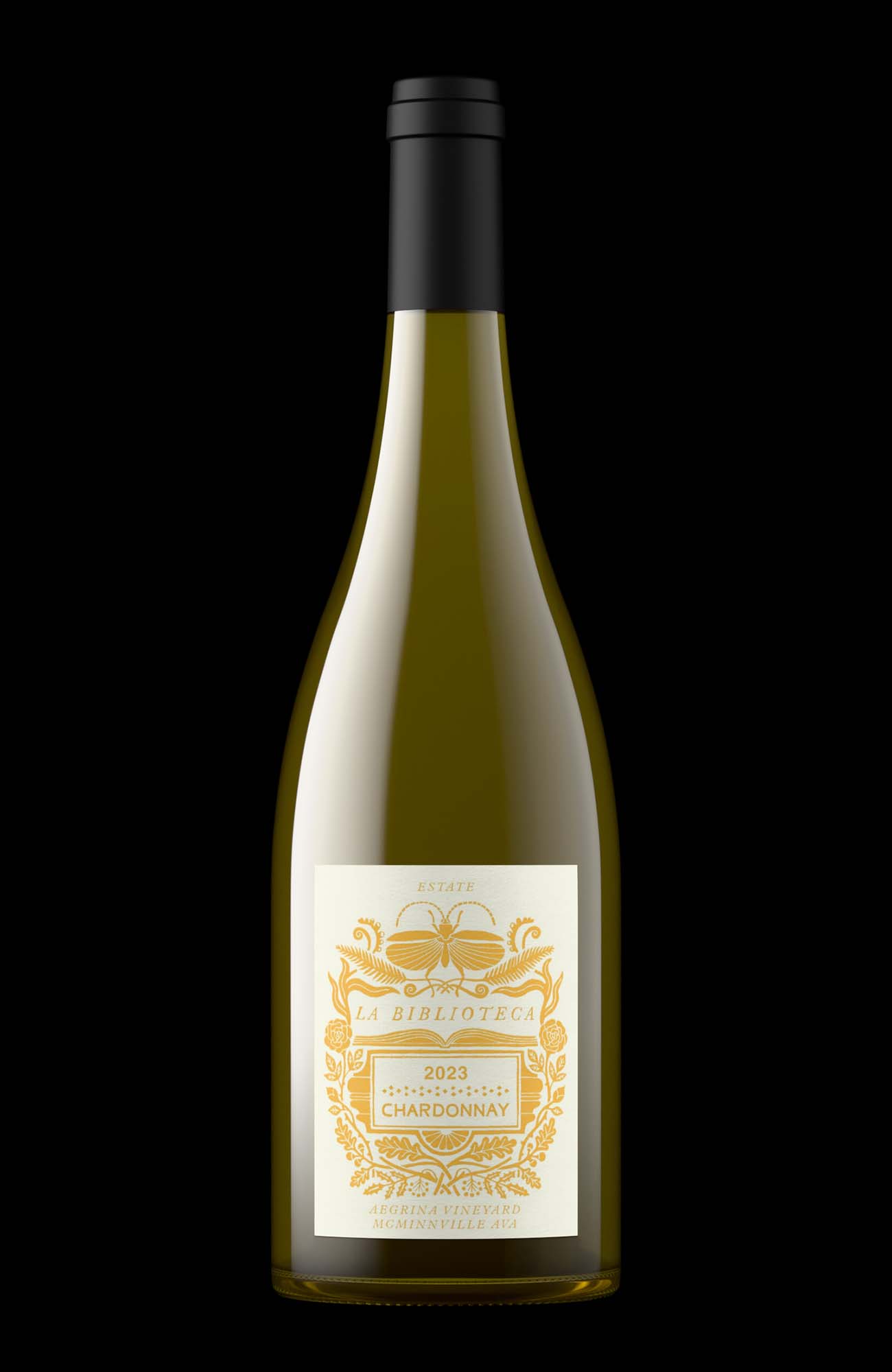
Outshinery Lite is the self-serve option for standard wine, cider, and beer bottles. Upload your label, pick your bottle and closure, and download a photorealistic bottle shot in under an hour for $29 per image, without a photoshoot.
They are two distinct services for two distinct situations, and your scorecard tier points you toward the right one.
Frequently asked questions
What is a visual audit for a beverage brand?
A visual audit is a structured review of every product image a brand uses to sell: which SKUs are covered, whether images are current and consistent, whether they meet each sales channel's specs, and how quickly they can be produced or updated. Outshinery's free visual scorecard runs this as 23 questions across five sections and returns a maturity tier with priorities.
When is the best time to run a visual audit?
Four to eight weeks before your busiest selling season, while gaps are still cheap to fix. For most northern-hemisphere beverage brands, that means late summer, before holiday campaigns, retail resets, and club shipments are locked.
How long does the Outshinery visual scorecard take?
The full scorecard is 23 questions across five sections and takes about 20 minutes. The Quick Pulse is five questions, about three minutes, and gives a faster, less precise estimate of the same tier.
What do I get at the end of the scorecard?
A maturity tier (Reactive, Patchy, Structured, or Optimized), a section-by-section breakdown with your top priorities flagged, and a 90-day plan of action sized to where your library stands.
Do I need professional photography to score well?
No. The scorecard measures outcomes: coverage, consistency, channel readiness, production speed, and image range. Whether your images come from a photographer, a Studio render, or a self-serve tool like Outshinery Lite does not change the scoring, though 3D renders make several of the standards easier to hold.
What to gather before the scorecard
- SKU list: Every product shipping today, with the vintage or batch that is actually on the label
- Your own listings: Your product pages open in one tab, plus one marketplace listing and one distributor catalog entry
- Channel specs: The resolution, file format, and background each channel asks for, in writing rather than from memory
- Label files: Where your print-ready vector or layered PDF files live, and who can produce them today
- Last launch timeline: The real number of days from label approval to live image on your most recent release
- Image types on hand: What you have beyond the straight-on bottle shot, meaning lifestyle, group, and seasonal
- Season lock date: The date your holiday campaigns, retail resets, and club shipments are committed
With those seven things in front of you, the visual scorecard takes about 20 minutes and gives you your tier and a 90-day plan.