Olive oil bottle photography for premium brands
Harvest dates, four fill sizes, and an estate line that has to match the wine beside it. Why olive oil imagery drifts, and what premium producers do instead.

Olive oil packaging has had a decade of serious design work. The imagery has not kept up.
Walk a specialty aisle and you will find foil-stamped harvest dates, uncoated textured stock, custom glass, and pour spouts chosen with as much care as any spirits closure.
Then look at the same brand online. A phone photo on a kitchen counter, or a bottle shot showing a label two harvests old.
United States olive oil imports reached 437,309 tonnes in the 2024/25 crop year, up 20.6% on the year before, according to the International Olive Council. Almost all of it arrives ready for a shelf: retail-sized containers under 18 kg account for 94% of Italian olive oil exports to the United States.
The packaging is what the buyer meets first, on every listing, every sell sheet, and every distributor portal.

A lot of olive oil comes from wineries
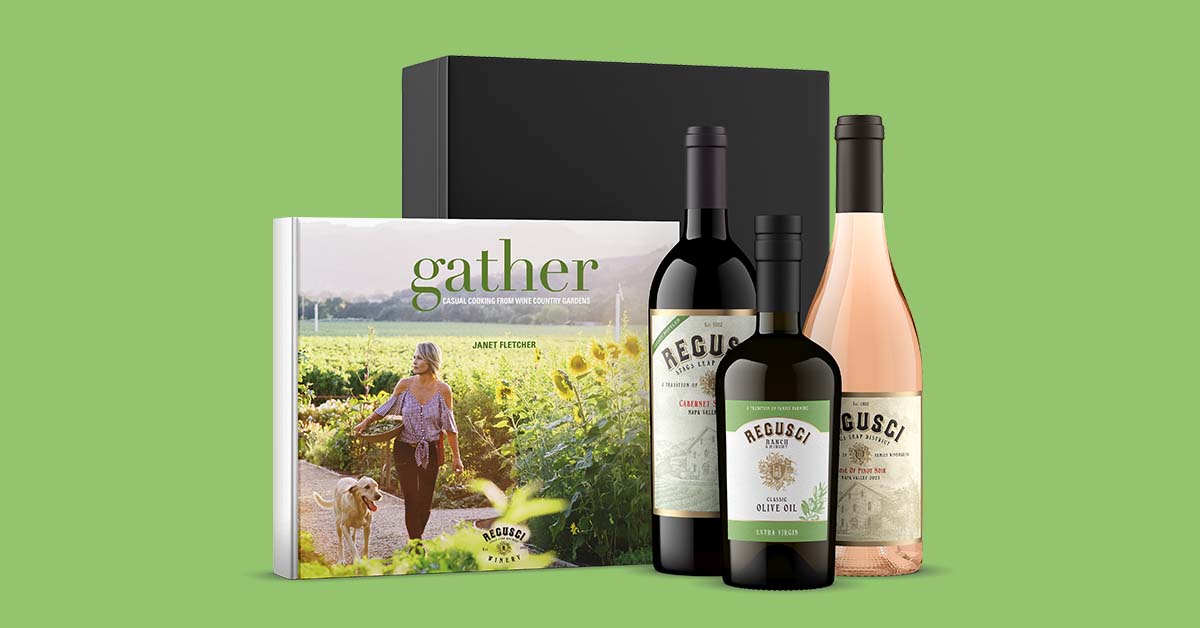
Estate olive oil is one of the most common side lines in wine. Napa, Sonoma, Tuscany, Provence, McLaren Vale, the olives are already on the property and the tasting room already has a shelf.
It usually starts as a small run for the tasting room and the holiday gift set. Then it lands on the DTC site, next to the wine.
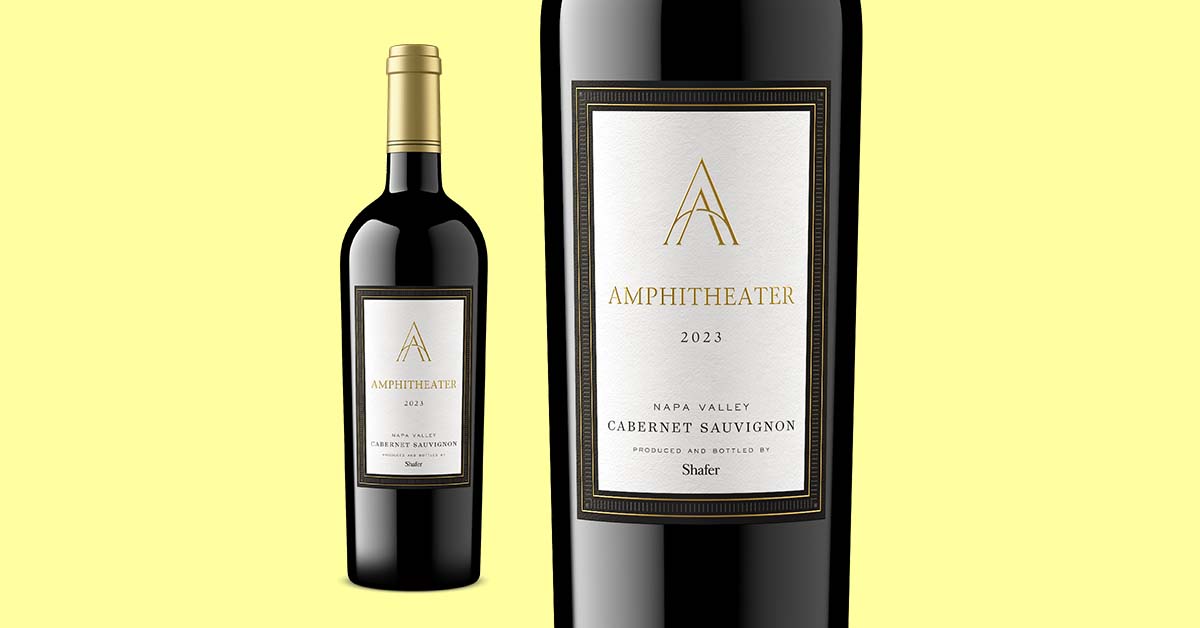
That is where the mismatch shows. The Cabernet has a clean bottle shot on a white background, and the olive oil has a photo somebody took on a windowsill.
A buyer does not read those as two product categories. They read them as one brand that is careful about some things and not others.
Your olive oil belongs to the same visual system
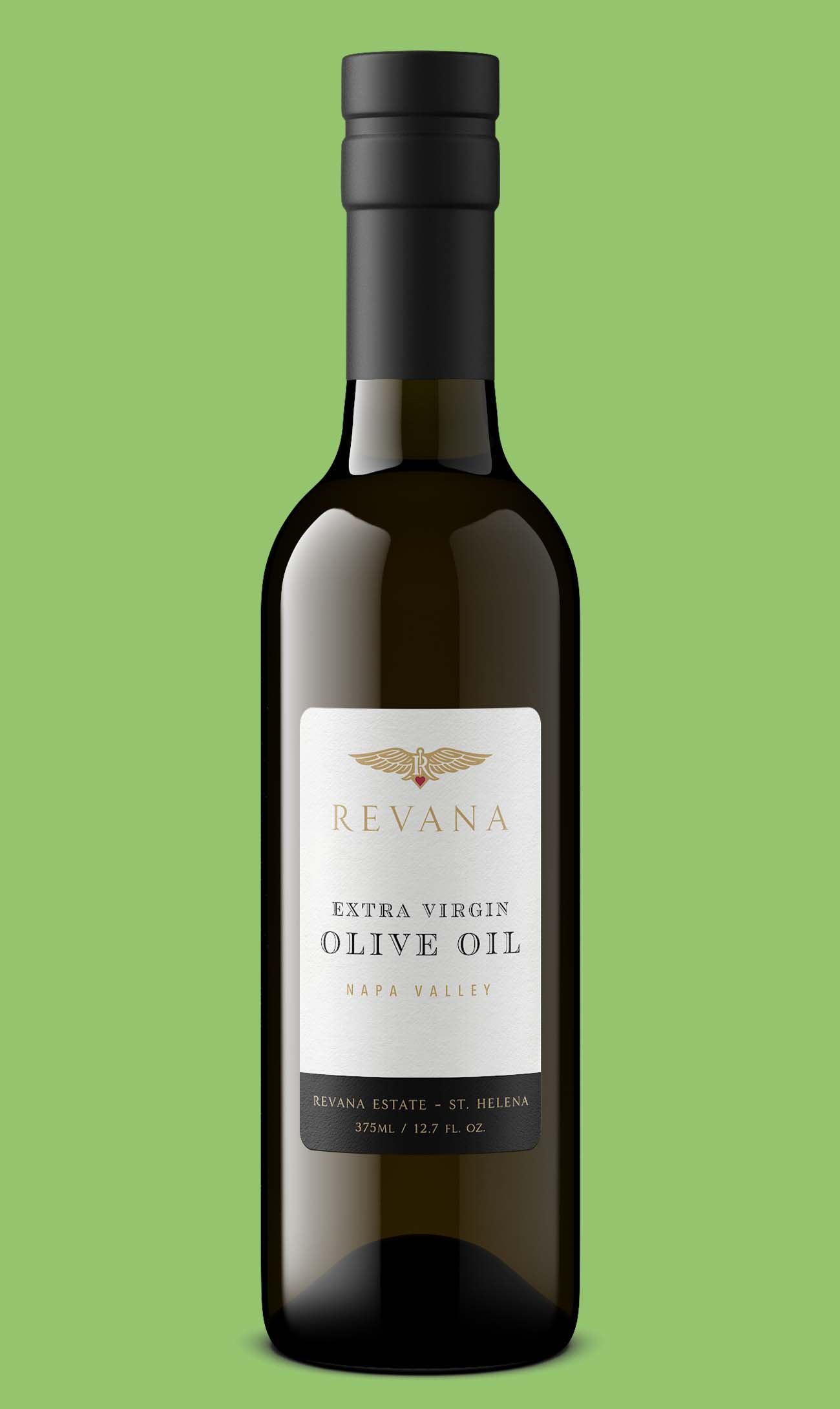
Cohesion across a portfolio comes from a shared standard, not a shared photographer.
Same camera angle. Same lighting direction, same background, same shadow treatment, same crop ratio and file specification.
When the wine and the olive oil are produced months apart by different people, none of that holds. The olive oil ends up slightly warmer, slightly lower in frame, slightly softer, and the grid on your shop page stops reading as one family.
The goal is not more images. It is visuals that hold up consistently, wherever your product is seen.
The harvest date resets your images every year
Premium olive oil carries a harvest date, and the buyers who care about quality check it.
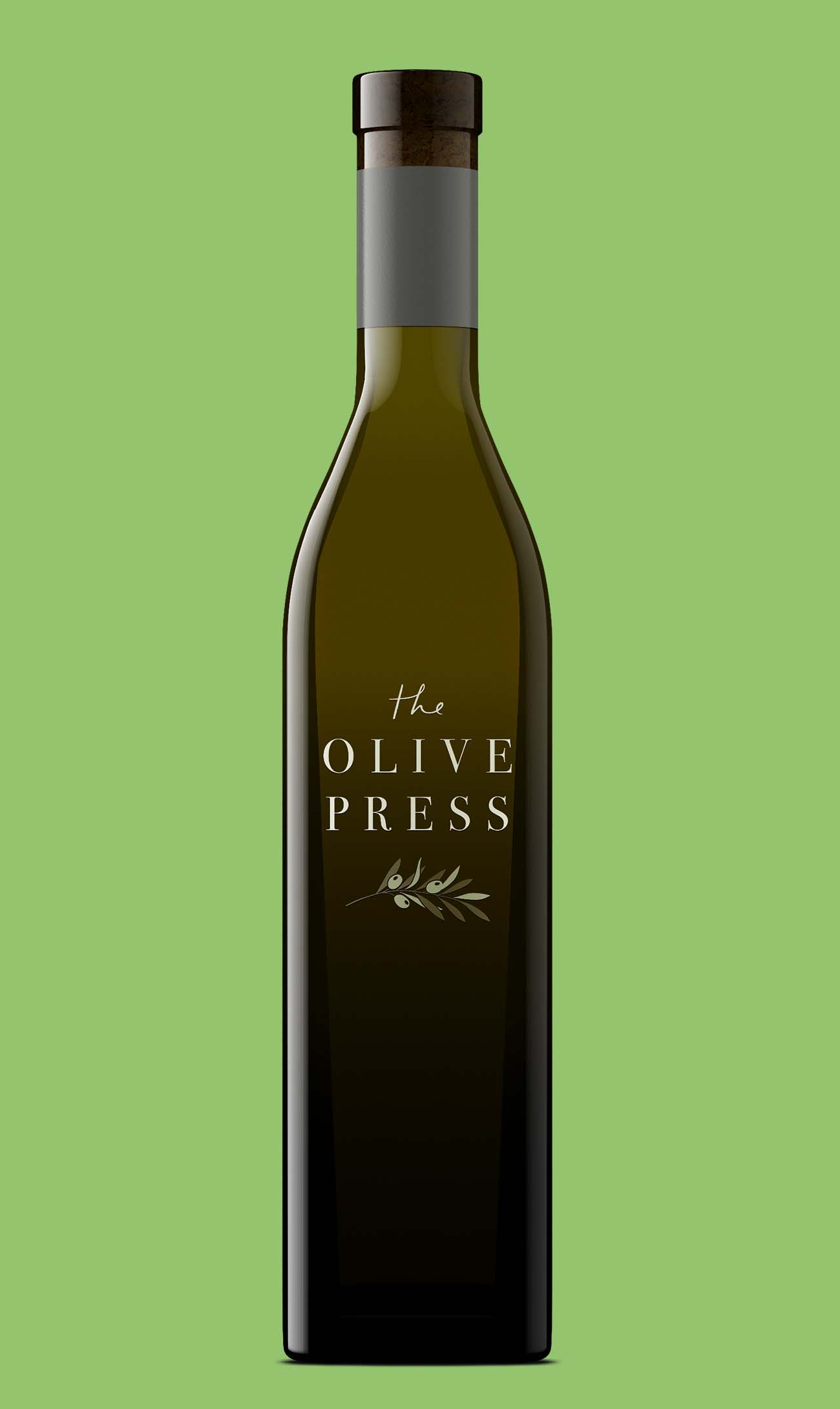
That makes the label an annually reprinted asset, the same way a vintage does in wine. Every new harvest is a new label, and every new label makes last year's imagery wrong.
Most brands find this out in the same order. They pay for a shoot once, use the images for three years, and quietly run listings showing a crop year that is no longer in the bottle.
Wineries already know this problem from vintage changes. Olive oil puts it on a second product line, on a different calendar from the wine.

One brand, two categories, four formats
An olive oil line is rarely one bottle.
A typical estate producer runs an everyday blend, a single-varietal or early-harvest bottling, at least two fill sizes, and often an infused range. Add a 3-liter tin for restaurant accounts and a gift set for Q4.
In a camera workflow each of those is a separate setup, and each setup drifts. Different day, different light, different retoucher, different result.
Consistent images for a whole product line-up are much harder to buy than one good photo. They are also the thing that actually moves a shop page.

What shipping samples actually costs you
The standard route is to send bottles to a photographer. But the timing rarely works.
The label is finalized weeks before the fill runs, which is exactly when the sales team needs images for a distributor deck.
There is a second route, and it does not involve a camera.
How olive oil brands get bottle shots without a shoot
A 3D artist builds your container as a digital model from the glass specification, applies your print-ready label file to it, and renders the image. Nothing is shipped, and the bottle does not have to be filled first.
This is a virtual studio approach, and it is how most wine, spirits, and beer brands now produce packaging imagery. The mechanics carry over to olive oil without changes: the container is glass, the label is a print file, the closure is a known part.
Outshinery Studio works this way. A trained 3D artist builds and renders every image, so foil, embossing, textured stock, and the color of the oil in clear glass are constructed from your specification rather than corrected after the fact.
For a winery already ordering wine bottle shots, the useful part is that the olive oil goes through the same hands, to the same standard, on the same background. One visual system across both categories.
Because the 3D model is a permanent asset, next harvest is a label swap on a container that already exists, not a second photoshoot.
One render. Reused, updated, and scaled across every channel.
If you are working out what your line-up needs, find your plan returns a scoped estimate based on the number of SKUs you actually have. You can also open a Studio account and try it with one welcome Shine Credit, no card required.

Frequently asked questions
How do you photograph olive oil bottles without a photoshoot?
A 3D artist builds the container as a digital model from the glass specification and applies your print-ready label file, then renders the image. This happens without shipping physical samples, and the bottle does not need to be filled, so images can be ready before the harvest is bottled.
Can a winery get its olive oil and wine images to match?
Yes, if both are produced to the same visual standard: same angle, lighting direction, background, shadow treatment, and file specification. Ordering both from one production source is the reliable way to hold that standard, because cohesion comes from a shared specification rather than a shared photographer.
What do you need to provide for olive oil bottle photography?
The exact glass specification, meaning the mold number and manufacturer rather than just dorica or marasca, plus print-ready label files for front and back, closure and capsule details, and a color reference for the oil if the glass is clear or lightly tinted.
Does Outshinery Lite work for olive oil?
No. Lite is a self-serve tool for wine, cider, and beer bottles only. Olive oil packaging goes through Outshinery Studio, where a 3D artist builds the container and handles finishes such as foil and embossing.
How often does olive oil imagery need to be updated?
Whenever the label changes, which for premium olive oil is usually every harvest, because the crop year is printed on the label. With a 3D model already built, that update is a label swap rather than a new shoot.

The olive oil imagery prep checklist
- Glass: Mold number and manufacturer, not just dorica, marasca, or quadra
- Formats: Every fill size in the line, 250ml through 3-liter tins, listed as separate SKUs
- Closure: Pour spout, non-drip insert, T-cork, or screw cap, plus capsule or tamper band
- Labels: Print-ready files from your designer, front and back, not a JPEG or a photo of the bottle
- Print finishes: Call out foil, embossing, hot stamping, and uncoated textured stock explicitly
- Oil color: Reference photo or hex value for anything in clear or lightly tinted glass
- Harvest date: Confirm which crop year the label shows before anything is rendered
Twenty minutes here prevents a full round of proofing later.