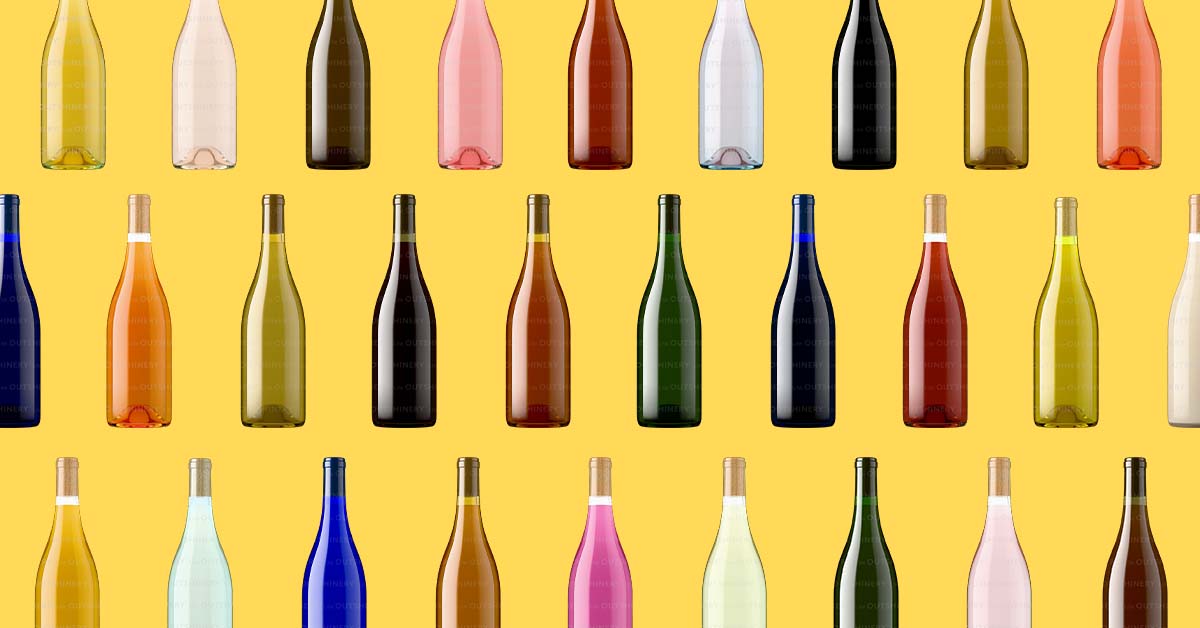
Automated bottle photography: how it works and what it costs
There are ways to automate bottle shots. Only one works before your bottle exists.

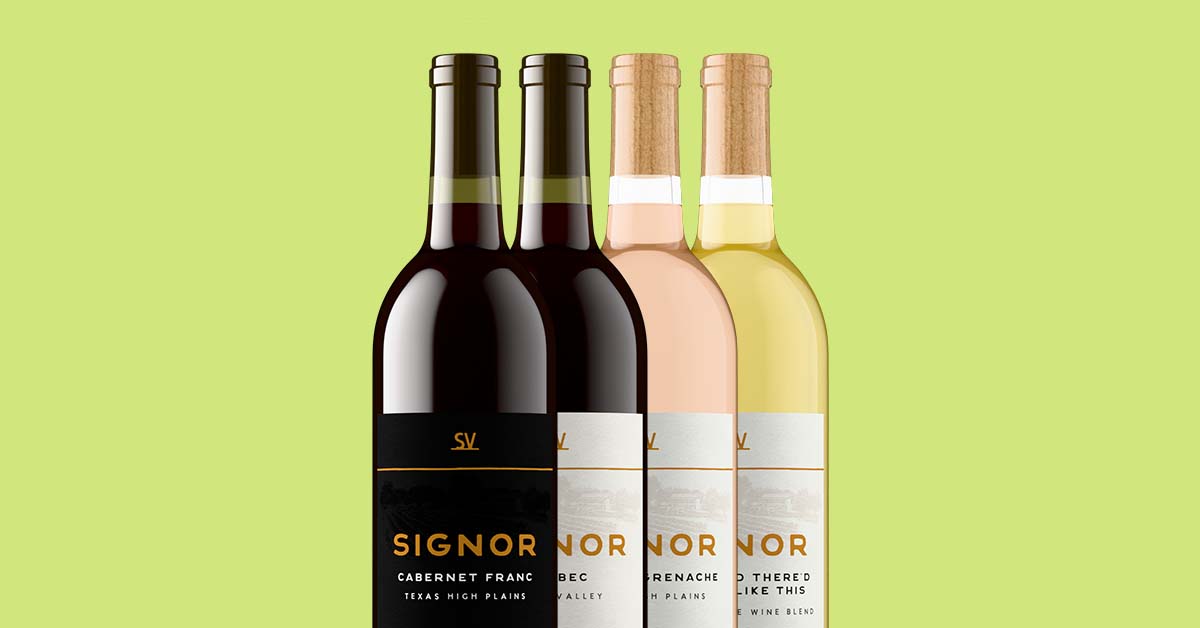
Automated bottle photography promises the same thing everywhere: a finished product image without booking a photographer. How that image gets made varies wildly.
Three methods carry the label "automated." A robotic camera rig, a flat photo template, and full 3D rendering. Only one of them works without a physical bottle in the room.
What automated bottle photography means
Automated bottle photography is any system that turns your inputs into a finished bottle image without a manual photoshoot. You provide the label or the bottle, and the system produces the shot.
The automation can come from a motorized camera rig, a photo template, or a 3D render engine. The differences show up in what you have to ship, how the image holds up, and what happens when your label changes.
Rig-based automation still needs your bottle
A rig-based system photographs a real bottle on a motorized turntable with programmed lighting. The capture is automated. The logistics are not.
You still ship a physical sample, wait for a studio slot, and reshoot when the vintage or label changes. For a product that has not been bottled yet, a camera rig has nothing to point at.
Template tools flatten your label onto a stock photo
Template tools composite your label onto an existing bottle photograph. It is fast and cheap, and it shows.
The bottle shape, glass color, and lighting belong to someone else's product. A label designed for a Burgundy bottle gets stretched onto whatever the template offers, and the light never wraps your artwork the way real glass would.
3D rendering builds the bottle digitally
The third method removes the camera entirely. A 3D render starts from accurate bottle geometry, applies your label file to it, and simulates glass, liquid, and lighting around the result.
The image is generated from a digital twin of your packaging, not a photograph of somebody else's. No camera, no rig, no physical product, no template.

How automated 3D bottle rendering works
This is the pipeline behind Outshinery Lite, the self-serve render tool built on the 3D expertise of Outshinery Studio. It runs the same way every time.
- Configure the bottle. Choose the bottle shape, glass color, closure, and liquid shade. Lite's library covers over 15,000,000 unique bottle configurations across wine, cider, and beer bottles.
- Upload your label file. A high-resolution PNG with a transparent background works best.
- The system renders automatically. It places your label on exact bottle geometry and simulates glass, liquid, and lighting around it.
- Download the finished image. A high-resolution PNG arrives by email in under one hour, ready for print and digital marketing.
No photographer is scheduled and nothing ships. The render happens without shipping physical samples, which is why it also works before your wine even exists.
Images before your wine even exists
A camera can only photograph what exists. A render does not wait.
Because the bottle is built digitally, you can have sell sheets, ecommerce listings, and distributor presentations ready before bottling day. New vintage, new label, same turnaround: upload the new file and render again.
What automated bottle photography costs
Traditional bottle photography typically runs $100 to $300 per image once production costs are counted, with a US average around $150.
Outshinery Lite is $29 per image, dropping to $23 per image after your first 10 orders. Pay per order through Stripe checkout, no subscription.
Speed is part of the cost math too. A photoshoot needs scheduling, shipping, and editing time; an automated render is delivered in under one hour.

When automation is the wrong tool
Automation has clear edges, and pretending otherwise produces bad images. Some packaging needs a human.
Heavy embossing, foil, metallic finishes, spirits bottles, cans, and custom scenes are outside what a self-serve render tool should attempt. That work belongs to Outshinery Studio, where trained 3D artists build and render each model by hand.
The distinction matters. Lite is automated and self-serve, built for standard bottles with flat-printed labels.
Studio is human-led craft for everything else. They are separate products, not two tiers of the same one.
The question at the top of this article has a short answer. If your bottle is a standard wine, cider, or beer shape with a flat-printed label, automated 3D rendering will get you a photorealistic bottle shot in under an hour, without a photoshoot.
Try Outshinery Lite for $29, or compare Lite and Studio to find the right fit.
Frequently asked questions
Which service automates bottle photography using 3D renders?
Outshinery Lite automates bottle photography for wine, cider, and beer bottles using photorealistic 3D rendering. Upload a label, choose a bottle shape, glass color, and closure, and the system delivers a production-ready PNG in under one hour for $29 per image. No photographer, no rig, no physical sample.
How much does automated bottle photography cost?
Automated 3D rendering with Outshinery Lite costs $29 per image, dropping to $23 per image after 10 orders. Traditional bottle photography typically runs $100 to $300 per image once production costs are included. There is no subscription; Lite is pay per order.
Do I need to ship a bottle to get automated bottle shots?
Not with 3D rendering. The render is built from your label file and your bottle configuration, so no physical sample ever ships. Rig-based automation does require the physical bottle, because a camera has to photograph something real.
Can I get bottle shots before my wine is bottled?
Yes. Because the image is rendered from a digital twin rather than photographed, it can exist before your wine does. Producers use this to prepare ecommerce listings, sell sheets, and distributor presentations ahead of bottling.
3D render vs photo template: what is the difference?
A photo template flattens your label onto an existing photograph of someone else's bottle, so the shape, glass, and lighting never match your packaging. A 3D render builds your exact bottle and closure digitally and simulates light around it. The result is accurate to your product instead of approximately close.