What mature brands do differently with visuals
The brands with the most polished visual operations are not the ones spending the most.


Most beverage brands assume the problem with their visuals is budget.
What we see across two thousand brands says otherwise.
The brands with the most consistent, useful, on-time visual assets are not the ones spending the most. They have made a different kind of decision, much earlier, that compounds for years.
Two ways to operate
There are two ways a beverage brand can run visual production. Most brands do one. A small group does the other.
The first is reactive. A new SKU lands on the production calendar. Marketing scrambles to brief a photographer. Samples ship. Shoots get scheduled. Edits get traded. Six weeks later, the brand has images that almost match the previous release but not quite. The next launch resets the cycle.
The second is systemic. The brand treats visual assets the way it treats packaging itself.
There is a master. A library. A way to update without starting over.
New SKU? The library already has the container.
Plug in the new label. Ship the visual the same week.
Same trigger. Same business. Different outcome by a factor of five or ten on speed, and a margin nobody tracks on cost.
It is not budget, talent, or tools
The gap between the reactive brand and the systemic one is not what most operators assume.
It is not budget. Some of the most expensive visual programs we have seen sit firmly in reactive territory. Money does not buy structure.
It is not talent. Both kinds of brands hire from the same shallow pool of beverage-fluent designers and photographers.
It is not tools. The reactive brand and the systemic brand use the same software, the same Adobe suite, the same project management apps.
The gap is whether the brand treats visuals as infrastructure or inventory.
Inventory depreciates. Every shoot is a one-time cost that produces a finite set of assets. They go out of date the moment something changes. The release rolls. The closure swaps. The label finish gets revised. The asset is dead, and it is time to commission another shoot. Infrastructure compounds. A photorealistic 3D model of the container and the label is built once.
Release updates take a day. Closure swaps take an hour. A magnum line extension takes the same week, not the same quarter. The brand spends less over time and ships more.
This is the structural choice. Most brands have not made it explicitly. They are operating on inventory thinking by default, and rebuilding the wheel every release.
The four tiers we see
Across the brands we work with, visual operations sit on a maturity curve. Four rungs.
Reactive. Visuals are an event. Each launch triggers a separate scramble. Costs are unpredictable. Quality drifts from one release to the next. The team is always behind.
Patchy. A standard process exists for some categories of work but not others. The hero SKUs are handled. The long tail is not. Some assets get reused. Most still get rebuilt from zero.
Structured. Visuals are a workflow. There is a vendor on file, predictable turnaround, a documented brief template. The team is no longer firefighting. But each asset is still a project, and the library is not yet doing compounding work.
Optimized. Visuals are infrastructure. There is a master library of containers, labels, and scenes. Updates are cheap. Extensions are fast. The team gets faster, not slower, as the SKU count grows.
Most beverage brands sit between Reactive and Structured. The leap to Optimized is the one that changes what the marketing team can actually do with its time.

The cost nobody adds up
The reason most brands stay reactive is not that they prefer it. It is that the cost of staying reactive is hidden.
Nobody totals the photographer fees, the sample shipping, the lost product, the project management time, the back and forth, the retouching, the inconsistent results that get used anyway, the calls with distributors who cannot find usable images, the listings that never get updated because it is not worth another shoot for one SKU.
That sum is the Rework Tax. It is invariably larger than the brand expects. Often by a wide margin.
It is invisible because it is spread across line items, across teams, across quarters. It is structural because it is built into the way the work is organized, not into the people doing it.
The team is fine. The system is the problem.
Mature brands do different work, earlier
The visible difference between a Reactive brand and an Optimized one is the polish of the output. The real difference is when the work happens.
The reactive brand is always preparing the next shoot.
The systemic brand has already shipped it.
The choice is structural, not financial. And once it is made, it compounds.
How Outshinery fits
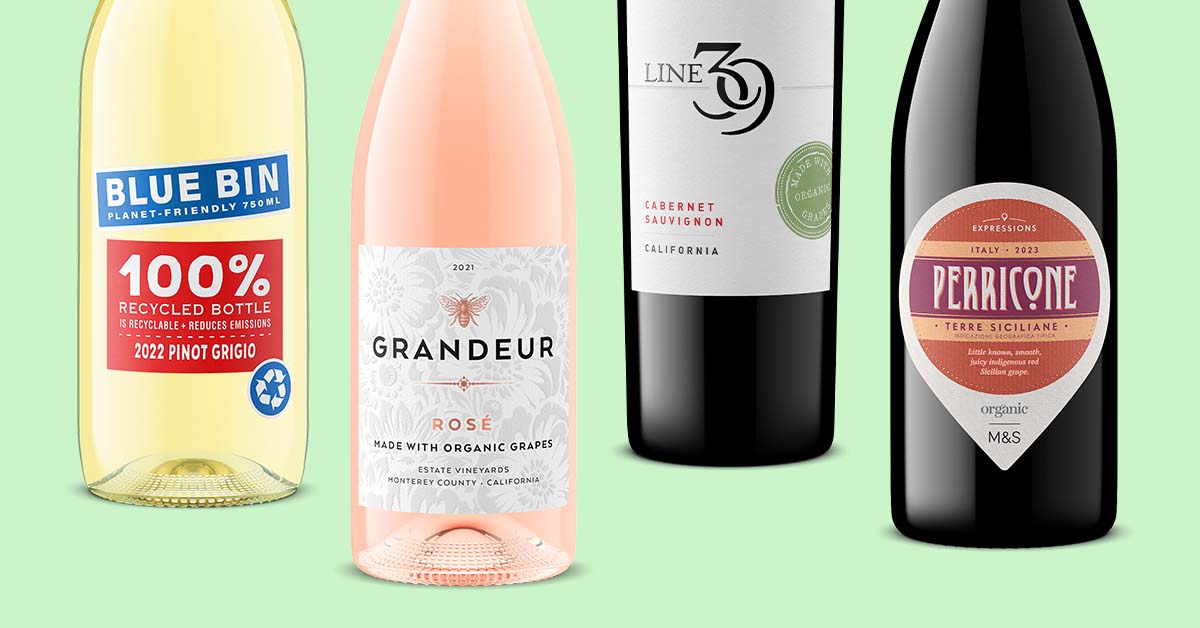
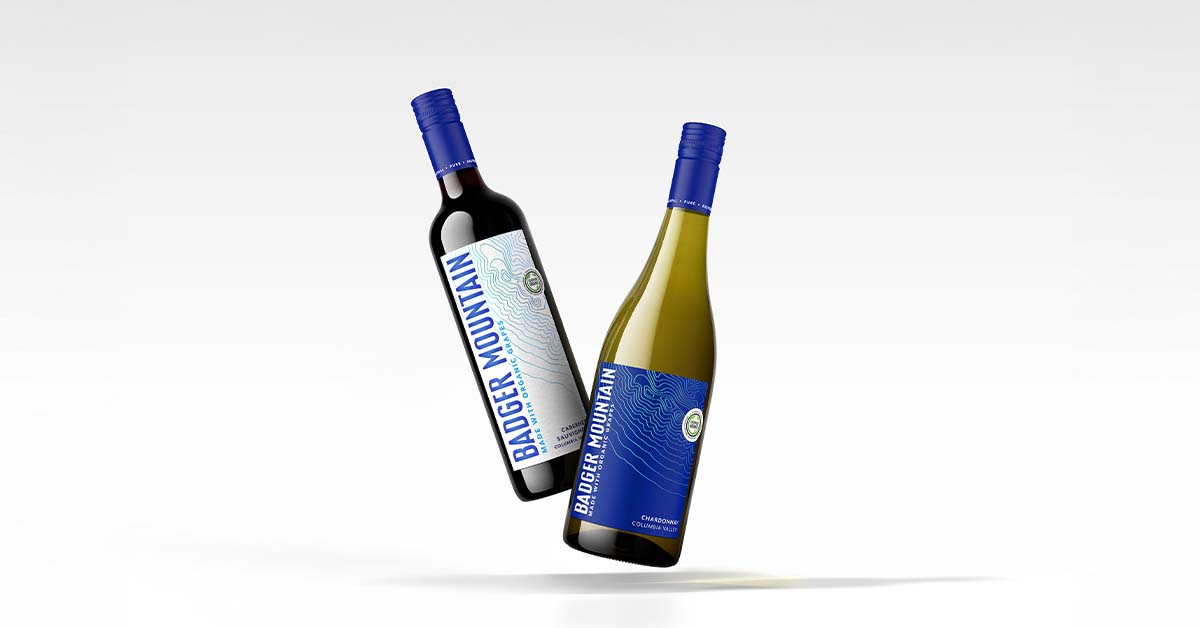
Outshinery builds the master library most brands lack. A photorealistic 3D model of every container, every label, every scene, ready to update in a day rather than a quarter.
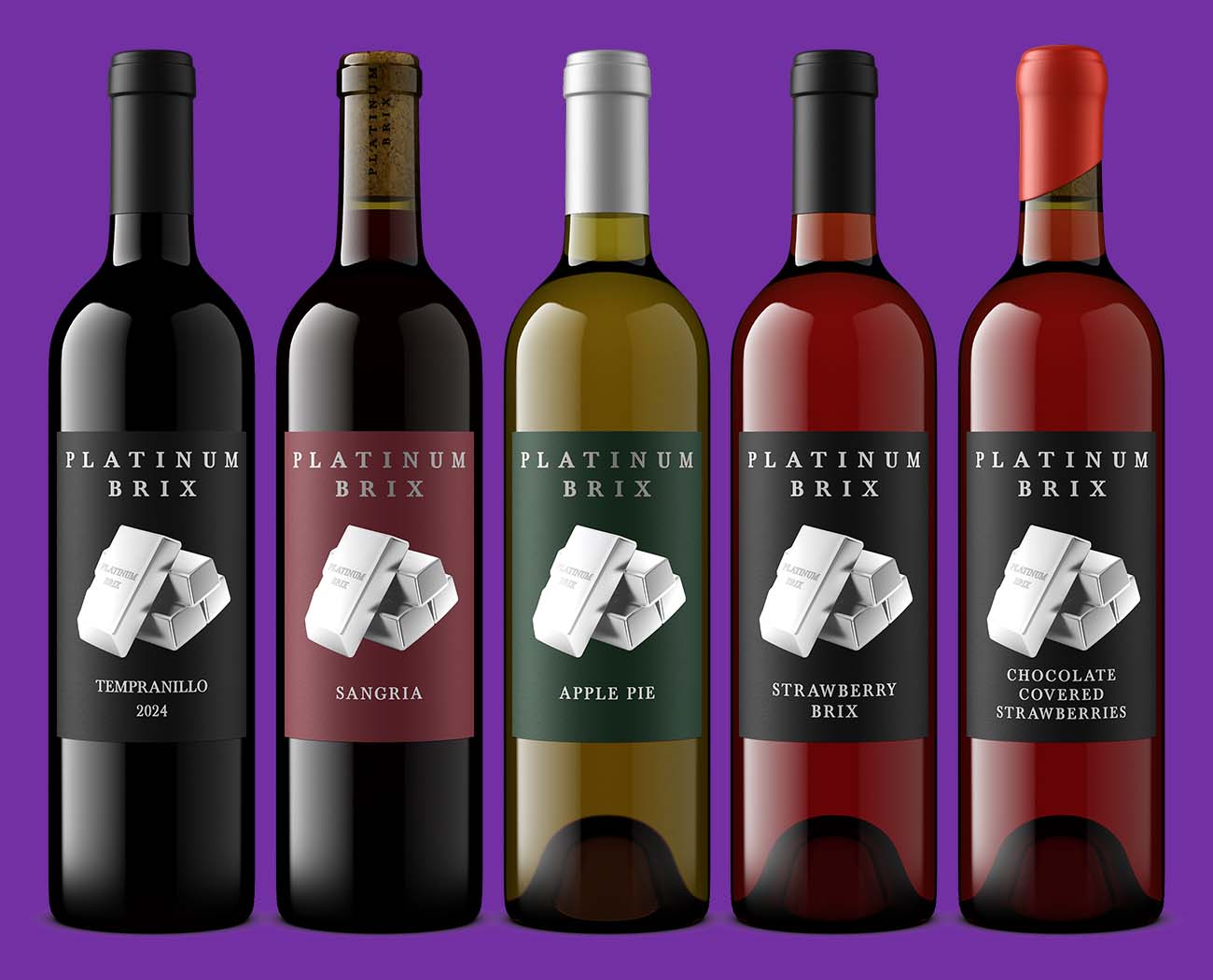
Outshinery Studio is the human-led production line for premium and enterprise brands. A trained team builds models for complex packaging, specialty finishes, custom scenes, and enterprise volume.

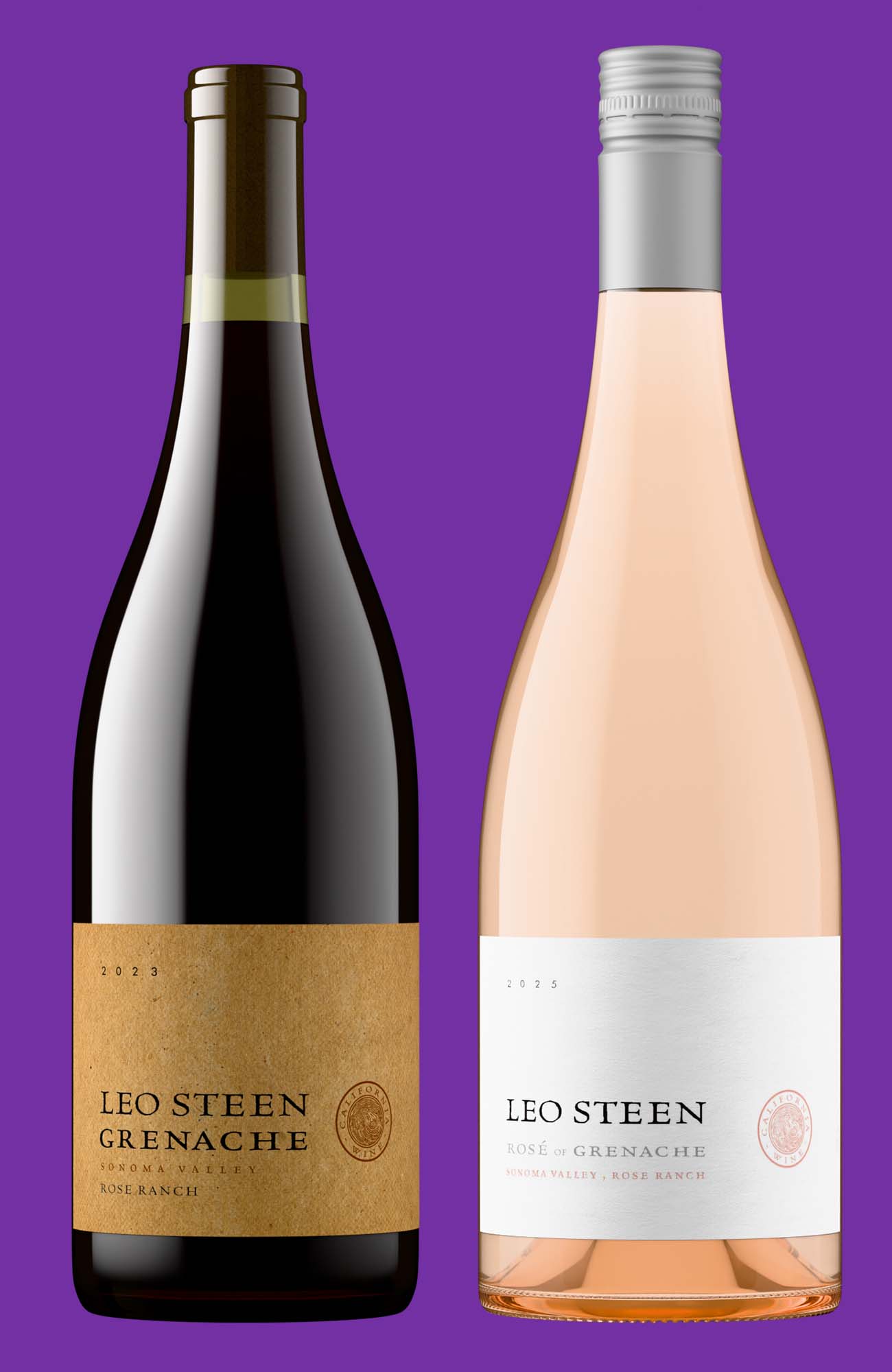
Outshinery Lite is the self-serve wine bottle shot generator for label-first releases. Upload a label, choose container and closure, and a photorealistic PNG arrives within about an hour.
Frequently asked questions
What does visual maturity actually mean for a beverage brand?
Visual maturity is the structural readiness of a brand's image operations, not the look of any single shot. A mature brand can produce a consistent, on-brand visual for any new SKU within days, update an entire library when a label changes, and never lose product time to a photo shoot. An immature brand commissions each asset from scratch every time the calendar turns.
Is this a Studio question or a Lite question?
Both, at different rungs. Lite is often the first move out of Reactive: it removes the per-shot friction and gives a brand consistent images in under an hour for standard wine bottles. Studio is the move into Structured and Optimized: a master 3D library that handles complex packaging, line extensions, lifestyle scenes, and cross-channel deployment from a single rendered source.
What is the Rework Tax?
The Rework Tax is the spread between what a brand thinks it spends on visuals and what it actually spends once every hidden cost is counted: photographer fees, sample shipping, lost product, project management time, retouching, inconsistent results that get used anyway, and the listings that never get updated because it is not worth another shoot for one SKU. It is invariably larger than the visible spend.
How long does it take to move from Reactive to Optimized?
For most mid-size beverage brands, the move from Reactive to Structured takes a single release cycle once the decision is made. The move from Structured to Optimized takes one to two cycles because it requires building the master library that then compounds. The decision is the slow part; the execution is faster than most teams expect.
What is the Visual Scorecard?
The Visual Scorecard is a twenty-minute assessment that walks a brand through six dimensions of visual operations and returns a maturity tier with a Rework Tax estimate. It is designed to be taken once per cycle (mid-year, end-of-year) so a team can track structural progress over time. It is free, gated by email, and produces a printable result the marketing lead can take into a planning conversation.