How much does product photography cost? CGI vs traditional for beverage brands
Real costs: photography, AI, templates & 3D for wine, beer & spirits


Product imagery is non-negotiable for beverage brands. You need shots that sell on retail shelves, digital channels, and distributor catalogs. But the cost varies wildly depending on method. Traditional photography, DIY templates, AI-generated images, and 3D rendering all operate at different price points with different trade-offs.
This guide breaks down what each approach actually costs and what you get for your money.
Traditional product photography: $500 to $5,000 per shot
A studio photographer with beverage experience charges anywhere from $500 to $2,000 per setup. If you need multiple angles (front, 45-degree, back, lifestyle), product-in-hand, or scene variations, you are looking at $3,000 to $5,000 per product.

Add retouching ($50 to $300 per image) and costs climb. Need the bottle shot in three lighting moods? That is three setups, three times the fee.
The hidden cost is time. A traditional shoot takes weeks to schedule, several days for production, and another week or two for retouching. Your release calendar does not wait. If you are launching new SKUs monthly or refreshing imagery seasonally, traditional photography becomes a logistical bottleneck.
DIY and template solutions: $20 to $200 per product
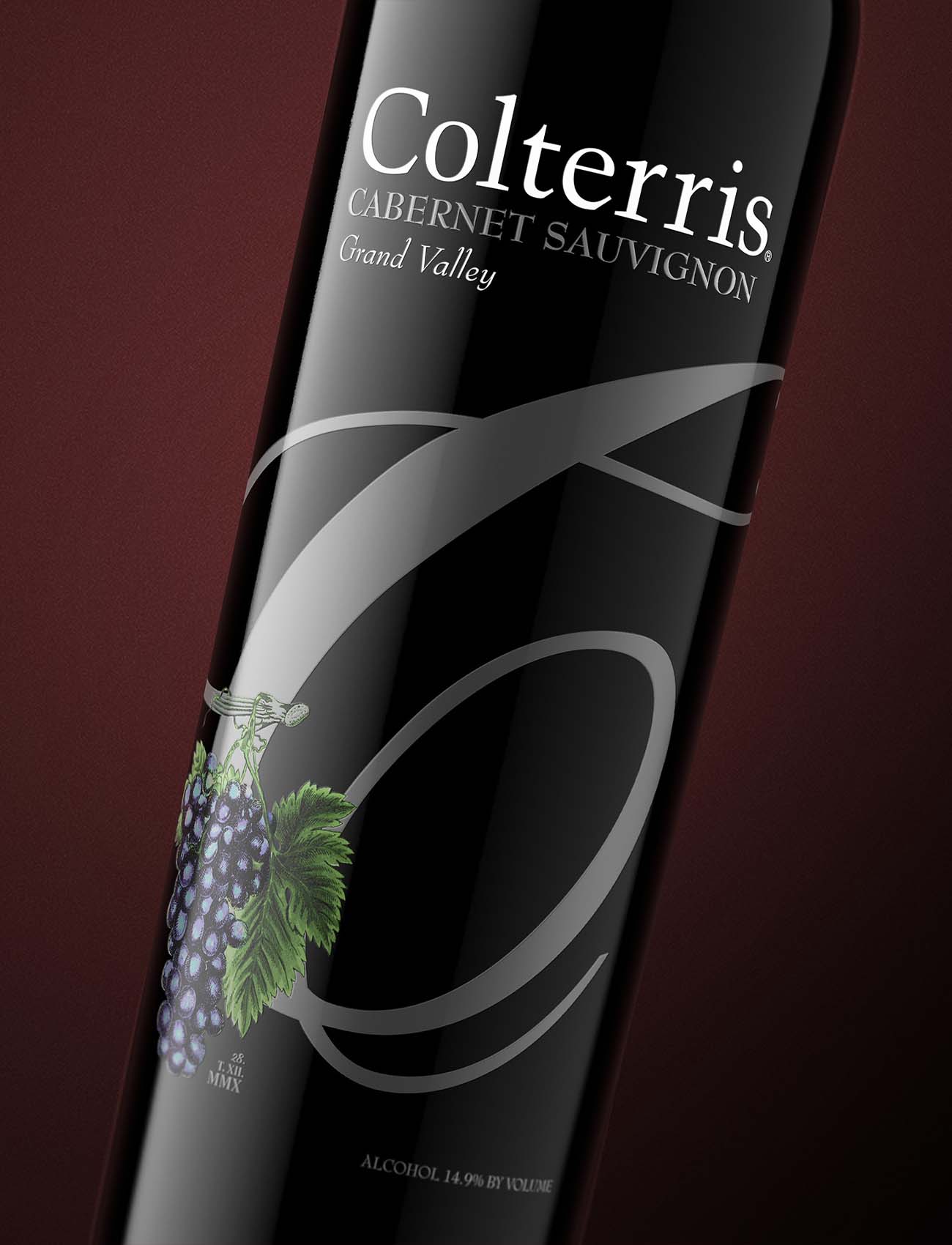
Stock photo sites and template-based tools (Canva, Adobe Express) offer pre-made bottle mockups and scene templates at $20 to $200 per product. They are fast. You download, customize, and go live the same day.
The catch: they are generic. Your Pinot Noir looks identical to a competitor's Pinot Noir in the same template. No differentiation. Retailers and wholesalers see template imagery and perceive lower quality or less commitment. Your brand does not stand out.
AI-generated imagery: $0 to $50 per image
Generative AI tools can produce product renders for free or at $10 to $50 per month on a subscription. Speed is unmatched.
Reality check: AI struggles with text on labels, fine packaging details (embossing, foil finishes, cork variation), and consistency across multiple images. You will spend hours in Photoshop fixing hallucinated logos or distorted text. For simple, label-forward products, AI may be viable. For premium or complex packaging, it falls short.
Legal risk is also real. AI training data origins are contested. Using AI-generated imagery without understanding licensing terms can expose you to liability.
3D rendering (CGI): subscription model or per-project
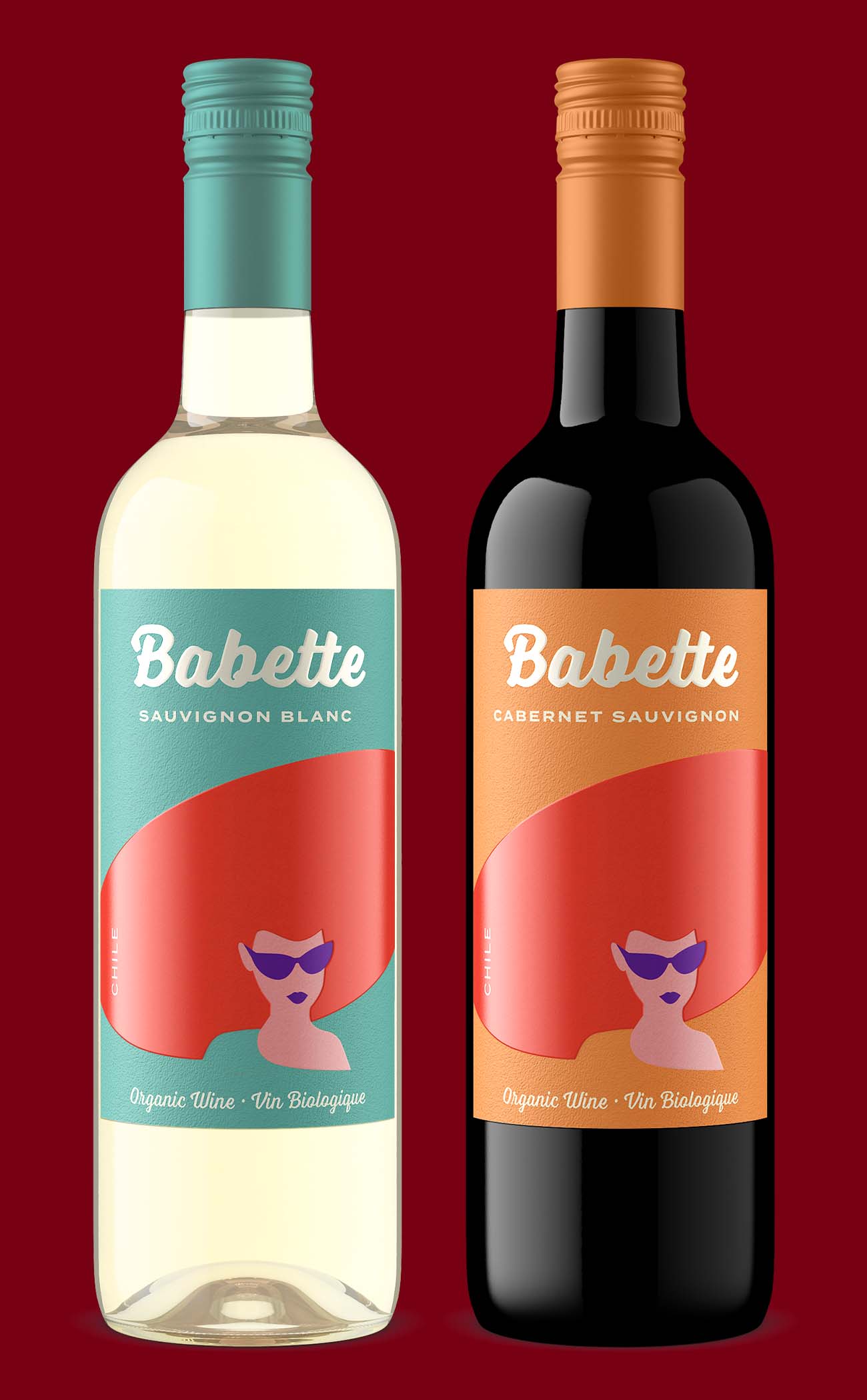
Professional 3D rendering combines photorealistic quality with unlimited variations. A bespoke 3D render, built from your actual bottle specifications and custom labels, placed in a professional scene, costs $800 to $2,000 per unique angle or setup when purchased individually.
Subscription-based 3D rendering flattens costs. Outshinery Studio charges via Shine Credits, with subscription tiers that bring the per-image cost down to roughly $50 to $200 depending on scene complexity and volume.
Why the range? Complex custom scenes cost more. Simpler, modular setups (bottle plus simple background) cost less. The advantage: once your 3D model is built, variations are nearly free. Different lighting? Change it. New label version? Swap the texture. Seasonal backgrounds? Render in minutes.

Self-serve 3D rendering: $29 per bottle shot
For wine brands, self-serve 3D rendering offers a middle path. Outshinery Lite lets you upload your label, select your bottle shape and closure type from a curated library, and receive a photorealistic PNG within approximately one hour for $29.
No retouching. No wait for a human artist. No subscription required. Ideal for small producers testing new releases, brands needing quick refreshes, or budget-conscious wineries that cannot justify traditional photography or full Studio subscriptions.
Trade-off: Lite is wine-only (not beer, spirits, or cannabis). Bottle shapes and closures are curated, not custom, so highly unusual packaging may require Studio instead.

Cost comparison at a glance
Here is how the five approaches compare across the factors that matter most to beverage brands:
- Traditional Photography costs $500 to $2,000 per image, takes 3 to 4 weeks, delivers high quality for simple products, but offers limited flexibility and variable consistency across shoots.
- DIY Templates cost $20 to $200 per product and ship the same day, but quality and differentiation are low. Every brand using the same template looks the same.
- AI-Generated imagery costs $0 to $50 per image and renders in minutes, but quality is medium with flawed details on labels and packaging. Consistency across a portfolio is low.
- Studio 3D Rendering (Subscription) costs $50 to $200 per image, delivers in 24 to 48 hours, and produces photorealistic results with high flexibility and portfolio-wide consistency.
- Lite 3D Rendering (Self-Serve, Wine) costs $29 per image, delivers in about one hour, and produces photorealistic results with medium flexibility and high consistency.
Which method solves which problem
Owner-Operator (small producer, fewer than 10 SKUs)
You are launching or refreshing your line. Traditional photography is expensive and slow. Lite is your entry point: $29 per bottle, one-hour turnaround, photorealistic results. If your packaging is custom or complex (embossed foil, specialty shapes), move to Studio and spread the cost across your full catalog.
Marketing Coordinator (mid-size producer, 20 to 100 SKUs)
You have a release calendar. New SKUs drop monthly. Seasonal variations hit twice a year. Traditional photography cannot keep pace. Studio subscription makes sense: budget predictability, fast turnarounds, unlimited variations once the 3D model is built. You are not reworking photography for every small change. You are changing textures and backgrounds in software.
The real metric is not cost per image
Most beverage brands know they need better imagery. What stops them is not cost. It is execution. Traditional photography requires coordinating shoots, managing product samples, waiting for retouching. DIY templates lack quality. AI feels risky. By the time a producer decides on a method, the calendar has slipped.
3D rendering removes that friction. Studio handles the heavy lifting: your creative director briefs, trained humans build the model, you get renders in days, and unlimited variations come at no additional cost. Lite is purely self-serve: upload, configure, download.
Neither requires physical inventory or shipping samples. Both deliver consistency across your entire catalog. Both solve the execution gap between knowing you need better imagery and actually having it ready when you need it.
A note on pricing estimates
The figures cited in this article are based on industry research, publicly available rate guides, and general market benchmarks for North American and Australian markets as of 2025. They are intended as directional context, not precise quotes. Photography costs vary significantly depending on region, project scope, number of SKUs, photographer experience level, and studio setup. Actual quotes from photographers or studios may differ. For CGI pricing, contact Outshinery directly for a tailored estimate based on your packaging and volume.