How to hire a wine photographer (and when you do not need one)
What a good wine photographer costs, how to choose one, and when the job is packaging imagery that does not need a camera.


Hiring a wine photographer costs between $50 and $350 per finished image, or $500 to $3,000 for a full day of shooting. For some jobs, that money is well spent.
The catch is that "wine photography" covers two different jobs. One needs a camera. The other, in most cases, no longer does.
This guide covers both honestly: what a good photographer costs in 2026, how to choose one, and how to tell when your project is actually packaging imagery, which is a different path entirely.
Decide what you are actually photographing
Wine photography splits into two kinds of subject, and the right hire depends on which one you have.
- Experiences: people, places, and events. Your winemaker in the cellar, harvest mornings, the tasting room at golden hour, club pickup parties, a set table with food pairings.
- Packaging: the bottle itself. Clean product shots for your online store, tech sheets, distributor portals, marketplace listings, and label submissions.
If the subject is an experience, hire a photographer. If the subject is the bottle, you have options that skip the photoshoot entirely.
Most wineries need both at some point. The mistake is paying experience-photography rates for packaging work, year after year.
What a wine photographer costs in 2026
Product photographers in the US typically price in one of three models. Wine sits at the harder end of each because glass is one of the most difficult subjects to light.
- Per image: $50 to $350 for finished, edited shots (Shopify's 2026 pricing guide)
- Per day: $500 to $3,000, before equipment rentals, studio space, and assistants
- Bottle-shot specialists: from $49 per bottle, plus the cost of shipping your bottles to their studio
- Rush fees: 25% to 200% of the job cost when the timeline shrinks
Once retouching, sample shipping, and licensing are added, traditional bottle photography typically lands between $100 and $300 per image all-in, with a US average around $150.
Licensing is the line item most owners miss. Photographers usually keep the copyright and grant you usage rights, so the same image can cost more depending on where you plan to run it.
Get the usage terms in writing before the shoot, not after. For a full comparison of photography, AI tools, and 3D rendering costs, see what product photography costs for beverage brands.
What to look for in a portfolio
Glass first. Ask specifically for bottle work, because a photographer who is excellent with food or people can still struggle with reflections, dark glass, and foil capsules.
Look at sets, not single images. One beautiful hero shot proves less than six bottles photographed with matching angle, lighting, and scale.
Check the details a wine buyer notices: straight labels, a clean fill line, no distracting reflections in the shoulder of the bottle. Specialists get these right by default.
Questions to ask before you book
- What usage rights are included, and for which channels?
- Is retouching included, and does it cover dust, label straightening, and reflection cleanup?
- What happens if an image misses the brief?
- What is the standard turnaround, and what does a rush cost?
- Who keeps the raw files if I need a new crop next year?
- How do you handle foil, embossing, and metallic finishes?
A professional will have crisp answers to all six. Vague answers on licensing or retouching are the most reliable warning sign of an expensive project ahead.
When a traditional photographer is the right call
Some work belongs to a camera, full stop.
- People. Winemaker portraits, team photos, the faces behind the brand.
- Places. Your vineyard, cellar, tasting room, and the light that makes them yours.
- Events. Harvest, crush, club parties, dinners, anything that happens once.
No render replaces a real human moment on your property. If your wine club newsletter needs your dog in the vineyard rows, that is a photographer's job, and a good one earns their day rate.
For this work, hire local when you can. Travel fees add up fast, and a photographer who knows your region's light will get more from a single day.

Here is the honest part most photography guides leave out. If the subject is the bottle itself, you may not need a photographer at all.
When the job is actually packaging imagery
These signs mean your project is packaging imagery, not photography:
- You need every SKU to match, same angle, same lighting, same scale, across the whole portfolio.
- Your vintage changes every year and every image goes stale with it.
- You need images before bottling: for presales, a distributor spec sheet, or a listing deadline.
- You would rather not ship bottles, wait on scheduling, or lose product to a shoot.
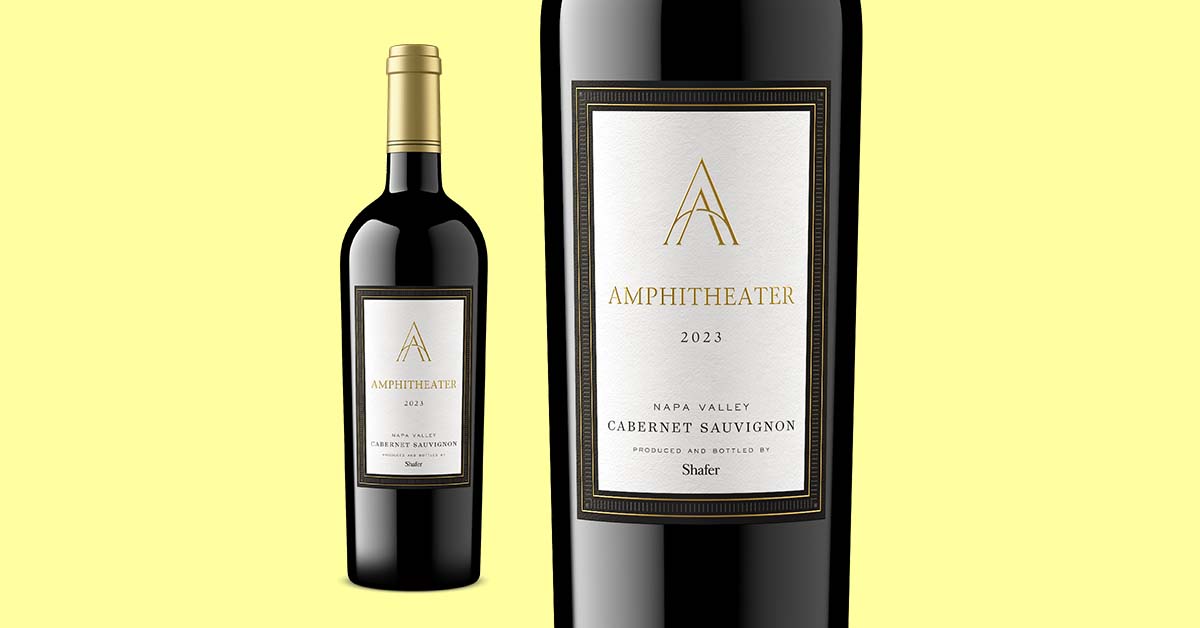
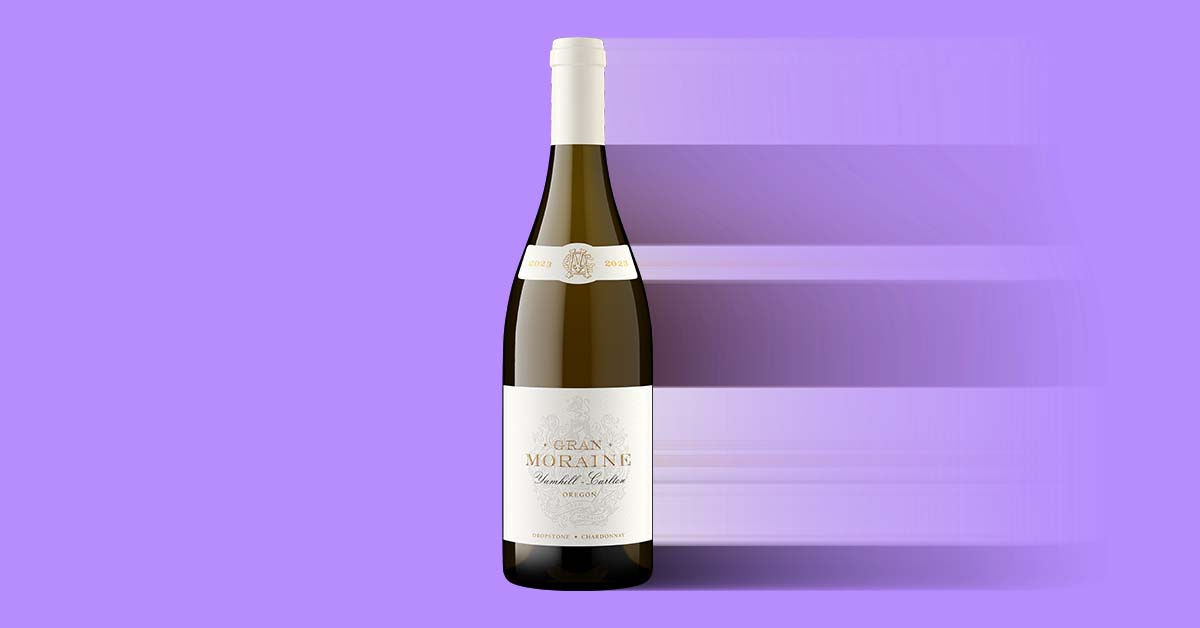
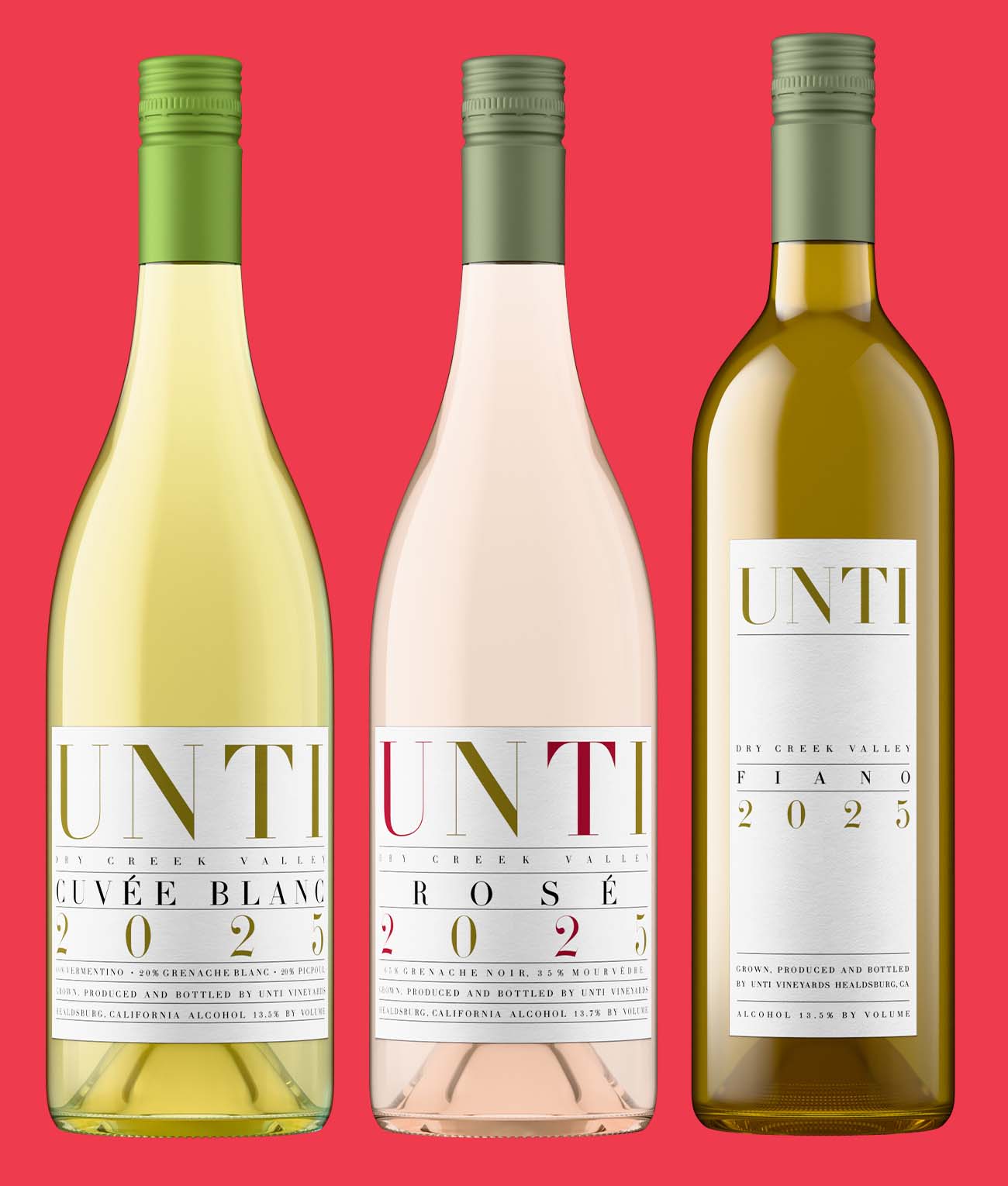
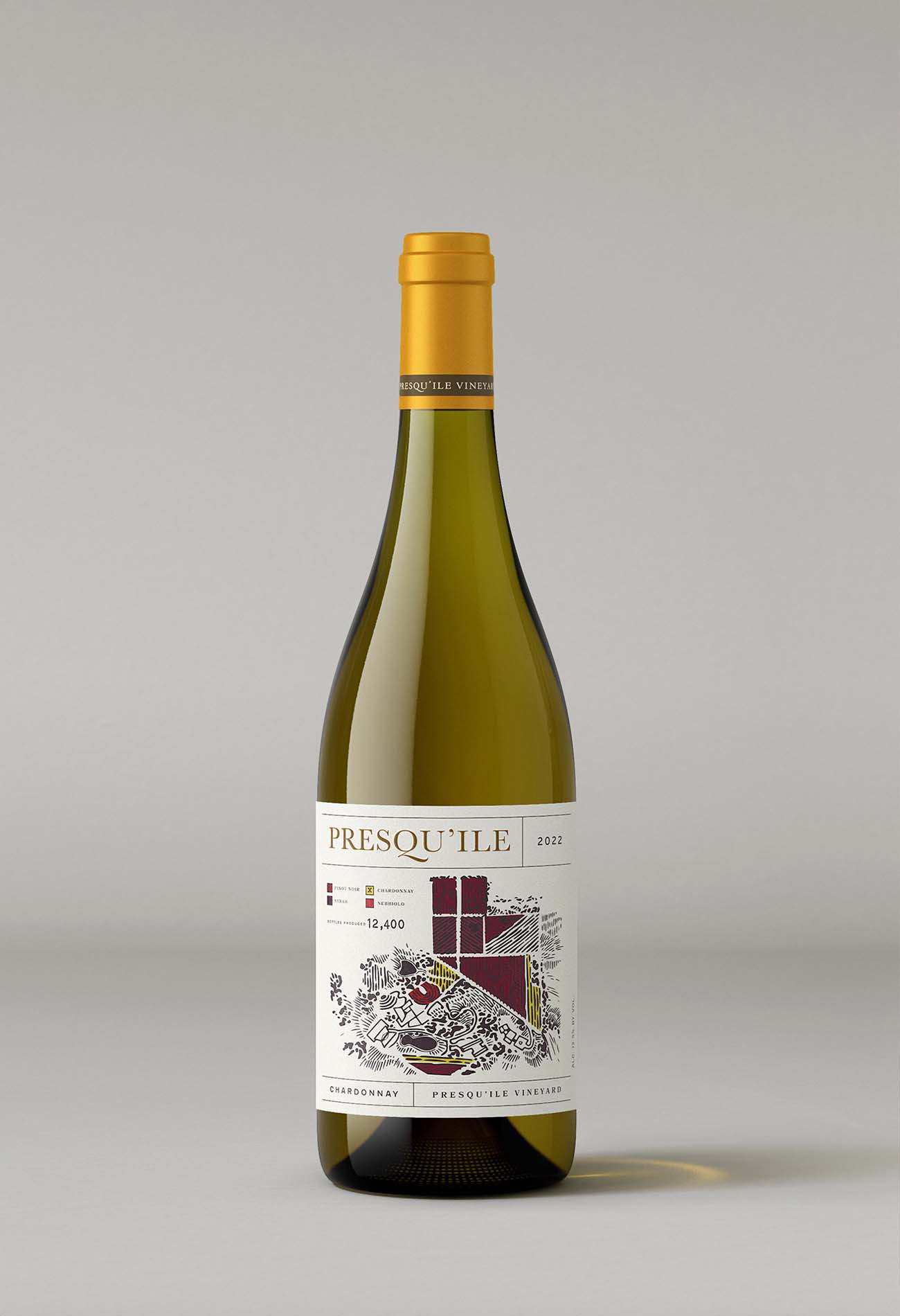
For professional product shots of wine labels and bottles, wineries increasingly use photorealistic 3D renders built from the label file, the same file your printer uses. The result is a digital twin of your bottle, produced without a photoshoot and without shipping physical samples.
The vintage problem alone drives the switch. As Jordan Tanaka of Shadow Ranch Vineyard put it: "We were reusing old shots with the wrong vintage year because we didn't want to deal with it year to year."
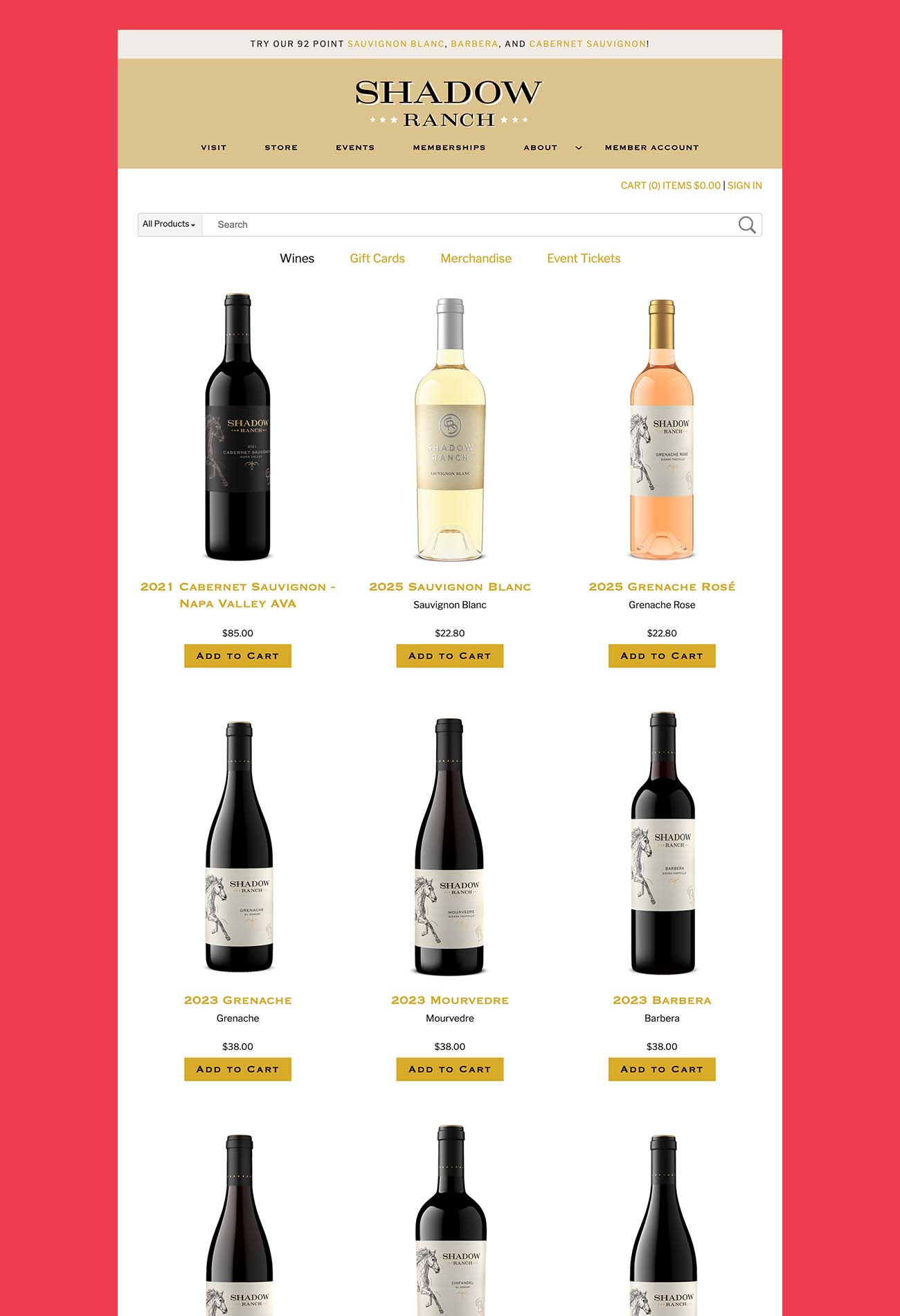
Renders also work before your wine even exists. A bottle shot built from your final label file can be selling your new release while the wine is still in tank.
Where Outshinery fits
Outshinery makes packaging imagery for beverage brands two ways, and they serve different needs.
Outshinery Lite is a self-serve bottle shot generator for standard wine bottles. Upload your label, pick your bottle shape and closure from 15,000,000+ configurations, and download a photorealistic PNG in under an hour, for $29 per image ($23 after 10 orders).
Outshinery Studio is human-crafted. A trained 3D artist builds your bottle to spec, including foil, embossing, custom glass, and the finishes automated tools cannot handle, plus lifestyle scenes and POS displays. Studio starts within 3 business days.
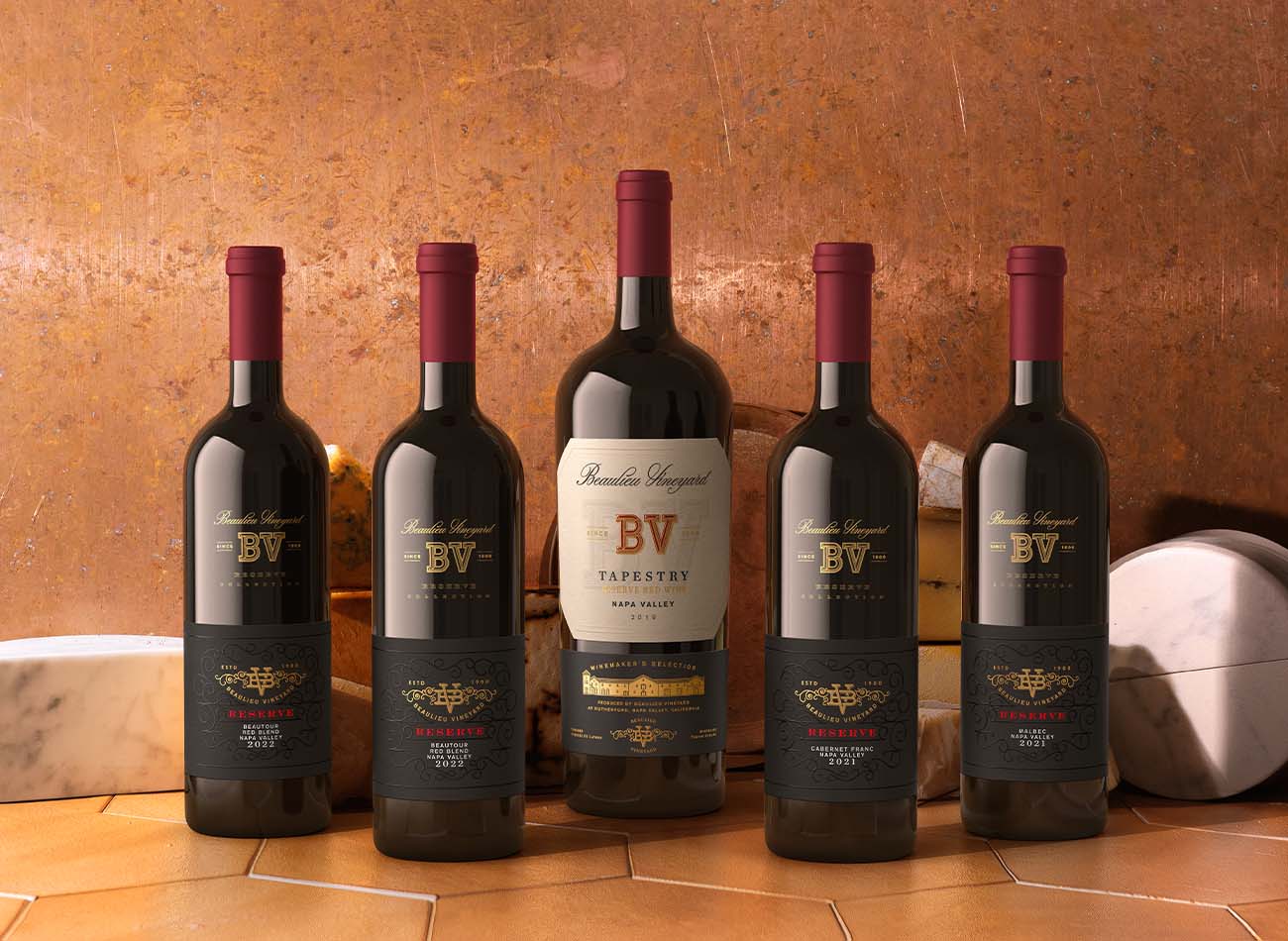
The same money that buys one traditional shoot day can cover clean, consistent product shots for an entire portfolio. Keep the photographer for the moments only a camera can catch.
Frequently asked questions
How much does a wine photographer cost?
In 2026, US product photographers charge $50 to $350 per finished image or $500 to $3,000 per day, and bottle-shot specialists start around $49 per bottle plus shipping. With retouching and licensing included, traditional bottle photography typically runs $100 to $300 per image, with a US average around $150.
Do I need to ship bottles for professional bottle shots?
Only for traditional photography. Photorealistic 3D renders are built from your print-ready label file, so there is nothing to ship and no risk of losing product in transit. Outshinery Lite delivers a rendered bottle shot from a label upload in under an hour.
Can I get wine bottle images before the wine is bottled?
Yes. A 3D render only needs your final label file and bottle specs, so the image can exist before your wine does. Wineries use this for presales, distributor submissions, and listing deadlines that land ahead of bottling.
When should I hire a wine photographer instead?
Hire a photographer for people, places, and events: winemaker portraits, vineyard and tasting room imagery, harvest, and club gatherings. Those are real moments a camera captures best. For product shots of the bottle itself, renders are faster, more consistent, and less expensive.
What makes a good product photographer for a winery?
Deep experience with glass. Bottles combine reflective surfaces, dark liquid, and metallic finishes, which are among the hardest subjects to light. Look for a portfolio of consistent bottle sets, clear licensing terms, and retouching that covers label straightening and reflection cleanup.
- Define the subject first: experience or packaging.
- Budget $50 to $350 per image, or $500 to $3,000 per day.
- Ask for bottle sets in the portfolio, not single hero shots.
- Get usage rights and retouching scope in writing.
- Confirm turnaround, rush fees, and reshoot policy.
- For bottle-only shots, price a render before you book a shoot.