How 3D product rendering works for beverage brands
From label file to photorealistic bottle shot, without a camera or a physical product.

You have probably seen a product image online and assumed it was photographed in a studio. The lighting was precise. The glass reflections looked natural. The label was sharp enough to read every word.
There is a good chance that image was never photographed at all.
3D product rendering has become the standard method for creating professional beverage imagery at scale. Wine, beer, spirits, RTD, and cider brands use it to produce photorealistic visuals faster, more consistently, and at a lower total cost than traditional photography.
Here is how it actually works.
The basic concept
Instead of placing a physical bottle in front of a camera, a 3D artist builds a digital model of the product. That model includes every detail: the glass shape, the liquid color, the closure type, the label artwork, and any surface finishes like foil, embossing, or textured paper.
Once built, that model exists permanently. It can be rendered from any angle, in any lighting setup, against any background. And when the label changes for a new vintage, only the label file needs to be updated. The model stays the same.
The output is a photorealistic image file, typically a high-resolution PNG with a transparent background, ready for use on websites, marketplaces, sell sheets, and social media.

What goes into building the model
The process starts with two inputs: the label artwork and the container specification.
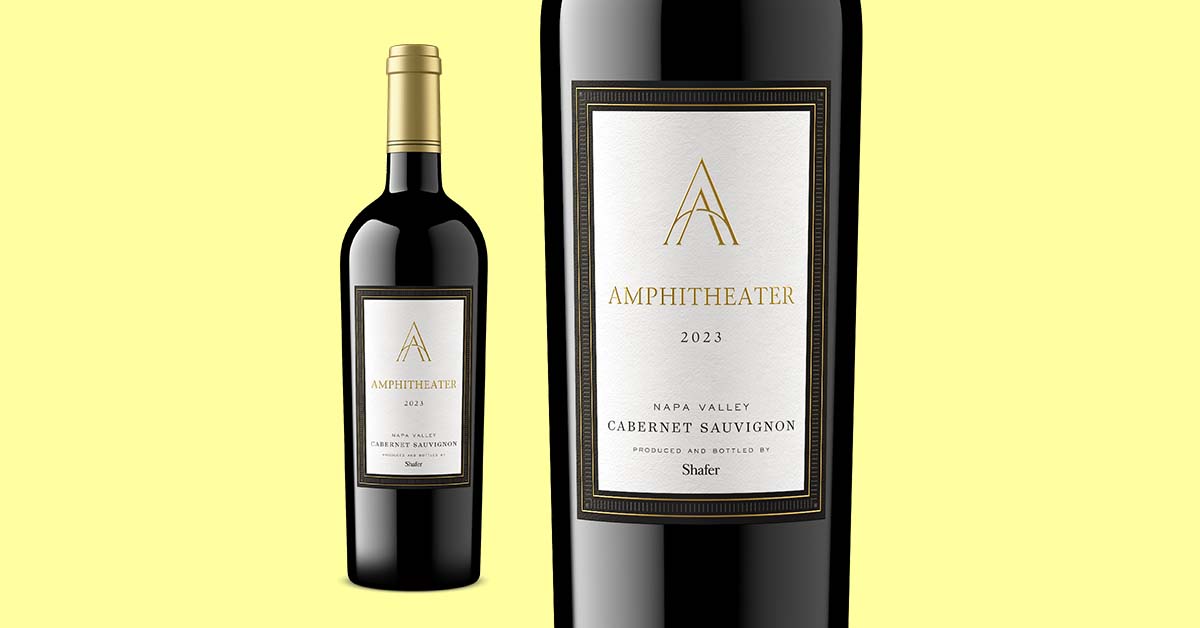
The label file needs to be production-ready, ideally the same file sent to the label printer, with all design layers and finish information intact. This is what ensures every detail, from the vintage year to the foil accents, renders accurately.
The container specification is where the precision begins. Outshinery holds hundreds of glass molds in its library, covering bottle shapes from major glass manufacturers across North America, Europe, and Australia. This matters because the same Burgundy style produced by an Australian supplier and a North American supplier are not identical. The shoulder curve is slightly different. The punt depth differs. The sidewall taper varies. Outshinery builds from the exact mold, not an approximation.

Building a container spec means identifying each component precisely:
Glass shape: Bordeaux, Burgundy, Alsace/flute, Champagne, and dozens of regional variations by manufacturer.
Glass color: Flint (clear), antique green, dead leaf, dark green. Use the correct industry term for each shade, not a general description.

Closure: A cork is not just a cork. Is it natural cork? Agglomerated cork (agglo)? A DIAM technical cork? A synthetic Nomacorc? Each has a different surface texture and visual profile. Each also comes in different lengths. A 44mm natural cork and a 38mm DIAM are distinct components with different proportions once rendered. The capsule adds its own variables: color, finish (matte, gloss, or satin), and any printed or textured detail.

Label surface finishes: Foil stamping, embossing, debossing, spot varnish, matte stock, textured paper. Each is rendered as a distinct layer with its correct light behavior.
A complete product specification reads more like a parts manifest than a creative brief. Every component has its exact place. The final image is only as accurate as the spec it came from.
Why the glass is the hard part
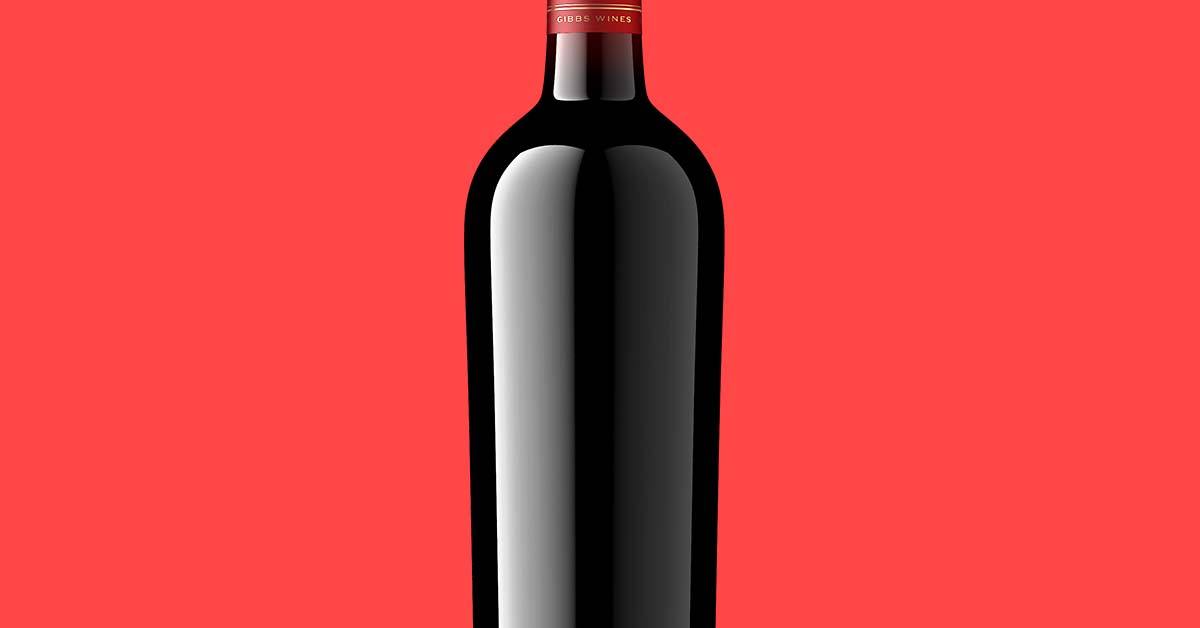
Glass bottles are notoriously difficult to photograph. The surface reflects everything in the room, including the camera, the photographer, and the studio walls. Professional beverage photographers spend significant time and money managing these reflections.
In a 3D rendering environment, reflections are controlled by the lighting setup in the virtual scene. There is no room to reflect, no equipment to hide, and no ambient light to manage. The result is clean, controlled reflections that look natural without the technical challenges of physical glass photography.

This is why many professional product images of glass bottles, including those used by major retailers and distributors, are renders rather than photographs.
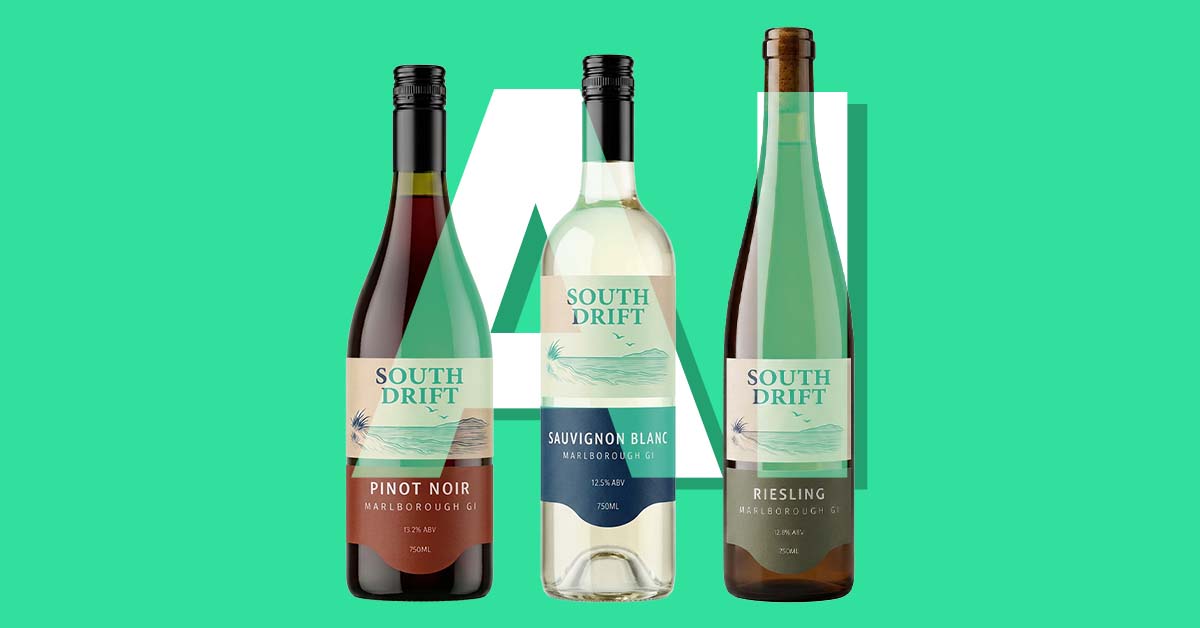
There is a second challenge specific to white wine, rose, and any product in clear or light-tinted glass. When the liquid is not dark and opaque, the back label inside the bottle becomes visible through the front. In photography, this creates a cluttered foreground: barcodes, government warning text, and nutrition information bleed through the glass and sit on top of the front label in the finished shot. Removing them in post-production is labor-intensive. For screen-printed (ACL) designs, where the label artwork is fired directly onto the glass surface, it can be effectively impossible to clean.
In a 3D environment, this is handled by design. The back label is simply excluded from the front-view render. The result is a clean front view from the first proof, with no retouching required.
From model to final image
Once the 3D model is complete, the rendering process produces the final image. This is where the virtual lighting, camera angle, and background are set.
Standard product shots use a controlled studio-style setup: soft, even lighting, neutral background, consistent angle across all products. This produces the clean, professional look required for ecommerce and marketplace listings.
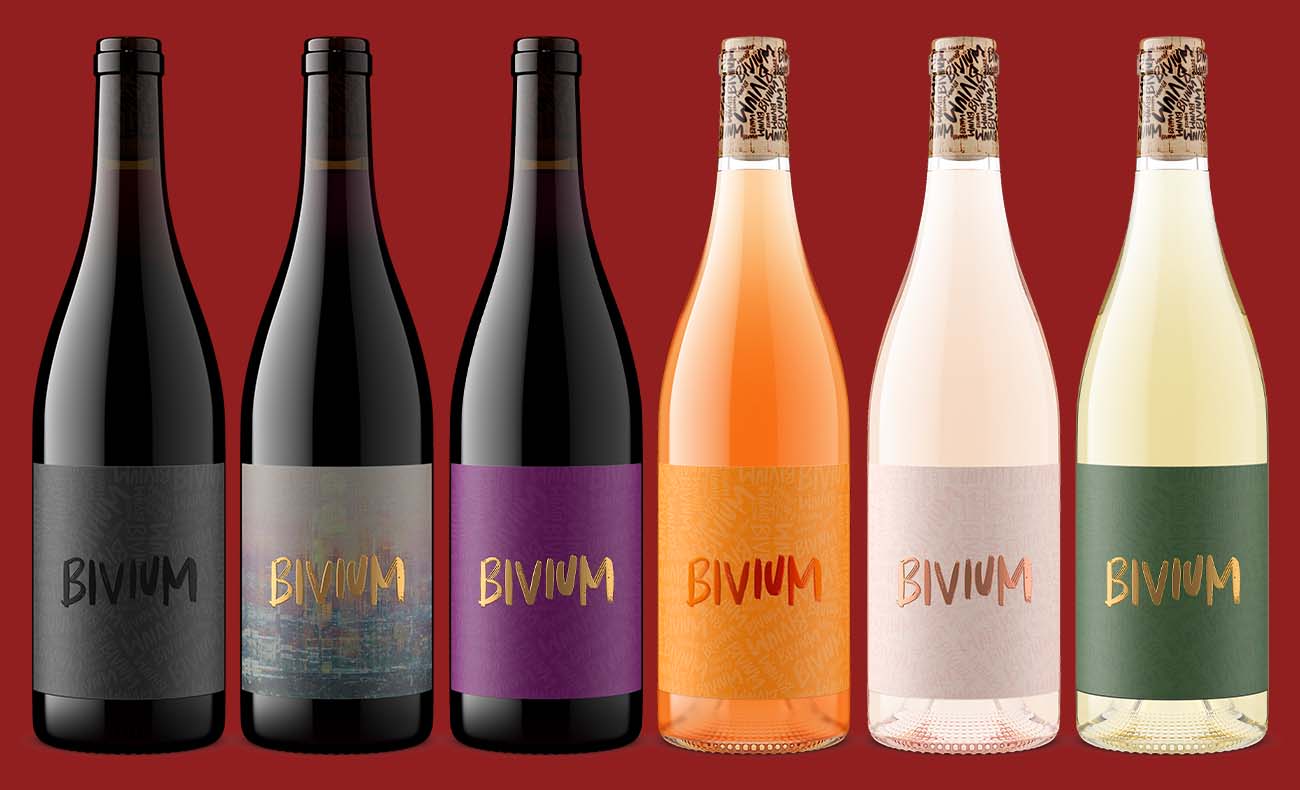
The same model can also be placed in lifestyle scenes, beauty shots with dramatic lighting, or group compositions showing multiple products together. No additional photography is needed. The model is the source asset for all of them.
The consistency advantage goes beyond any single image. In physical photography, shooting six SKUs on the same day means six separate compositions. A standard 750ml bottle and a magnum are different heights. The photographer adjusts the tripod for one, which shifts the framing, scale, and spatial relationship with the others. Even within one shoot, those inconsistencies accumulate. Reconciling them in post-production adds cost and rarely produces a perfect result.
In a 3D rendering environment, all six bottles share the same virtual camera position, the same lighting rig, and the same spatial logic. A standard bottle and a magnum render at accurate relative scale without any physical adjustment. The images look like they belong together, because they were built from the same system.
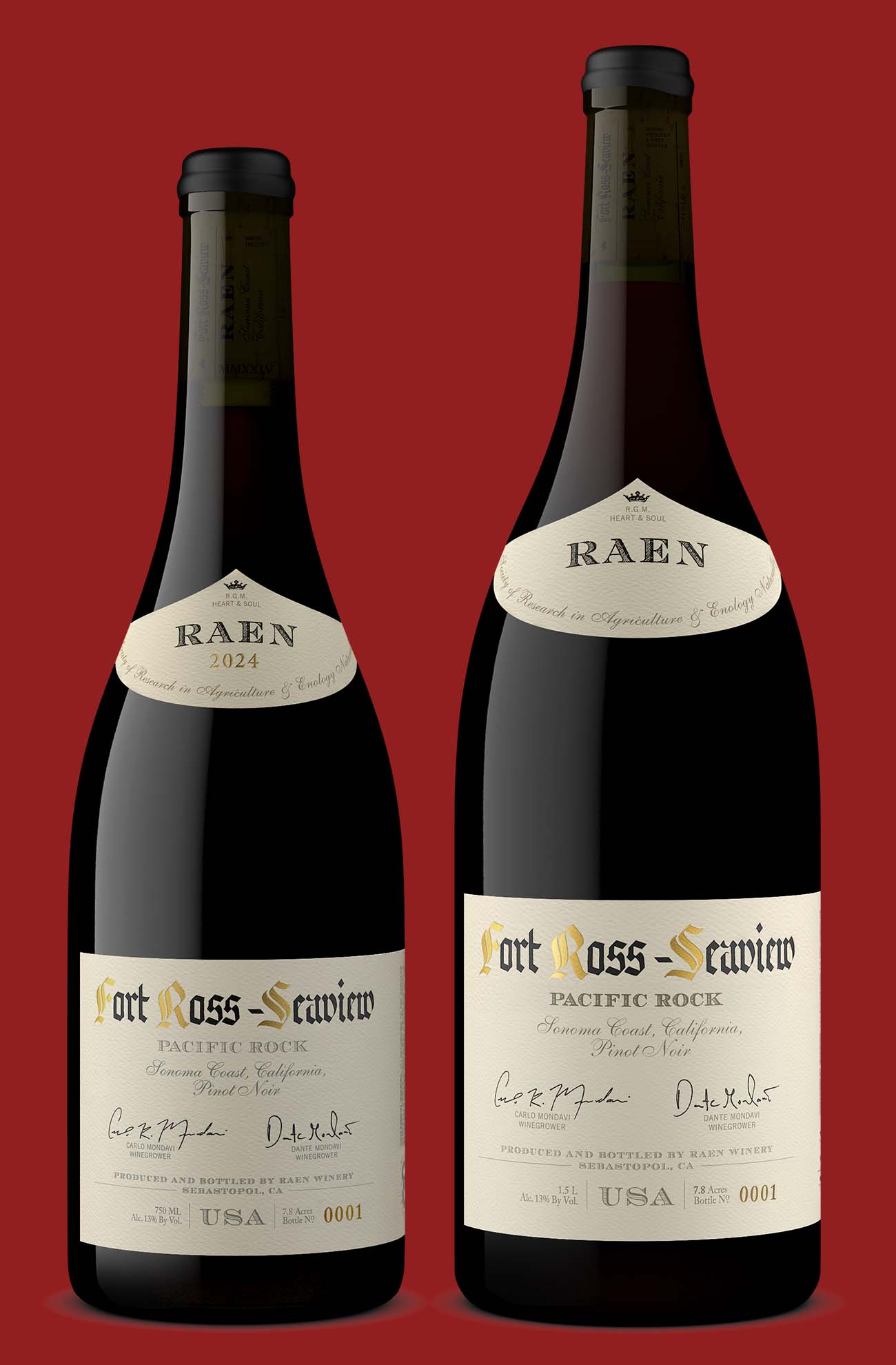
This holds across time as well. When the next vintage arrives a year later, the updated render comes from the same model with the same virtual lighting. No equipment has moved. No new photographer has interpreted the brief differently. The new image matches the previous vintage exactly.
The output is channel-ready
A rendered image is produced digitally, which means format specifications are built into the output from the start.
Need a transparent background PNG for your website? That is the default. Need a white background JPEG for Amazon? Same model, different export setting. Need a high-resolution TIFF for print? One more export.
There is no post-production reformatting. No separate editing session to convert a photographed image from one format to another. The render produces exactly what each channel requires.

What happens when the label changes
This is where 3D rendering shows its strongest advantage over traditional photography.
When a vintage updates, the winery sends the new label file. The 3D artist swaps it onto the existing model. A new render is produced in days, sometimes hours.
No reshoot. No shipping bottles. No scheduling a photographer. No hoping the new image matches the previous one. The model guarantees consistency because nothing else changed.
For a brand with 15 or 20 SKUs updating annually, this eliminates the single largest recurring cost in their visual production workflow.

Two ways Outshinery delivers this
Outshinery Studio is the full-service option. A trained team of 3D artists builds each model from scratch, handling complex packaging, specialty finishes like embossing and foil, custom scenes, and enterprise-scale production. Studio is built for brands where packaging complexity or premium positioning demands a specialist touch.
Outshinery Lite is a self-serve tool built specifically for wine. Upload your label, choose from a curated library of bottle shapes and closures, and receive a photorealistic bottle shot within about an hour. Lite is built on the same 3D expertise as Studio, distilled into an automated workflow for brands that need speed and consistency without a custom brief.
Both products produce photorealistic output that is marketplace-ready by default. And both build on a library of over 4 million container configurations, developed over a decade of working exclusively with beverage brands.

Not a replacement for all photography
3D rendering is not the answer to every visual need. Lifestyle photography featuring real people, real environments, and real moments still has a role, particularly for social media storytelling and brand campaigns.

What rendering replaces is the repetitive, logistics-heavy product photography that consumes the most time and budget: the standard bottle shots, the vintage updates, the marketplace-compliant images, and the format variations that every channel demands.
For most beverage brands, that is 80% or more of their total visual production. The remaining 20% is where a camera still earns its place.
What to prepare for your first 3D render
- Your label artwork as a print-ready PDF or AI (Adobe Illustrator) file (the same file you send to your label printer)
- Your bottle shape or mold number (your glass supplier can confirm this)
- Closure type: natural cork, agglomerated cork (agglo), DIAM, synthetic/Nomacorc, screwcap (Stelvin), wax seal, crown cap, or sparkling cage. For corks: length if known (38mm, 44mm, 48mm are common)
- Glass color: flint/clear, antique green, dead leaf, dark green, or other
- Any special label finishes: foil, embossing, textured paper stock