How wine brands get photorealistic bottle shots
What happens between your label file and a finished bottle shot, and why wine's annual release cycle makes this the most practical way to work.
Wine has a problem that most product categories don't.
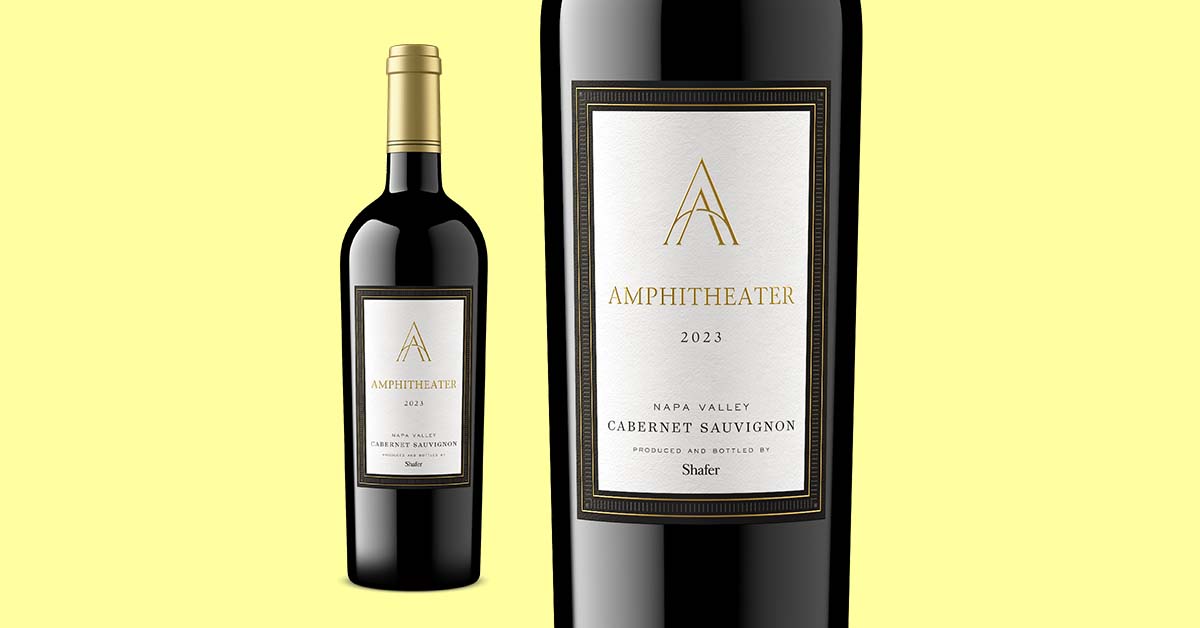
Your product changes every year. The label updates. The vintage year changes. Sometimes the blend shifts, the back label copy updates, or you redesign the front entirely for a new tier. A winery with 12 SKUs releasing a new vintage is effectively creating 12 new products to photograph, every year, forever.
Traditional photography wasn't designed for this. A photographer doesn't get faster because you're releasing your 50th vintage. You still need to ship bottles, schedule a studio, wait for proofs, and start over when something is off.
3D product rendering is built for exactly this cycle.
What 3D rendering actually is for wine
Instead of placing a physical bottle under studio lights, a 3D artist builds a precise digital model of your bottle. The glass shape, glass color, label artwork, closure type, capsule finish. Every component has its exact specification.
Once that model exists, it can be reused indefinitely. When the 2024 vintage replaces the 2023, you send an updated label file. The model stays. The new render comes back in days.
For wine brands, this is the most important thing to understand about how the process works: the model is your brand's permanent visual foundation. You build it once and update it, rather than starting from zero every release.
The parts of a wine bottle that matter for rendering
Most wine brands are surprised by how much precision goes into specifying a container. Here is what the brief needs to capture accurately.
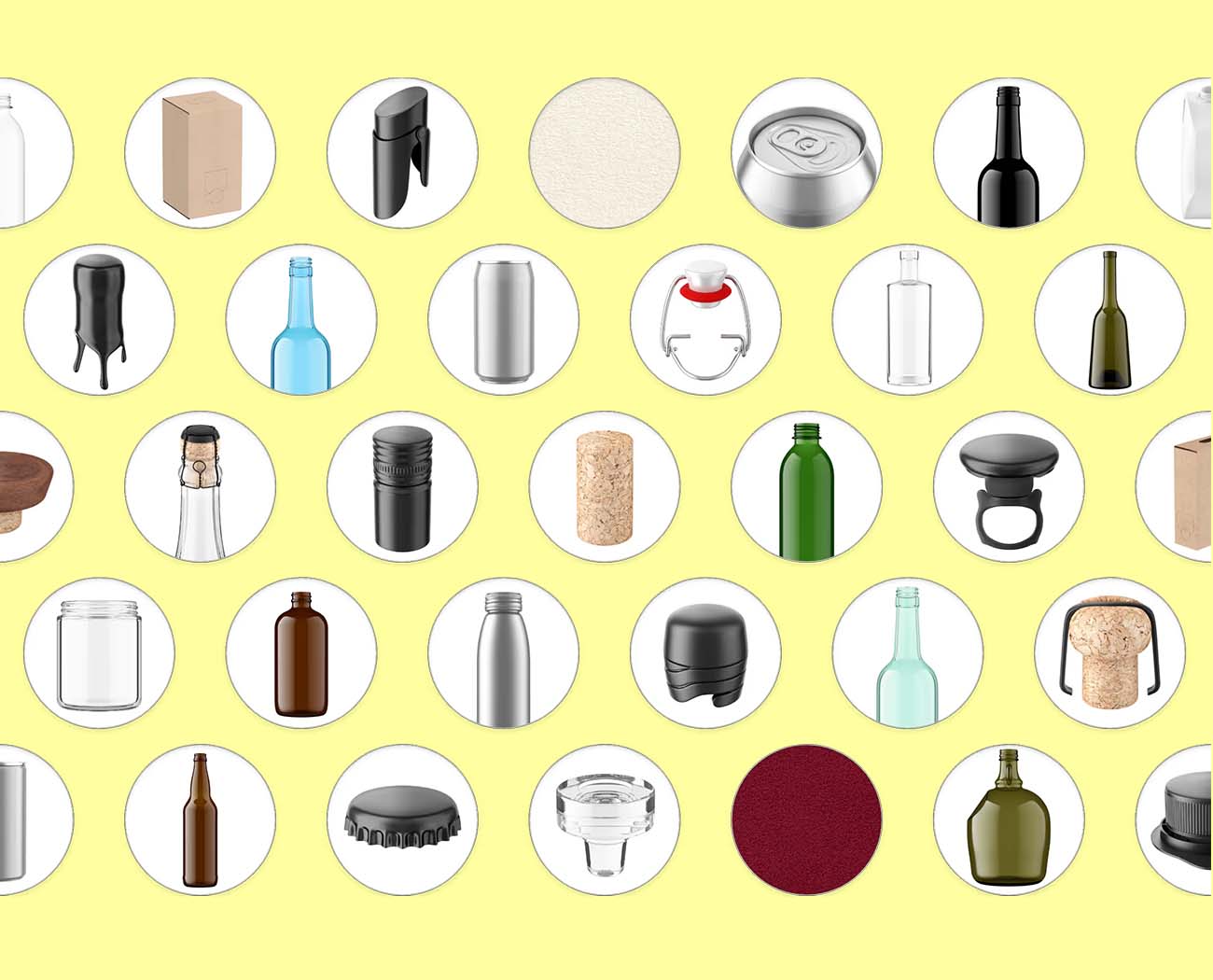
Glass shape. Wine bottles are not generic. Bordeaux, Burgundy, Alsace/flute, Champagne, Rhône, port, hock, and dozens of regional variations exist, many of them specific to a manufacturer and mold number. The shoulder curve on a Bordeaux from a North American supplier differs from the same shape produced by a European glassmaker. Outshinery's container library holds verified models of hundreds of molds, sourced directly from major glass manufacturers. When your bottle is specified precisely, the render matches your physical product exactly.
Glass color. Flint (clear), antique green, dead leaf, and dark green are the four most common for wine. Each changes how the liquid reads, how the label catches light, and how the capsule transitions into the bottle neck. Use the industry term, not a general description, and the render will come back right on the first proof.
Closure type. A cork is not just a cork. Natural cork, agglomerated (agglo), DIAM technical cork, and synthetic Nomacorc are each distinct materials with different surface textures and visual profiles. Length matters too: a 44mm natural cork and a 38mm DIAM have different proportions once rendered. Capsule finish adds another layer: matte, gloss, satin, and printed details each behave differently under light.
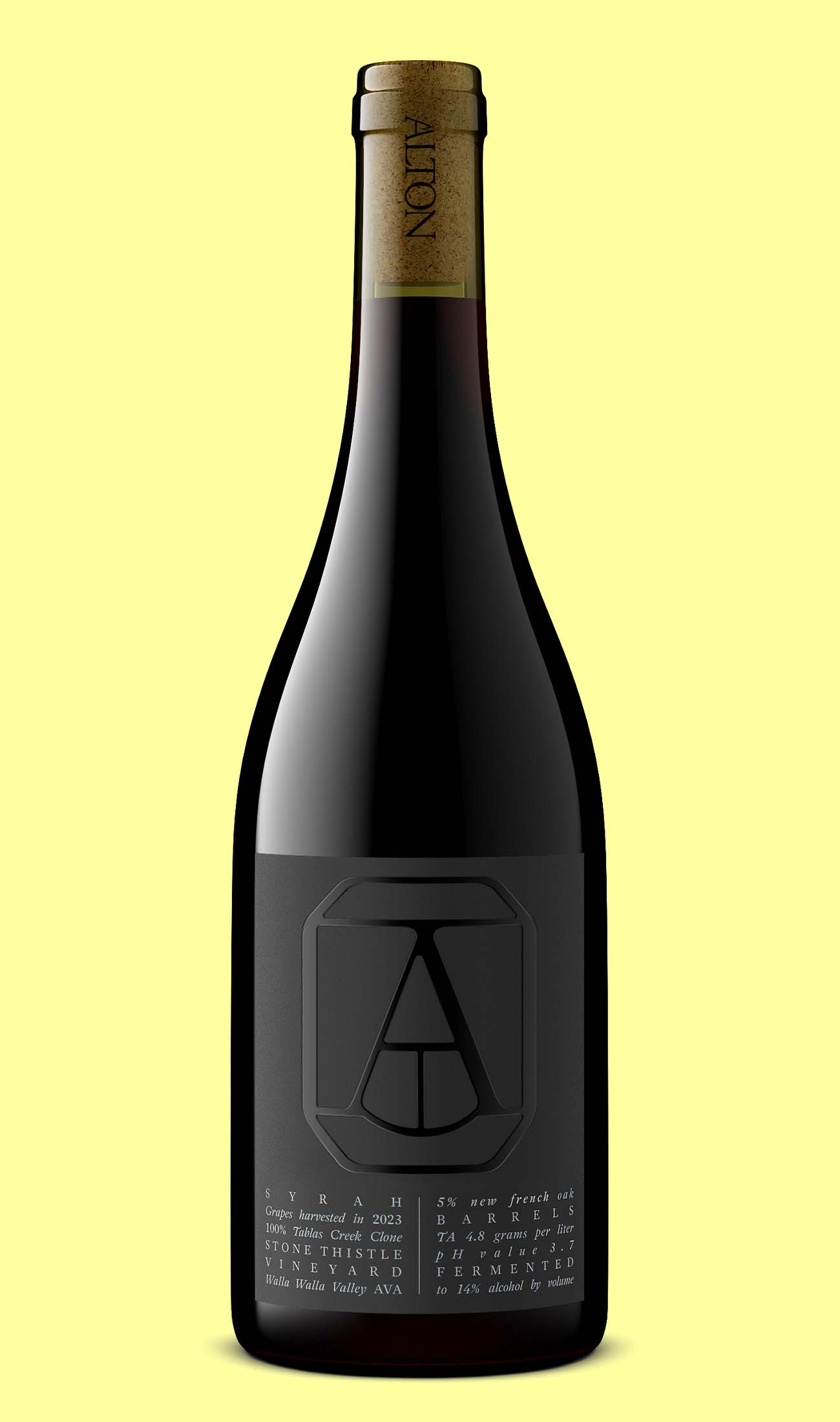
Label finishes. Foil stamping, embossing, debossing, spot varnish, textured paper stock. These are rendered as distinct layers with accurate light behavior, not approximated. The detail in a rendered foil accent or a textured paper label is one of the places where 3D rendering consistently outperforms what a camera can capture cleanly.
Why white wine and rosé have a photography problem 3D solves
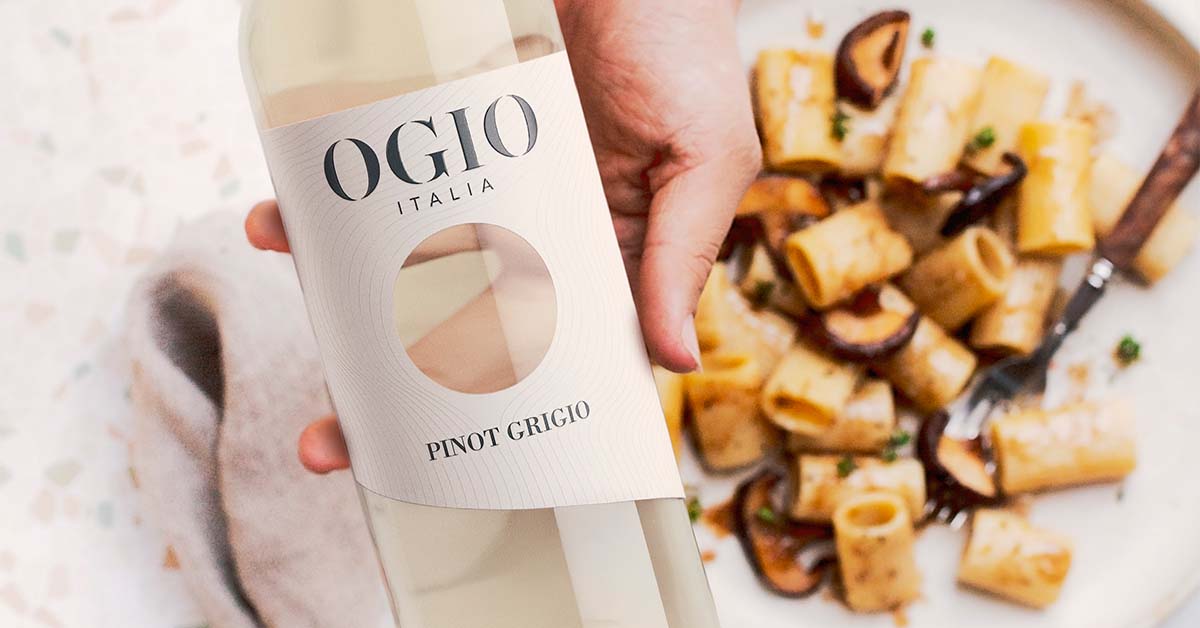
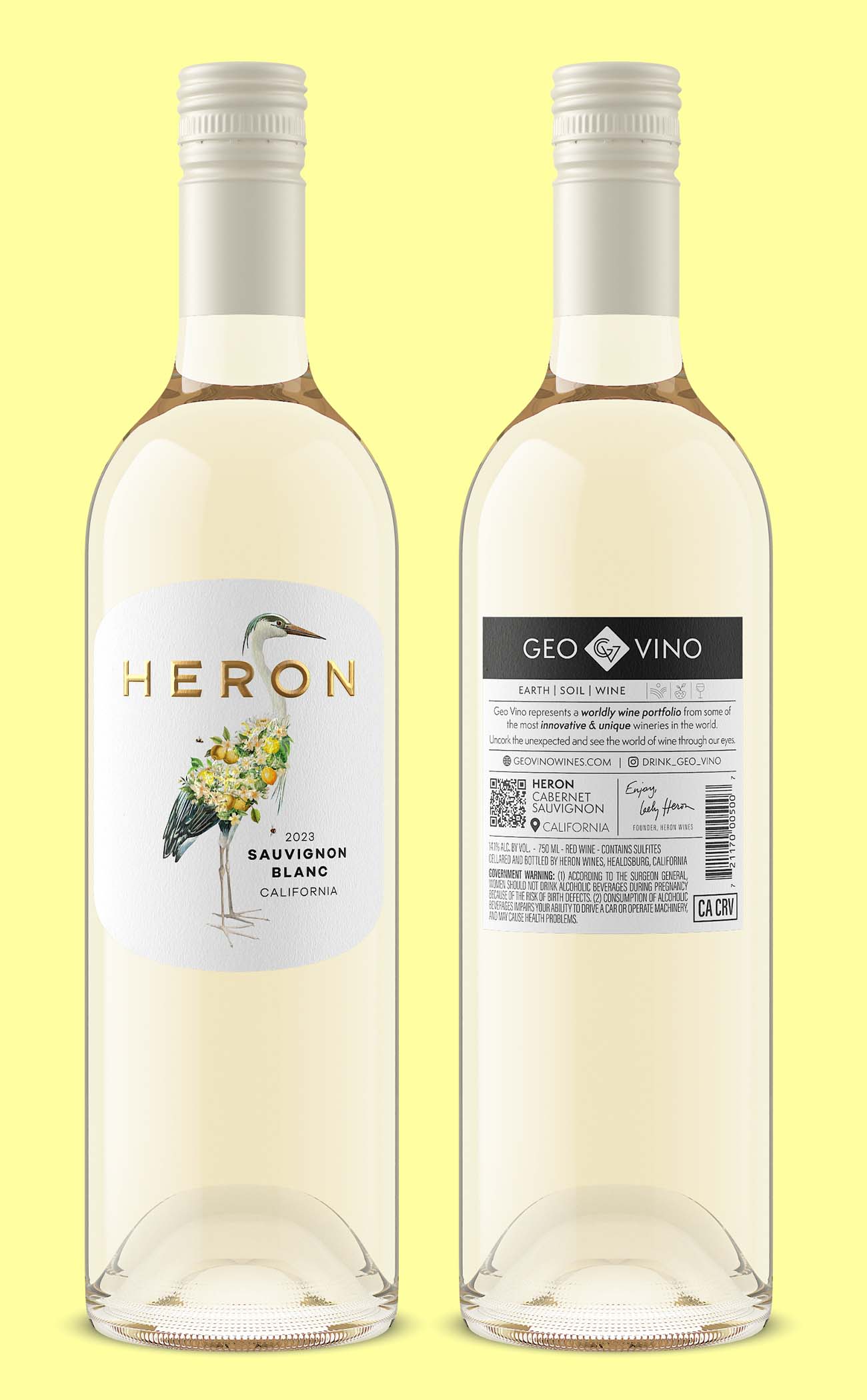
Any wine in clear or light-tinted glass has an issue photographers have worked around for decades: the back label is visible through the bottle in the finished shot.
For a Sauvignon Blanc in a flint bottle, the barcode, government warning text, and nutrition information sit right behind the front label and bleed through in the photograph. Removing them in post-production is labor-intensive. For screen-printed (ACL) bottles, where the design is fired directly onto the glass, post-production removal is effectively impossible.
In a 3D rendering environment, the back label is excluded from the front-view render by design. The output is clean from the first proof. No retouching session, no approximation, no compromise.
Before the wine is even bottled
The timing advantage is specific to wine in a way that doesn't apply to most other categories.
Wine has a gap between production completion and marketing readiness. You finalize your label artwork and know your bottle spec before the wine is in the bottle, sometimes months before. Traditional photography requires a filled, labeled, corked bottle to exist. 3D rendering doesn't.
Wineries that use 3D rendering launch with marketing-ready images on release day, not weeks after, because the images were produced from the label file, not the finished product. Pre-DTC launch campaigns, wine club announcements, and retail sell sheets are built while the wine is still aging.
Consistency across vintages and SKUs
This is where wineries feel the value most directly.
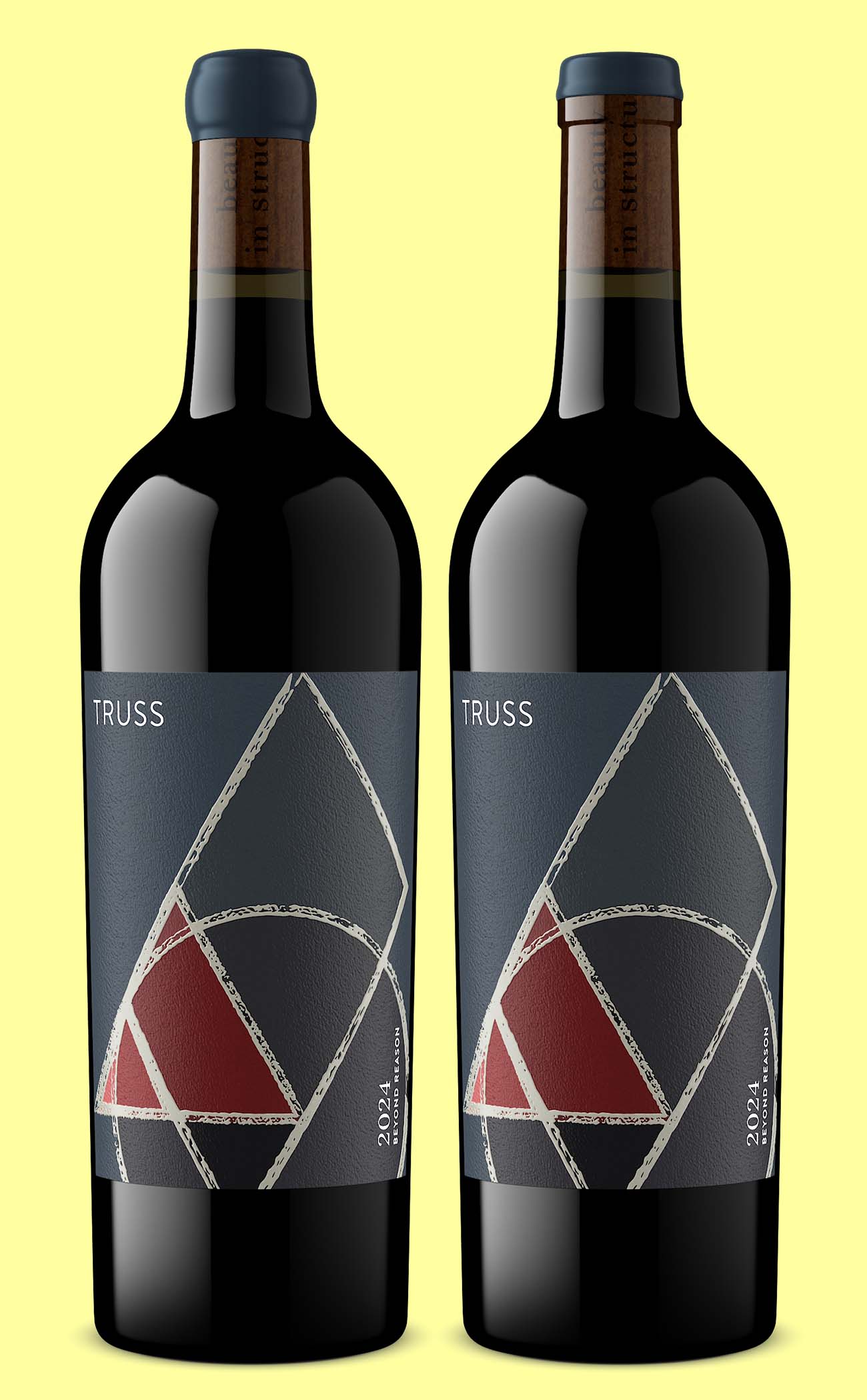
Physical photography drifts over time. The 2021 vintage was photographed in your producer's home studio. The 2022 was done by a local photographer. The 2023 was shot in a professional studio because you finally got the budget. All three look different. None of them look like they belong to the same brand.
In 3D rendering, every vintage update comes from the same model, same virtual lighting rig, same camera angle. The 2024 matches the 2023 exactly, because nothing in the system changed except the label artwork. A visitor to your website or a buyer in a distributor portal sees a coherent portfolio, not a record of the different photographers you've worked with over the years.
One winery put it simply: "Exactly the same EVERY. SINGLE. TIME. No variation vintage to vintage, no angle variation."
What this means for small producers
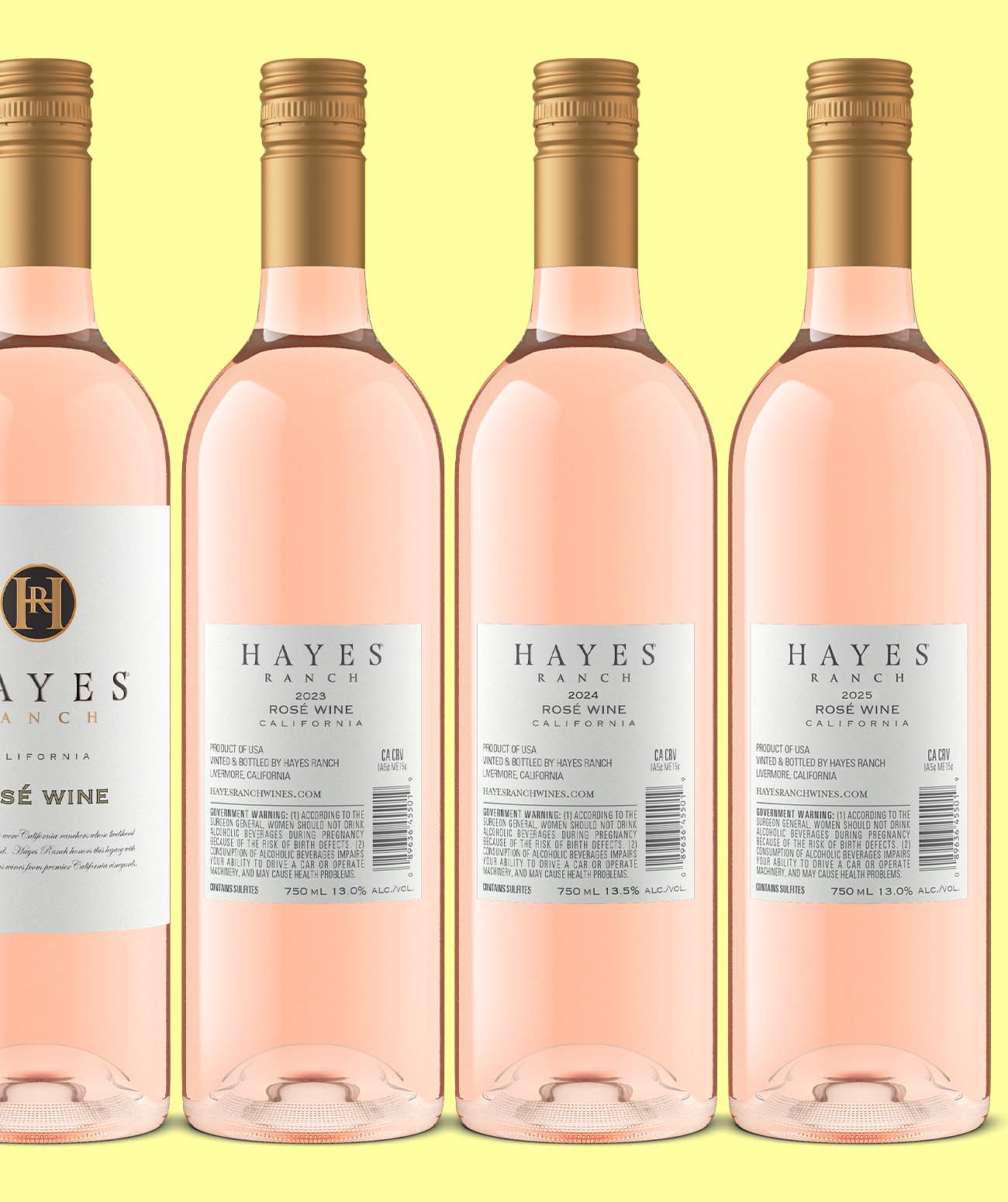
Most wineries are not large. A 2,000-case producer releasing three or four SKUs per year still needs the same quality imagery as a 50,000-case brand. The retailer's website, the wine club email, the distributor's product portal. All of them require clean, professional bottle shots.
Traditional photography at that scale is a recurring budget line that doesn't shrink. Shipping costs, studio time, and reshoots add up before you've paid for a single finished image.
3D rendering changes the economics in wine's favor. The cost per image is lower, the turnaround is faster, and there are no shipping costs or samples lost to the process. More importantly, the cost per image improves as your portfolio grows, because the container model is already built.

Common questions about 3D rendering for wine
Does it look real enough for professional use?
The images are used by major retailers, wine club platforms, and distributor portals without any indication they weren't photographed. Wineries have reported that buyers and DTC customers cannot tell the difference. Some have noted the renders look better than their previous photography. The quality bar is photorealism, not illustration.
Do I need to ship a bottle?
No. A print-ready label file and your packaging specifications are the only inputs. This is the entire premise: imagery that exists before, and independent of, the physical product.
What about my unusual bottle shape?
Wine uses more distinct bottle shapes than almost any other category. If your exact mold is in Outshinery's container library, it gets matched directly. If it isn't, a model is built to your specifications. Either way, the result is geometrically accurate to your bottle, not a generic stand-in.
My label has foil and embossing. Can 3D rendering handle that?
Yes. Outshinery Studio handles embossed labels, debossed text, foil stamping, spot varnishes, and textured paper stocks regularly. These are the details that produce renders that look better than photographs, because the virtual lighting captures the finish without the limitations of physical studio lighting on glass.
Two ways to work with Outshinery
For standard wine bottle shots, Outshinery Lite is the self-serve option. Upload your label artwork, select your bottle shape and closure from a curated library, and receive a photorealistic PNG within about an hour. Lite covers the standard wine bottle formats that account for most of the market: 375ml, 750ml, and magnum in a range of shapes and closures.
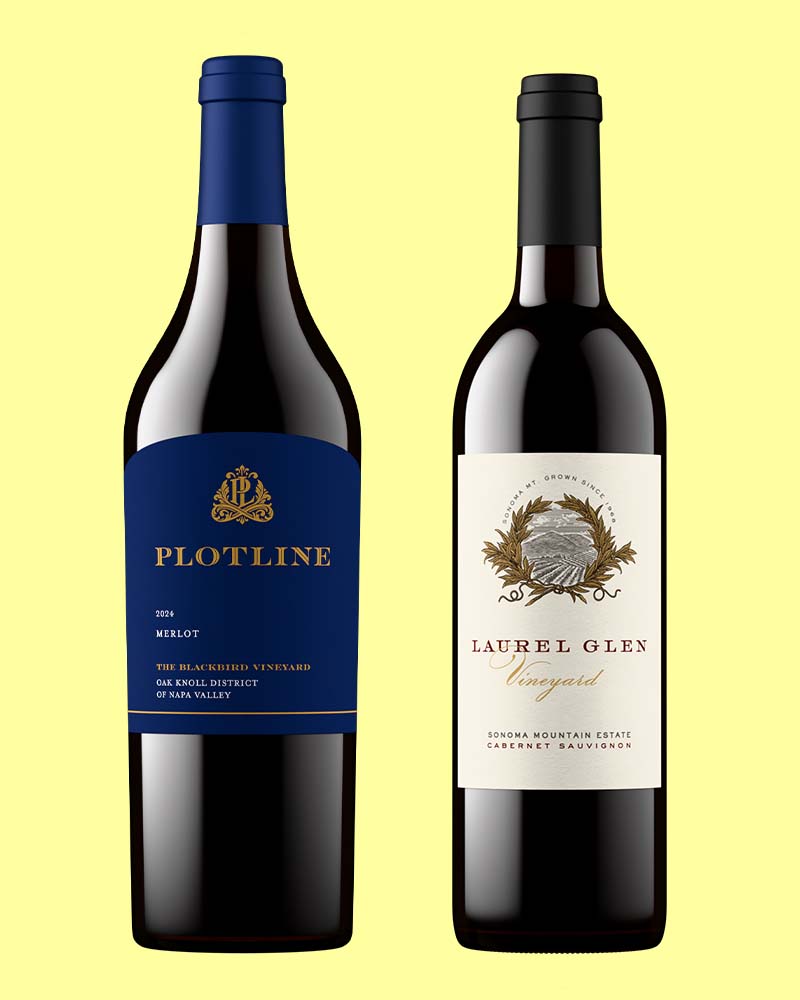
For complex packaging, premium positioning, lifestyle imagery, or large portfolio orders, Outshinery Studio is the full-service option. A trained team handles every detail, from identifying your exact mold to fine-tuning the render for a specialty finish. Studio is built for brands where the label and packaging require specialist handling that an automated tool cannot cover.
Both products produce photorealistic output. Both build on the same container library and more than a decade of beverage-specific rendering experience.
What to prepare for your first wine bottle render
- Your label artwork as a print-ready PDF or AI (Adobe Illustrator) file, the same file you send to your label printer
- Your bottle shape or mold number (your glass supplier can confirm this)
- Glass color: flint/clear, antique green, dead leaf, dark green, or other
- Closure type: natural cork, agglomerated cork (agglo), DIAM, synthetic/Nomacorc, screwcap (Stelvin), wax seal, or sparkling cage. Cork length if known (38mm, 44mm, 48mm are common)
- Capsule finish: matte, gloss, satin, or any printed or textured detail
- Any special label finishes: foil stamping, embossing, debossing, textured paper stock