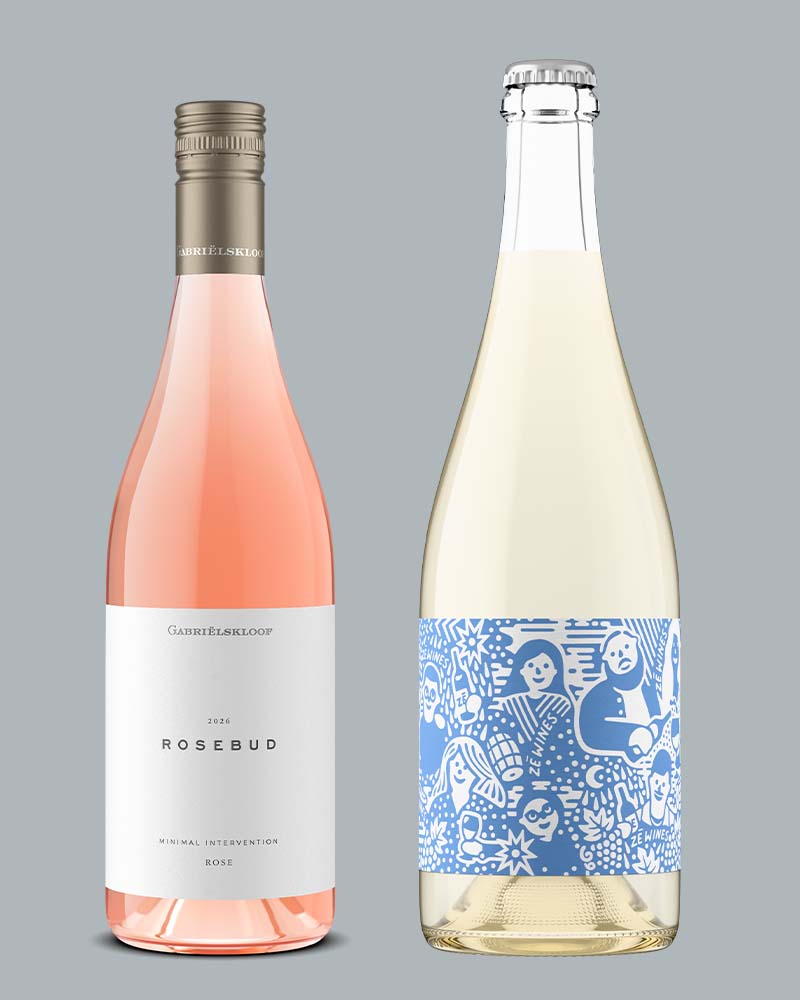
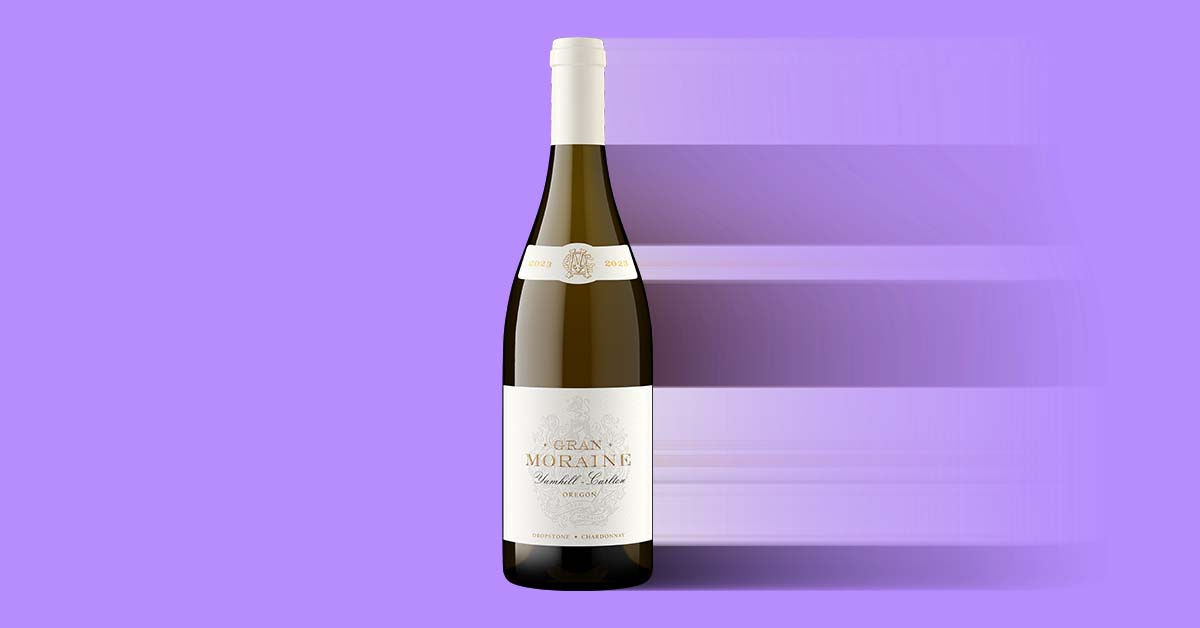
Why wineries are switching from traditional photography to 3D renders
The shift is not about technology. It is about what the business actually needs from its product images.


The first time most winery owners see a 3D rendered bottle shot, their reaction is the same. Their bottle has never looked so good.
That moment of recognition is usually followed by a question: why would I keep paying for photoshoots?
The answer, increasingly, is that they would not. Across the US, Canada, Australia, and the UK, wine brands of every size are quietly replacing traditional product photography with 3D rendering. Not because the technology is new or exciting, but because the economics and logistics of photography stopped making sense.
The photography problem is structural
Traditional wine product photography requires a physical bottle. That means the wine must be bottled, labeled, and available to ship to a photographer before a single image can be produced.
For a winery releasing a new vintage, this creates a timing problem. Marketing materials, distributor sell sheets, DTC listings, and wine club announcements all need imagery weeks or months before the wine ships. But the bottle does not exist yet.
The workaround has always been the same: wait, rush, or use last year's image. None of these options are good. Waiting means missed pre-sale opportunities. Rushing means accepting whatever the photographer delivers under time pressure. And reusing old images means your 2025 vintage is represented by a 2023 label, which erodes trust.

The cost equation has shifted
Professional beverage photography is not cheap. A standard product shoot, including photographer fees, studio time, styling, and post-production, runs $200 to $500 per image. Add coordination time, shipping costs, and the true cost per image climbs higher.
For a winery with 15 SKUs, a full annual reshoot can easily exceed $5,000. And that assumes everything goes right the first time, no reshoots, no format issues, no late deliveries.
3D rendering changes this math. The initial model build is comparable in cost to a professional photograph. But every subsequent use of that model, every vintage update, every new format, every new background, costs a fraction of the original. The asset appreciates instead of expiring.

Consistency was always the harder problem
Cost and speed get the most attention. But the pain point that winery owners describe most often is consistency.
A winery that has been operating for five or more years has typically used multiple photographers. Maybe an in-house iPhone for some products, a local photographer for others, a different studio for a special release. The result is an image library that looks like it belongs to five different brands.
"Consistency with all our bottle shots was a problem that Outshinery solved," Leslie Kossoff described about her experience. "I come from a fine arts photography background, so I am not easy to please when it comes to images."
3D rendering solves this by default. Every image comes from the same virtual environment: same lighting, same angle conventions, same background treatment. A bottle rendered today will match one rendered two years ago, because the environment never changed.

The pre-bottling advantage
This is the capability that surprises most winery owners when they first encounter it.
Because 3D rendering works from a label file and a container specification, not a physical bottle, images can be produced before the wine is bottled. Before it is labeled.
"The product shots are ready before our beers are even bottled," Steamworks sales manager described. "I have no doubt they contribute to our ever increasing sales."
For brands with active DTC programs and distributor relationships, this means pre-sale campaigns, early sell-in materials, and wine club teasers can go live weeks or months earlier than they could with traditional photography.

What wineries are not giving up
The shift to 3D rendering does not mean wineries stop doing all photography. Lifestyle images, vineyard shots, event documentation, and behind-the-scenes content still come from cameras. Those images serve a different purpose: storytelling, brand personality, and social media engagement.
What rendering replaces is the production photography, the repetitive, logistics-heavy process of getting a clean bottle shot for every SKU, every vintage, every channel. That is the work that consumed the most budget and created the most friction. And it is the work that 3D rendering does better.

Where Outshinery fits
Outshinery has spent over a decade building photorealistic 3D product imagery exclusively for beverage brands. The team has rendered for over 2,000 brands across wine, beer, spirits, RTD, cider, and cannabis.
Studio is the premium, human-led service. A trained team of 3D artists handles complex packaging, specialty finishes, custom scenes, and enterprise-scale production. Every Studio output is crafted by a specialist, not generated by automation.
Lite is the self-serve option for wine brands. Upload a label, pick a bottle shape and closure from a curated library, and receive a photorealistic PNG within about an hour. It is the distilled expertise of Studio, built into a tool that anyone can use.
The winery owners and marketing coordinators who make the switch tend to describe the same experience. Relief that the logistics are gone. Surprise at the quality. And a quiet realization that they should have done this years ago.
"Where has this service been my whole life?" is how Erin Smith put it. She is not alone.