Speed is not the same as agility
The brands that win are not the fastest. They are the ones that can change direction without losing momentum.

Everyone in the beverage industry is talking about speed right now. Faster turnarounds. Faster launches. Faster content cycles. Speed is the metric, the promise, the pitch.
I understand the appeal. When your release calendar is packed and your team is stretched, faster feels like the answer to everything.
But speed and agility are not the same thing. And I have watched enough brands confuse the two to know it matters.
Speed is linear. Agility is directional.
Speed means doing the same thing faster. Agility means being able to do a different thing without starting over.
A winery that can get product photography done in 48 hours instead of two weeks has speed. A winery that can update every image in its portfolio when a label changes, without reshooting, rebriefing, or re-coordinating, has agility.
Speed helps you hit a deadline. Agility helps you survive the moment when the deadline moves, the plan changes, or the market shifts.
Where speed fails
I see it every year during release season. A brand rushes to get bottle shots done for a launch. They find a photographer. They ship bottles. They get images back in time. Fast.
Then three things happen in quick succession. The distributor asks for a different format. A marketplace rejects the image specs. The marketing team needs a lifestyle version for social. And suddenly the "fast" photoshoot needs three rounds of rework before the images are actually usable.
Speed got the initial images done. But the system behind those images had no flexibility built in. Every change required going back to the beginning.
That is a fast car on a straight road. The moment the road curves, you are in trouble.
Agility is a system property, not a team trait
When I talk to winery owners about this, they often assume agility means hiring faster people or working longer hours. It does not.
Agility is a property of the system you build, not the effort you put in. A brand with a visual production system that produces channel-ready images from a reusable digital asset is agile by design. A brand that depends on scheduling a photographer every time something changes is fast at best, fragile at worst.
The difference shows up in the unglamorous moments. A vintage year changes. A closure switches. A new marketplace requires a different background. A retailer needs images tomorrow for a listing that just got approved.
If your system can absorb these changes without a new project, new budget, and new timeline, you have agility. If every change triggers a new production cycle, you have speed that breaks under pressure.

Why this matters more in 2026
Consumer sentiment is down. DTC shipment values dropped 19% in 2025. Every winery is watching spend more carefully than they have in years.
In this environment, the brands that survive are not the ones that move fastest. They are the ones that can pivot without burning cash. That can respond to a new retail opportunity in days, not weeks. That can keep their visual library current without a five-figure photography budget.
Speed is expensive when it means redoing work. Agility is efficient because the work was designed to adapt from the start.
What I have learned building Outshinery
When we started, the promise was simple: product images without a photoshoot. That is a speed story. Faster than traditional photography. And it is true.
But the real value, the thing that keeps brands with us year after year, is not the speed of the first image. It is what happens after. The vintage update that takes days instead of weeks. The new format that does not require a reshoot. The new SKU that matches everything already in the library because the visual system is consistent by design.
That is agility. And it compounds. Every image we produce for a brand makes the next one easier, faster, and less expensive. The digital model we build is not a deliverable. It is infrastructure.
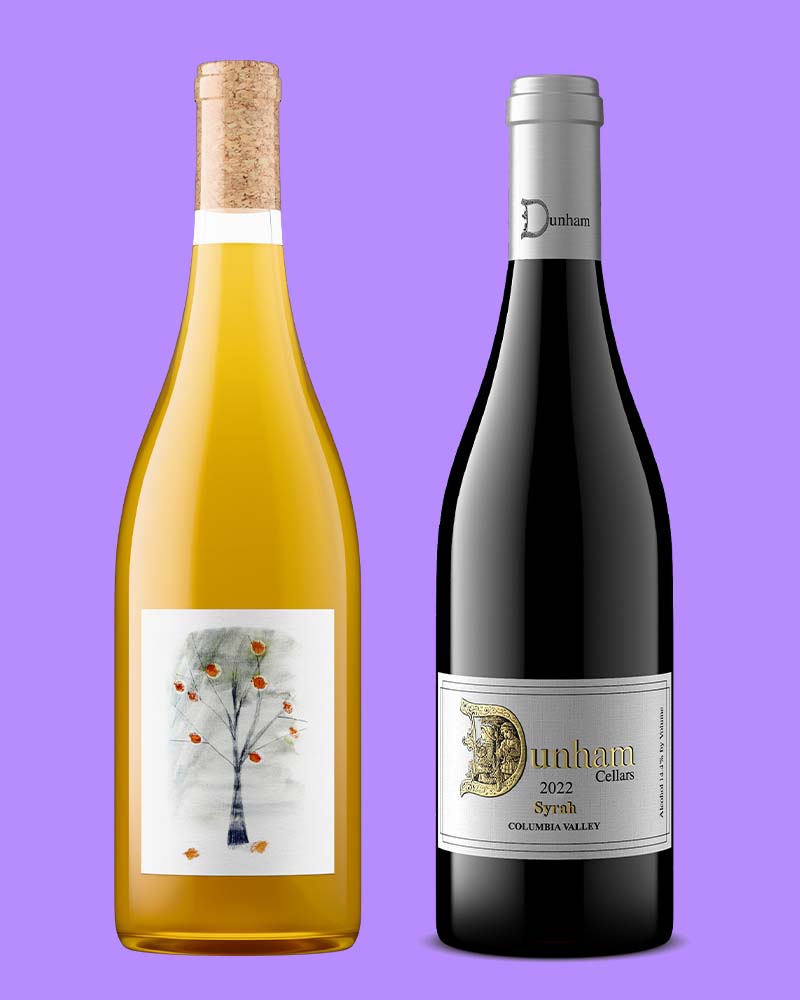
The question to ask yourself
Next time someone promises you speed, ask a follow-up: what happens when the plan changes?
If the answer is "we start over," you have speed. If the answer is "we adapt what already exists," you have agility.
One of those compounds. The other one just bills you again.
The brands I admire most are the quiet ones. They do not announce how fast they move. They just never seem to be scrambling. Their images are always current. Their listings always look right. Their team always has time for the work that actually grows the business.
That is not speed. That is something better.